Echoes Over the Sea: Marconi’s Historic Radio Transmission from Capo Figari
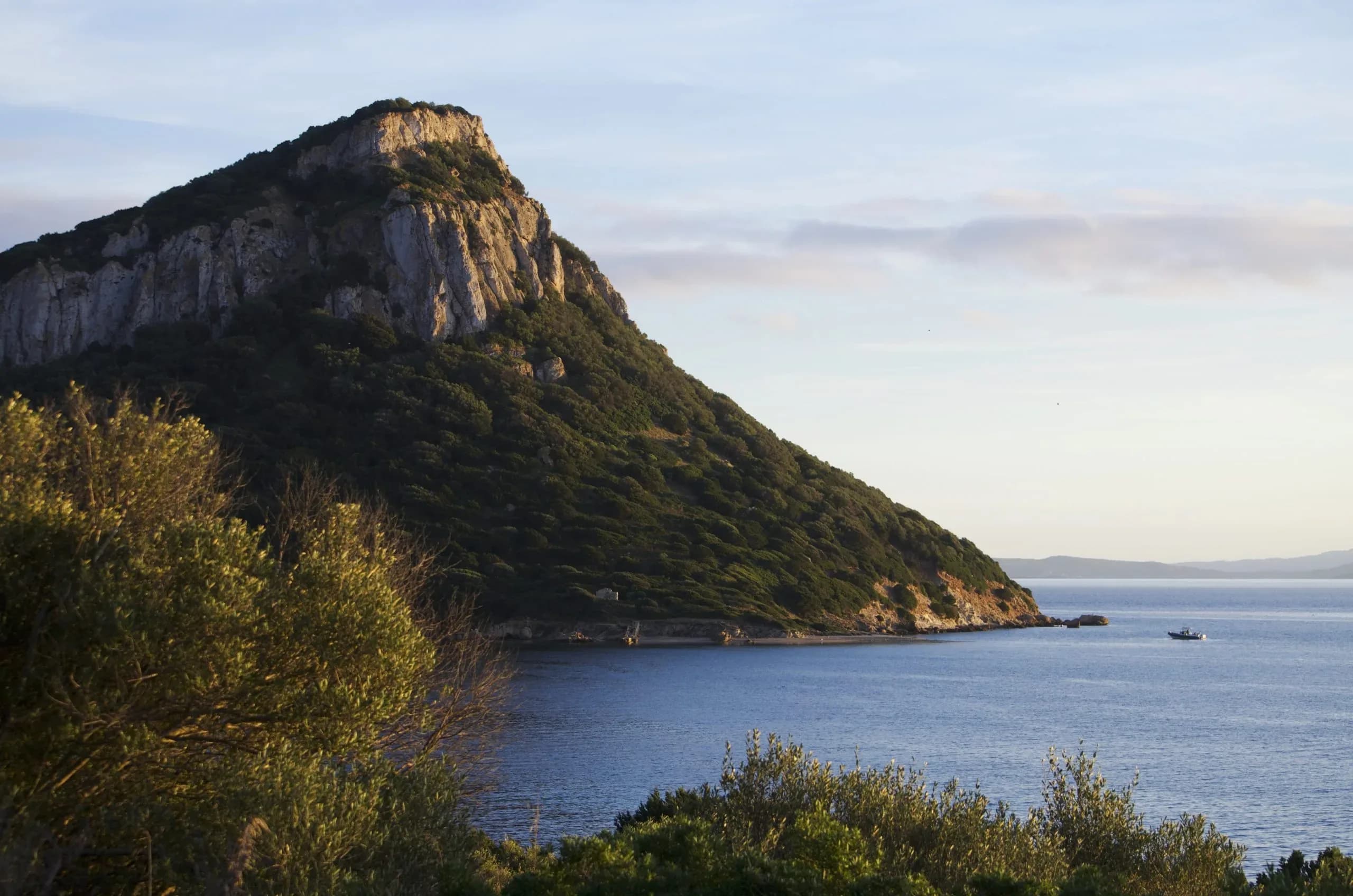
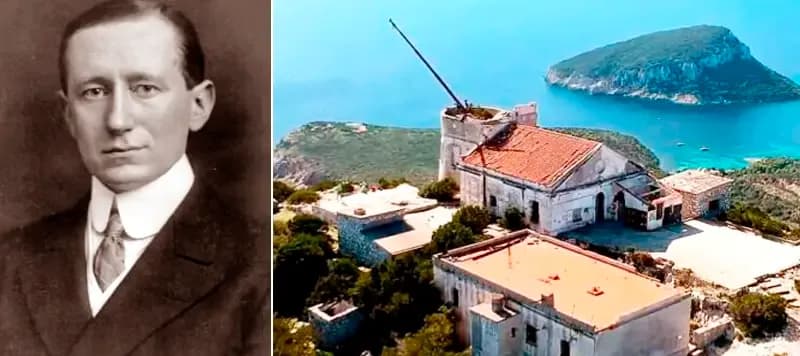
High above the rugged cliffs of Capo Figari, where the Tyrrhenian Sea opens into dazzling shades of turquoise, a quiet Sardinian headland became a global milestone. In the summer of 1932, Guglielmo Marconi used this panoramic summit to prove the power of shortwave radio. From Monte Figari, his signal leapt across the sky to Rocca di Papa near Rome, roughly 270 kilometers away, and showed the world how wireless communication could travel farther, faster and with remarkable clarity. It is here that the story of Marconi’s historic radio transmission from Capo Figari comes to life.
The dream that took flight over Golfo Aranci
By 1932, Marconi was already a Nobel laureate and a household name. He had spanned oceans with wireless telegraphy and linked continents with dots and dashes. Capo Figari represented his next leap forward. Shortwave radio was the frontier, a band of frequencies that could turn the atmosphere into a conductor and move voice and signal with precision over immense distances. If it worked as hoped, fleets at sea, aircraft in flight and remote stations around the globe could speak to each other with far less power and far greater reliability.
Capo Figari was chosen for its isolation and its sweeping elevation above Golfo Aranci. The headland rises into a natural amphitheater of granite peaks and Mediterranean scrub, with clean air and little man-made interference. On clear days you can see across the gulf to the island of Figarolo and beyond to the open sea. For a physicist who believed in the poetry of invisible waves, it was the right stage. 📡
The Elettra: a floating laboratory at anchor
Marconi did not arrive alone. Below the cliffs, his elegant yacht Elettra lay at anchor, gleaming white against emerald water. The Elettra was more than a pleasure craft. It was a floating laboratory equipped with generators, banks of valves and experimental aerials. From here Marconi tested antennas, refined receivers and honed transmitter designs that would shape communications for decades.
During that Sardinian summer, engineers and assistants worked day and night on the yacht and up at the mountaintop station. They strung experimental aerials, aligned directional antennas and choreographed precision transmissions to the receiving site in the Alban Hills near Rome. Locals recall the unusual silhouette of antenna masts against the sky and the yacht’s lights glimmering in the bay long after sunset. ⛵
The signal that bridged the Tyrrhenian
The experiment’s success was both technical and deeply symbolic. The radio signal traveled roughly 270 kilometers, about 170 miles, from Capo Figari to Rocca di Papa with remarkable fidelity. In practical terms, that meant shortwave could deliver reliable communication across seas and borders with modest equipment and power. In human terms, a barrier had fallen. The sea, once a tall wall between communities, became a medium that carried voices and ideas with ease.
Marconi’s transmission from Capo Figari helped validate the promise of shortwave for maritime safety, naval coordination and civilian communication. It also accelerated research into directional antennas and portable stations that would later influence aviation links and international broadcasting. The Sardinian headland had proved an ideal lab, transforming the horizon from a limit into a launch point.
Walking into history: visiting Capo Figari today
Today the summit remains a captivating place to explore. You can walk the same paths, feel the same wind that rushed past Marconi’s antenna masts and stand at the ruins of the old signal station known as the Semaforo. The landscape has changed little, and that is part of its magic.
The hike
- Start point: Cala Moresca, just outside Golfo Aranci. There is a signed trail toward the Semaforo di Capo Figari.
- Distance and time: about 6 to 8 kilometers round trip, depending on your route, with roughly 300 to 350 meters of elevation gain. Plan 2 to 3 hours at a relaxed pace.
- Trail character: a mix of gravel track and rocky footpath. Sturdy shoes recommended.
- Views: Golfo Aranci and Figarolo to the west, the open Tyrrhenian Sea to the east, and on clear days long sightlines toward the Gallura coast.
From the Cala Moresca car park, the track climbs steadily through cistus, juniper and wild olive, shaded at times by pine. The final approach to the Semaforo opens to panoramic views that make every step worthwhile. 🥾
What you will see up top
- Semaforo di Capo Figari: the remains of the old signal and observation post, once used for maritime traffic. This is where you will find the most evocative vantage points for imagining the experiment.
- Marconi site traces: simple structural remnants and occasional signage that reference the 1932 tests. The station is not a museum, so take a moment to absorb the site in context with the view.
- Wildlife and flora: look for peregrine falcons, Sardinian warblers and, on luckier days, mouflon moving across the slopes. In spring the macchia explodes with color.
Below the cliffs, the protected waters around Figarolo are home to dolphins. Keep a respectful distance if you spot them from shore or boat. 🐬
Best time to go
- Spring and autumn: ideal temperatures, clear air and far fewer crowds.
- Summer: start early or go for golden hour. The light is spectacular, but midday heat can be intense.
- Winter: often crisp and bright. Check the forecast and be prepared for wind.
Practical tips
- Parking: limited spaces at Cala Moresca, sometimes with seasonal access controls. Arrive early.
- Gear: water, sun protection and a light jacket. Wind can pick up quickly at the summit.
- Safety: the cliffs are sheer in places. Keep to marked paths and supervise children closely.
- Guides and transfers: for a seamless experience, consider a private hiking guide or a driver from your hotel in nearby Porto Rotondo or Olbia. It is about 30 minutes from Olbia by car.
Make it memorable: elevated experiences around Golfo Aranci
- Private boat charter: trace the coastline beneath Capo Figari, pause in secluded coves and toast the view where the Elettra once anchored. Late afternoon departures pair beautifully with a sunset at sea. 🌅
- Sunset hike with aperitivo: time your walk to arrive at the Semaforo as the sky turns copper and rose. A chilled Vermentino and a few local delicacies add a celebratory note.
- Wellness and stay: choose a boutique hotel with a spa in Golfo Aranci or Porto Rotondo. A post-hike massage followed by a seafood dinner sets a refined rhythm for the evening.
- Fine dining: book a table at a quality seafood restaurant along the waterfront. Ask for the catch of the day and a glass of Gallura’s finest.
Context for the curious
What exactly made Marconi’s work at Capo Figari stand out? Shortwave radio allowed signals to be refracted by the ionosphere, effectively skipping around the curvature of the Earth and extending range far beyond line of sight. The experiments at the headland tested this principle with directional antennas and careful frequency selection, proving that robust long-distance communication could be achieved with relatively compact equipment. The success reinforced the strategic importance of shortwave for maritime services and helped steer global adoption in the years that followed.
A legacy carved in the wind
Stand at the summit and look toward the mainland. The view to the Lazio hills is far, but the idea that traveled from Capo Figari in 1932 went much farther. Marconi’s historic radio transmission from Capo Figari did more than reach Rocca di Papa. It helped shrink the world and inspired a century of innovation, from ship-to-shore contact to international broadcasting.
Golfo Aranci, once a quiet fishing village, became part of communications history, and the headland remains a place where science and scenery feel inseparable. Listen closely and you might catch what so many visitors sense up there: a faint, timeless hum of discovery carried on the Sardinian breeze.
If you are planning an itinerary along the island’s northeast, leave a morning or an evening for Capo Figari. The walk is rewarding, the story is compelling and the panorama lingers long after you have descended. For travelers who appreciate both heritage and high style, it is a Sardinia essential.