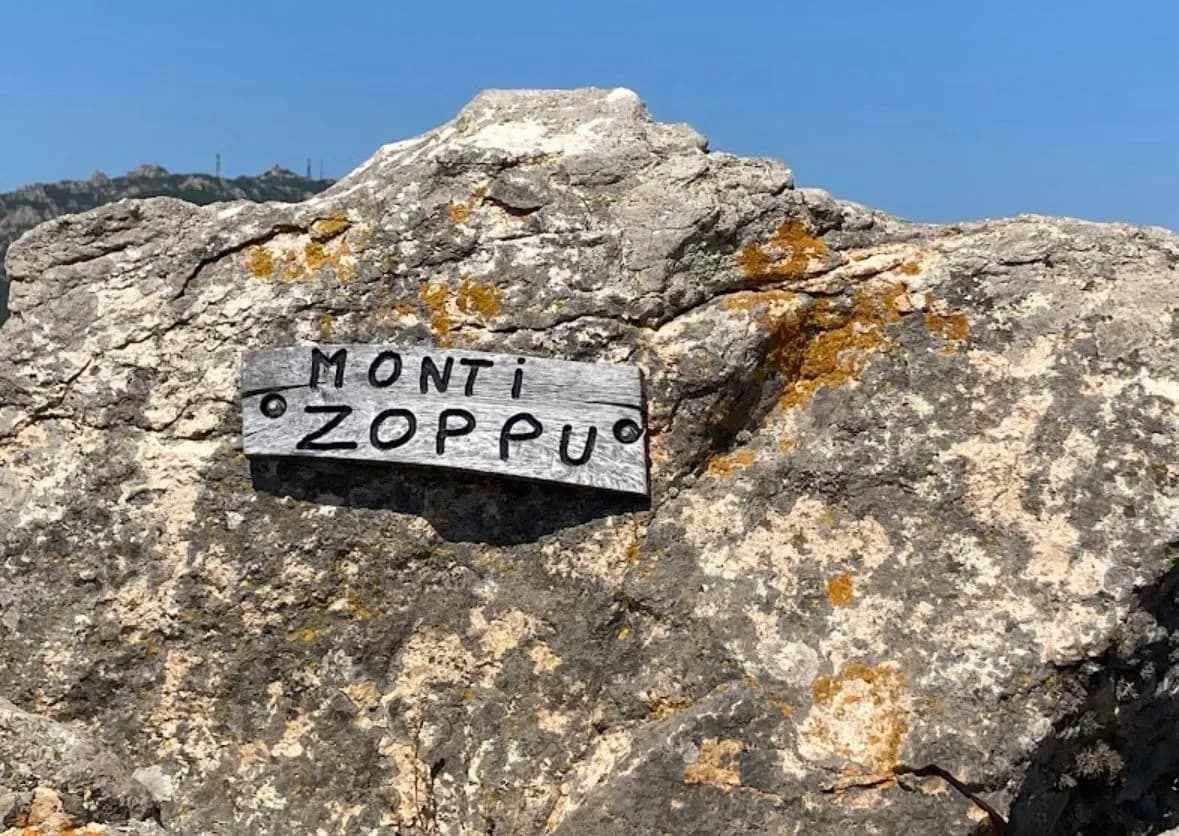

Monti Zoppu at a Glance
Just inland from the Costa Smeralda, Monti Zoppu rises in sculpted granite and low, fragrant scrub. The mistral shapes the rock into arches, bowls, and soft tafoni cavities. Light does the rest. Dawn blushes pink on the stone, midday turns it honey-gold, and sunset brings deep purples over the sea.
This is a quiet place to slow down. You hear cicadas, smell myrtle and cistus, and watch the coast gleam in the distance while Gallura’s round hills roll away behind you. It feels both wild and welcoming.
Trails, Views, and the Best Times to Go
Paths are informal but clear enough, following sheep tracks and granite slabs. Expect short ups and downs rather than a single summit push. The reward is a broad panorama: the islands off the Costa Smeralda to one side, and inland, the patchwork of vineyards, cork oak, and old farmsteads.
Difficulty and timing
- Difficulty: Easy to moderate. 1.5 to 3 hours depending on your loops and photo stops.
- Footing: Granite slabs can be smooth. Wear shoes with good grip.
- Shade: Minimal. Start early or go after 4 pm in summer for softer light and cooler air.
- Seasons: Spring and autumn are ideal. Winter is crisp and clear. In summer, carry extra water.
Safety and respect
- Stay on existing paths and avoid crossing gates into signed private land.
- High fire risk in dry months. No smoking or open flames.
- Leave no trace. Do not stack rocks or disturb plants.
How to Get There
Monti Zoppu sits between the coast and the inland hills of Gallura, within easy reach of San Pantaleo, Arzachena, and Olbia.
By car
- From San Pantaleo: Allow 10 to 20 minutes to reach the trail area on country lanes. Use offline maps and common sense on unpaved stretches.
- From Arzachena: Around 25 minutes, depending on your chosen access.
- From Olbia: About 35 to 45 minutes. Car is the simplest option for flexibility.
By bus
ARST buses connect Olbia, San Pantaleo, and Arzachena, but services are limited and do not reach trailheads directly. If you rely on public transport, base yourself in San Pantaleo and book a local transfer or taxi to the start of your walk.
A Simple Day Trip Plan
This plan balances nature, culture, and a swim. Adjust times to the season and your pace.
- 8:30 am: Coffee in San Pantaleo’s main square. If it is Thursday, browse the morning market for local produce and crafts. Look beyond the stalls to the permanent ateliers on side streets.
- 9:30 am to 12 pm: Drive to Monti Zoppu and walk an easy loop. Stop often. The point is to look, not rush.
- 12:30 pm: Lunch back in San Pantaleo or in Arzachena. Try simple Gallura dishes like zuppa gallurese and pane carasau with local cheese.
- 2:30 pm: Cultural stop. Visit Nuraghe La Prisgiona and the Giants’ Tomb of Coddu Vecchiu near Arzachena for a window into Bronze Age Sardinia.
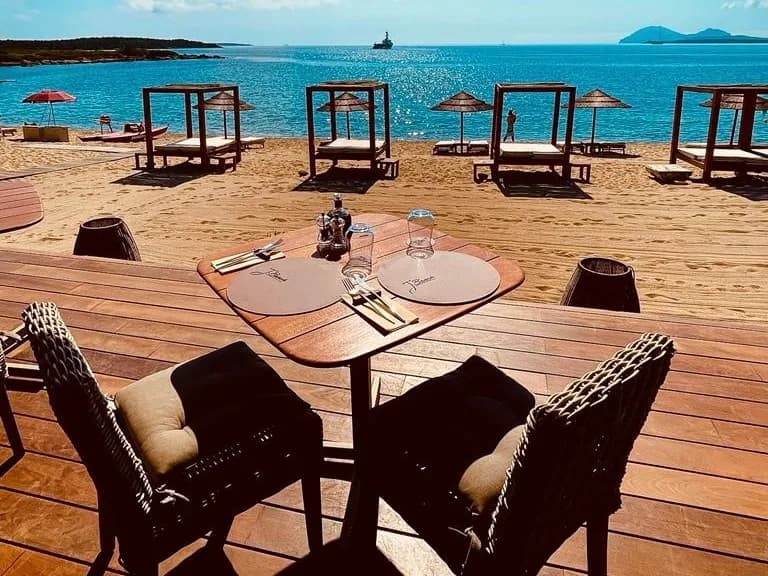
- 4:30 pm to sunset: Swim at a nearby beach such as Liscia Ruja or Rena Bianca. Photographers can return to Monti Zoppu for golden hour if energy allows.
Culture in Context: Nuraghi and Stazzi
Monti Zoppu sits in Gallura, where two stories run side by side. One is ancient. The Nuragic sites around Arzachena speak of skilled builders who aligned stone with sky and season. The other is rural. The stazzi, simple granite farmsteads set in fields of cork and pasture, shaped the local landscape and its rhythms.
Walking the granite here feels different once you have seen those stones fitted into towers, tombs, and houses. The rock is not just scenery. It is the island’s oldest library.
Authentic Shopping Tips
If you enjoy quality crafts, Gallura rewards patient browsing. Focus on workshops rather than souvenir racks.
- San Pantaleo: Visit year-round ateliers for ceramics, textiles, leather, and granite sculpture. Ask the makers about their process. On market days arrive early to avoid crowds.
- Aggius: Known for handwoven textiles. The village workshops produce rugs and tapestries in traditional patterns. Combine with a stroll through the historic center.
- Calangianus: Sardinia’s cork capital. Small workshops and the local cork museum give insight into harvesting and design.
- Jewelry: Look for fine filigree in reputable goldsmiths in Olbia or Tempio Pausania. Seek pieces in sterling silver or gold with clear hallmarks and ask for a certificate for higher-value items.
Buying well: choose natural materials, inspect finishes and stitching, and favor makers who can explain the origin of their cork, wool, or clay. It keeps your money in the local economy and your memories in daily use.
Photography Notes
- Golden hour makes the granite glow. Sunrise is quietest, sunset is moodier.
- Use a polarizer to deepen the sea’s blues. Watch for wind gusts on exposed slabs.
- Scale helps. Include a person or a lone juniper to show the size of the formations.
What to Pack
- Light hikers or trail shoes with grip, hat, sunscreen, and 1.5 liters of water per person in warm months.
- Thin layers. The mistral can be brisk even on sunny days.
- Offline maps, a small trash bag, and curiosity 🙂
Why Monti Zoppu Matters
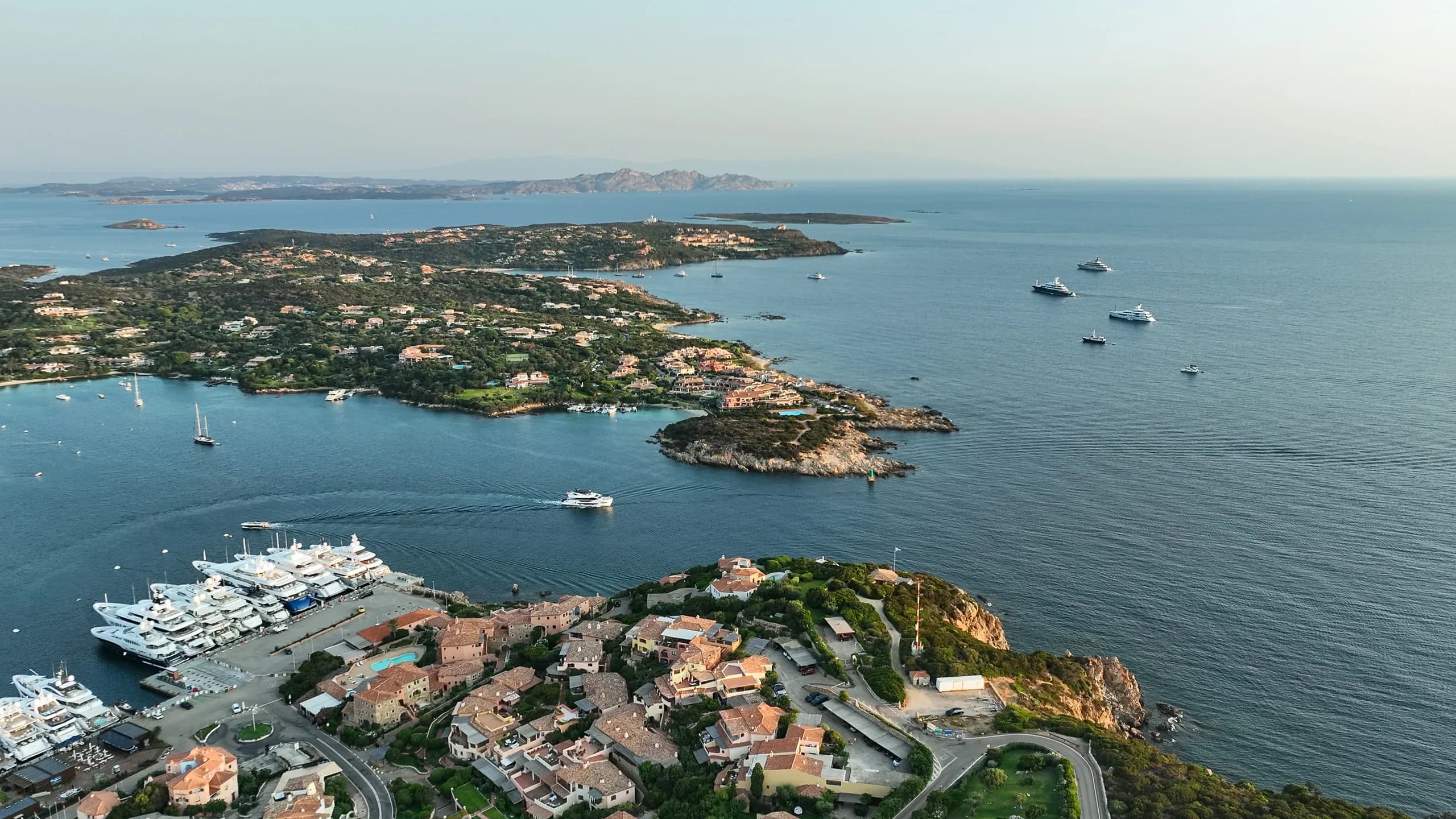
In a region famous for yachts and beach clubs, Monti Zoppu offers a different kind of luxury. Time, space, and silence. The granite holds heat from the day, the wind writes in the shrubs, and the coast shimmers just far enough away. Walk slowly. Let the place work on you. You will leave with a clearer picture of Sardinia’s soul.