
MuseumGallura

Museo etnografico Oliva Carta Cannas

Via Monti di Lizu, 6, 07020 Aggius OT, Italy

β˜… 4.6288 reviews on GoogleView on Google

Opening hours
  • Mon 10:00–13:00, 15:00–17:00
  • Tue 10:30–13:00, 15:00–17:00
  • Wed 10:00–13:00, 15:00–17:00
  • Thu 10:00–13:00, 15:00–17:00
  • Fri 10:00–13:00, 15:00–17:00
  • Sat 10:00–13:00, 15:00–17:00
  • Sun 10:00–13:00, 15:00–17:00
Map showing the location of Museo etnografico Oliva Carta CannasOpen full map β†’
Museo etnografico Oliva Carta Cannas
Photo: Museo etnografico Oliva Carta Cannas via Google

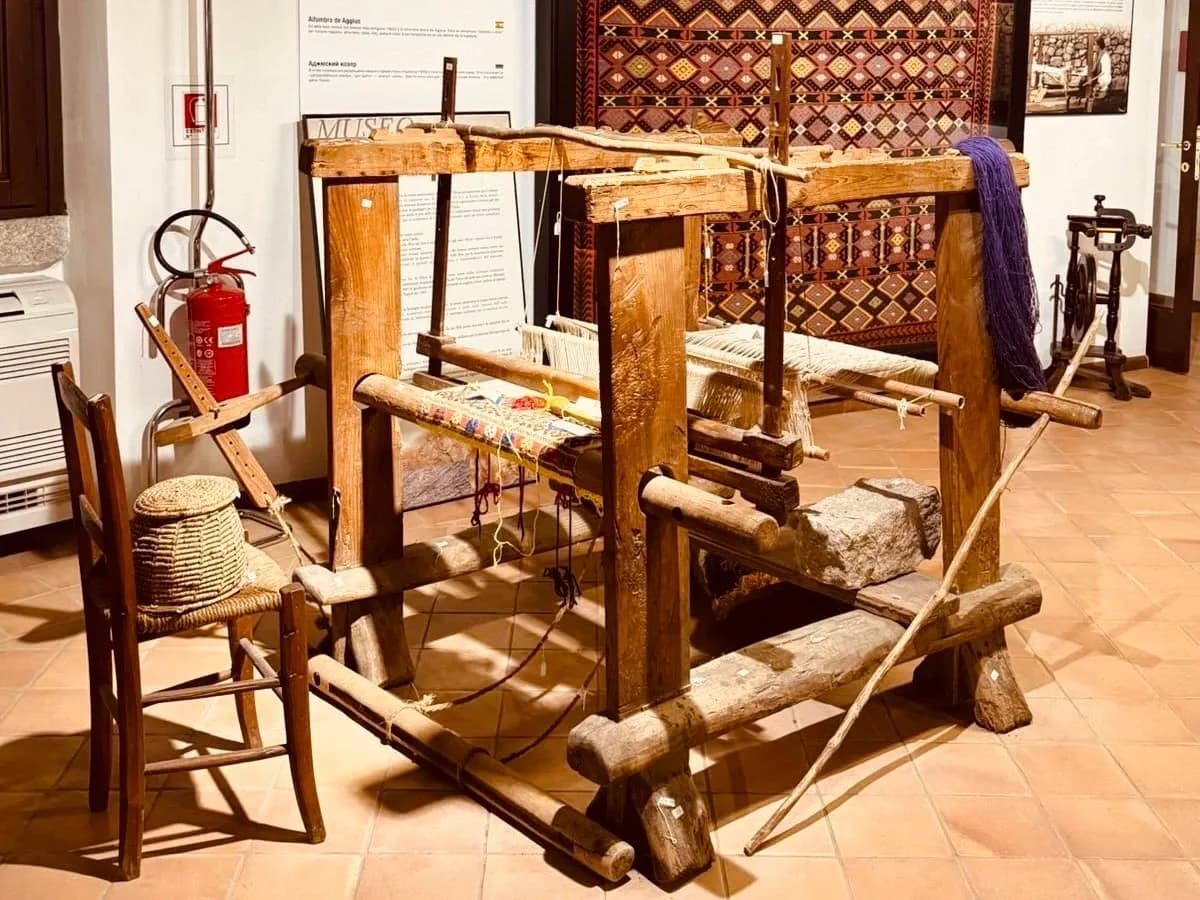
The Museo etnografico Oliva Carta Cannas sits in the historic centre of Aggius, in the Gallura region, and offers a detailed look at rural Sardinian life from past centuries. Its collection includes reconstructions of a traditional house and artisan workshops, along with tools, textiles, carts and household objects once used in daily life, cheese-making and farming.

A particular focus is placed on weaving, with looms and locally made carpets forming a notable part of the display. The museum can be visited together with the nearby Museo del Banditismo, which explores a different strand of Gallura's history, often with a combined ticket.

Visitors often mention the depth of the collection and the value added by knowledgeable guides, who bring context and local stories to the objects on show. The museum gives a tangible sense of how Aggius and the wider Gallura area lived before modernisation, making it a worthwhile stop for anyone interested in Sardinian traditions and craftsmanship.
What reviewers say

Visitors consistently praise the richness and careful presentation of the collection, which covers traditional Gallurese rural life, weaving, crafts and costumes through well-preserved reconstructions of a typical house and workshops. Many single out the guides, especially Luigi, for their engaging storytelling, anecdotes and knowledge of local history and traditions. Reviewers also appreciate the welcoming staff, the combined ticket with the nearby Museo del Banditismo, and demonstrations such as traditional carpet weaving.

Leave a review on Google

Read more