
What and Where
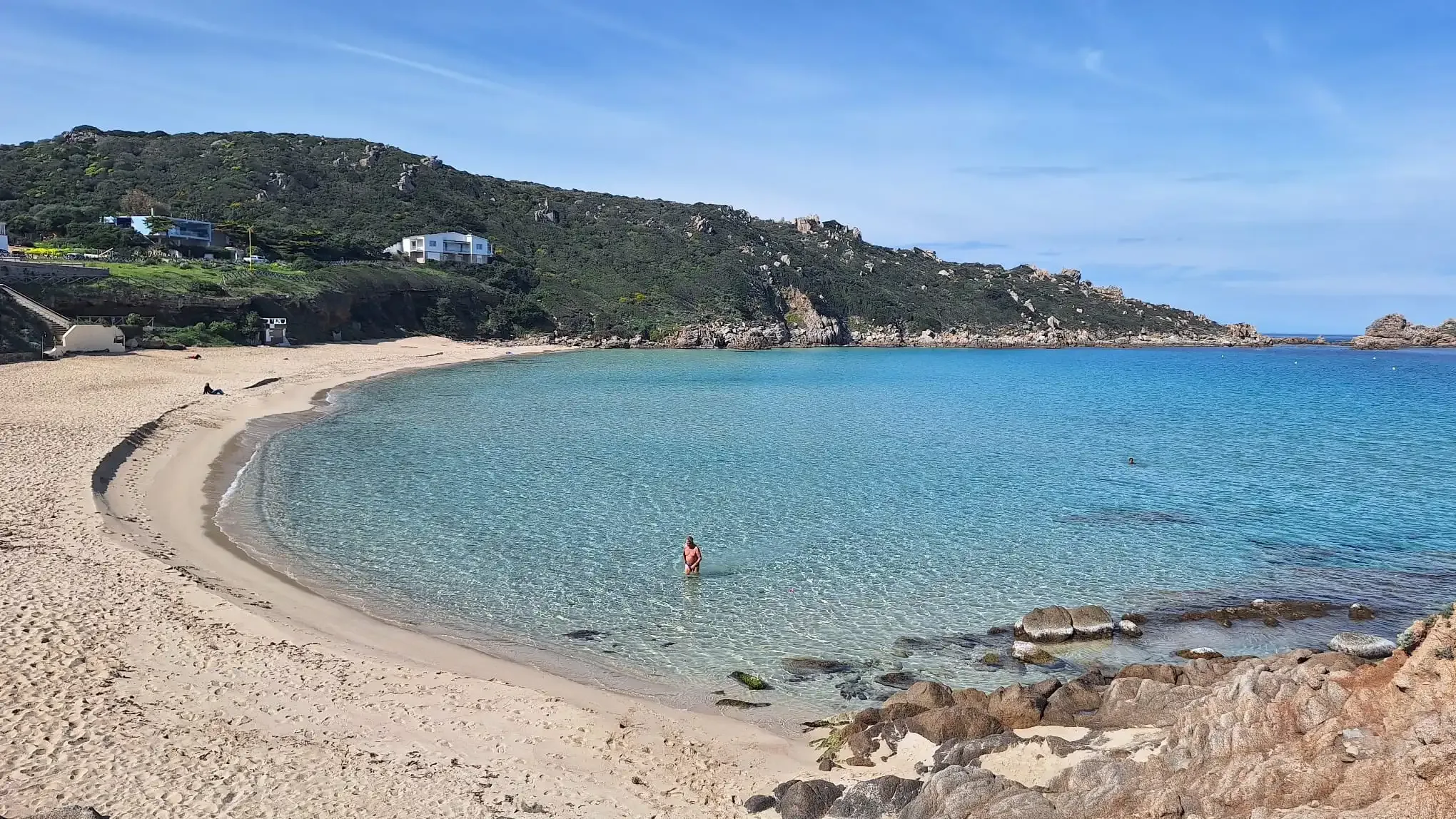
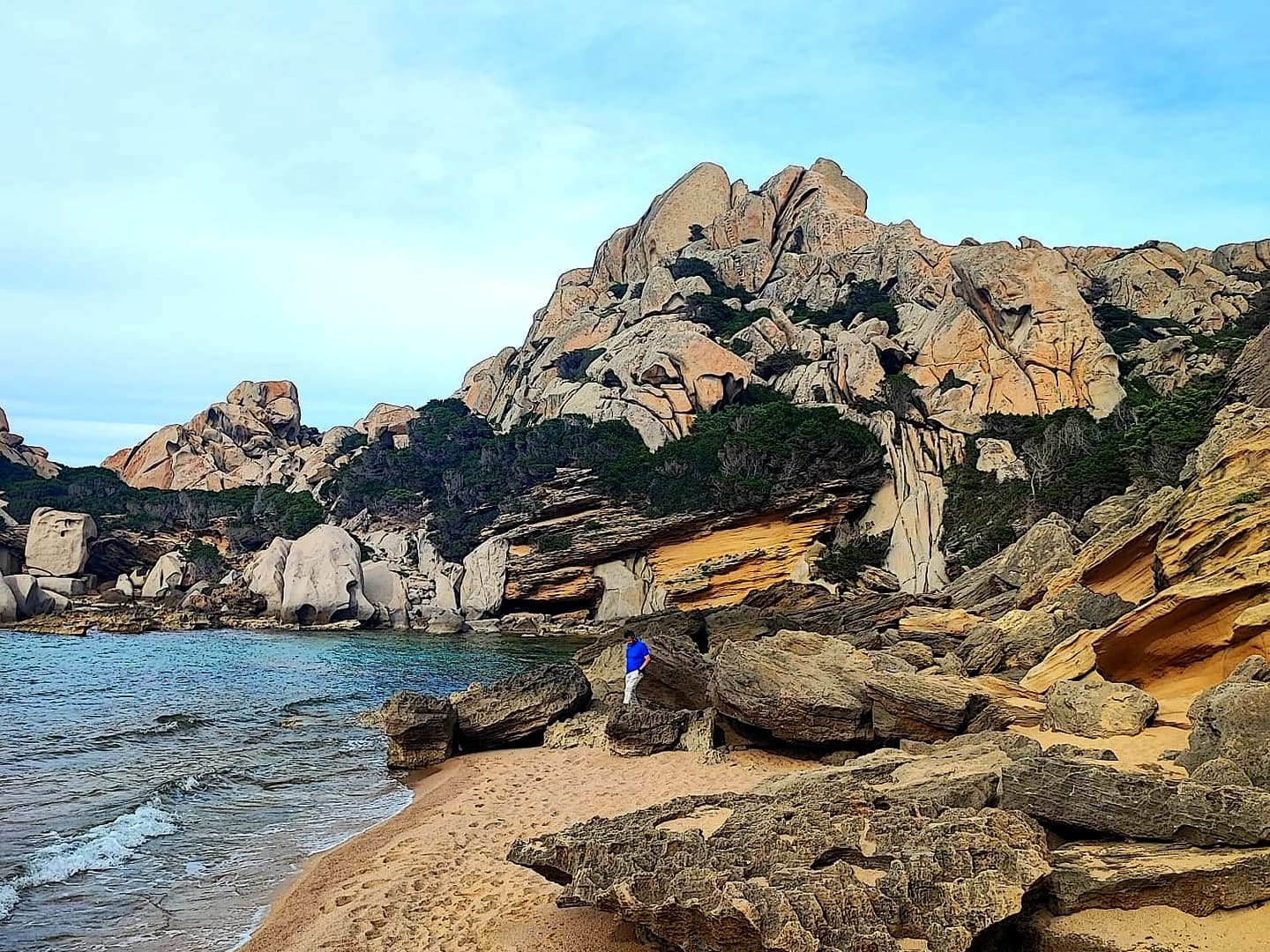
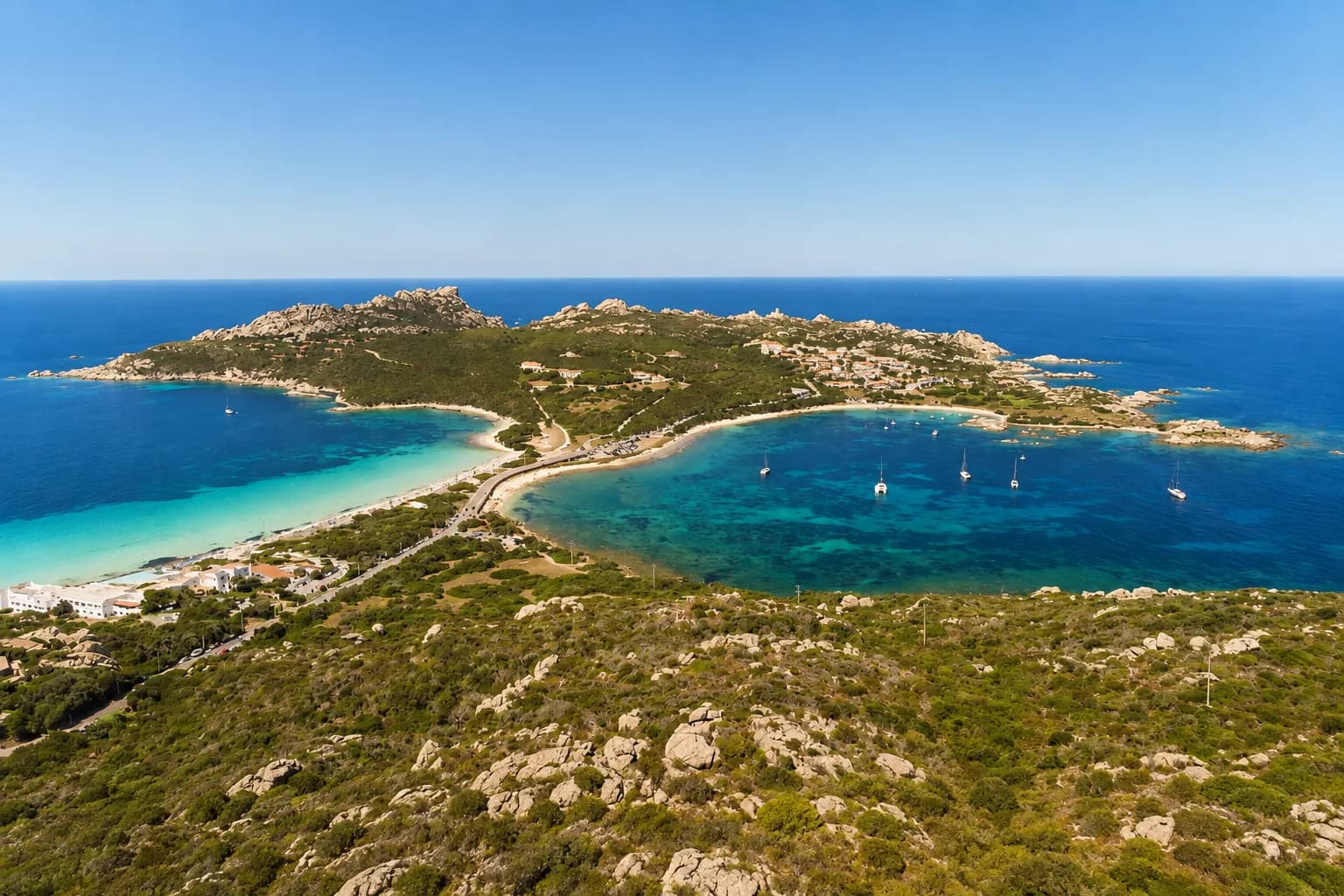
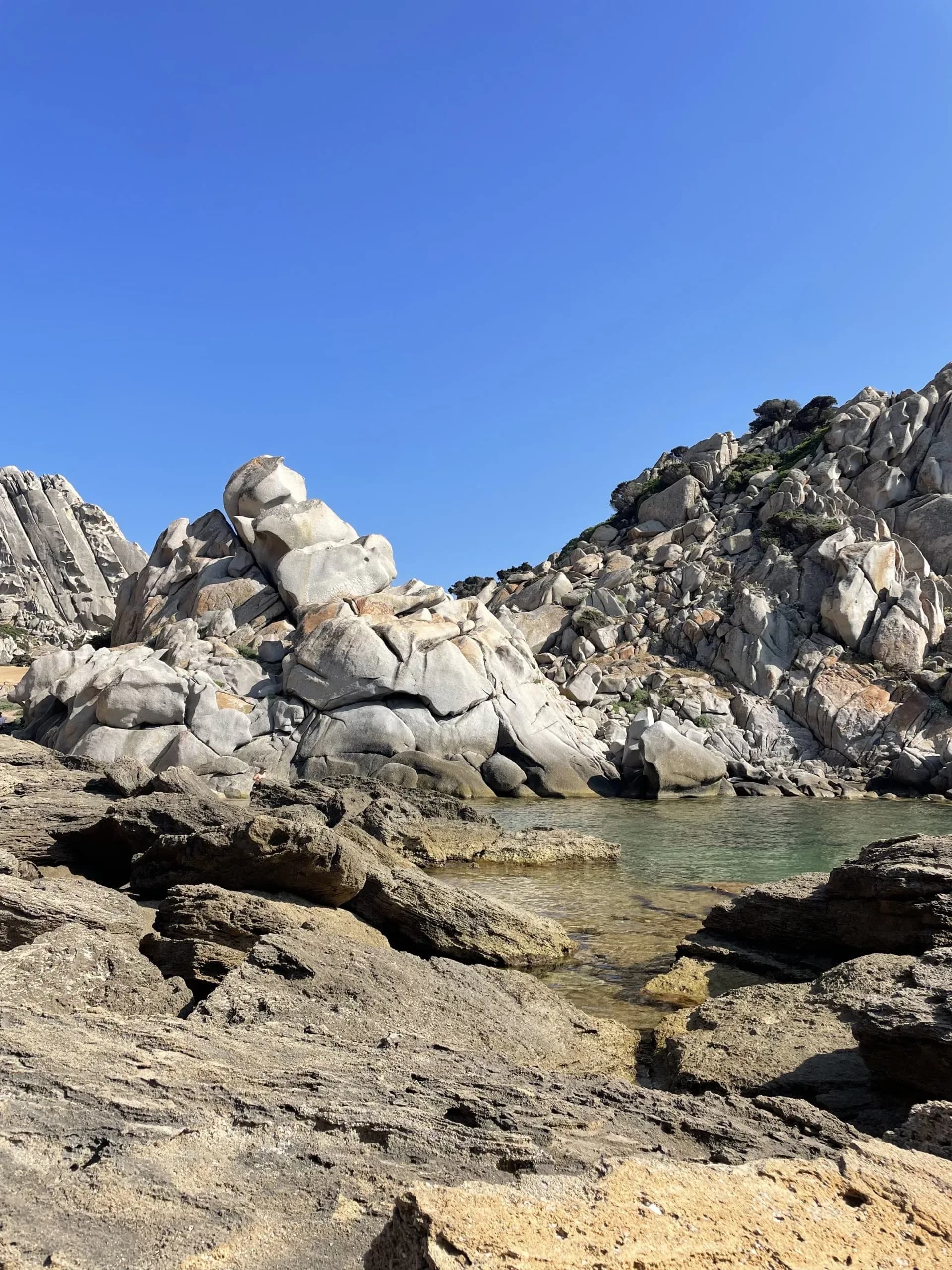
The Valley of the Moon is the local nickname for Cala Grande, a wild granite valley tucked into the Capo Testa promontory, just west of the town of Santa Teresa Gallura in northern Sardinia. Capo Testa’s wind-sculpted rock forms and small inlets define the landscape, according to the Capo Testa entry on Wikipedia here.
Capo Testa sits a short drive from the center of Santa Teresa Gallura, facing the Strait of Bonifacio. The area is exposed, beautiful, and very simple: there are no facilities and phone signal is patchy to non-existent inside the valley.
Getting There
By car
Drive toward Capo Testa from Santa Teresa Gallura. Park in the designated areas near the promontory. From the trailhead, it is about 20 minutes on foot to reach the valley floor. In peak summer, arrive early to find parking and walk in during the cooler hours.
By bus
Seasonal regional buses serve Santa Teresa Gallura, according to the island’s operator ARST arst.sardegna.it. From the stop in town, plan on a scenic walk of roughly 1 hour to Capo Testa and the valley entrance. Carry water and a hat; there is little shade.
On foot in the valley
Trails are informal and rocky. Expect uneven ground, short scrambles, and some route-finding as you move between coves. Sturdy closed-toe shoes are essential; flip-flops will slow you down and increase the risk of slips.
What to Bring
- Hiking or sturdy closed-toe shoes
- Backpack with at least 1.5–2 liters of water per person, sunscreen, and snacks
- Swimsuit, towel, and a light drybag for phone and keys
- Light layers for evening; the wind can pick up after sunset
Why It Feels Different
A lunar-like granite amphitheater
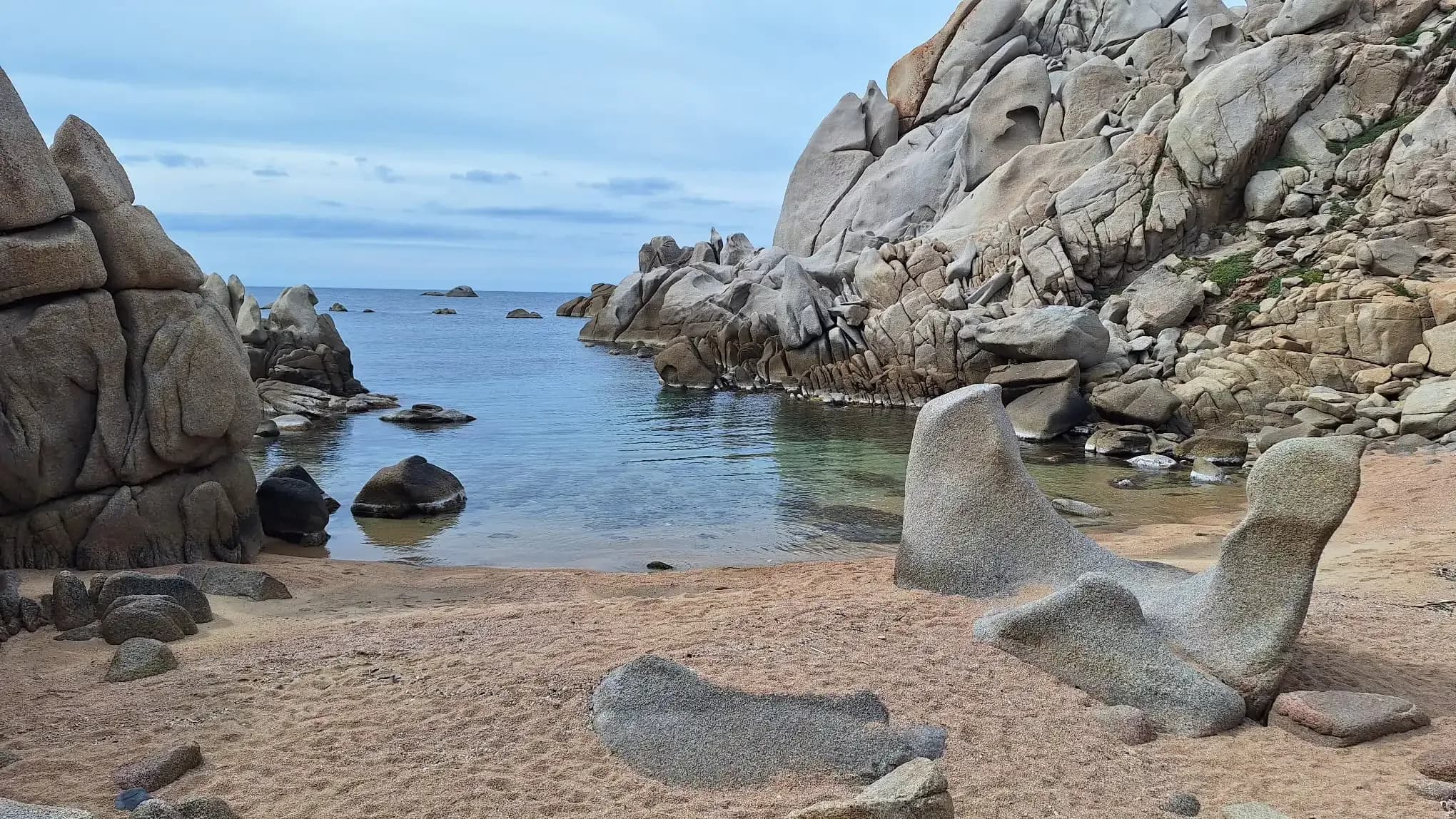
Granite boulders, smoothed by wind and salt, frame a string of small valleys that open to the sea. Under a full moon the rock takes on a pale glow, which is where the nickname comes from.
Disconnected and quiet
There is no phone signal inside most of the valley. It is a rare chance to slow down, read, and listen to the wind and sea.
Three main coves
- Cala di l’Ea (Water Cove): The first cove you meet, named after a nearby freshwater spring. Expect dark golden sand, deep green water, and juniper-framed rock.
- Cala di Mezzu (Middle Cove): Set between Cala di l’Ea and Cala Grande, separated from the first by the rock known as the 'Bear’s Paw' and sitting under Punta la Turri, also nicknamed 'The Skull'. Clear seabeds and a wilder feel.
- Cala Grande (Main Cove): The widest and best known. Coarse sand, emerald water, and good snorkeling. The final access involves scrambling and a short, steep descent. Expect to use your hands and pick your footing carefully.
Beyond these, the coastline is broken into seven small valleys divided by rock, with minor inlets and sea caves for those comfortable on rough terrain.
Swimming, Snorkeling, and Sea Conditions
Water clarity is excellent on calm days, with rocky seabeds that suit mask-and-snorkel exploring. Bring reef-safe sunscreen to protect your skin and the marine life. The area is exposed to wind, especially the mistral, which can raise chop and currents. If the wind is strong, choose a more sheltered cove or save swimming for a calmer day.
When to Go
- Spring and early summer: Lighter crowds, milder temperatures, blooming maquis.
- High summer: Busy on weekends and around full-moon nights. Walk in early or late for cooler temperatures and softer light.
- Autumn: Warm sea and quieter paths, but days are shorter.
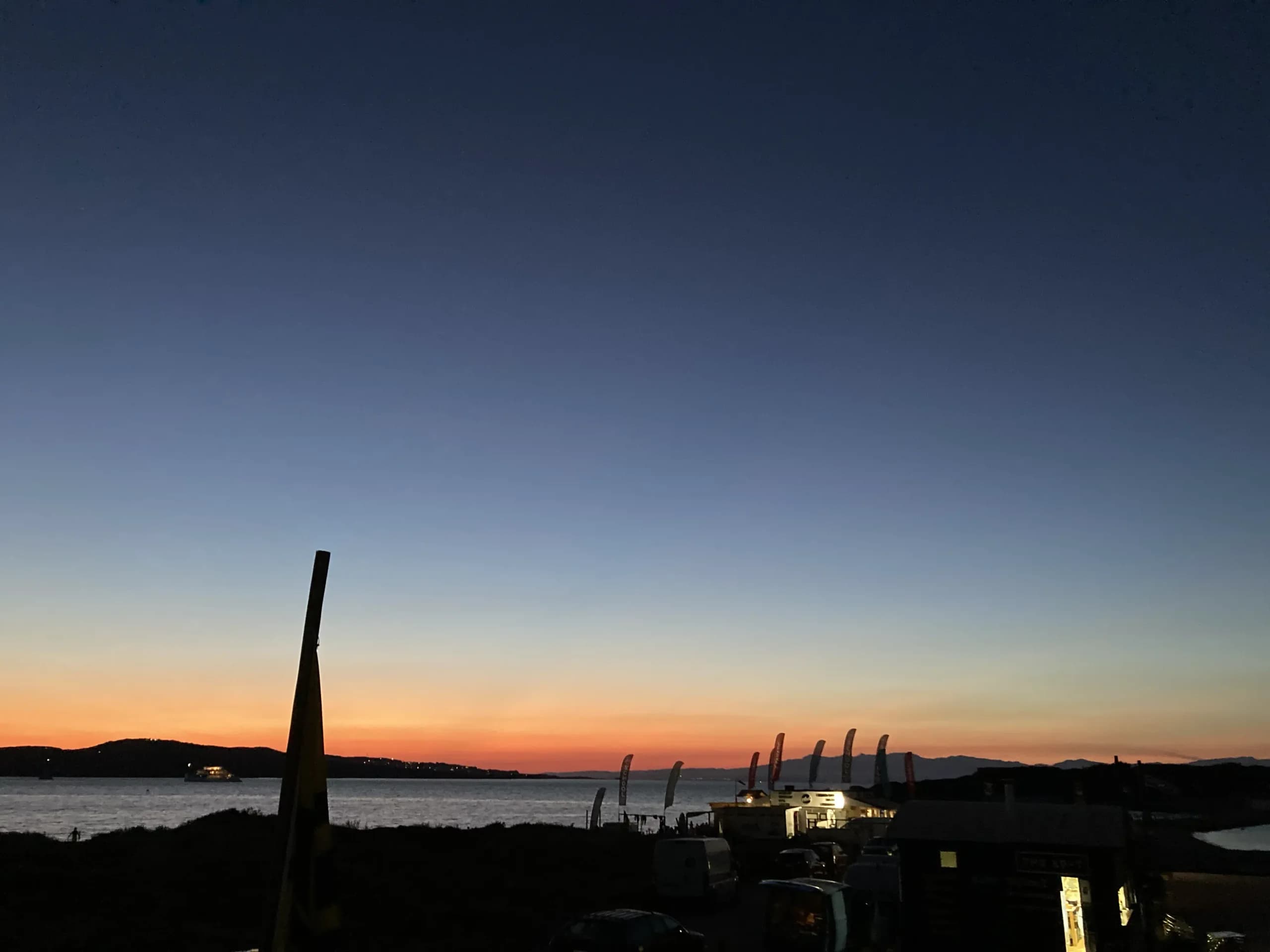
- After dark: On moonless nights you can see a dense field of stars, and on full moons the rock glows. Bring a headlamp for the hike out.
Respect the Place
You may notice hand-built stone shelters, painted rocks, and small totems. In summer, some people spend extended time here in a minimalist way, the 'invallati'. Please observe without disturbing or adding new structures.
There are no bins, bars, or bathrooms. Pack out all waste, including organics and tissues. Fires are prohibited, and cooking on open flames is unsafe in this dry, windy environment. Music travels far in the valley; keep noise low so everyone can enjoy the quiet.
Wild camping is not allowed on Sardinia’s coast. If you want to linger for sunset or stargazing, bring a warm layer and a headlamp, then return to official accommodations or campsites in or around Santa Teresa Gallura.
Safety and Comfort
- Footing: Rock slabs can be polished and slippery, especially if damp or with sand on top.
- Heat: Shade is limited. Start early, carry sufficient water, and use sun protection.
- Footwear: Closed-toe shoes for the trail; consider thin water shoes if you have sensitive soles on rocky entries.
- Navigation: Informal paths branch often. If unsure, follow the main sandy valley to the sea, then work coves one by one.
Nearby and Useful Links
Base yourself in Santa Teresa Gallura for services, restaurants, and transport. The lighthouse walk at Capo Testa makes a good add-on before or after your valley visit, with more on the promontory’s geology and setting described on Wikipedia here.
For regional buses and seasonal timetables to Santa Teresa Gallura, check the official operator ARST website. Schedules change between winter and summer.
Quick Checklist
- No facilities: bring water, snacks, and a bag for your trash
- Phone signal: mostly absent inside the valley
- Footwear: sturdy shoes for the approach and scrambles
- Respect: no fires, no new stone stacks or markings, leave what you find
- Timing: early morning or late afternoon for cooler temps and softer light 🌙
Planning more time in the north of Sardinia? Explore Santa Teresa’s town beaches, the Capo Testa lighthouse walk, and the wider Gallura coast. Our destination guides cover parking, winds, and quieter alternatives nearby.