
Across Sardinia, more than seven thousand nuraghi rise from the landscape, each a silent witness to the island’s Bronze Age genius. Among them, the Nuraghe San Pietro near Torpè in Baronia is a standout. It draws you in with its rare architecture and a very human story of devotion that helped bring the site back into the light.
What Makes This Nuraghe Special
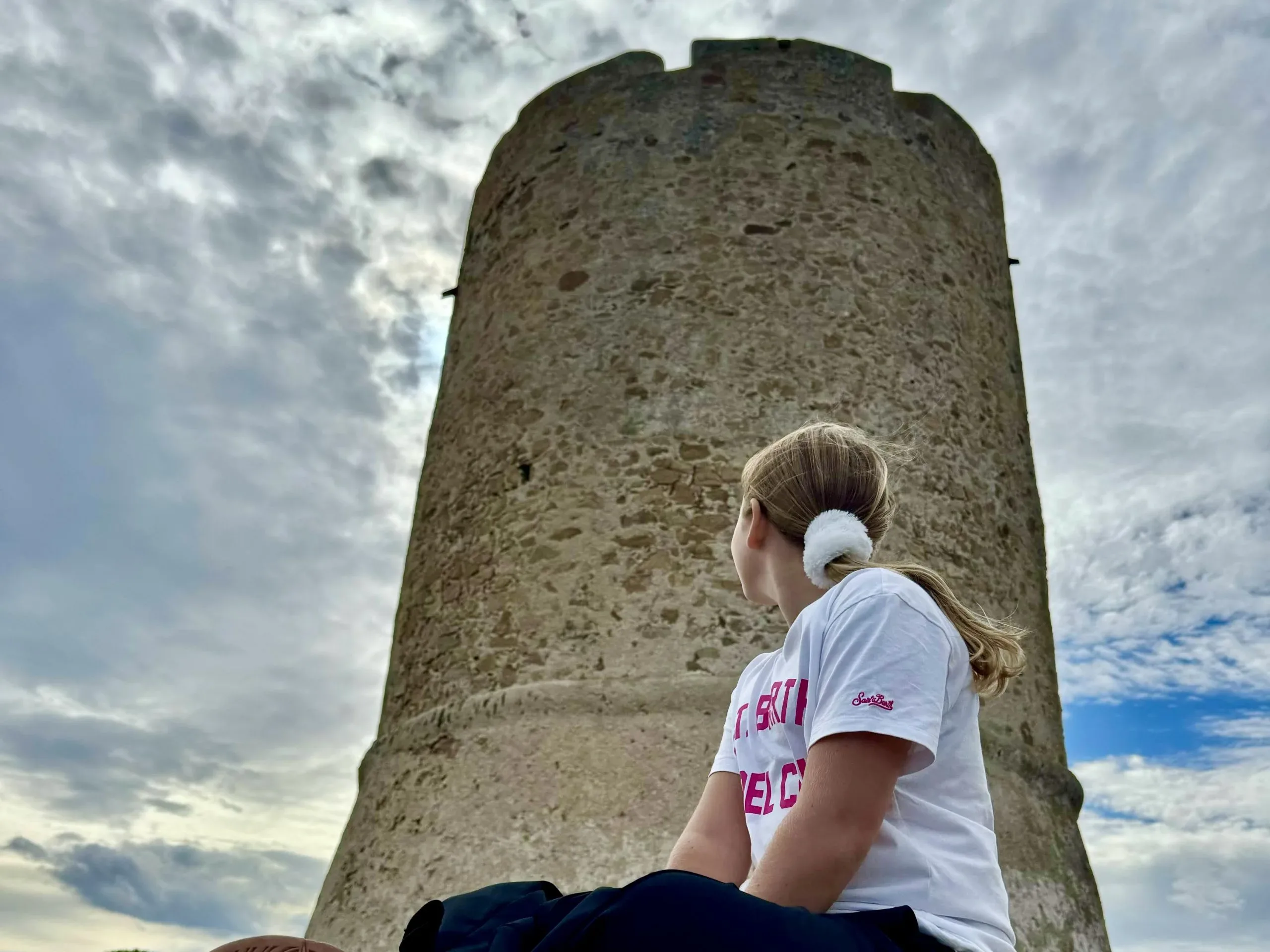
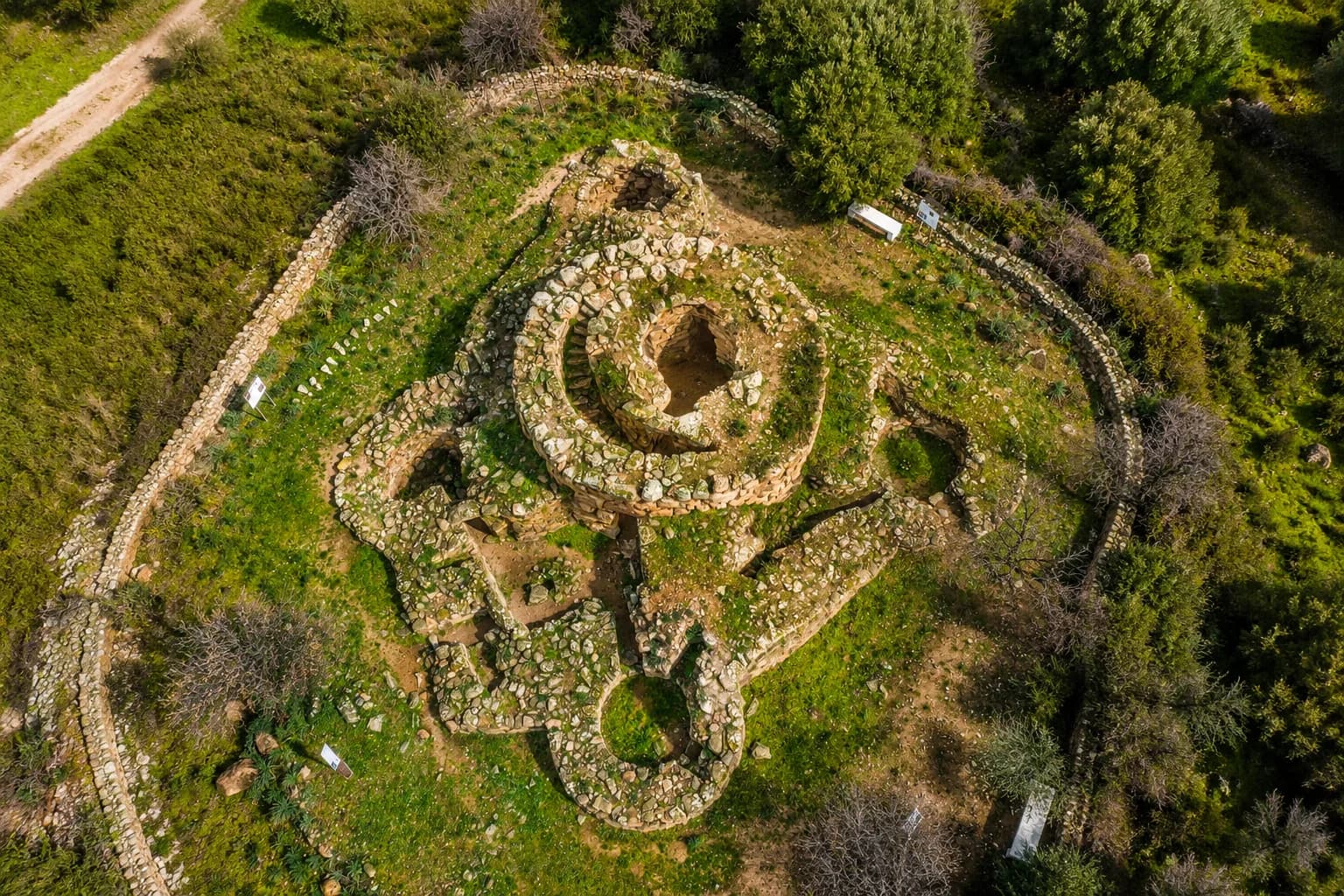
The Nuraghe San Pietro is a rare quadrilobate complex, meaning it has a central tower surrounded by four lateral towers. The main keep, or mastio, is built of impressive red trachyte blocks, while the side towers are fashioned from schist. This blend of stone gives the site a distinctive color palette, especially striking in late afternoon light. Approach from the south and you enter through a flat-arched doorway that leads to an internal corridor. At the heart lies a central chamber with three niches set in a cross pattern, a classic feature at several important nuragic sites. There is also a funnel-shaped well and an irregular courtyard where you can linger to appreciate the engineering and symmetry that have endured for millennia. 📸
A Personal Story of Devotion
This is a true story, told to me by a friend. Her stepfather was not an archaeologist by training, but he loved Sardinian history and especially the nuraghi around Torpè. Years ago, he came across a neglected site here, a nuraghe and a Giants’ Tomb nearby, hidden by brush and time. He could not bear to see it forgotten. He began to clear the land by hand, day after day. He added simple signs, traced small paths, and made the approach safer for curious visitors. He asked for nothing more than the pleasure of seeing people discover what he saw in the stones. As word spread, travelers arrived. Reviews were generous, and he felt proud to see the Nuraghe San Pietro appreciated. For a while, he even earned a modest income that helped maintain the paths and signage. In time, the authorities stepped in and management changed hands. Without the legal protections to keep his role secure, he had to step aside. Today the site is managed by others who benefit from the very work he started. It is a sad turn in an otherwise beautiful story, yet his care remains visible in the experience many enjoy at the Nuraghe San Pietro. ❤️
Visiting Nuraghe San Pietro Today
Set just outside the village of Torpè in the Baronia region, the Nuraghe San Pietro is an easy half-day outing, especially if you are staying along the northeast coast. Olbia is roughly a 45 to 60 minute drive, Nuoro about the same. The landscape around Torpè and nearby Posada is a gentle mosaic of hills, river valleys, and farmland, dotted with Mediterranean scrub.
What to Look For
The south-facing entrance with its flat arch, a hallmark of careful Bronze Age craftsmanship
The central chamber with three cross-shaped niches, perfect for studying the dry-stone technique
The funnel-shaped well, a reminder of the community that once thrived here
The irregular courtyard, which gives a sense of scale to the quadrilobate plan
Contrasting stones, red trachyte and schist, glowing at golden hour 🌅
Practical Tips
Footwear: Wear sturdy, closed shoes. Paths can be uneven and rocky.
Sun and heat: Bring water, sunscreen, and a hat, especially from late spring to early autumn.
Light: A small torch or phone light is useful for peering into niches and the corridor.
Photography: Morning and late afternoon bring the best light on the red trachyte.
Respect: Do not climb on the walls or move stones. These dry-stone structures rely on perfect balance.
Families: Keep an eye on little ones. There are steps, drops, and rough edges.
Accessibility note: Surfaces are uneven, with narrow passages and steps. Those with limited mobility may find access challenging.
How Long to Allow and When to Go
Most visitors spend 30 to 60 minutes exploring the Nuraghe San Pietro at a relaxed pace. Add time if you enjoy photography or tracing the footprint of the outer towers.
Best seasons: Spring and autumn for mild temperatures and clear skies.
Summer: Visit early in the morning or close to sunset to avoid midday heat.
Rainy days: The stones can be slippery, so tread carefully. 🌿
Putting the Site in Context
Sardinia’s nuraghi are among the Mediterranean’s most compelling archaeological legacies. Built during the Bronze Age, they were likely multipurpose: defensive outposts, community hubs, possibly religious spaces. The Nuraghe San Pietro’s quadrilobate plan suggests a complex, well-organized community with the resources and craftsmanship to build on a grand scale.
Nearby Places to Combine With Your Visit
Torpè village: Stop for a coffee in the main square and enjoy a taste of local life.
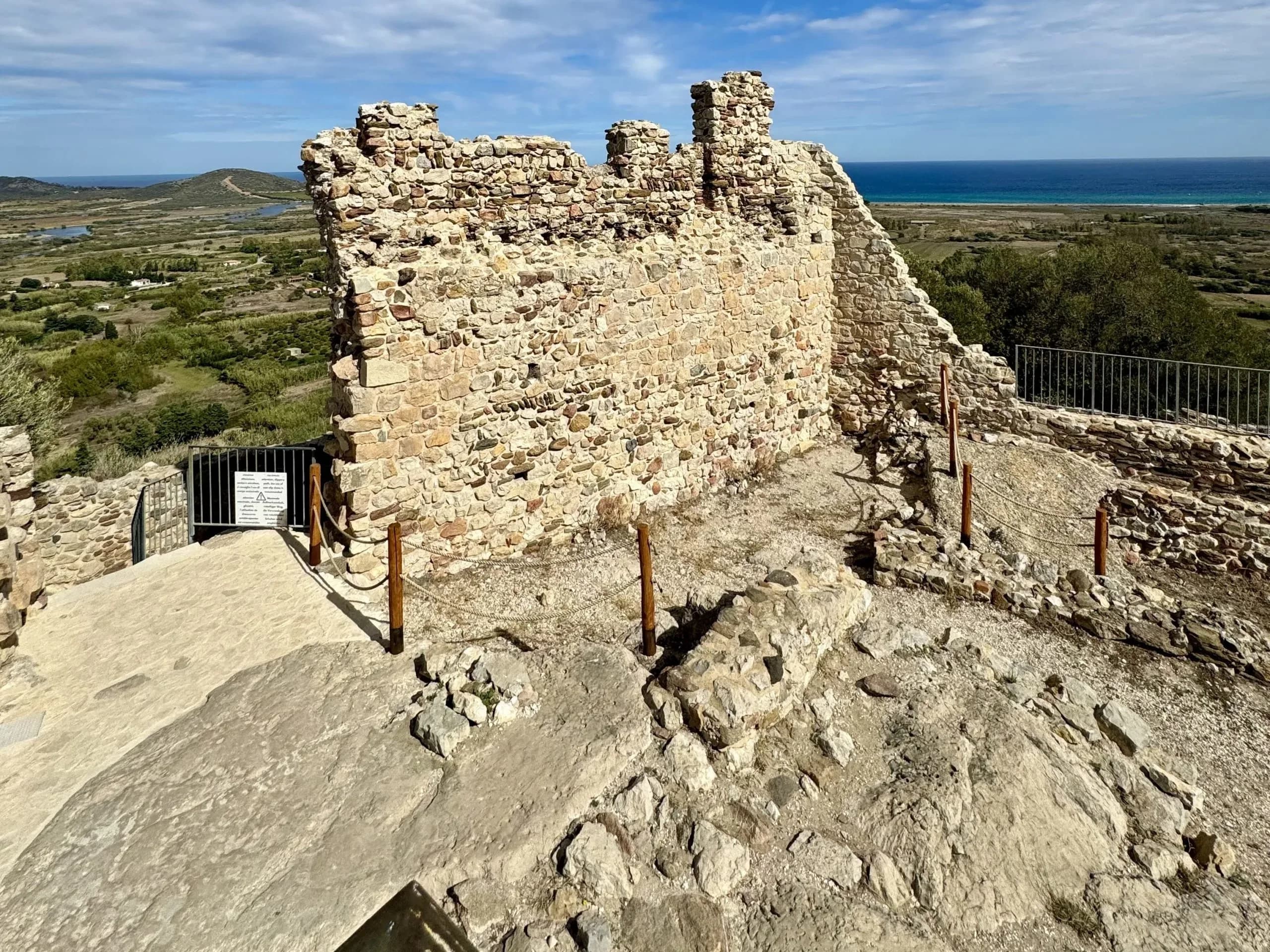
Posada: Wander the medieval lanes up to the Castello della Fava for panoramic views over the coast.
River and countryside walks: The valleys around Torpè and the Posada river basin offer peaceful trails amid cork oak and Mediterranean maquis.
Beaches: The coast near Posada and La Caletta rewards with big skies, dunes, and long sandy stretches.
Final Thoughts
The Nuraghe San Pietro offers two gifts at once. First is the architecture itself, a rare and beautiful expression of Sardinia’s ancient culture. Second is the reminder that many heritage places survive thanks to quiet, personal dedication. Even though the stewardship of the site has changed, the spirit of care that returned it to visitors still echoes in every path and sign. If you love history, craftsmanship, and landscapes that invite you to linger, set aside an hour for the Nuraghe San Pietro. Let the stones speak, and carry the story forward with respect for those who built it, and for those who helped it come alive again for today’s travelers. ✨