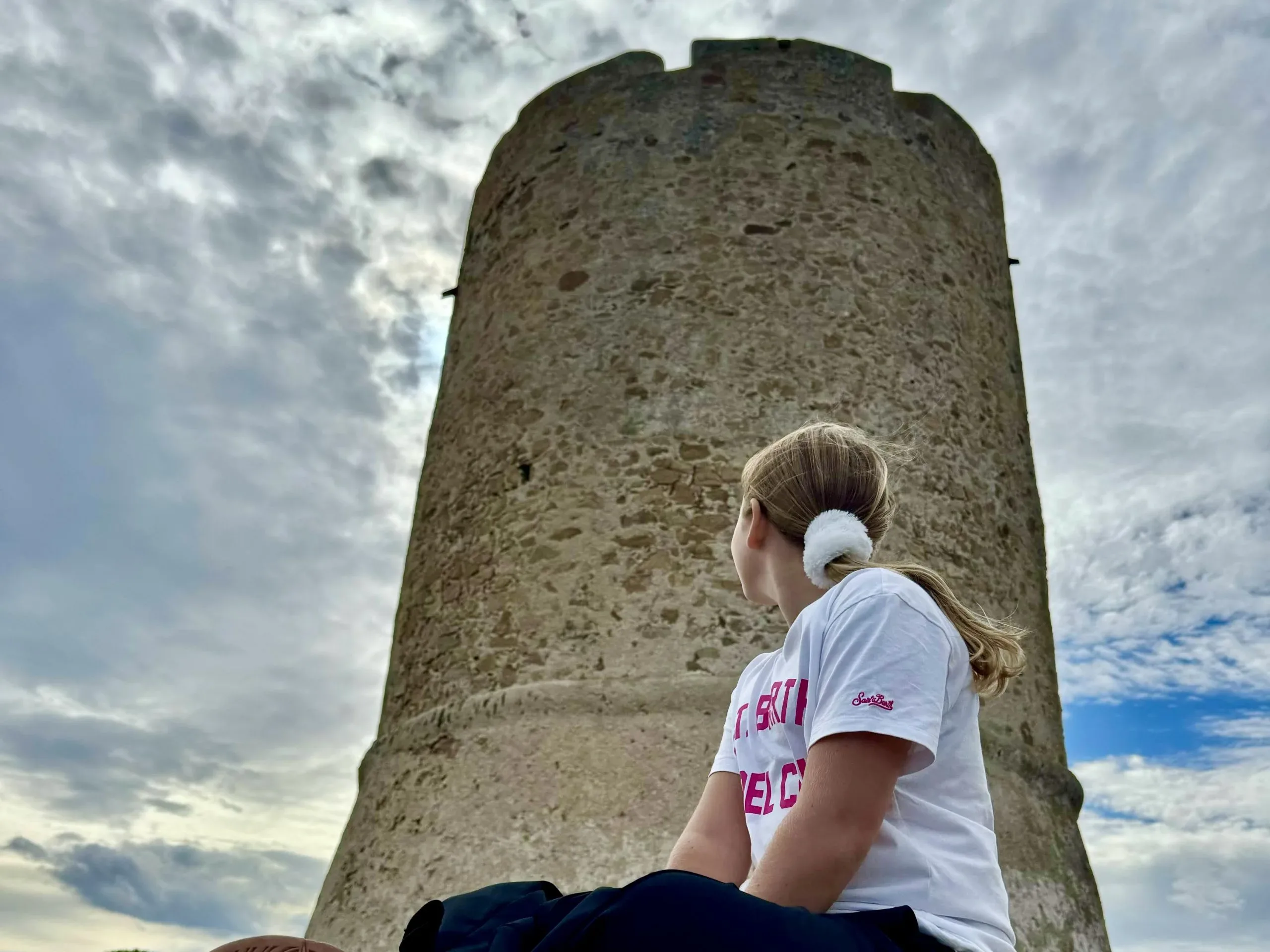
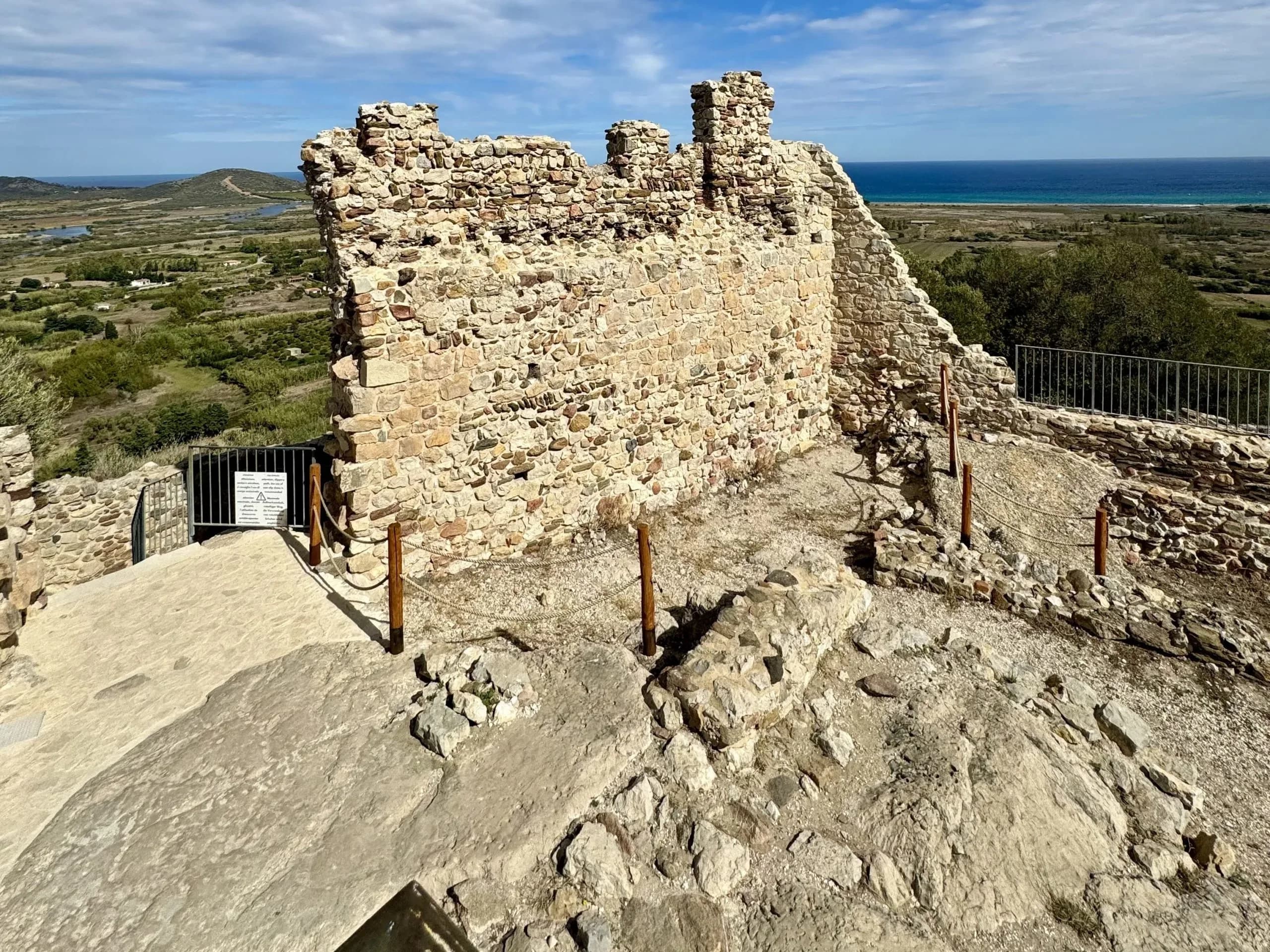

Above the white houses of Posada, a slender tower keeps watch over the river plain and the sea. Castello della Fava is a small place with a big story, and the walk up through the medieval lanes is half the pleasure. Come for the legend, stay for the view, and give yourself time to wander the village after. 🏰
Stories in the stone
Posada grew around a hill that once guarded the coastal routes. The castle’s job was simple: see far, signal fast, and protect the granaries and harbor below. Locals still tell the castle’s most famous tale, the one that explains its name. During a siege, the defenders fed their last fava beans to a pigeon and sent it flying toward the enemy camp. Seeing the bird heavy with food, the attackers assumed the garrison had full stores and lifted the siege. The trick worked, and the name stuck, as retold by Sardegna Turismo here.
Getting there and the climb
Posada sits on the SS125 between Olbia and Orosei. Park below the historic center and follow the signed lanes upward. The path is stepped and stony, with short, steeper sections. Most people reach the tower in 10 to 20 minutes, pausing for photos in the archways and small squares.
The castle typically opens spring to autumn, with the soft light of early morning and late afternoon ideal for the climb. In summer, avoid the hottest hours. There is a modest entry fee to access the tower; small change is handy.
Posada is a member of Italy’s “Most Beautiful Villages” network, which helps preserve its historic core and view corridors, according to the Borghi più belli d’Italia association here.
The view: river, dunes, and open sea
From the ramparts you read the landscape like a map: the Rio Posada winding through fields, the dunes and beaches of Su Tiriarzu and Orvile, and the pale line of the Tyrrhenian. Much of this mosaic forms part of the “Tepilora, Rio Posada and Montalbo” UNESCO Biosphere Reserve, recognized for the mix of river, coastal, and mountain habitats here.
A clear half-day plan
Morning in the village and castle
- 09:00 Coffee in the lower piazza. Glance up at the tower to gauge the path.
- 09:30 Walk through the stone alleys toward the summit. Take your time in the shade of the arches.
- 10:00 Castle visit and tower climb. Allow 30–45 minutes for views and photos.
- 11:00 Wander the historic lanes back down, stopping at the small churches and lookouts.
Lunch and an easy coastal afternoon
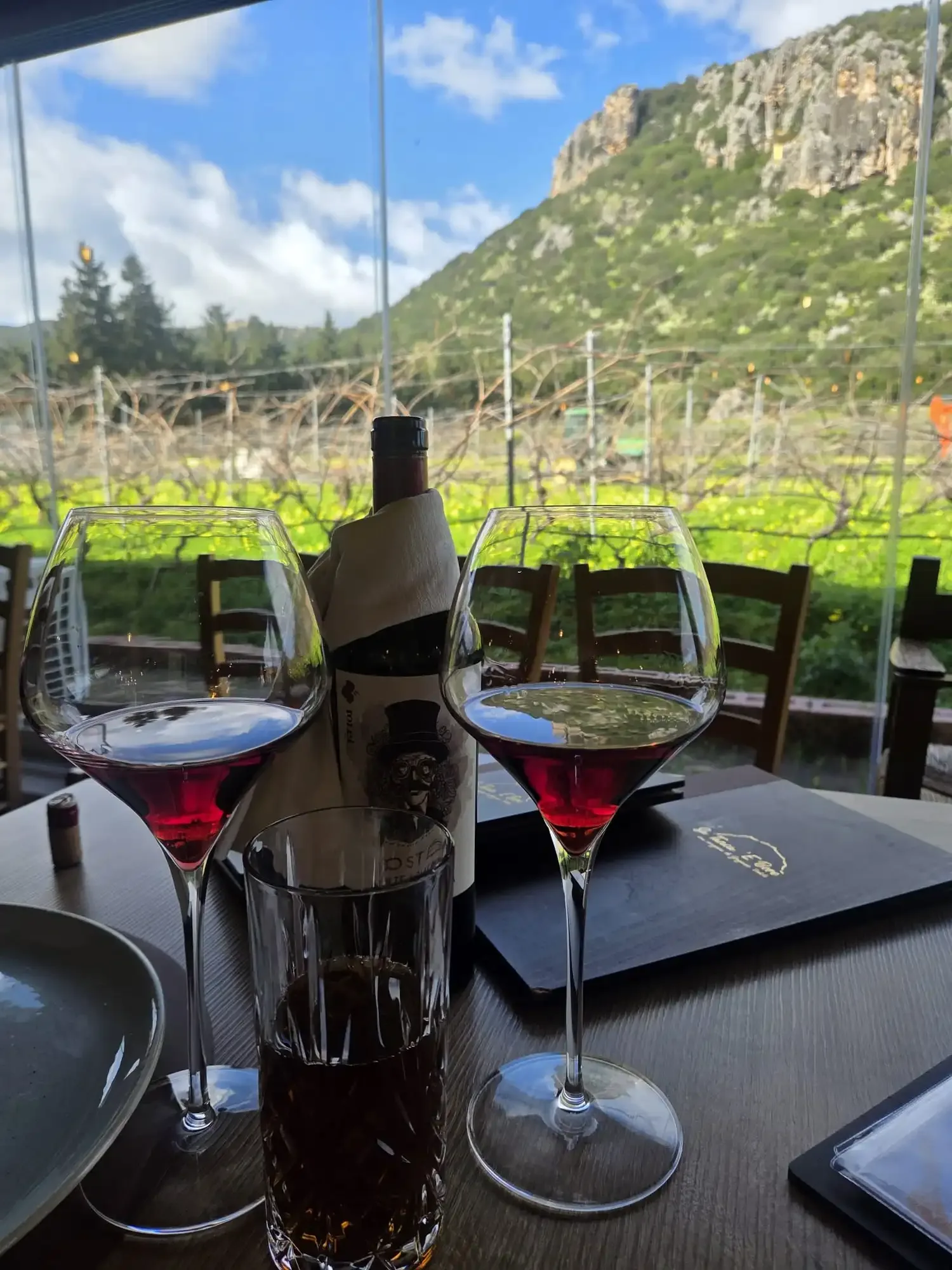
- 12:30 Lunch in town: carasau with local pecorino, a simple seafood pasta, and a chilled Vermentino.
- 15:00 Beach time at Su Tiriarzu or Orvile. Broad sands, clear water, limited shade.
- 18:30 If the site is open, return for golden-hour views from the mastio. Otherwise, catch sunset from a village belvedere.
Transport notes
- By car: SS125 to Posada, signed turns for the centro storico. Parking at the base of the old town.
- By bus: Regional ARST services connect Olbia and Nuoro with Posada; check current timetables and allow extra time for the uphill walk from the stop.
What to look for on site
- The tower stairs are narrow; short waits make passing easier. Hold the rail on the way down.
- Stone underfoot can be smooth from centuries of steps. Closed shoes are safer than sandals.
- Bring water and sun protection. There is little shade at the top.
- Photography: the river curves best from the tower platform; a wider lens helps frame dunes and sea.
Authentic bites and quality crafts
Keep lunch simple and local: pane carasau with olive oil, pecorino, cured mullet roe shaved over pasta, and a slice of seadas with honey. For something to take home, think quality over quantity:
- Filigree jewelry: the finest work often comes from workshops around Dorgali and Bosa. Look for solid silver or gold with clear maker’s marks.
- Cork: if you are driving north through Gallura, visit showrooms around Tempio Pausania or Calangianus for well-finished trays, coasters, and wine stoppers.
- Textiles: handwoven rugs and runners from Aggius and Nule are durable and understated. Ask about natural dyes and wool origin.
- Ceramics: seek pieces with clean glazing and even weight; avoid items with rough bases that scratch tables.
Why this small castle lingers in memory
Castello della Fava is modest in size, but it ties together the village, the river plain, and the coast in a single view. The climb is short, the legend memorable, and the setting quietly grand. Give it an unhurried morning or fold it into a relaxed day by the sea, and it will feel like time well spent.