
Why Capo d’Orso captures the imagination 🌿
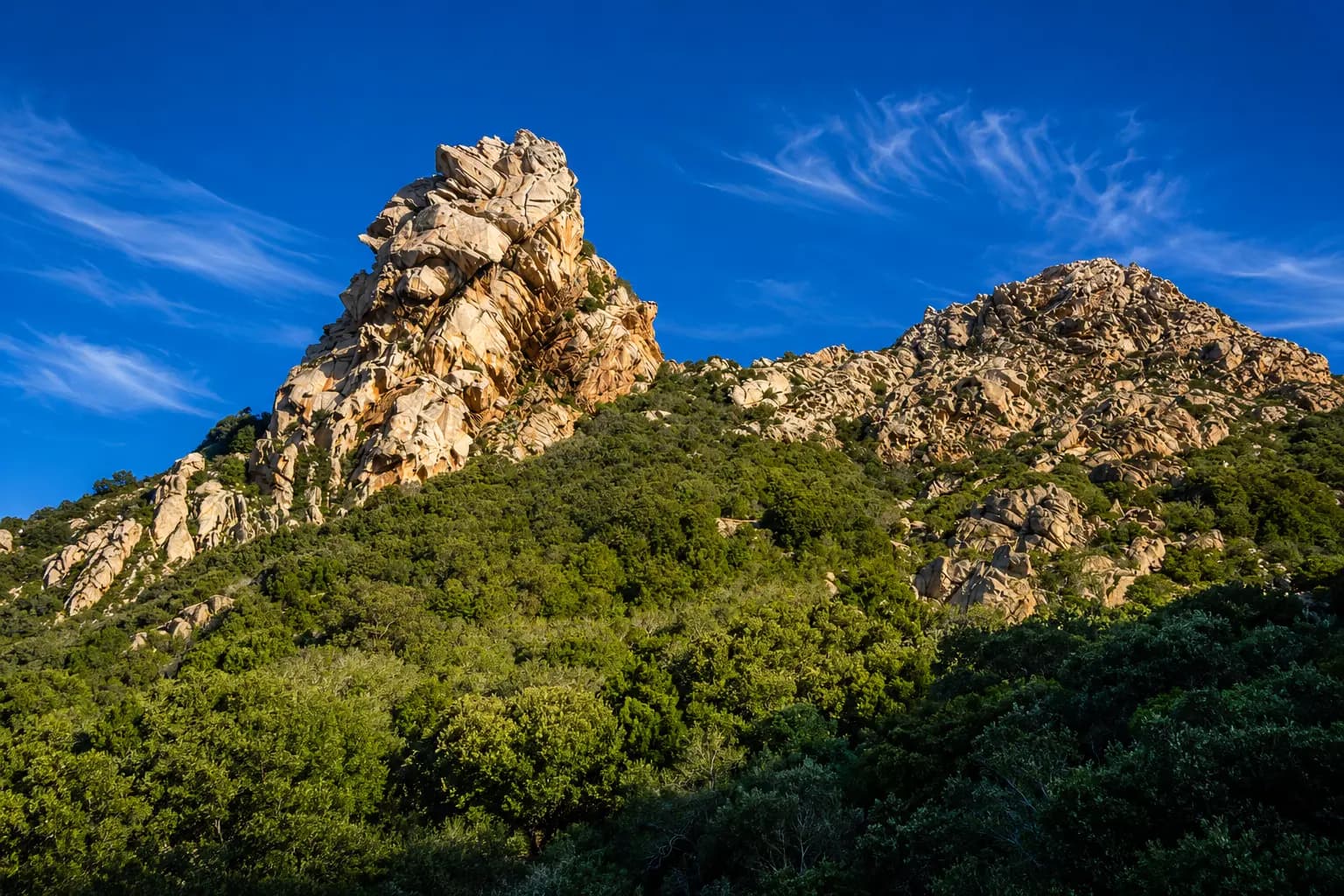
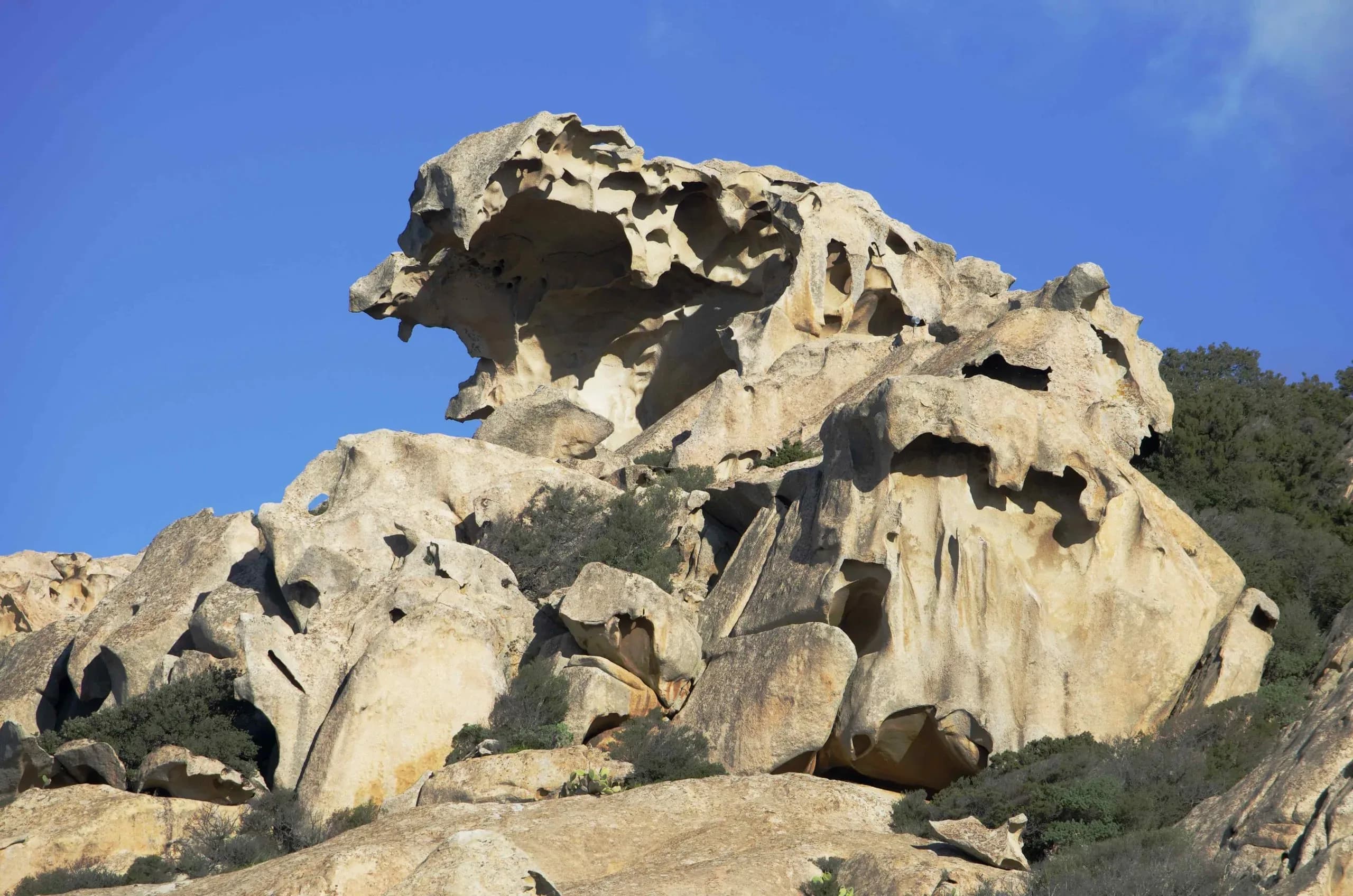
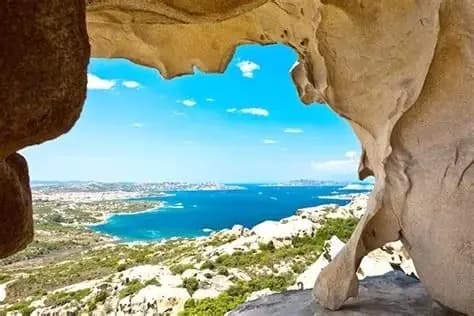
Up close, the famous bear-shaped rock is even more compelling. Capo d’Orso is a granite monolith sculpted by wind, salt, and time through a process known as corrasion, which gradually hollows and smooths the stone. The result is a natural sculpture that looks handcrafted yet is entirely the work of nature. According to the Region of Sardinia’s official tourism site, the viewpoint sits above Palau with showstopping vistas over the La Maddalena Archipelago and, on clear days, Corsica (Sardegna Turismo).Where it is and how to get there 🧭
Capo d’Orso lies in the municipality of Palau in northeastern Sardinia, about 5 km from the town center. It is an easy drive with clear signs from the main approach roads into Palau. There is a convenient parking area near the trailhead, so you can step straight onto the path.Driving and parking
- Follow the signs for “Roccia dell’Orso” from Palau. The turn-off is straightforward and the last stretch is on a well-maintained local road.
- Parking is close to the entrance. In peak months it can fill by late morning, so arrive early or come in the late afternoon.
- If you are navigating by GPS, search for “Roccia dell’Orso Palau” rather than only “Capo d’Orso” to avoid confusion with the Amalfi Coast headland of the same name.
On foot: the short trail
The path to the rock is shorter and easier than it looks. Expect a 10 to 20 minute walk on a well-marked route with wooden steps and some uneven granite underfoot. Wear flat shoes with grip, carry water, and avoid the midday heat in summer. The rewards are immediate: the air scented with Mediterranean scrub, lizards darting between sun-warmed stones, and the sea appearing and disappearing between boulders. 🌊The view from the top
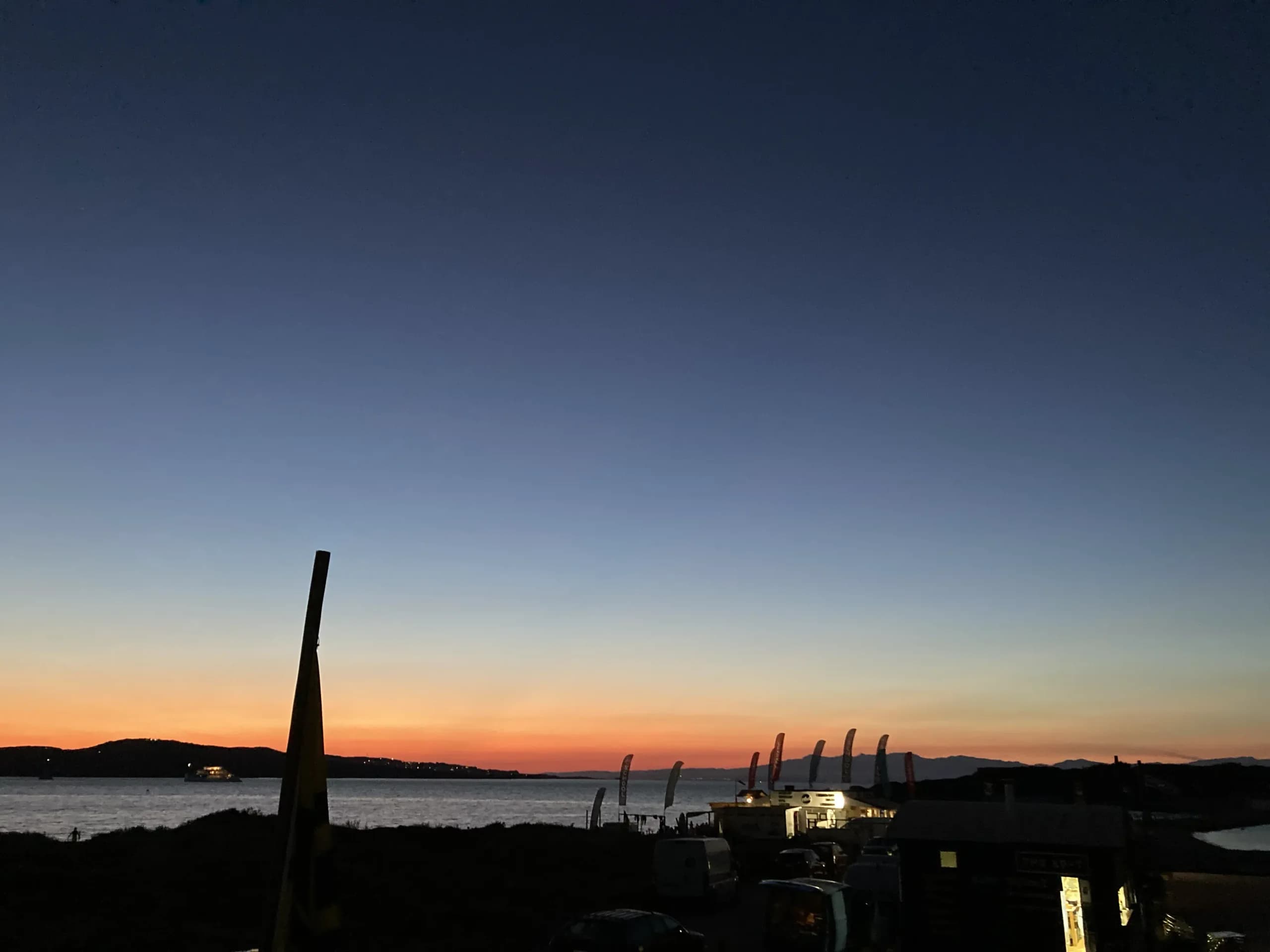
At the top of Capo d’Orso you are greeted by a sweeping panorama. Look left to Palau’s harbor and ferries gliding to La Maddalena, then pick out the islands of Spargi and Caprera. On exceptionally clear days, the southern edge of Corsica is visible on the horizon. It is a view that changes with the light: pearly blues in the morning, deep turquoise and silver at midday, and honeyed gold toward sunset.Photography tips 📸
- Golden hour is best. Early morning and late afternoon give soft light and fewer visitors.
- Bring a wide-angle lens for the full panorama, and a short telephoto to pick out the islands.
- Respect barriers and stay on marked surfaces. The granite can be polished and slippery from wind and spray.
- Windproof layers help, even on sunny days.
Planning your visit
Entry to Capo d’Orso is regulated, with a small fee and seasonal opening hours. Check current times and ticket details before you go; the Region’s official page provides practical information and local links (Sardegna Turismo).- Time needed: 45 to 90 minutes, including the walk and photo stops.
- Difficulty: easy to moderate due to steps and some uneven surfaces.
- Facilities: parking near the entrance; basic amenities may be seasonal. Bring water and a hat.
- Accessibility: steps make the final stretch unsuitable for wheelchairs and most strollers.
- Safety: the site can be windy. Keep a firm grip on phones and hats, and supervise children near edges.
What makes this rock special
Beyond the playful resemblance, there is a deeper pleasure in seeing how nature sculpts stone here. Granite in Gallura is famous for its shapes and textures. Wind, loaded with sea salt, slowly abrades the softer parts of the rock and leaves the harder zones intact, creating hollows, arches, and smooth ledges. Capo d’Orso is the most iconic of these forms, a natural landmark used by sailors since antiquity to recognize this stretch of coast.Nearby experiences to pair with Capo d’Orso ☀️
- Palau town: stroll the marina, pick up a gelato, and browse small boutiques. It is a pleasant stop for a seafood lunch after your visit.
- La Maddalena Archipelago: book a private boat or small-group tour to swim the luminous coves of Spargi, Budelli, and Santa Maria.
- Caprera: combine the viewpoint with an afternoon exploring Caprera’s beaches or the Garibaldi Compendium museum.
- Porto Rafael: a chic, low-key village framed by smooth granite and pastel houses, perfect for an aperitivo by the water.
- Fortezza di Monte Altura: a 19th-century fortress above Palau with commanding views and guided tours that bring local history to life.