
Le Casermette, a new voice in old Olbia
There is a quiet corner of Olbia changing with care rather than noise. Locals know it as Le Casermette, a row of modest houses that once sheltered military families. Today those rooms open occasionally to host contemporary exhibitions. The soul of the place shows through. It feels lived-in, closer to a neighborhood than a museum, and that warmth makes each show feel personal.
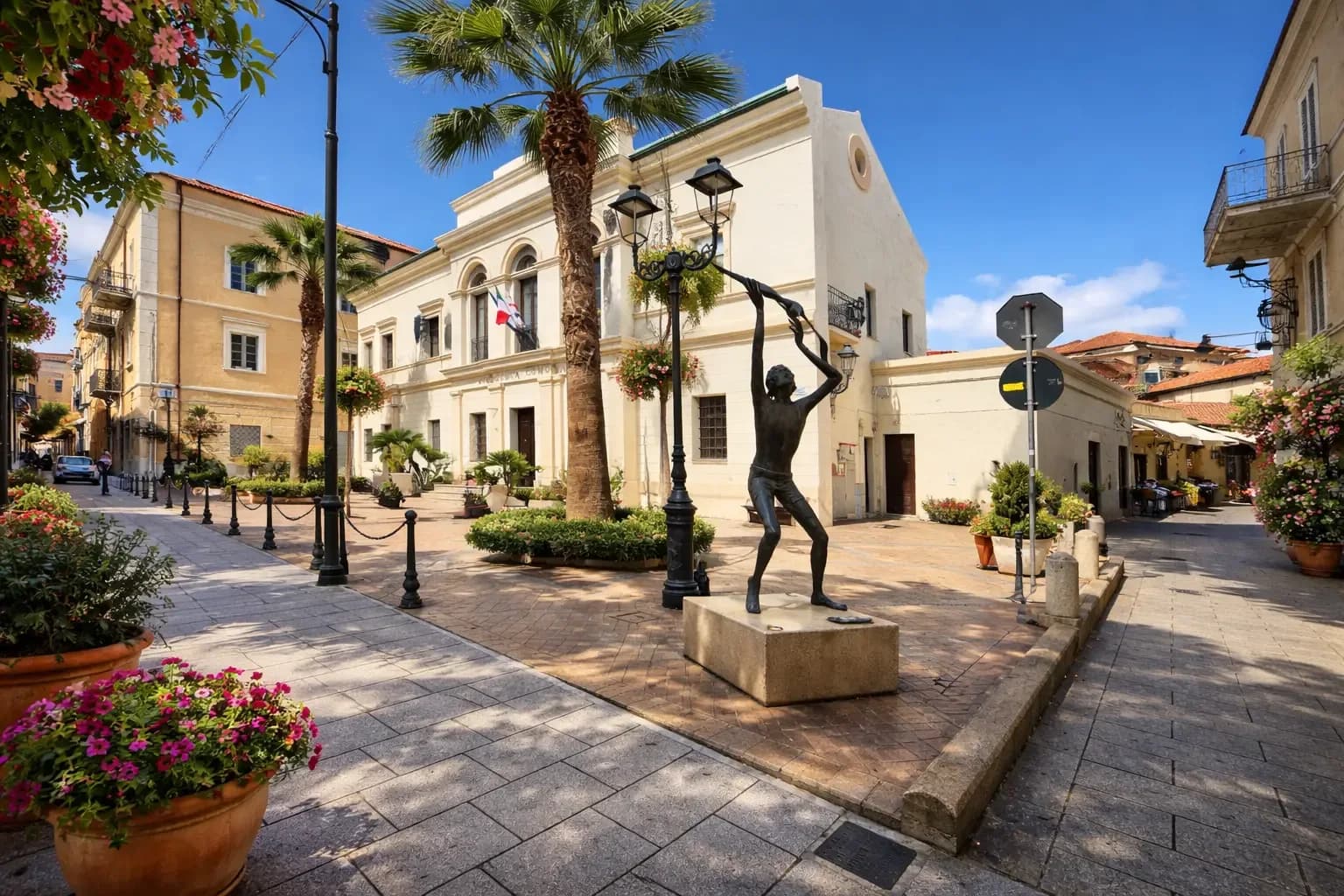
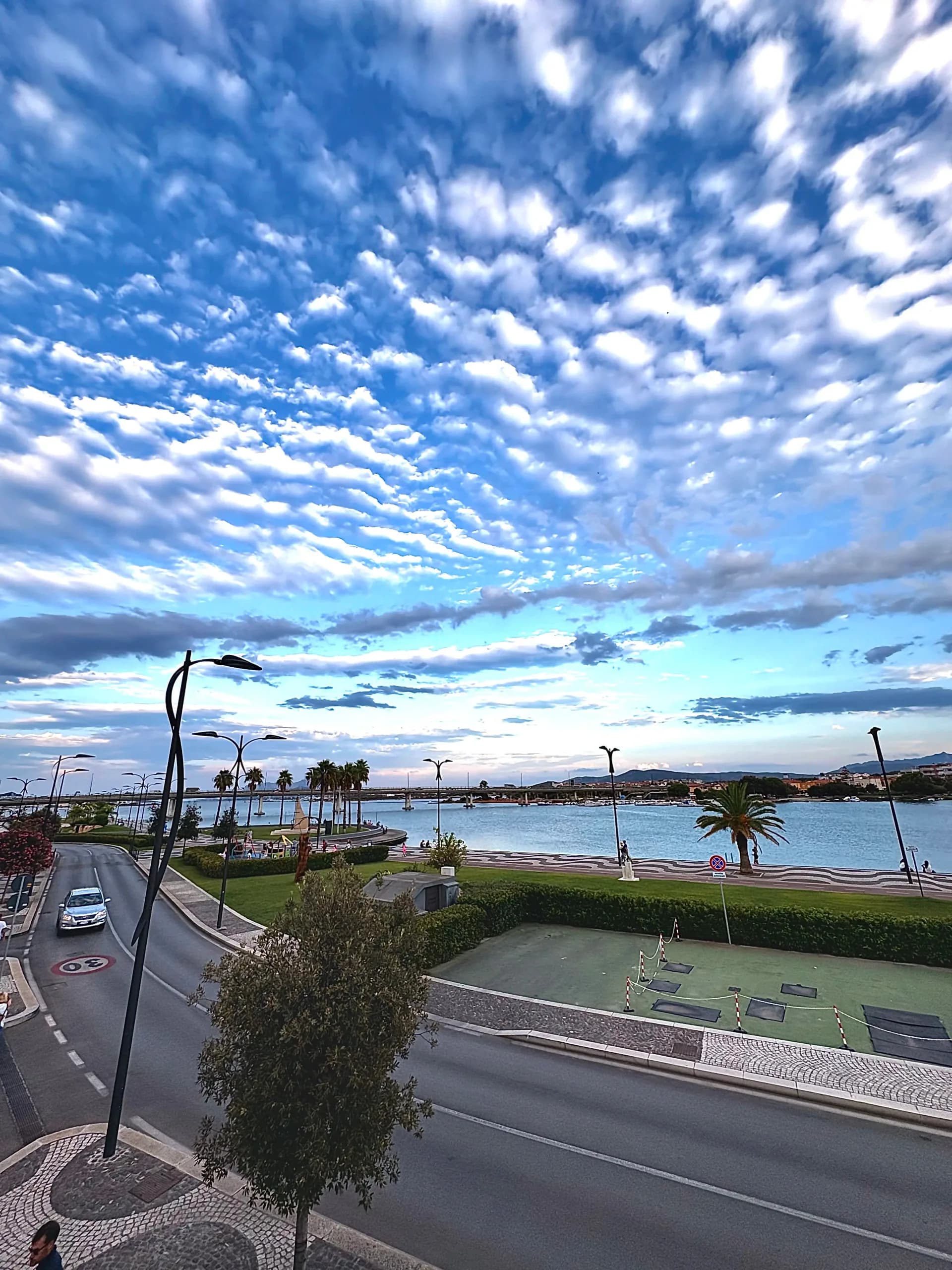
Le Casermette sit on Via Mameli, a short stroll from the harbor. The street has its own rhythm, and these small buildings fit right in. When doors open for an event, the past and present meet in a calm way: pared-back rooms, thoughtful displays, and a setting that invites you to linger without rushing.
Planning your stop: when, where, how
Getting there
Le Casermette are in central Olbia on Via Mameli, about a 10 to 15 minute walk from the railway station and Corso Umberto. If you prefer public transport, the city network is run by ASPO; check routes and tickets on the official site here. Taxis are easy to find at the station and by the harbor.
When it opens
Le Casermette do not keep daily hours. They open for specific exhibitions and events, then go quiet until the next one. That is part of the charm. Ask at the tourist office in town, watch local listings, or look for posters in the neighborhood in the week before your visit. Plan the rest of your walkable Olbia day so it still works even if doors are closed when you pass by.
A relaxed half-day around Via Mameli
Here is a simple, low-effort plan that combines Le Casermette with a few nearby highlights. Adjust times to your pace and the season.
- 9:30 Coffee and a look around Corso Umberto. This is the old spine of Olbia, lined with small bakeries and shops. It is an easy place to get your bearings.
- 10:00 Harbor walk and the archaeology story. Follow the waterfront toward the small island at the port. Olbia’s Civic Archaeological Museum sits here and tells the city’s Roman and medieval maritime history, including shipwrecks recovered from the harbor, according to the regional tourism board Sardegna Turismo. Even a short visit helps you read the seafront with new eyes.
- 11:30 Le Casermette. If an exhibition is on, allow 45 to 60 minutes. The rooms are compact, so you can take your time with each work. If closed, loop back along Via Mameli and notice the small architectural details that hint at the street’s layered past.
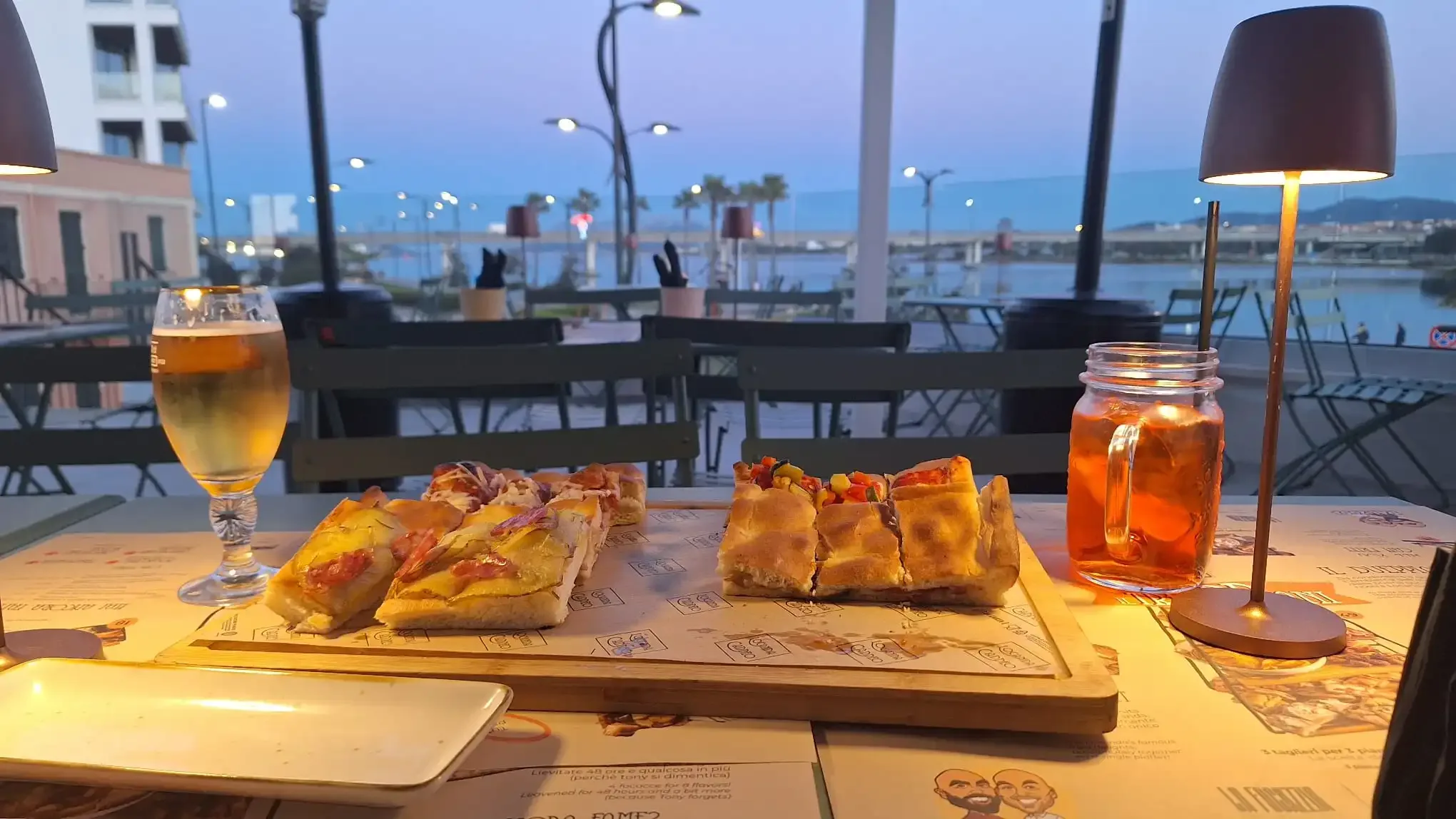
- 13:00 Pizza on Via Acquedotto 🍕. There is a Neapolitan spot nearby with tall, soft crusts and light dough. It is simple, good, and fits the mood of the day.
- 14:30 Gentle finish. If you still have energy, wander back through the lanes behind Corso Umberto, or find a bench by the water and watch the light shift across the harbor.
Authentic shopping tips close to Olbia
Olbia is a transport hub with easy access to villages where craft is part of daily life. If you enjoy bringing home things made to last, these are good bets:
- Ceramics and mixed crafts in San Pantaleo. This granite village in the hills above the coast has artisan studios and a weekly market in season. It is a short drive from Olbia and a fine pairing with an art-focused morning in town. Read about the village on Sardegna Turismo. Tip: ask makers about lead-free glazes and how pieces are fired.
- Cork work in Calangianus. This inland town is a historic cork district known for careful processing and design, according to Sardegna Turismo. Look for clean, tight edges on trays and coasters, even grain on bags, and ask whether the bark comes from Sardinian oaks.
- Filigree jewelry in Olbia’s old town. Several small jewelers work with 925 silver filigree. For quality, check for a clear hallmark, tidy solder points, and uniform wire twists. Do not hesitate to ask who made the piece and where.
Why this little place stays with you
Le Casermette rewards people who like to look twice. The buildings remember their first life, and the new exhibitions use that memory rather than covering it up. If you catch an opening, you get a thoughtful slice of Olbia’s present. If you miss it, you still gain a calm walk, a bit of harbor history, and a good lunch. Either way, it is an easy, authentic detour that deepens a day in the city.