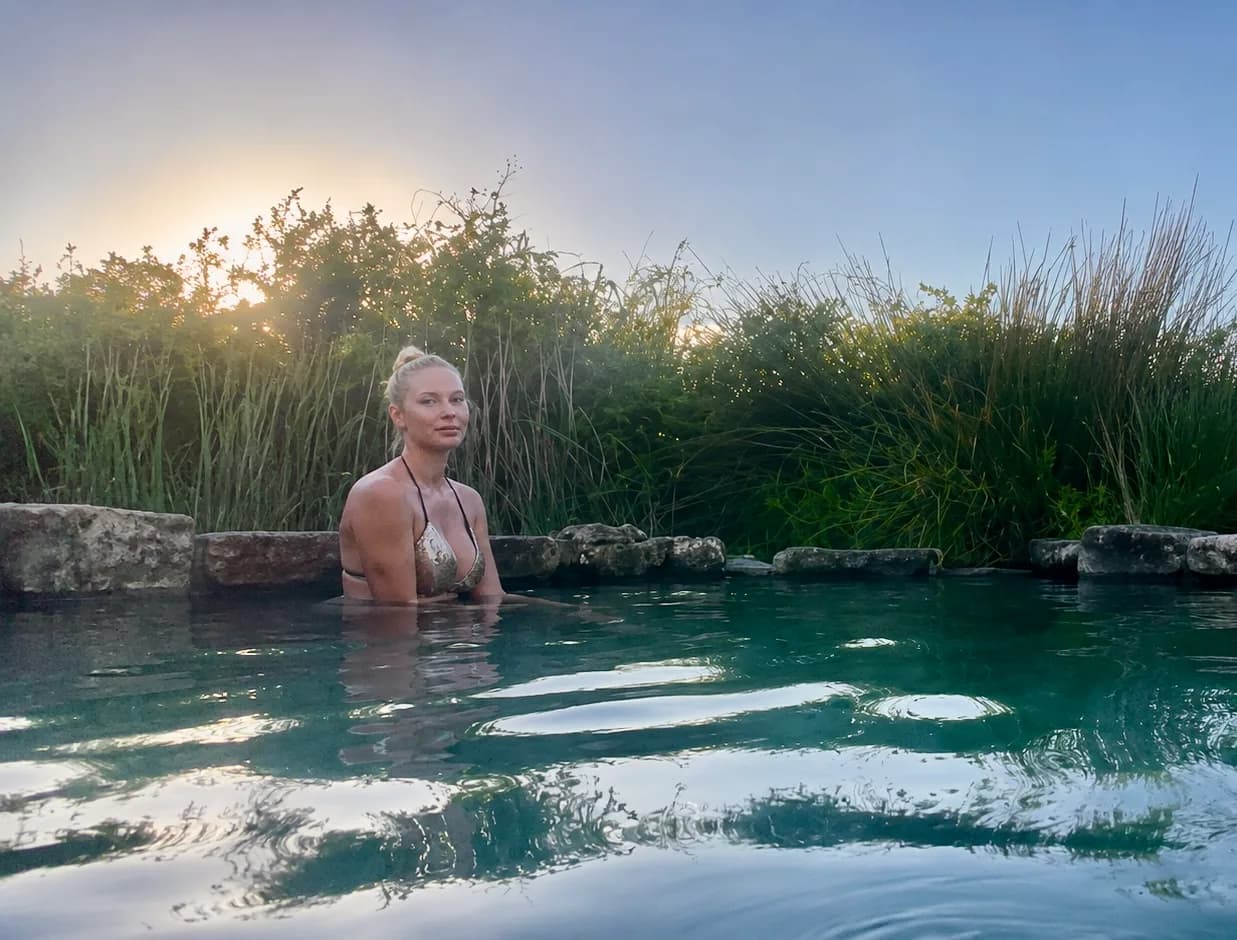

I’m a true lover of quiet, natural places—the kind where the world slows down and your shoulders finally drop. That’s exactly what I found at Sardinia’s wild hot springs: warm, mineral-rich pools out in the open, far from city noise, wrapped in birdsong and countryside stillness. Step in, and the warmth softens every muscle; step out, and the breeze reminds you how good it feels to be fully present.
Why Sardinia’s wild hot springs feel so special
These natural pools aren’t manicured spa decks. They’re simple, soothing spots shaped by the island’s geology, hot water bubbling up from underground, flowing into quiet corners of rivers and stone basins. Depending on the pool and the day, the soak is usually around body temperature to pleasantly warm; long, deep exhales come naturally here. 🌿
Technically, the source water in some of Sardinia’s hot springs is very hot as it emerges—often well above bathing temperature—before it mixes with cooler river water. For instance, the historic springs at Fordongianus reach roughly 54°C at the source (according to Sardegna Turismo), which then cools as it meets the Tirso River and settles into comfortable soaking pools nearby.
Up north, along the Coghinas River at Casteldoria, the thermal water can rise much hotter—up to around 70°C—before it dissipates into the river’s flow (as reported by Sardegna Turismo). The result? A handful of natural pockets where you can sit in soothing warmth while cool air drifts over the water
Where to find Sardinia’s wild hot springs
I’ve found two unforgettable places, both tucked into rural landscapes. Each has its own character—but the same delicious sense of peace.
Fordongianus: Roman echoes on the Tirso River
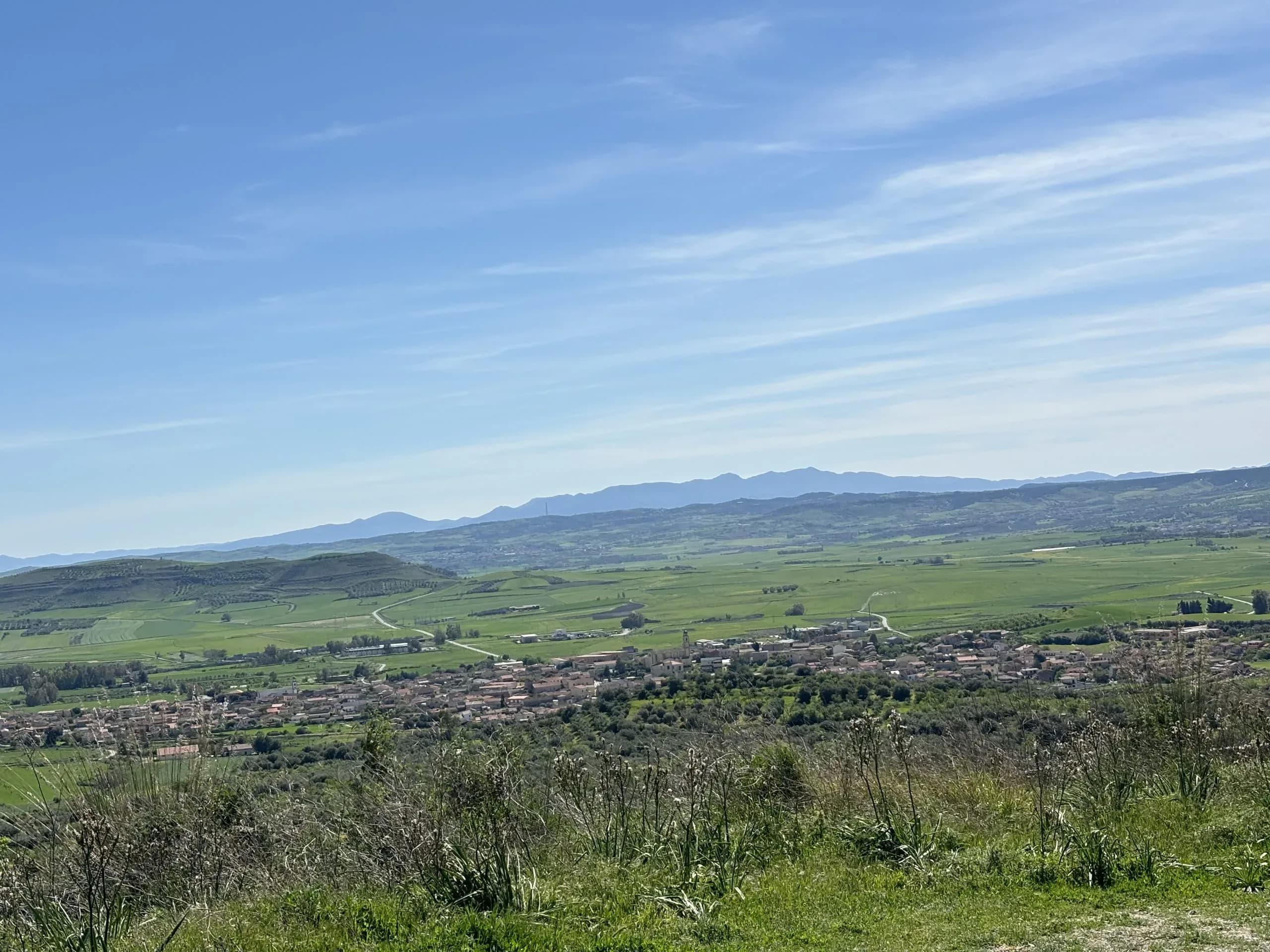
Central Sardinia has a quiet majesty, and Fordongianus wears its history lightly. Just beyond the Roman thermal ruins, you’ll find simple stone-lined pools by the Tirso River where locals and travelers alternate quick soaks. On cooler days, you’ll see steam curling off the surface like morning mist. 🫧
Good to know:
- Location: Fordongianus, Province of Oristano; about 35–40 minutes from Oristano, roughly 1 hour 45 minutes from Cagliari.
- What it’s like: A string of small pools beside the river; temperatures vary by spot and season, so test before you settle in.
- Vibe: Friendly and communal. On weekends there can be a short, informal “rotation,” with most people soaking about 10–15 minutes at a time.
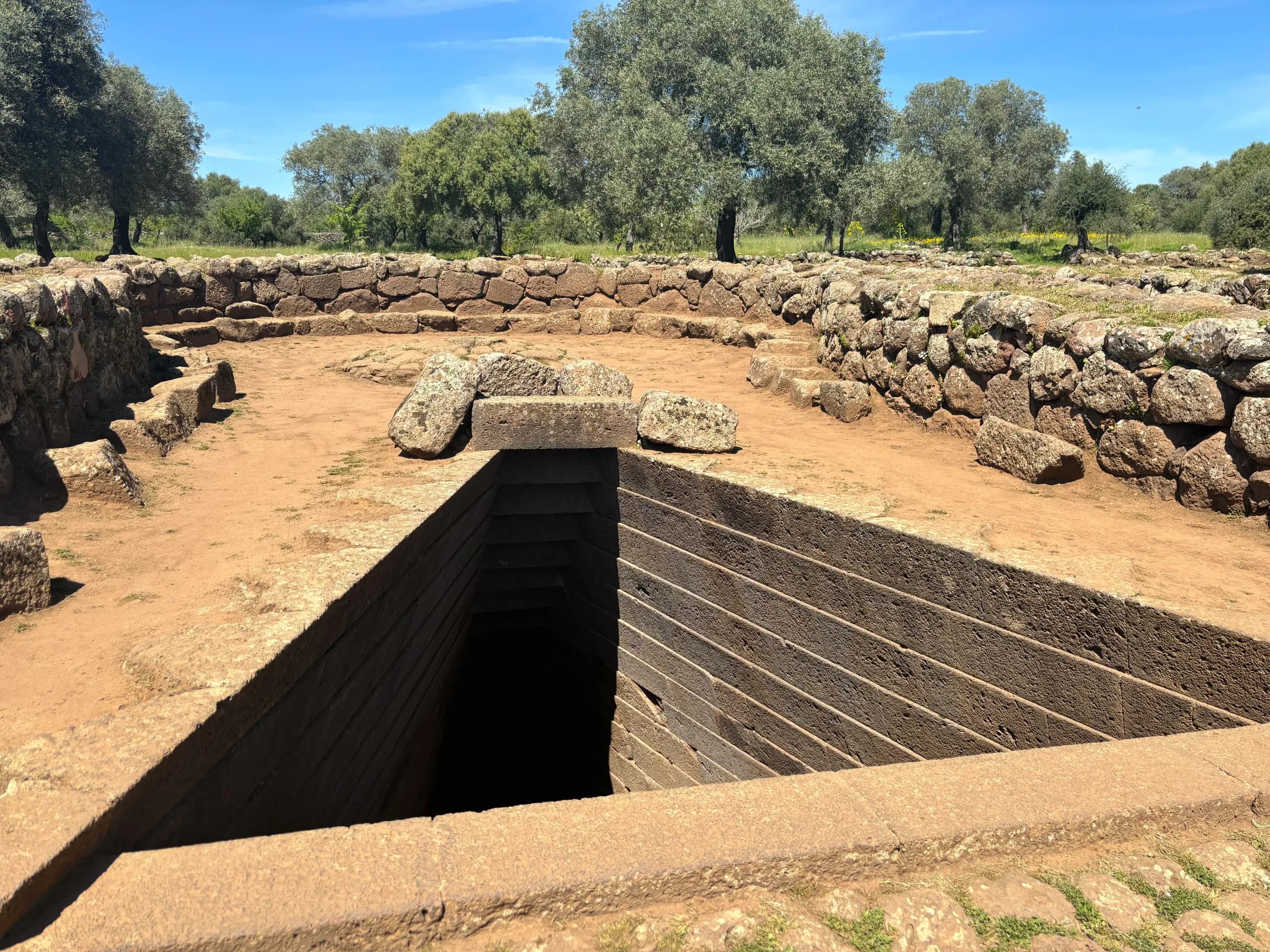
- Extras: The Roman baths are fascinating to see—an elegant reminder that people have been unwinding here for millennia.
Casteldoria: Warm sands and red rocks on the Coghinas
Further north, near Santa Maria Coghinas, the terrain feels wilder. Here, thermal water rises beneath the riverbed; locals often build small stone or sand basins to hold the warmth. The contrast of rust-colored rocks, green riverbank, and gentle steam is striking. It’s rustic, serene, and deeply grounding. 🌾
Good to know:
- Location: Near Santa Maria Coghinas; around 30 minutes from Castelsardo, 1 hour 20 minutes from Olbia, 1 hour 30 minutes from Alghero.
- What it’s like: Natural pockets in the riverbed with a range of temperatures—some can be quite hot at first. Always ease in slowly.
- Vibe: More spread out than Fordongianus; you’ll often find your own little corner, especially early or late in the day.
How to soak (and feel amazing afterward)
I like to treat my visit to Sardinia’s wild hot springs as a gentle ritual. It’s simple but wonderfully effective:
- Ease in slowly. Let the warmth rise around you and breathe deeply for 10–15 minutes.
- Step out and rest. Lie on the grass or a mat, look up at the sky, and let your body rebalance for another 10–15 minutes. 🌤️
- Repeat once or twice. Sip water between rounds.
Two or three cycles are usually enough to feel renewed—lighter, calmer, and genuinely restored.
When to go for the quietest experience
- Best seasons: Autumn through spring. The contrast between crisp air and warm water is delightful.
- Time of day: Early morning or late afternoon for softer light and fewer people.
- Weekdays beat weekends: If you’re flexible, you’ll feel the difference.
Summer is still enjoyable, particularly at dawn or after sunset, but do expect more company and warmer ambient temperatures.
Practical tips for Sardinia’s wild hot springs
What to bring
- Light towel or quick-dry robe
- Water shoes (helpful on pebbles and in mixed riverbeds)
- Mat or lightweight blanket for resting on the grass
- Plenty of water; an insulated bottle is perfect
- Small dry bag for your phone and keys
- Headlamp if you’ll be there at dusk
Etiquette and safety
- Keep it quiet and kindly—these are shared, natural spaces.
- Rotate every 10–15 minutes if others are waiting.
- Test the water first. Some pools can be hotter than expected—ease in with feet and lower legs.
- No soaps or shampoos; they harm the river ecosystem.
- Pack out everything you bring—leave the spot better than you found it. ♻️
- If you have cardiovascular conditions, are pregnant, or feel lightheaded, keep soaks short and rest often.
Access and logistics
- Arrive by car. Rural roads are part of the charm; take it slowly and park only in designated or obvious pull-offs.
- Footwear: Expect uneven, sometimes muddy ground—especially after rain.
- Connectivity: Mobile signal can be patchy; download maps before you go.
- Free to enjoy: The wild pools are free; the nearby spa facilities (if you choose to visit) charge a fee and provide changing areas and services.
Why the experience stays with you
Beyond the obvious pleasure of warm water and open air, there’s a deeper calm in Sardinia’s wild hot springs. It’s the unhurried rhythm—fifteen minutes soaking, fifteen minutes gazing at the clouds; the quiet social dance of taking turns; the cows grazing in the distance; the sound of water burbling from the earth. You feel connected to something timeless. And when you leave, it’s as if the island’s stillness has followed you home.
A few refined add-ons
If you like to balance rustic with refined, pair your wild soak with a leisurely lunch in a countryside agriturismo, or book a massage at one of the region’s formal thermal facilities after your river session. It’s a beautiful contrast—raw nature first, white-linen comforts after. For many visitors, that blend becomes the highlight of a Sardinian holiday. ✨
Final thoughts
If you love nature and true relaxation, Sardinia’s wild hot springs are a rare treat—authentic, grounding, and easy to fold into a day trip. Go unrushed, bring a towel, and let the island do what it does best: restore you, quietly.