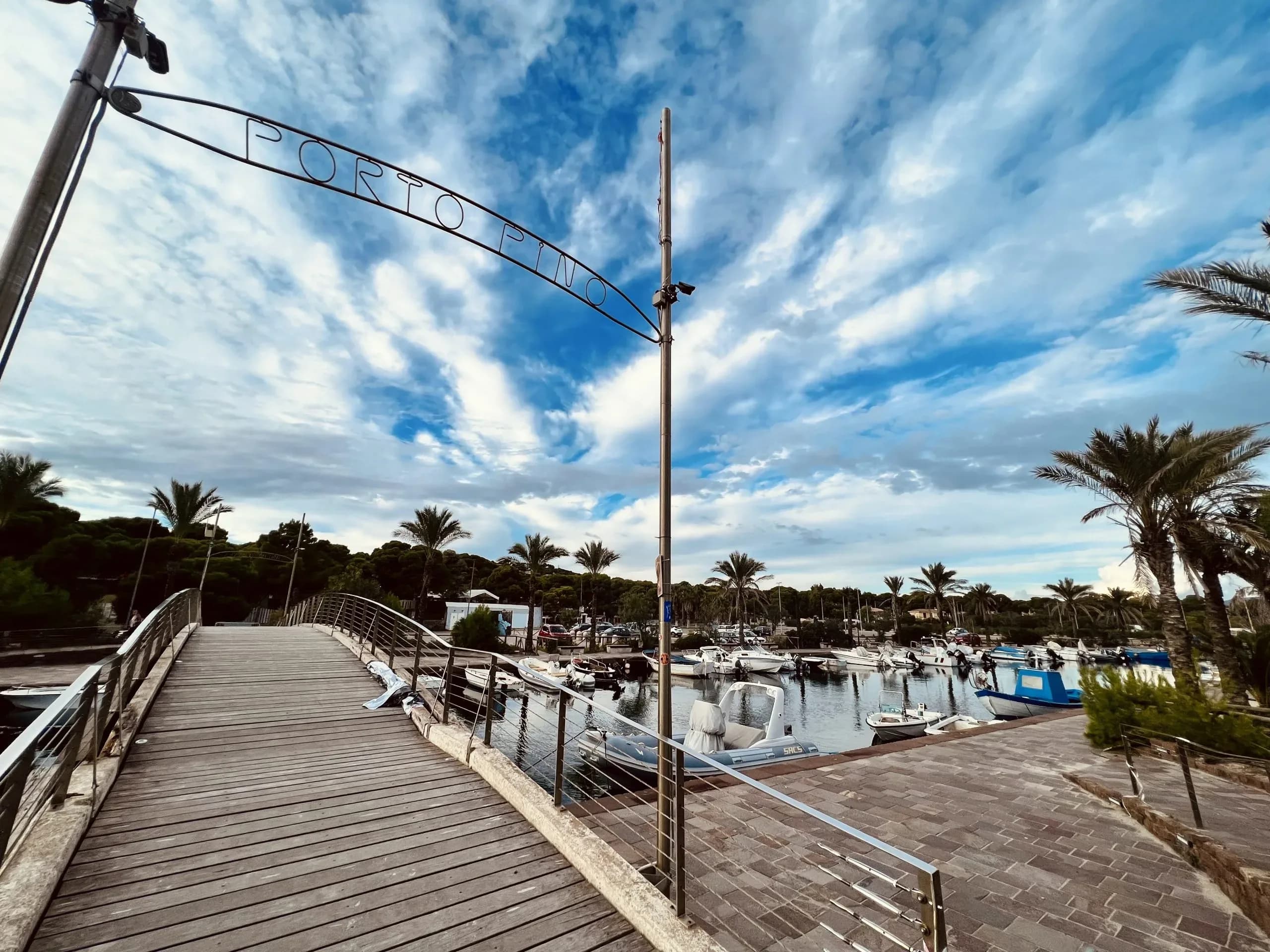

Why Porto Pino stands out
On Sardinia’s southwest coast near Sant’Anna Arresi, Porto Pino brings together three elements that define this shoreline: bright sand, still lagoons, and a low-key village shaped by fishing. The atmosphere is unhurried, and the landscape does the talking.
The dunes of Is Arenas Biancas
The star feature is the white dune system known as Is Arenas Biancas. These fine sands are pushed inland by wind, then held in place by hardy plants that trap and stabilize the grains. Boardwalks help protect this balance. Seasonal access to the farthest dunes sits within the Capo Teulada military area and usually follows a summer opening schedule, according to Sardegna Turismo official guide.
You will find two main beach stretches: the first beach backed by Aleppo pines and low dunes, with services in summer; and the more open, bright-white sands of the second beach closer to the largest dune fields. Expect clear, shallow water and little natural shade.
Lagoons and birdlife
Just inland, a chain of quiet lagoons reflects the sky and coastal hills. These wetlands host herons, egrets, and often flamingos feeding in the shallows 🦩. The protected setting and brackish waters create a calm counterpoint to the open shoreline, as outlined by Sardegna Turismo’s overview of the area Porto Pino.
Early morning and late afternoon are the best times to observe wildlife with minimal disturbance. Bring binoculars and keep to designated paths.
The fishermen’s village
Porto Pino’s small settlement keeps a modest profile with seasonal homes, simple eateries, and life oriented toward the lagoon. Historically, fishing here favored sheltered inland waters over the open sea. That history still shows in the working rhythms and the food on local menus.
Planning your visit
When to go
Late May to June and September to early October bring warm water and fewer crowds. July and August are busiest and hottest, with more services open. Winter offers empty beaches and birdlife but limited facilities.
Getting there
From Cagliari, the drive is about 80 km southwest via the SS195 and local roads, roughly 1 hour 30 minutes depending on traffic. A car is the most practical option for beach and lagoon access.
Beach setup and services
Parking areas sit behind the first beach, usually paid in summer, with boardwalks to the sand.
Beach bars and rentals operate seasonally near the first beach. The second beach and the areas closer to the big dunes feel wilder, with limited or no services.
Wind can be brisk on mistral days. Pack a windbreak, extra water, and sun protection. Shade is scarce.
Access to the farthest dunes
The largest white dunes belong to the Teulada side and fall within a military zone with restricted access outside defined periods. In peak season a managed entrance is typically in place. Respect signage and stay within permitted areas.
Walks, swims and simple pleasures
Stroll the waterfront paths at golden hour, swim the shallow coves between the two main beaches, or follow marked walkways along the lagoon edge to watch waders and flamingos feed. Even at busy times, you can usually find a quieter pocket by walking a little farther from the main access points.
Responsible travel tips
Use boardwalks and avoid stepping on dune vegetation. The plants are what hold the sand in place.
Pack out all waste. Strong winds scatter litter quickly.
Keep a respectful distance from birds, especially during feeding and breeding periods.
Follow local rules on pets, fires, camping, and drone use. Military areas are strictly off-limits when closed.
Nearby ideas
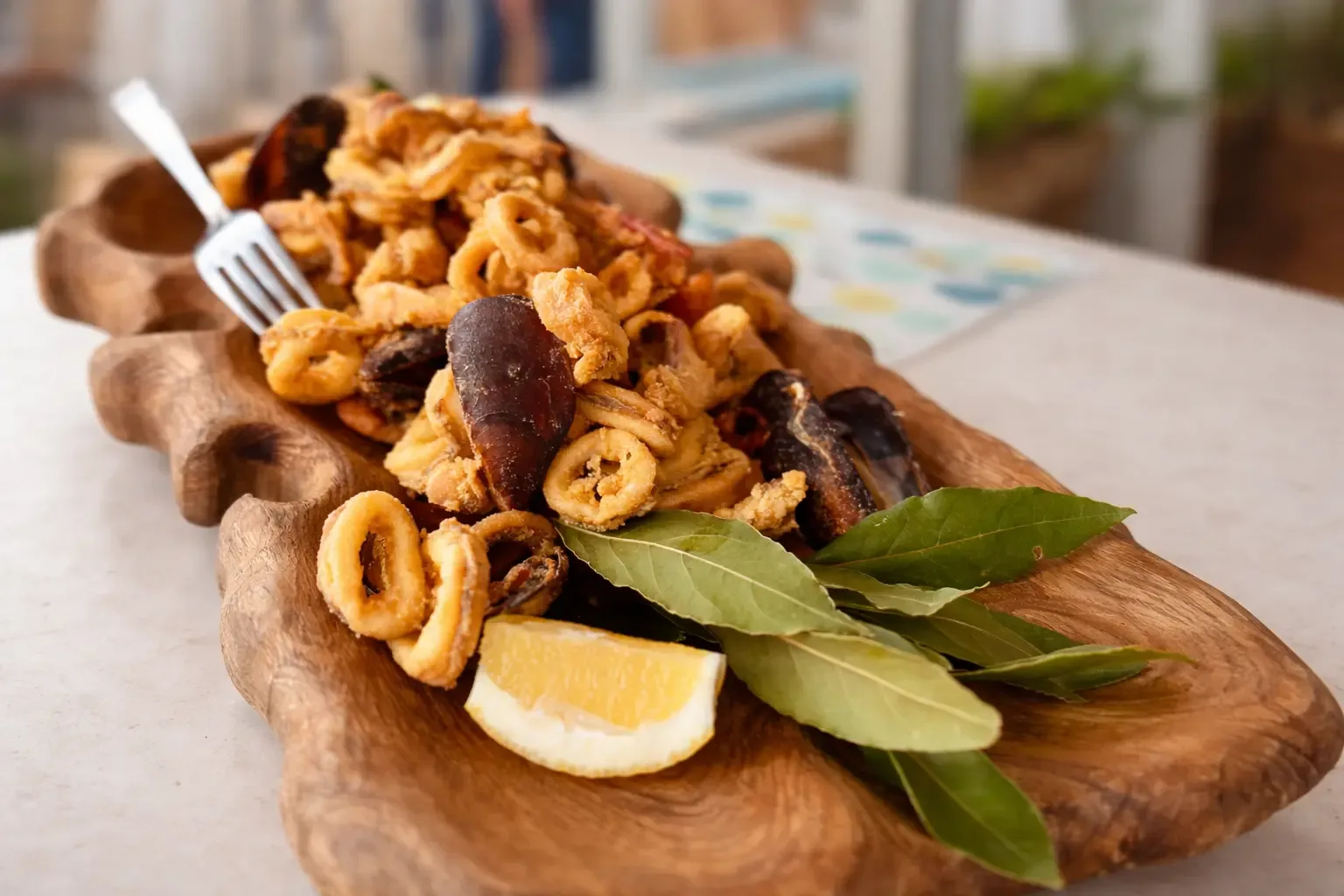
Combine Porto Pino with the island of Sant’Antioco for archaeology and coastal walks, or visit the Is Zuddas caves inland for a cool break from the sun. Food lovers can look for wineries producing Carignano del Sulcis and simple trattorie serving lagoon fish and bottarga.
Essential takeaways
Is Arenas Biancas is a fragile, shifting dune system. Treat it gently.
The lagoons offer quiet scenery and regular birdlife sightings.
The village keeps things straightforward and tied to the water.
Summer brings services and crowds. Shoulder seasons balance both.