
Exploring Sardinia’s Wild Abandoned Mines
Step into a raw, beautiful world where cliffs plunge into cobalt seas and iron rails vanish into the dark. Sardinia’s abandoned mines in the Sulcis-Iglesiente district are a frontier of memory and nature, a place where rust, wind and Mediterranean scrub tell the story of human grit and the island’s powerful landscapes ⛏️.
Here, former galleries stitch through mountains, ore-washing plants cling to limestone headlands and secret tunnels open to views of sea stacks and silent bays. Guided by expert custodians of this heritage, often former miners, you can follow the island’s veins of history while nature reclaims every beam, bolt and brick.
Where to find Sardinia’s abandoned mines
The core of this heritage lies in the southwest, around the towns of Iglesias, Buggerru, Masua, Nebida and Fluminimaggiore, an hour to 90 minutes by car from Cagliari. This is the Sulcis-Iglesiente mining basin, part of the Sardinia Mining Geopark, a vast open-air museum of geology and industry recognized by UNESCO for its outstanding historical interest and landscape value, according to the island’s official tourism board Sardegna Turismo 🚗.
Expect wild coastal scenery and rugged inland hills, with short drives linking atmospheric sites, small museums and photogenic viewpoints. Many tunnels and plants require a guided visit, and some structures are for viewing only due to safety rules.
Highlights not to miss
Among Sardinia’s abandoned mines, several places stand out for drama, access and storytelling. They make a superb long day trip or a leisurely two-day circuit 🌊.
Porto Flavia and Pan di Zucchero
Carved into a vertical cliff near Masua and opened in 1924, Porto Flavia is an engineering marvel where ore once rolled along galleries straight into cargo ships. Today you walk those same tunnels to balconies suspended above the sea, with front-row views of the Pan di Zucchero sea stack. Guided tours reveal the logistics that reshaped global mining trade, as outlined by Sardegna Turismo. This is one of Sardinia’s abandoned mines you can tour safely, and it is unforgettable at golden hour.
Laveria Lamarmora, Nebida
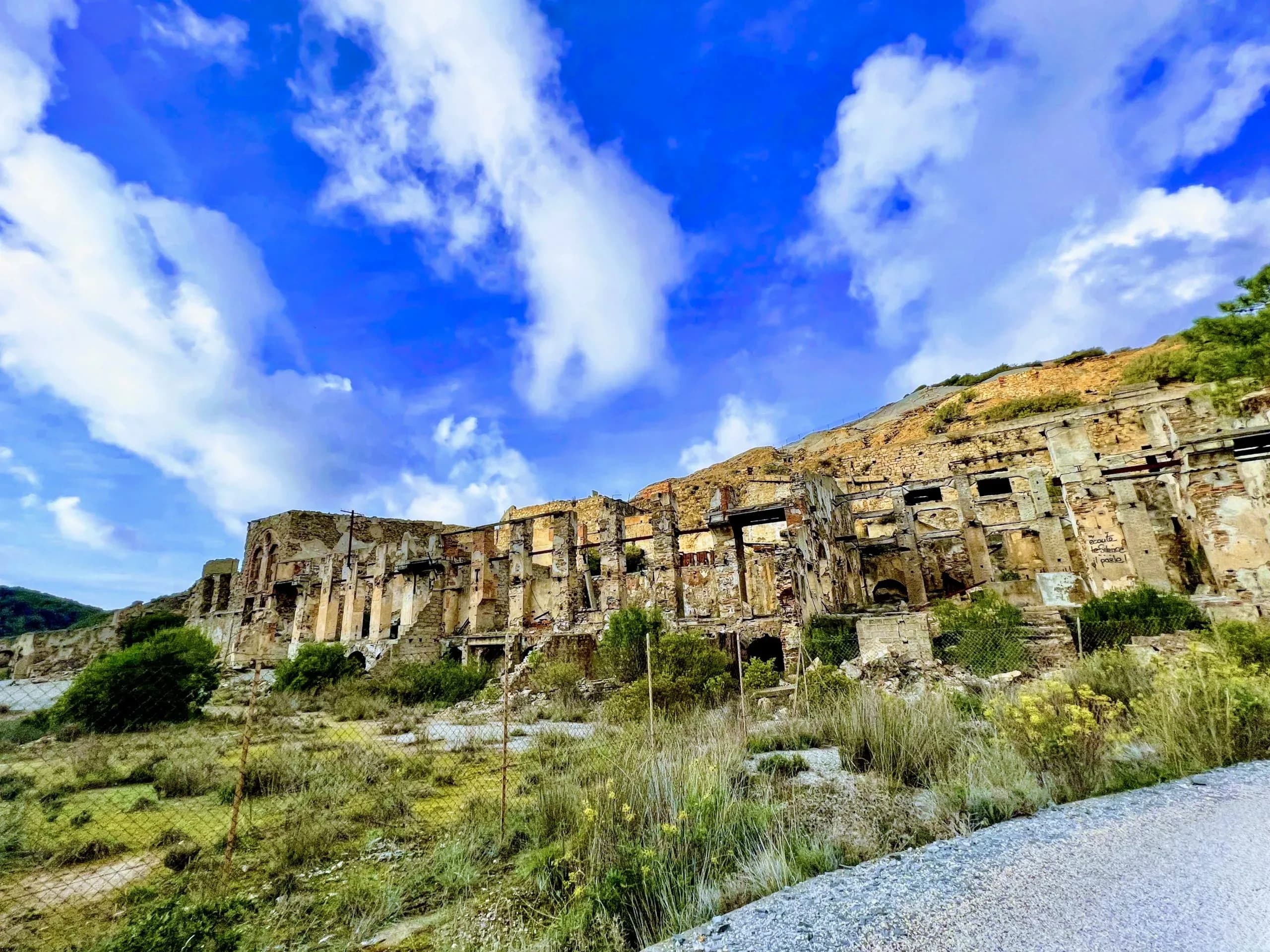
Across the coast at Nebida, the ruins of a 19th-century ore-washing plant cascade down a headland, arches framing the open sea. The Belvedere promenade above makes for a gentle, spectacular stroll past Mediterranean shrubs and gleaming limestone. You are not entering a tunnel here, yet the sense of industry meeting nature is pure mining-coast poetry. Learn more via the regional tourism board’s page on Laveria Lamarmora.
Galleria Henry, Buggerru
Near Buggerru, the Henry Tunnel slices through rock to cliffside balconies. Tours typically ride a small train inside the gallery, then continue on foot, opening to dramatic viewpoints over the Costa Iglesiente. You get a vivid feel for how miners moved ore and ventilated the mountain. Safety rules are strict, which makes this one of the most accessible introductions to Sardinia’s abandoned mines. Details are available from Sardegna Turismo.
Su Zurfuru Mine Museum, Fluminimaggiore
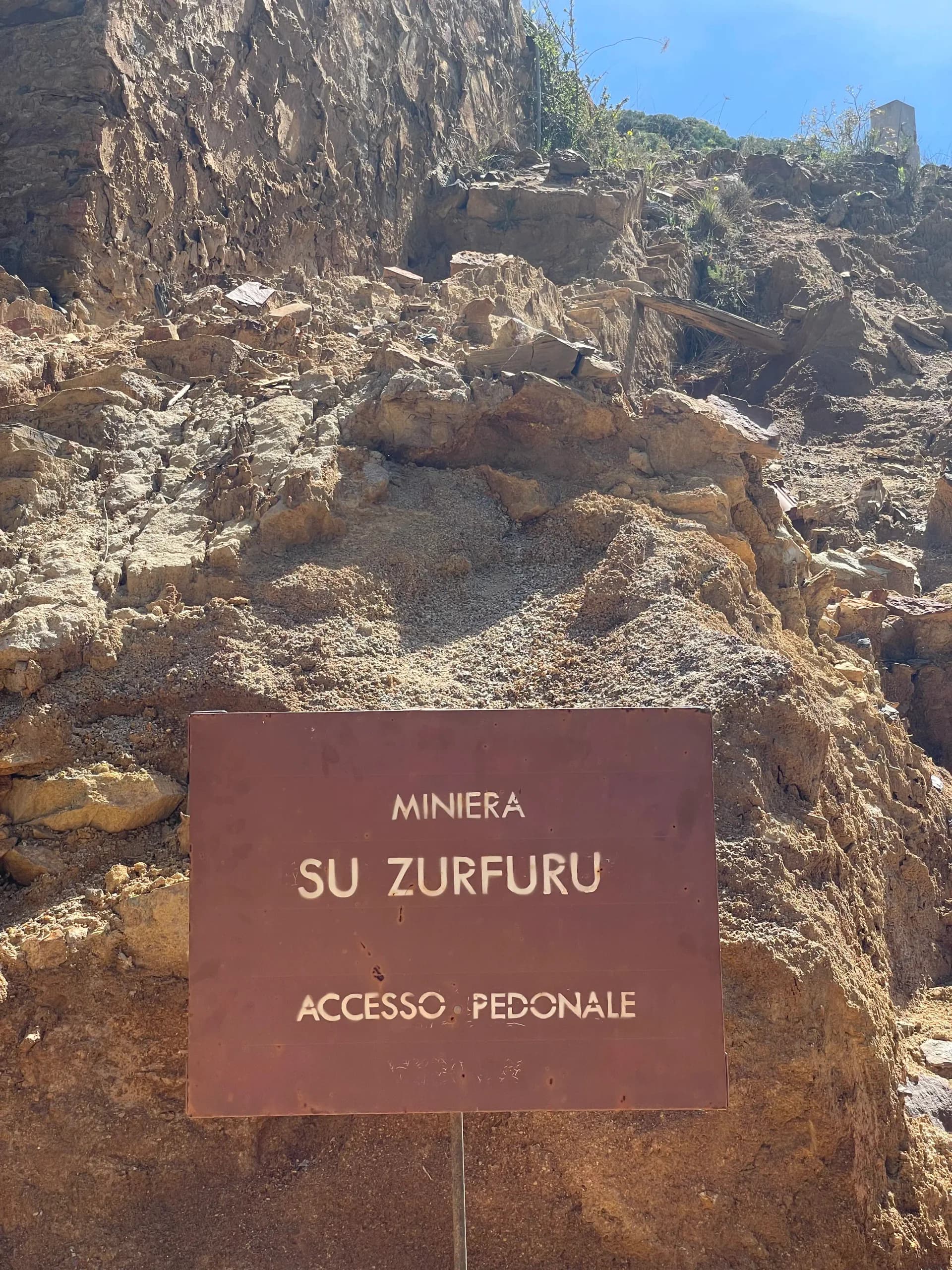
Set inland above Fluminimaggiore, the Su Zurfuru site preserves galleries, machinery and the voices of those who worked here. Many tours are led by former miners, which brings touching first-hand stories to the surface. Check current visiting times with the Su Zurfuru mining museum. Pair your visit with a dip at Cala Domestica or Masua beach nearby for a classic coast-and-mines day.
Responsible adventure, safety and access
Sardinia’s abandoned mines are thrilling, yet they demand respect 🥾.
- Book guided visits for any underground or fenced site. Do not enter closed galleries or unstable buildings, even if they look accessible.
- Wear sturdy shoes with good grip. Helmets are provided where required.
- Carry water, sun protection and a light jacket for cool tunnels.
- Photography is usually allowed, but tripods and drones may be restricted. Check site rules in advance.
- Summer heat can be intense. Mornings or late afternoons are best, especially in July and August.
Many sites limit numbers per time slot, so prebooking is smart on weekends and holidays. If you prefer privacy, inquire about private guide options. Do not attempt to explore Sardinia’s abandoned mines without a licensed guide.
Suggested 2-day circuit
This two-day plan strings together Sardinia’s abandoned mines and striking coastal scenery for a rich, unhurried taste of the region 🗺️.
Day 1: Iglesias, Porto Flavia and Nebida
- Morning: Drive from Cagliari to Iglesias, the historic mining capital. Wander the center, then head to Porto Flavia for a late-morning tour.
- Lunch: Seaside lunch around Masua or Nebida, with a short walk on the Belvedere promenade.
- Afternoon: Visit Laveria Lamarmora during the softer light. End with a swim at Portu Cauli beach in Masua, facing Pan di Zucchero.
Day 2: Buggerru, Galleria Henry and Su Zurfuru
- Morning: Galleria Henry tour in Buggerru.
- Lunch and sea: Cala Domestica’s sheltered cove is minutes away for a picnic and swim.
- Afternoon: Drive to Fluminimaggiore for Su Zurfuru, then return via the scenic inland road.
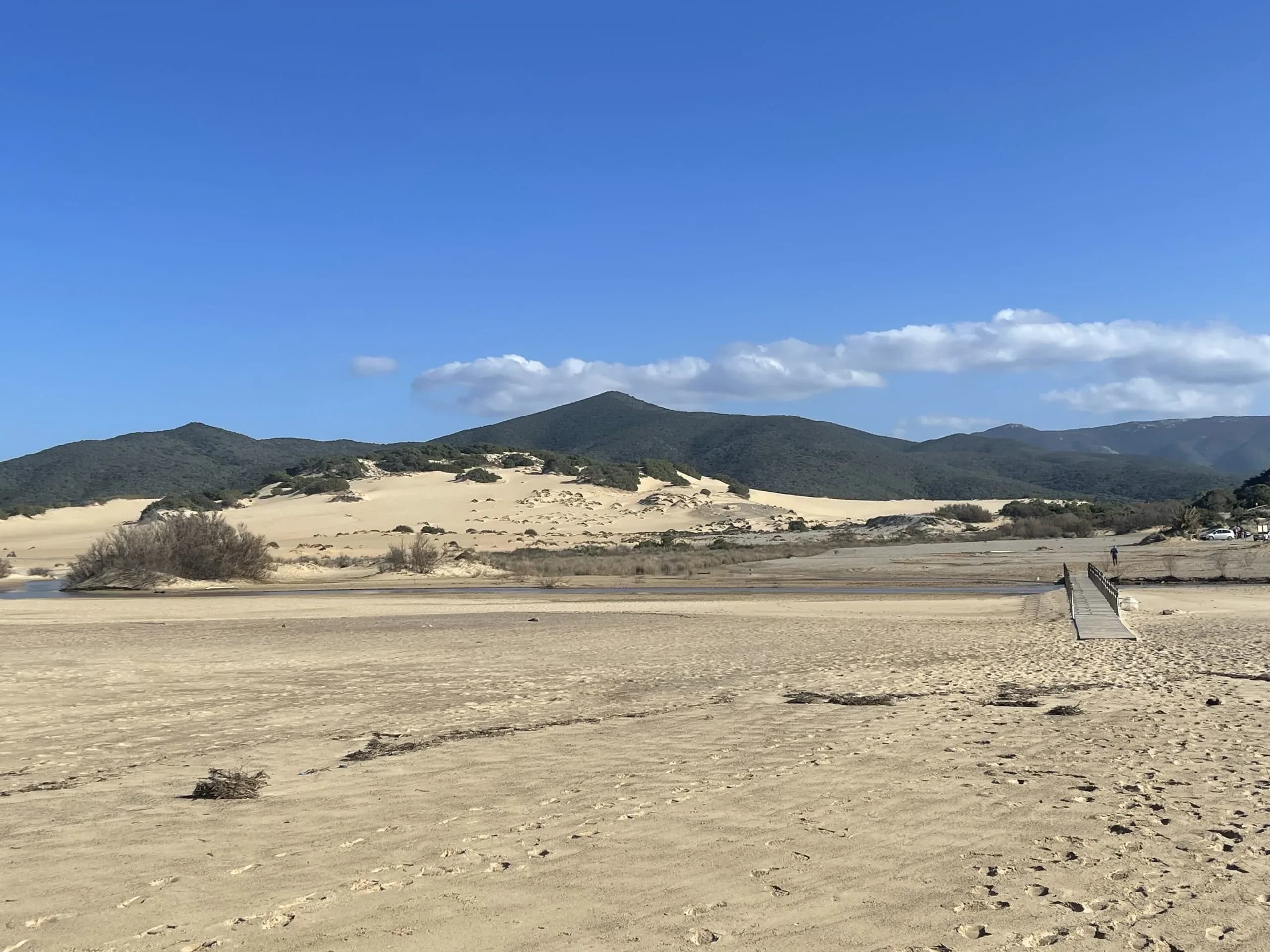
Extend with a third day for Scivu and the wild dunes of Piscinas on the Costa Verde, where the mining heritage meets vast sands and juniper. The contrast between shore and shaft is a defining joy of exploring Sardinia’s abandoned mines.
When to go, getting around and booking
For comfortable temperatures and beautiful light, April to June and September to October are ideal ☀️.
- Getting there: From Cagliari, allow about 1 hour to Iglesias and 1.5 hours to the Masua and Buggerru area, depending on stops.
- Transport: A rental car with GPS is the most flexible option on these winding coastal and mountain roads. Confident drivers will enjoy it, though hiring a local driver-guide is a relaxed alternative.
- Time on site: Guided visits typically last 60 to 90 minutes. Combine two or three per day with scenic pauses.
- Tickets: Most sites are paid and guided. For up-to-date hours and prices, consult official pages for Porto Flavia, Galleria Henry and Su Zurfuru.
What to pack for mine-country days
- Light layers and a compact windbreaker for cool tunnels
- Closed-toe shoes with tread
- Refillable water bottle and snacks
- Sunhat, sunscreen and sunglasses
- Small flashlight or headlamp, only where permitted
- Camera with a fast lens, plus a microfiber cloth for sea spray 📸
A deeper sense of place
Part of the fascination of Sardinia’s abandoned mines is how personal the stories feel. Many guides worked these tunnels, and their accounts carry the weight of lived experience. According to Sardegna Turismo, the mining landscape forms one of the island’s most significant cultural legacies, merging geology, architecture and communities shaped by a century of extraction within a unique coastal setting. As the sun drops behind the Iglesiente ridges, that legacy glows in rust-red beams and limestone whites, then dissolves into the sound of waves.
If you relish authentic adventures, geological textures and a touch of mystery, exploring Sardinia’s abandoned mines will stay with you long after the last gallery fades to twilight. Take it slow, listen closely, and let the island reveal its hidden heart.