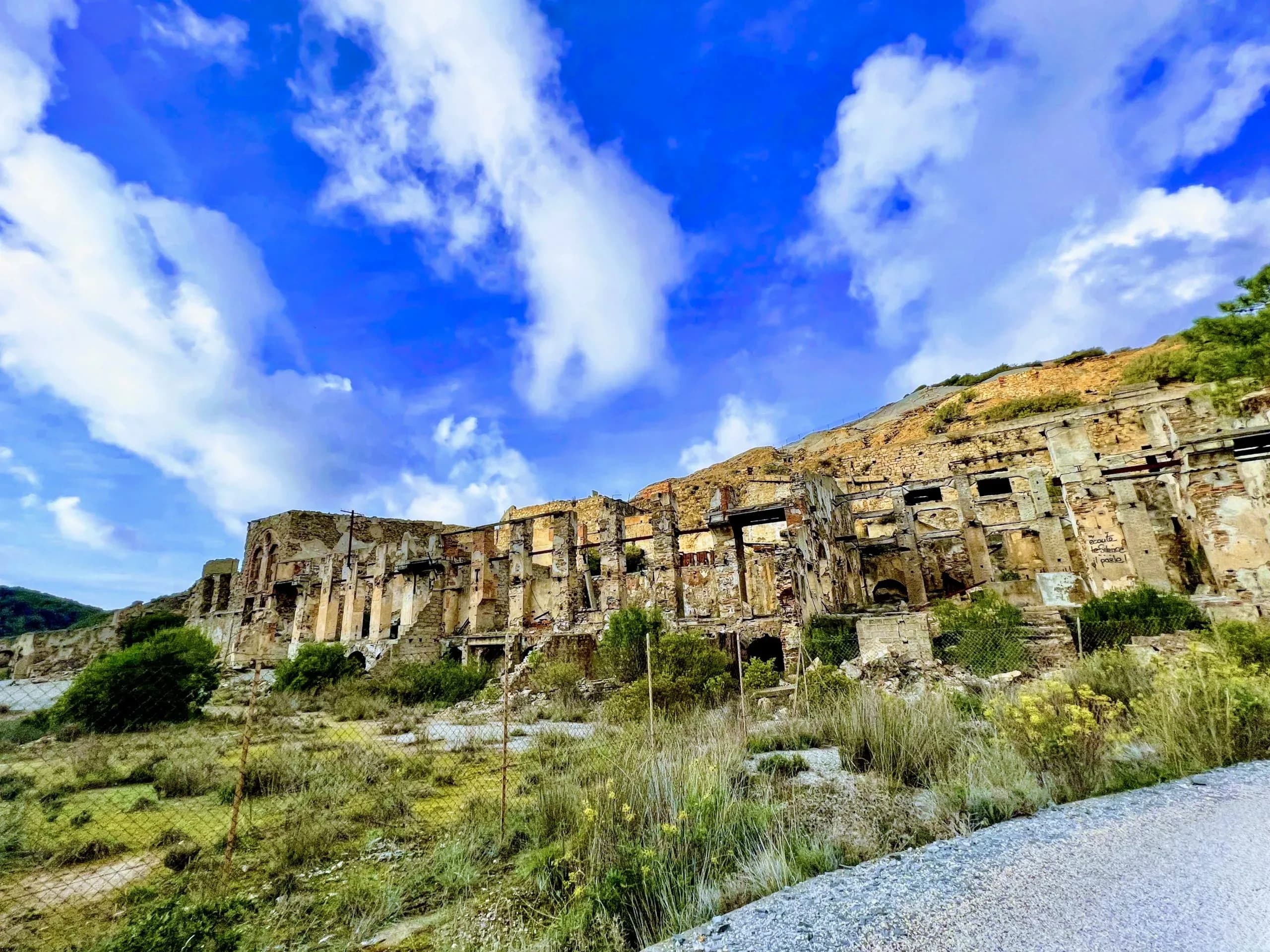

Laveria Brassey: where industry met the green hills
Southwest Sardinia is often introduced by wind, silence, and the scent of wild herbs. In a narrow valley near Arbus, the remains of Laveria Brassey add another layer: stone arches, chutes, and stairways that once moved ore and water. Workers processed lead and zinc from the surrounding ridges here, then the machinery stopped and nature inched back. Today the washery feels both open and private, a place to linger and read the landscape.
A short history in the valley
The name recalls Thomas Brassey, the British contractor whose companies shaped railways across Europe in the 19th century and financed ventures tied to industrial growth, including mining in Sardinia. In this basin, Laveria Brassey helped separate minerals from rock using water power. The broader mining district that includes Ingurtosu and Montevecchio is now part of the Sardinia Mining Park, recognized for its historical and environmental value, according to the park’s official site parcogeominerario.sardegna.it.
Planning your visit
Location: Laveria Brassey sits in the Ingurtosu area of the Arbus municipality, inland from the Costa Verde. There is no ticket booth, signage is minimal, and the site is unguarded.
- Best time: spring and autumn for cooler temperatures and wildflowers. In summer, go early or late.
- Access: car access is essential. Expect narrow rural roads and short unpaved stretches as you approach the valley.
- Footwear: wear sturdy shoes. The ground is uneven, with rubble and vegetation.
- Facilities: none at the site. Bring water, snacks, sun protection, and a small trash bag.
A practical day trip: ruins, dunes, and a miners’ village
Morning: Laveria Brassey
Arrive around 9:00. Park off the main track without blocking access. Give yourself 60–90 minutes to walk the exterior paths, photograph details, and follow the line of the former ore chutes down the slope. Do not climb inside unstable structures. The light is soft in the morning, with long shadows that suit photography 📷.
Midday: Costa Verde and the Piscinas dunes
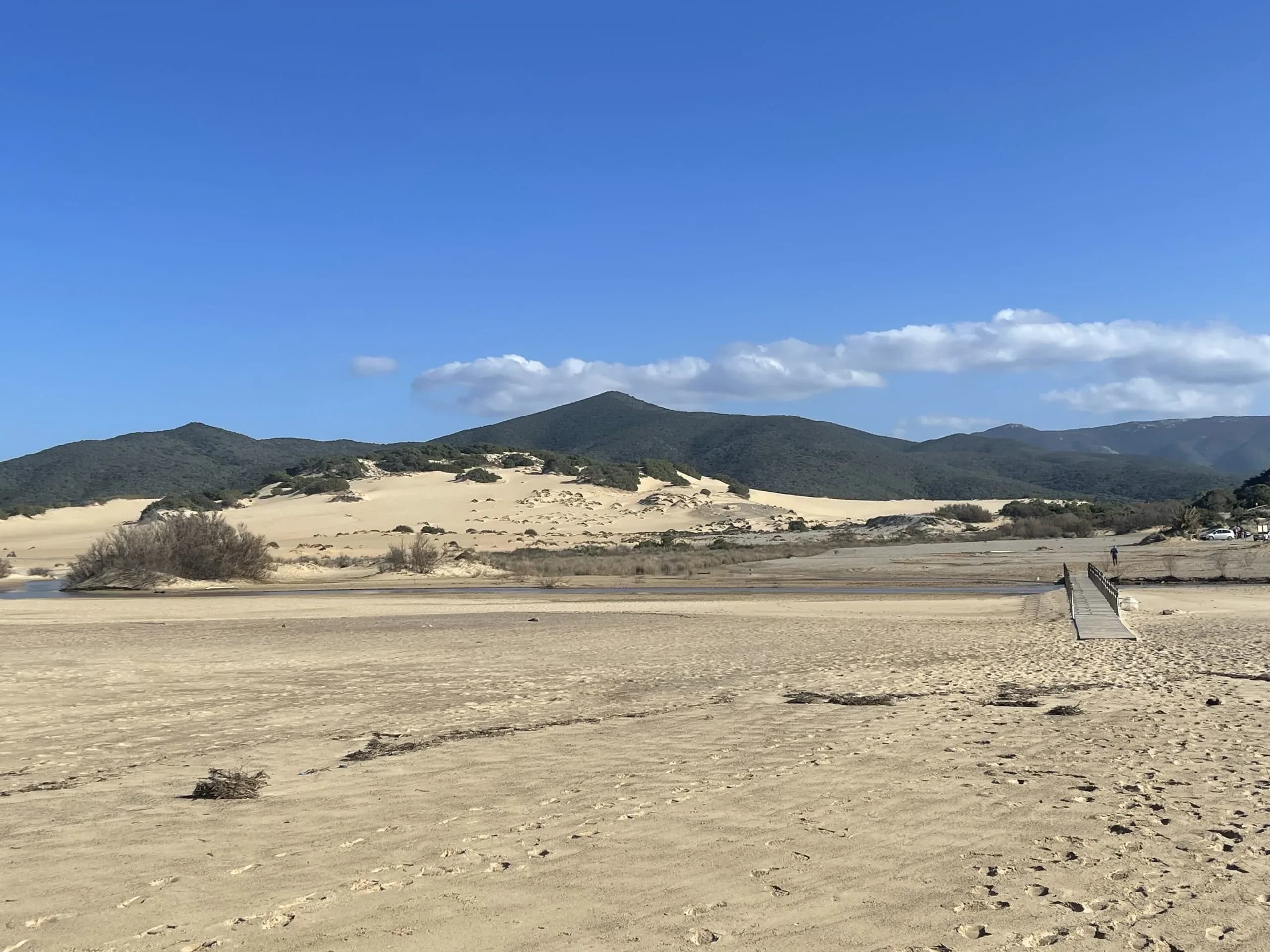
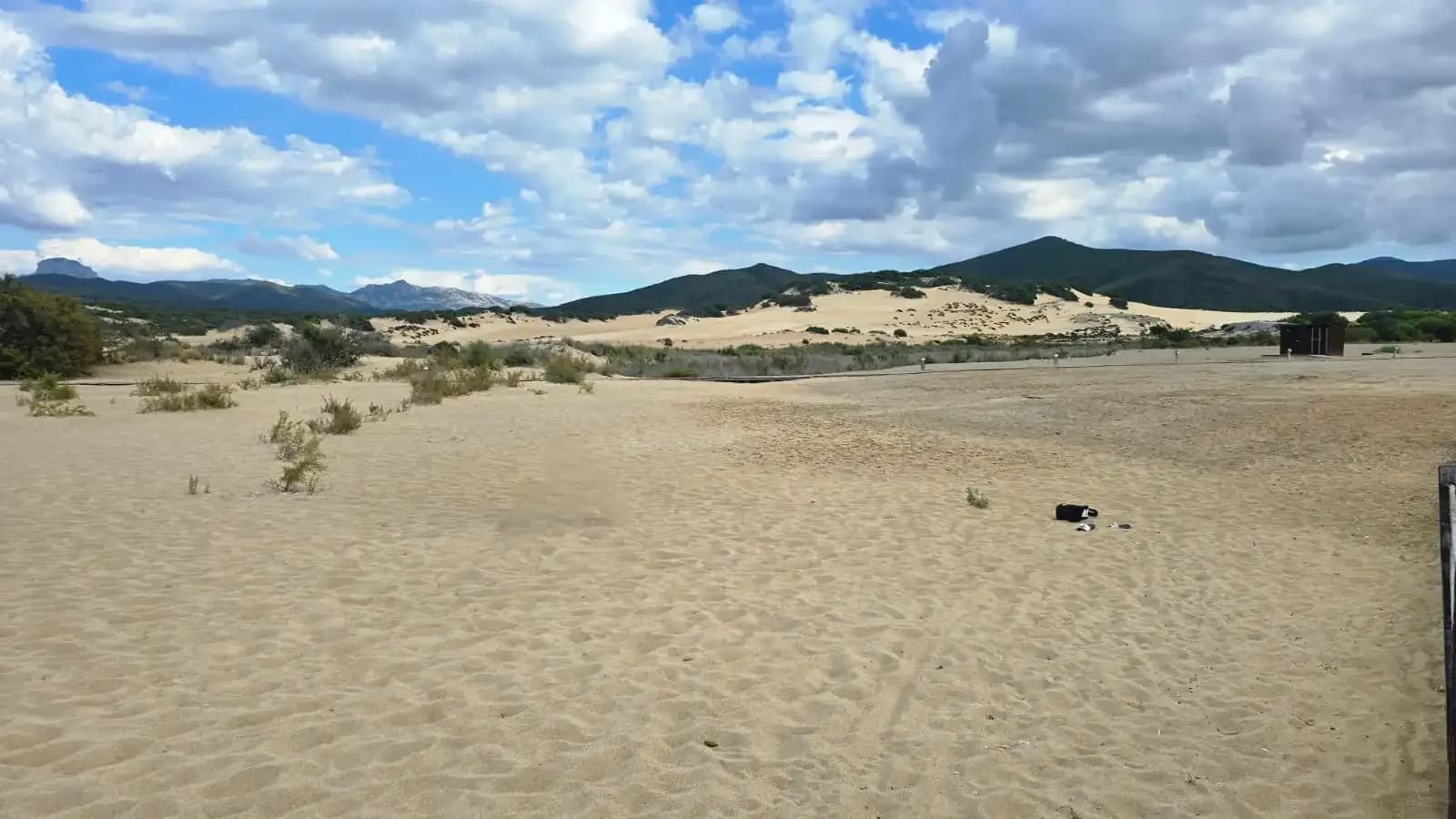
Continue 25–40 minutes by car to the Costa Verde. The high dunes of Piscinas and the wide, rough sea feel worlds away from busier coasts; the area is known for its wild character and former mining tracks that end at the beach, as outlined by the regional tourism board sardegnaturismo.it. Plan a simple picnic and a short walk on the sand; in summer, avoid the hottest hours.
Afternoon: guided tour at Montevecchio
Drive about 35–45 minutes to Montevecchio for a late-afternoon visit. Several buildings are open on guided tours that bring the mining story to life with tools, offices, and changing rooms preserved almost as they were. Tours run seasonally; check times and book if needed on the official site minieredimontevecchio.it. Allow 90 minutes.
Getting there
- From Cagliari: about 1.5–2 hours by car. Follow SS131 to the Guspini area, then local roads toward Ingurtosu and the Costa Verde. The final approach includes narrow bends; drive slowly.
- Public transport: limited. Buses reach Arbus or Guspini, but connections to Ingurtosu are scarce. For this itinerary, a car is the realistic option.
- Navigation tip: download offline maps. Mobile signal can be patchy in the valleys.
Walk with care: an unguarded ruin
Laveria Brassey is atmospheric because it is untouched, but that also means hazards. Do not enter buildings or stand beneath cracked walls. Beware of hidden holes under vegetation, rusty metal, and loose stone. If you visit with children, keep them beside you at all times. Leave everything as you find it.
Reading the details on site
- Look for the cascading layout: ore arrived at the top and descended through washing and sorting levels.
- Follow the old channels: carved runnels and concrete gutters guided water through the process.
- Scan the hillside: scattered foundations reveal workshops, storage, and workers’ paths.
Authentic stops for food and a pause
Outside peak summer, many coastal kiosks close, so plan a picnic or aim for lunch in Arbus, Guspini, or Fluminimaggiore. Agriturismi inland offer simple, seasonal menus if booked ahead. In Montevecchio, small cafés open on tour days for coffee and a slice of torta.
Thoughtful shopping: crafts with roots
In this part of Sardinia you will find practical, well-made pieces rather than souvenir stands. Look for:
- Hand-forged knives in Arbus and Guspini. Ask for the local arburesa style, and buy from a workshop that stamps its maker’s mark.
- Filigree jewelry in Cagliari’s historic center if you are passing through the capital. Seek 925 silver or 750 gold hallmarks and traditional granulation work.
- Ceramics in Assemini and Oristano, known for tableware with Sardinian motifs. Choose functional pieces with a clean glaze and a signed base.
Wherever you shop, prefer small ateliers over beach stalls, and ask the maker about the process. A brief conversation often tells you more than a label.
Why Laveria Brassey stays with you
Part of the appeal is the quiet. Another part is how clearly the landscape still holds the work that happened here. Stand for a minute and you can map the day of a shift: the approach on foot, the noise of water and ore, the walk back as the light fades. For travelers who enjoy places that show their history without filters, this valley rewards unhurried time.