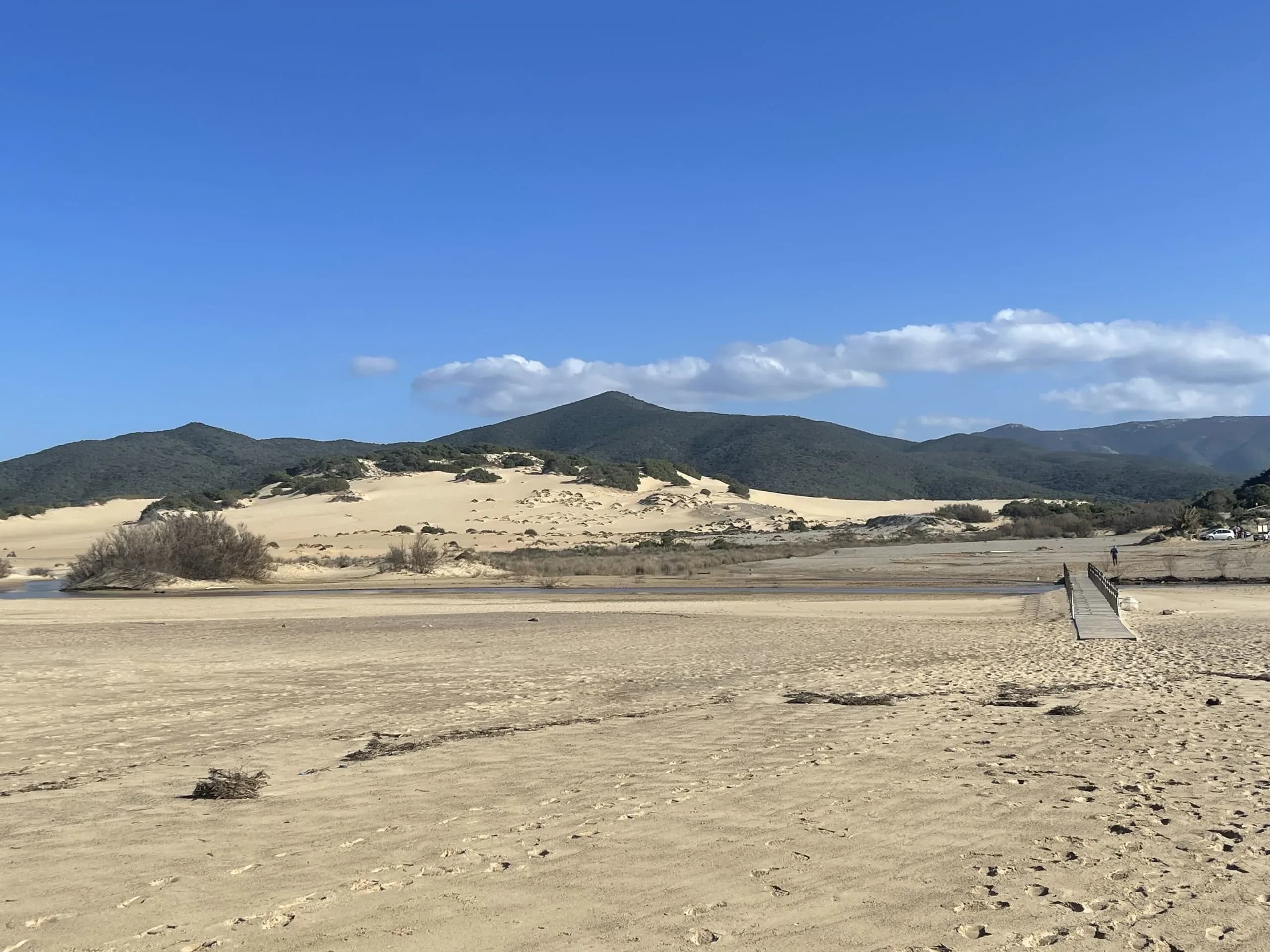

From Mines to Dunes: The Forgotten Desert of Sardinia’s West Coast ⛏️🏜️
Few visitors imagine that Sardinia hides a desert, not of sandstorms but of silence and memory. Just 30 minutes from the historic Montevecchio Mine, the road to the Piscinas dunes threads through cork oak woods, past the ghostly hamlet of Ingurtosu, and ends where gold sand meets a sapphire sea. This is the Costa Verde at its most dramatic, where industrial archaeology and wild nature share the stage.
The heart of Sardinia’s mining past
Between Arbus and Guspini, the Montevecchio and Ingurtosu mines once ranked among the Mediterranean’s most important for lead, zinc, and silver. Developed during Savoy rule in the mid 19th century, the mines powered local prosperity and hardship alike until their gradual closures, Ingurtosu in the late 1960s and Montevecchio in 1991, according to Sardinia’s regional tourism board. Today, the sites form the core of the island’s mining heritage route and are moving open air museums of work, ingenuity, and resilience.
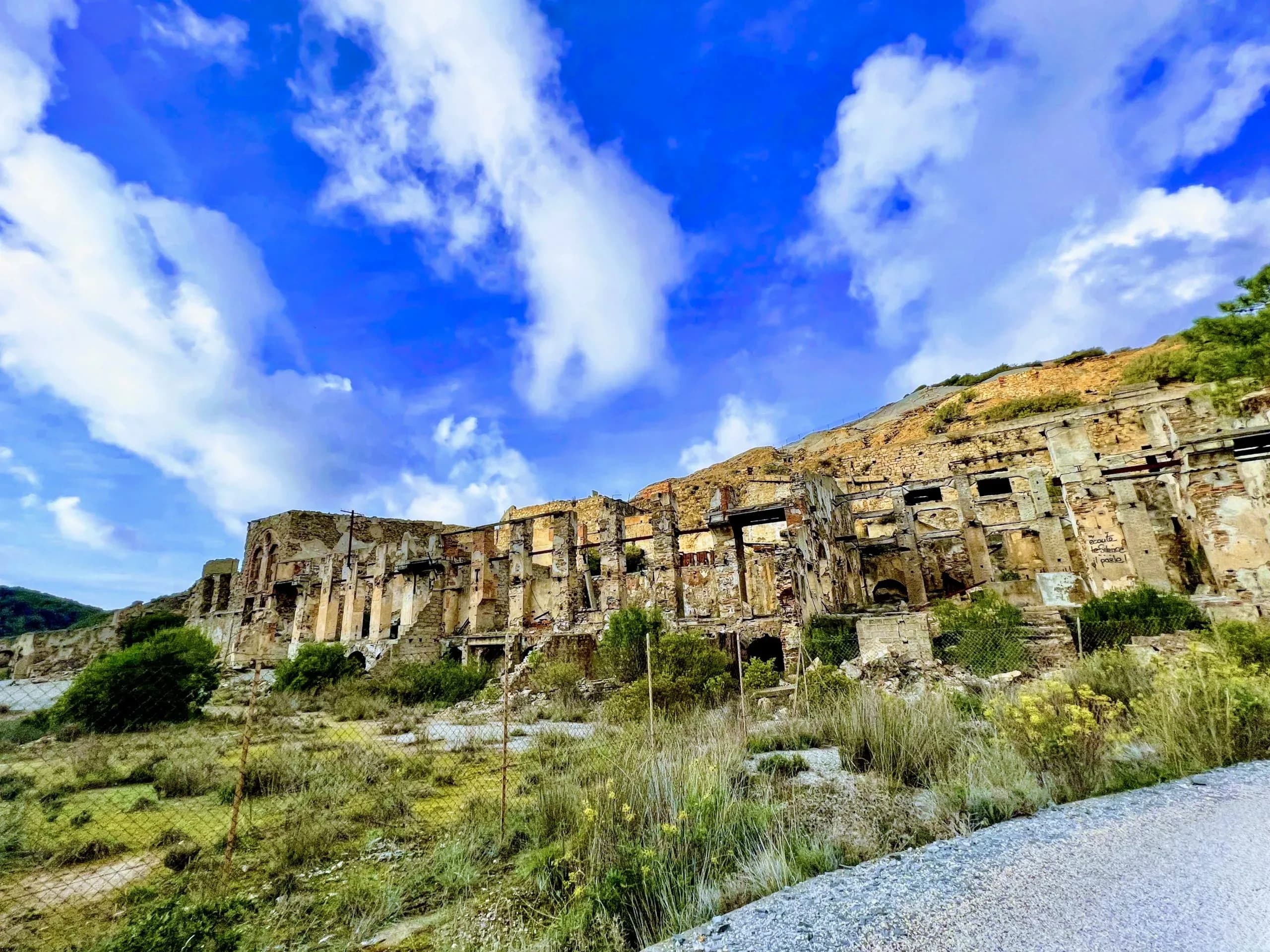
Walk the avenues of Montevecchio and you will recognize the grand Director’s Palace, workshops, and the Lamarmora washery. In Ingurtosu, the road descends past miners’ cottages toward Naracauli and the haunting remains of the Brassey washery, where ore once thundered down toward the coast. Women labored in the wash plants, men descended into the galleries, children grew up in a rhythm set by shift sirens and rail carts. It is history you do not just read, you feel.
For context and current visiting details, see the regional tourism pages for Montevecchio and Ingurtosu (English pages). Both are part of the Geo Mining Historical and Environmental Park of Sardinia, recognized by UNESCO as a model for sustainable heritage recovery, as outlined by the park authority here. 🧭
What to see among the ruins
- Montevecchio’s historic core: Director’s Palace, Lamarmora washery, workshops, and miners’ village
- Ingurtosu and Naracauli: the Brassey washery ruins framed by dunes and juniper
- Rail sidings and rusted machinery that once carried ore to the coast
Ingurtosu and the slow road to the sea
From Ingurtosu, a narrow scenic road descends the Is Animas Valley, following the former mineral track toward the coast. Nature has reclaimed the route. Cork oaks and rockrose carpet the hillsides, hawks wheel overhead, and wild boar keep to the shadows. It feels like an open air museum wrapped in forest silence, a gentle prelude to the drama waiting at the shoreline. 🌿
Allow time. Photo stops are irresistible, and the last stretch becomes a well kept dirt road. Standard cars manage fine in dry weather if driven slowly. After a final bend, the horizon opens and the Piscinas dunes appear like waves frozen in amber.
The Piscinas dunes: Sardinia’s silent desert by the sea
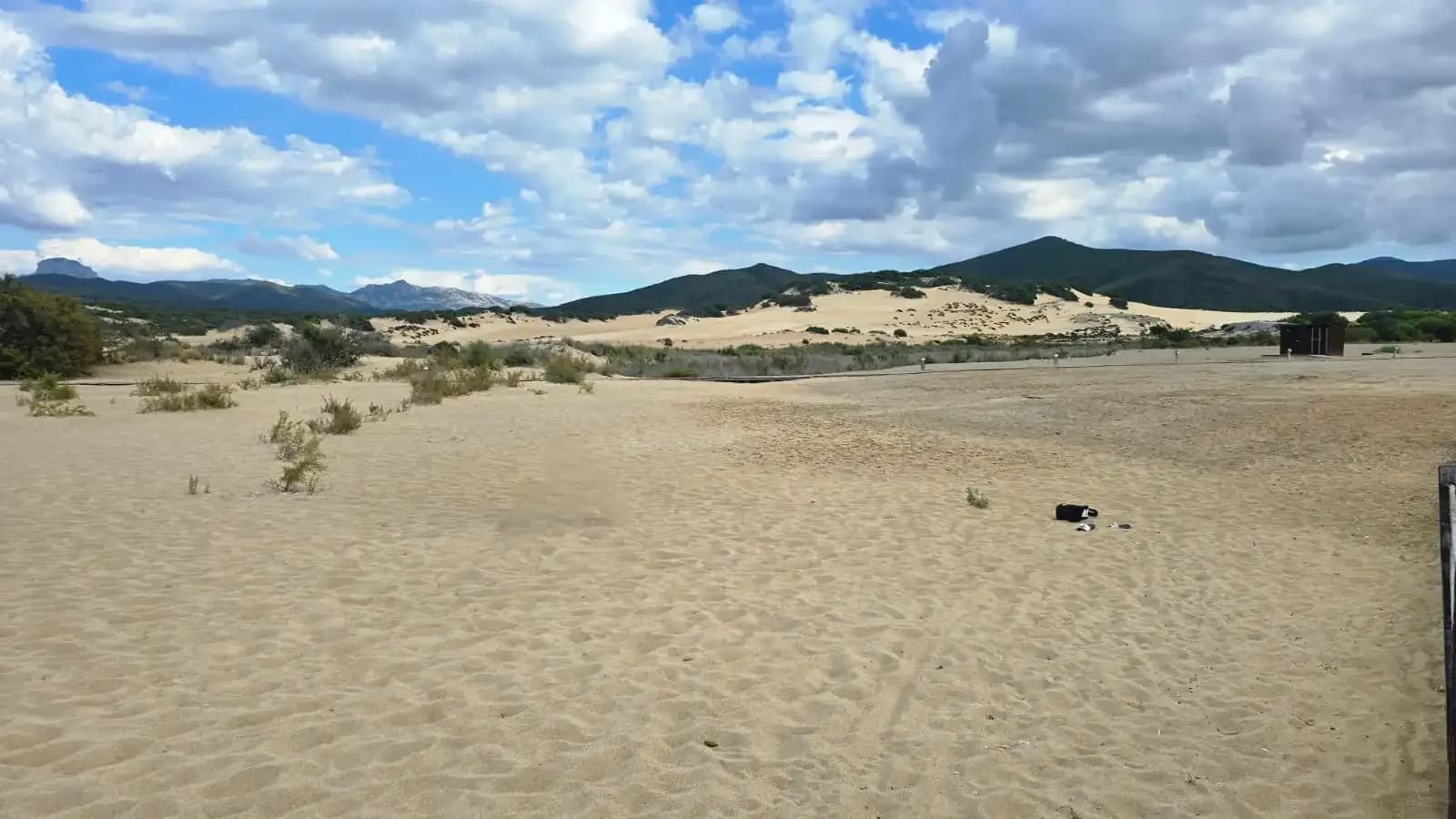
The Piscinas dunes are among the tallest coastal dunes in Europe, with peaks reaching about 60 meters, and they run for kilometers along the Costa Verde. Their forms change subtly with the Mistral, creating an ever renewed canvas of ripples and soft ridges. Between hollows and crests you will find hardy juniper, sea lilies, and Mediterranean scrub, and at dusk you may glimpse shy Sardinian deer moving between cover and shoreline. According to the Sardinian tourism board, this area is protected within the Natura 2000 network for its habitats and species, and is one of the island’s most extraordinary landscapes. Learn more. 🏜️
At the sea’s edge the beach is broad and raw, with clear water that can shift from teal to deep blue in a single gust. The contrast with the mining relics inland is striking. It is easy to understand why many travelers call the Piscinas dunes the desert of Sardinia.
Best times to visit the Piscinas dunes
- Late spring and early summer: May and June bring wildflowers, milder temperatures, and long golden evenings
- September and October: warm seas, calmer winds, fewer people
- High summer: spectacular but hot at midday, plan dawn or late afternoon walks
Swimming and safety
The west coast is often breezy, especially when the Mistral blows. Expect a lively shore break at times and occasional strong currents, with no lifeguards. On windy days many visitors choose long walks among the Piscinas dunes and a late swim when conditions ease. 🌊
Photography tips
- Golden hour: the dunes glow at sunrise and sunset, with long shadows sculpting their curves
- Minimal kit: sand and wind are not friendly to gear, bring a simple lens and a cloth
- Night sky: low light pollution often delivers brilliant stars in summer
Planning your “mines to dunes” day
This circuit blends industrial archaeology with a wild coastal environment. Take it slow and you will have a rich, nuanced sense of the west coast.
Getting there
- From Cagliari: about 1 hour 45 minutes to Montevecchio by car, then 30 to 40 minutes to the Piscinas dunes
- From Oristano: around 1 hour to Montevecchio
- Roads: paved to Montevecchio and Ingurtosu, then a graded dirt section to the beach parking
On site logistics
- Parking: limited paid lots near the beach, arrive early in summer and carry some cash
- Footing: dune walking is on soft sand, moderate fitness recommended
- Shade and services: minimal, bring a hat, sunscreen, water, and snacks
- Footwear: light hiking shoes or sandals with grip for warm sand and occasional rocky patches
Private and guided experiences
- Mining visits: book a guided tour in Montevecchio or Ingurtosu for access to restored buildings and expert storytelling
- Naturalist walk: arrange a private guide to learn about dune flora, coastal geology, and the conservation story that protects the Piscinas dunes
Where to stay and eat near the Piscinas dunes
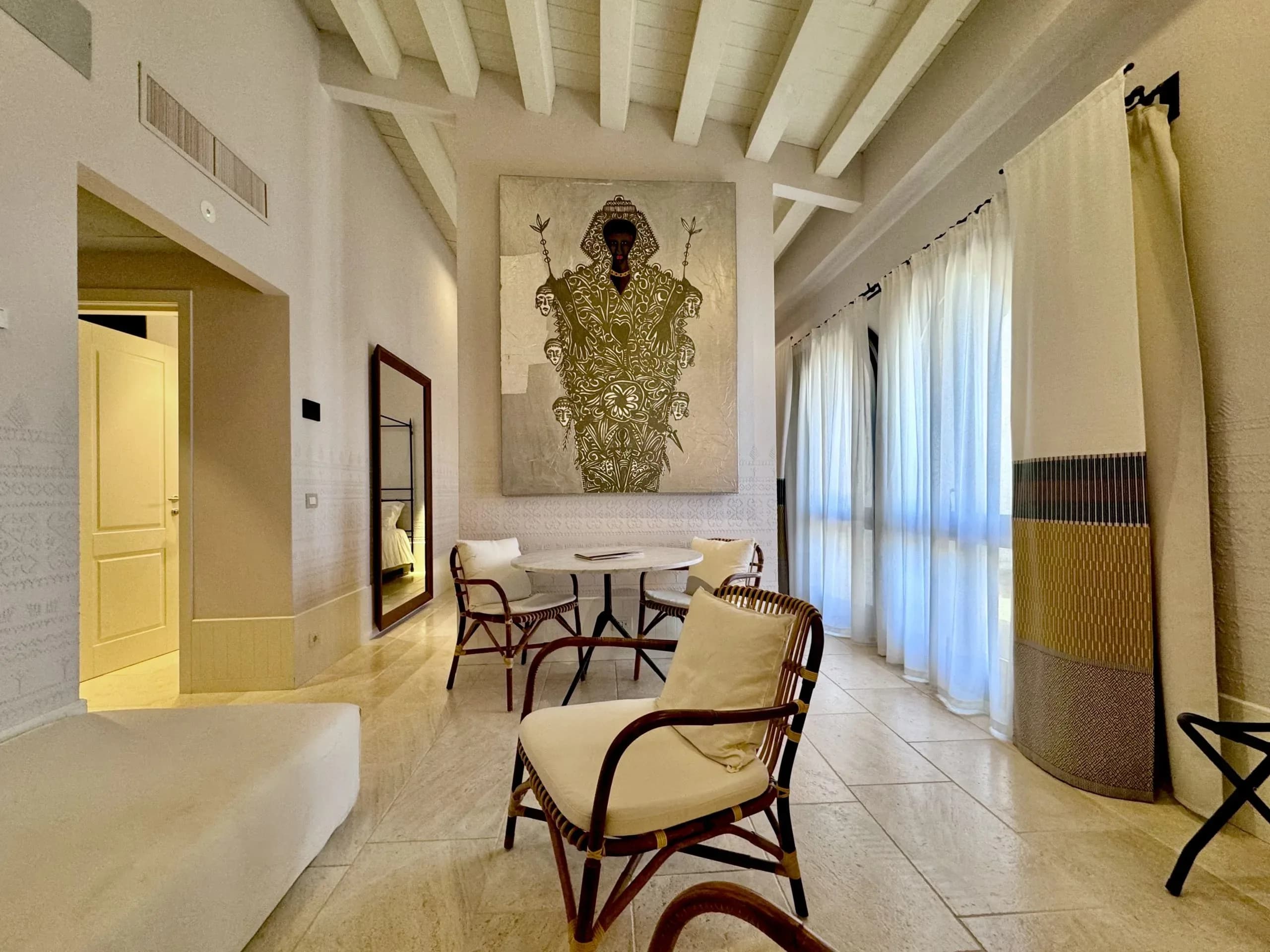
For a truly immersive experience, consider a night by the beach at the historic hotel set just behind the sand. It occupies a restored mining building and offers front row sunset views. In the countryside around Arbus and Guspini, boutique farm stays deliver silence, starry skies, and generous Sardinian cooking. Fresh seafood, handmade pasta, and a glass of Cannonau or Vernaccia make a fitting end to a day among the dunes. 🍷
Responsible travel on the Costa Verde
- Respect the dunes: stay on marked paths to protect vegetation and nesting sites
- No sand or shells: leave the beach as you found it, collecting is prohibited
- Wildlife first: sea turtles occasionally nest here, keep distance from any cordoned areas
- Industrial remains: admire from a safe distance and do not climb unstable structures
- Pack in, pack out: bins are scarce, carry your litter back with you
A refined “mines to dunes” itinerary
Morning: arrive in Montevecchio for a guided tour of the Director’s Palace and Lamarmora washery. Pause for an espresso in the village. Late morning: continue to Ingurtosu, pausing to photograph the Brassey washery and the long valley toward the coast. Lunch: a relaxed meal in the countryside, or a light bite before the final stretch.
Afternoon: drive the last leg to the Piscinas dunes. Park and walk along the shore, then climb gently into the dune field on the signed path. Find a quiet perch and watch the light shift from gold to rose. Evening: dinner at your hotel or a nearby agriturismo, where you can raise a glass to one of the island’s most singular landscapes. 📸
Frequently asked questions
Are the Piscinas dunes really a desert?
They are not a Saharan desert, yet the scale, silence, and aridity of the dune field earn the nickname. The Piscinas dunes offer Sardinia’s most convincing desert atmosphere beside the sea.
How high are the dunes?
Peaks reach roughly 60 meters, placing the Piscinas dunes among Europe’s tallest coastal dunes, according to the Sardinian tourism authority.
Can I drive on the sand?
No. Vehicle access on the dunes is prohibited. Park in designated areas and explore on foot.
Is a 4x4 required?
In fair weather a standard car is sufficient for the approach road. Drive carefully, especially on the final dirt section.
Can I combine this with other west coast sights?
Yes. The wild beaches of Scivu and Portixeddu, the village of Arbus, and the San Gavino di Monreale area pair well with a visit to the Piscinas dunes and the mines of Montevecchio and Ingurtosu.
Why this journey lingers
The Geo Mining Park tells a story of human endurance and invention. The Piscinas dunes tell a story of wind, time, and tenacious life at the water’s edge. Together they capture the soul of the island’s west coast. Walk the rails of memory in the morning, then the soft crests of the desert of Sardinia by afternoon, and you will carry the day long after you brush the sand from your shoes. ✨
Sources: factual details on mine history and visiting from the Sardinian regional tourism board pages for Montevecchio and Ingurtosu. Dune height, protection status, and nature from Dunes of Piscinas. Park recognition from the official Geo Mining Park site.