
What Are ORTIJONE Oysters?
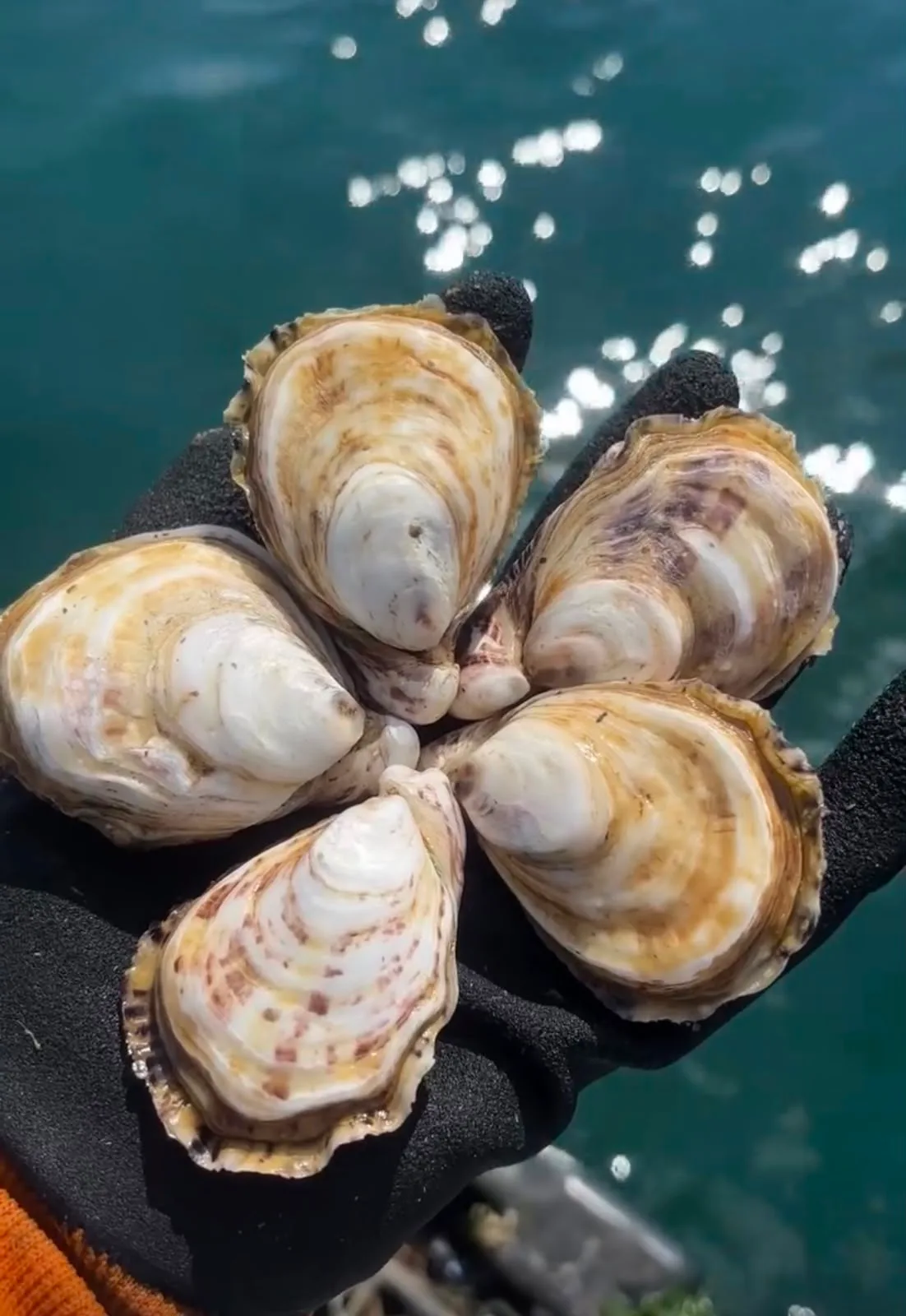
Ostriche, or oysters, are not the first thing most visitors associate with Sardinia's cuisine, which tends to be built around bottarga, pane carasau and grilled fish from the open sea rather than shellfish beds. But in the sheltered waters of the Golfo di Olbia, a young operation is quietly changing that picture with a product called ORTIJONE: high-quality oysters raised specifically in this gulf, prized for their distinctive round shape and for meat that is notably soft and succulent rather than the firmer, more mineral bite you might expect from a French Belon or a Fine de Claire.
The Golfo di Olbia Oyster Farm
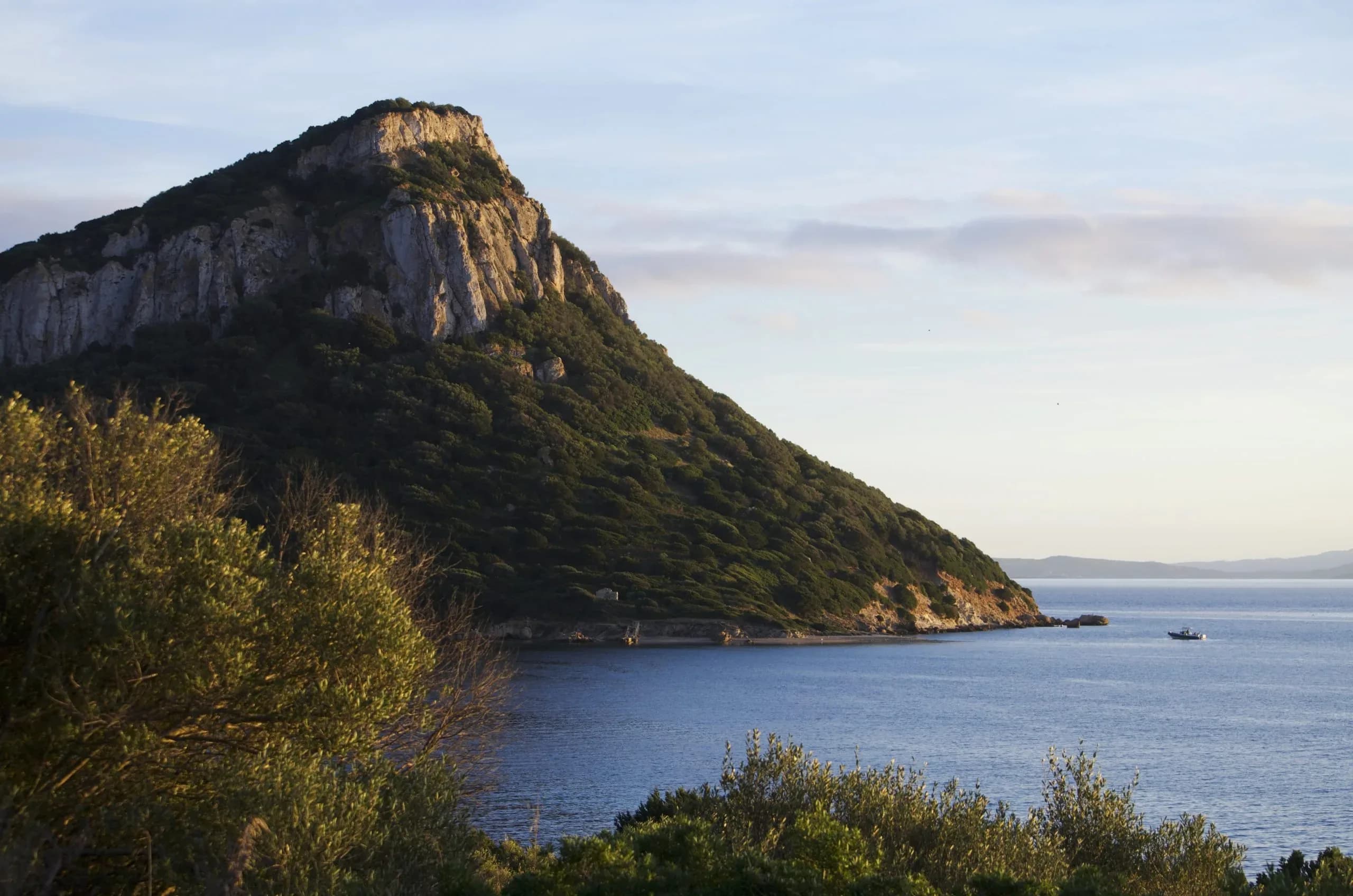
ORTIJONE comes from Soc. Coop. Biotecmar, a company already established as a leading name in mollusc farming, which since 2023 has extended its work into oyster cultivation in the Golfo di Olbia. The gulf itself is a naturally sheltered stretch of water on Sardinia's north-eastern coast, and it is this calm, protected environment that makes the site suitable for the kind of careful, low-intervention farming that oysters need to develop properly.
Stefano and Yamila: the people behind ORTIJONE
Behind the operation are two young growers, Stefano and Yamila, whose enthusiasm for the project comes through even in a short conversation about it. They describe themselves as committed to getting the cultivation right, and to growing both the quality of the oysters and the scale of the business over time, rather than rushing either.
Farming Methods: Australian Baskets and Traditional Poches
The technique combines two approaches: Australian baskets, a modern method that tumbles the oysters gently as tides move, encouraging a rounder shell and firmer growth pattern, and traditional poches, the mesh bag system long used in European oyster farming. Biotecmar applies sustainable techniques designed to respect the marine ecosystem of the gulf, working within a naturally protected environment rather than an artificial or heavily engineered one. The result, according to the growers, is oysters that keep their freshness and quality through a process that stays close to how oysters would develop in the wild, just managed with more care and consistency.
Tasting Notes: What ORTIJONE Actually Taste Like
Pulled from the gulf, an ORTIJONE oyster shows the round, compact shape the growers are known for. The meat inside is soft and tender, with a creamy texture and a white-cream colour running through with subtle tinges of green and blue. On the palate, the flavour is delicate rather than aggressive: salty, distinctly of the sea, with that characteristic marine aftertaste that lingers just long enough to make you reach for the next one. It is a gentler, more approachable style of oyster than some of the assertively briny varieties found further north in Europe, which may suit those who find oysters intimidating at first.
Where and How to Taste Them
ORTIJONE oysters can be tasted at the retail sale point at the farm's own location in the Golfo di Olbia, where the growers sell directly. Because opening hours, availability and exactly what is on offer at any given time can shift with the season and the harvest, it is worth checking directly before making a special trip out. If you are staying nearby, in a villa or apartment along the Olbia coast, this kind of direct-from-producer tasting is easy to build into a self-catering stay; guests coordinating longer lets through our Rental12 ecosystem often like to fold a farm visit like this into their week rather than relying solely on restaurant menus.
Pairing suggestions
The growers themselves are clear about how to enjoy ORTIJONE: as an aperitivo or as the opening course of a meal, matched with a good white wine. Given the setting, a chilled Vermentino di Gallura is the obvious local choice, its citrus edge and saline finish sitting comfortably alongside the oyster's own delicate salinity. For those settling in for an aperitivo along the Olbia waterfront afterwards, spots covered in our guide to the lungomare di Olbia make a natural next stop.
A grower's send-off
Enjoy your tasting. It will be music to your palate.
That is roughly how Stefano and Yamila sign off their pitch for ORTIJONE, and it captures the enthusiasm they bring to a product still finding its feet on the Sardinian food scene.
Why This Matters for Sardinia's Food Scene
Sardinia's culinary reputation rests heavily on its land: Cannonau from Nuoro's hillsides, maialetto roasted over myrtle, seadas drenched in honey. Oyster farming is a newer thread, and one worth watching, particularly from an operation with an established track record in mollusc cultivation and a stated focus on sustainable, low-impact methods within a protected gulf environment. Whether ORTIJONE becomes a fixture on restaurant menus around Olbia or remains primarily a direct-from-the-water experience for those who seek it out, it is a reminder that the Golfo di Olbia has more going on beneath its surface than the boats moored along its edge suggest.