
There is a particular kind of pasta you find on almost every trattoria menu in Sardinia, usually listed simply as malloreddus, sometimes with the fuller name malloreddus alla campidanese beside it. It looks unremarkable on paper: small, curved, ridged shapes bathed in a red sauce. But it is, quietly, one of the island's most satisfying dishes, and one I go back to regularly at a restaurant on Viale Aldo Moro in Olbia.
What Are Malloreddus?
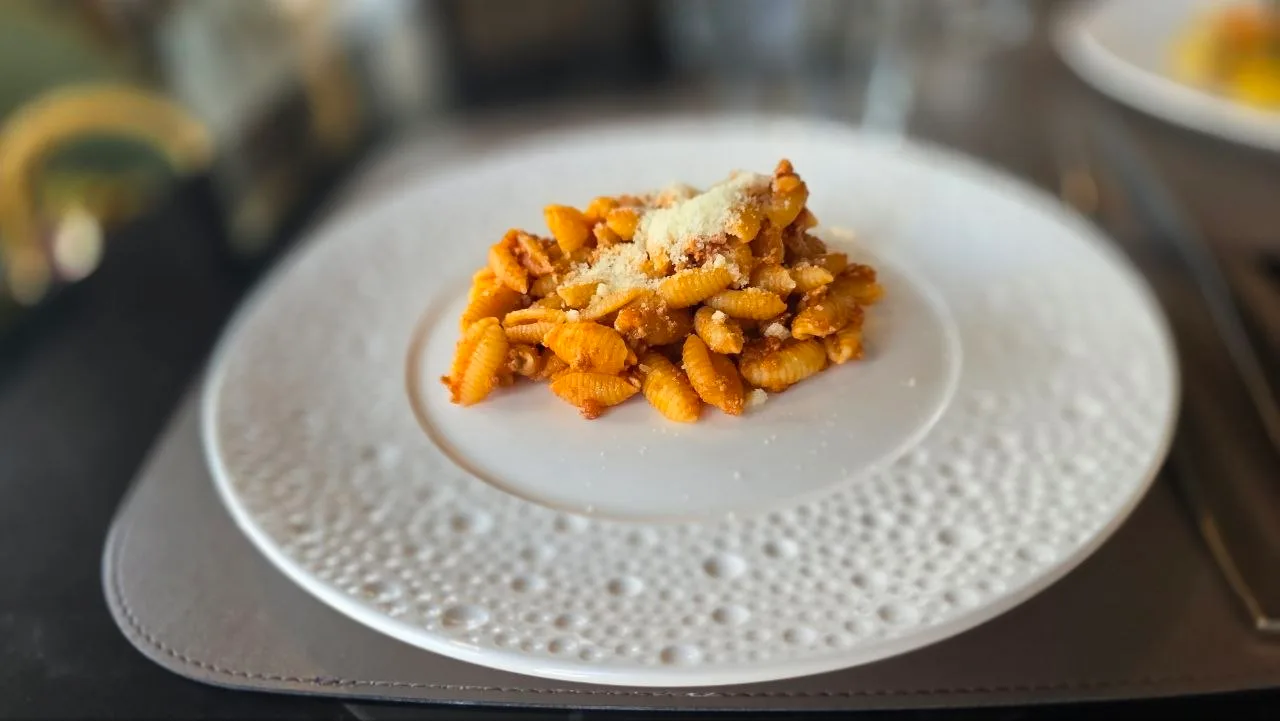
Malloreddus, also known as gnocchetti sardi, are small, slightly curved pieces of pasta with distinctive ridges running along their surface. Despite the name resembling gnocchi, they have nothing to do with potatoes. They are made with only durum wheat semolina and water, which makes them firmer than their soft, potato-based cousins.
The Traditional Shape
Traditionally, small pieces of dough were rolled against a woven basket or a ridged wooden board called a ciuliri. This simple technique presses grooves into each piece, and those grooves matter: they are what allows the sauce to cling to the pasta rather than sliding off it. The dish is particularly associated with Campidano, the fertile agricultural plain that stretches across southern Sardinia, though you will find it served across the whole island today, from small family-run trattorias to restaurants along the Costa Smeralda.
How Are Malloreddus Traditionally Prepared?
The most recognized version is malloreddus alla campidanese. The traditional sauce combines fresh pork sausage, tomatoes, onion, a thread of saffron, and grated Sardinian pecorino cheese. The sausage is browned with the onion first, then tomatoes are added, and the sauce is left to simmer gently until it thickens and turns fragrant with saffron. The cooked pasta is tossed directly into the sauce, rather than being sauced on the plate, and finished with a generous handful of pecorino.
A Simple, Hearty Result
What comes out of that process is deceptively simple: rich, aromatic, and substantial enough to be a meal on its own. It is the kind of dish that rewards good ingredients rather than complicated technique, which is precisely why it turns up so often on everyday tables rather than only in restaurant kitchens.
Where I Eat Malloreddus in Olbia
I often have lunch at Nord Est, a restaurant at Viale Aldo Moro 183 in Olbia. One of the restaurateurs is a friend of ours, so there is always a particularly welcoming atmosphere when I walk in. At lunchtime, the restaurant runs a buffet with a rotating selection of hot dishes, a salad bar, and plenty to choose from without committing to a single plate off a menu.
Almost every time I visit, malloreddus are somewhere on that buffet. I tried them again recently and was reminded, as I often am, how good a properly made traditional pasta dish can be without any fuss: rich meat sauce, tender pasta holding its shape, and a light dusting of grated pecorino. Nothing more is needed.
More Than Just a Meal
The food is only part of the reason I keep coming back. Many of my friends and acquaintances have lunch here too. I can walk in alone and, within a few minutes, find myself sharing a table, catching up on news, or meeting someone new. For me, Nord Est has become more than a restaurant. It is somewhere to connect, enjoy delightful company, and do a little unexpected networking over a plate of pasta.
On Lunch and Conversation
Sometimes the most interesting conversations happen over lunch, and that is precisely the appeal of a place like this: you go for the malloreddus, and you leave having caught up with three people you had not planned to see.
How Much Does Lunch at Nord Est Cost?
The fixed-price lunch buffet costs €15, and you can eat as much as you like from the hot dishes and the salad bar. This price is based on my visit in September 2026; prices and the buffet selection may change, so it is worth checking directly with the restaurant, particularly for current lunch hours, before you go.
It is a convenient option in Olbia if you want a proper sit-down lunch without a long wait and without being forced to choose only one dish. If you are staying in a villa or apartment booked through our Rental12 ecosystem, a lunch like this makes a sensible, unhurried anchor to the middle of the day, before heading back out to the beach or getting on with an afternoon of sightseeing.
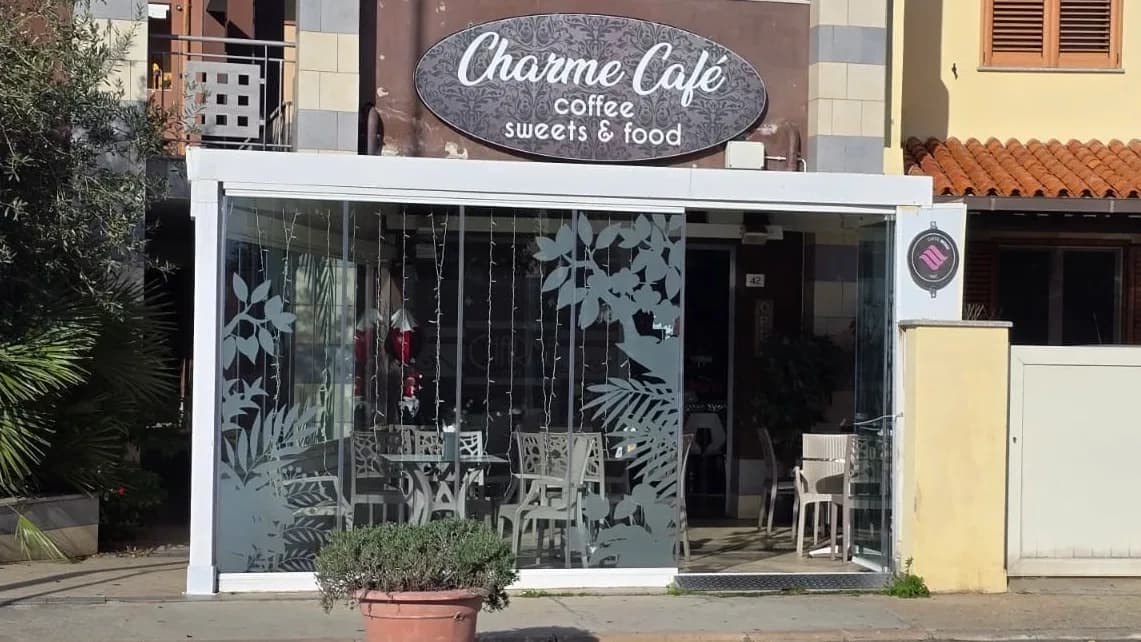
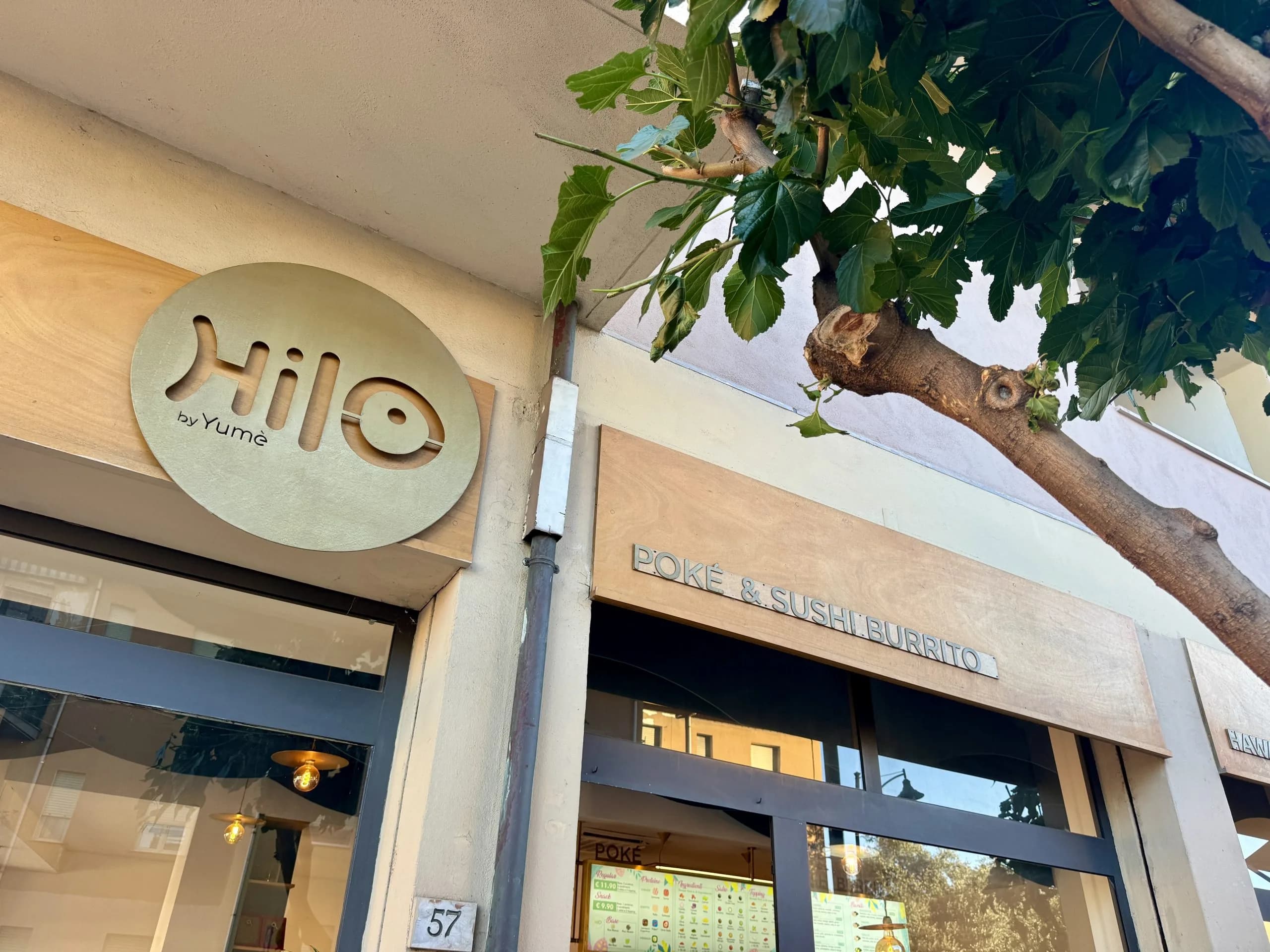
Viale Aldo Moro has become something of a small dining strip in its own right, with spots like Hilo Poke Bowl and Si!If you fancy something different on another day, there's ramen nearby. But for a proper Sardinian lunch, Nord Est is my regular choice.
A Little Taste of Everyday Sardinia
Malloreddus are more than a traditional recipe copied out of a cookbook. They are part of everyday life on the island, turning up at family lunches, at agriturismi, and on the daily specials board of local restaurants that never bother advertising themselves as authentic because they simply are. If you are visiting Olbia, and you want to understand why so many people are drawn to base themselves here, as I wrote about in Why Olbia Is the Perfect Sardinian Base, try this pasta somewhere the locals actually eat, rather than limiting yourself to the more obviously tourist-facing spots.
And if you do stop by Nord Est, do not be surprised if a good lunch comes with an interesting new acquaintance thrown in. That is what I love about places like this: good food brings people together, and an ordinary weekday lunch becomes a small highlight of the day.