
Why I Moved to Olbia and Never Looked Back
Five years ago, I traded traffic jams and cold drizzle for sunshine and sea air. My name is Danny, and I moved to Olbia on a hunch that life could feel lighter. It did. I have lived in cities across Europe, yet nothing compares to this Sardinian gem. Just last week I swam in 22°C water in late October, the kind of small joy that reminds me why I moved to Olbia in the first place.
Why I moved to Olbia
Olbia blends the best of a coastal city with the ease of a well-run town. When I moved to Olbia, I wanted everyday convenience, a friendly community, and real connection to nature. I found all three. The calendar might say autumn, but the skies often act like summer. The vibe is upbeat, the water is clear, and life feels unhurried yet efficient.
Everything is close, and life is sweet 🌞
Olbia’s magic is its scale. Almost everything is 10 to 15 minutes away, which makes daily life incredibly smooth. That is a huge part of why I moved to Olbia and never looked back.
- Airport: Olbia Costa Smeralda Airport sits about 4 km from the center, with year-round links to Rome and Milan plus seasonal routes across Europe, according to the airport operator Geasar.
- Port: The Isola Bianca harbor connects you by ferry to mainland Italy, including Civitavecchia, Livorno, and Genoa. Schedules vary by season via the Sardinian Port Authority.
- Beaches: Pittulongu, Bados, Mare e Rocce, and Porto Istana are a quick drive. Bring a towel and be in the water before your coffee cools.
- Roads: The SS131 d.c.n. and SS125 make exploring Sardinia easy, from La Maddalena to the Barbagia mountains.
Effortless connections ✈️
When I first moved to Olbia, I worried about feeling isolated. The reality is the opposite. Flights and ferries keep you connected, and the city’s compact layout means door-to-gate times are short. For frequent travelers, it is a game changer.
Safe, friendly, and sunny
I have left my beach bag unattended more times than I should. It has always been there when I returned. Crime is low, people are kind, and daily life feels calm. Sardinia also sits in one of Italy’s lowest seismic risk zones and has no active volcanoes, as outlined by Italy’s Civil Protection Department here. The climate helps too. Winters are mild, shoulder seasons are glorious, and those bonus-swim days in October and November are very real.
Most days are sunny. Most greetings come with a smile. Most meals are a celebration. That sense of warmth is exactly why I moved to Olbia and why it continues to feel like home.
Food that feeds the soul 🍝
Local food here is next-level. Markets brim with color, and restaurants lean into seasonal, regional ingredients. Think handmade pasta like malloreddus, slow-roasted pork, and seafood caught that morning. Seadas with local honey finish more lunches than I care to admit. Prices are refreshingly fair for the quality, especially once you step off the most touristed strips of Costa Smeralda.
When I moved to Olbia, the market became my happy place. You pop in for tomatoes and leave with olives, bottarga, pecorino, and a new recipe from the vendor who insists you try it tonight.
Healthcare and daily services that work
For peace of mind, Olbia delivers. Mater Olbia Hospital is a modern facility that opened in partnership with leading institutions, offering advanced care and diagnostics according to the hospital. Pharmacies are abundant, and everyday errands are quick thanks to the city’s compact size. This practical reliability is one of the reasons I moved to Olbia and stayed.
Where people live: neighborhoods to consider 🏡
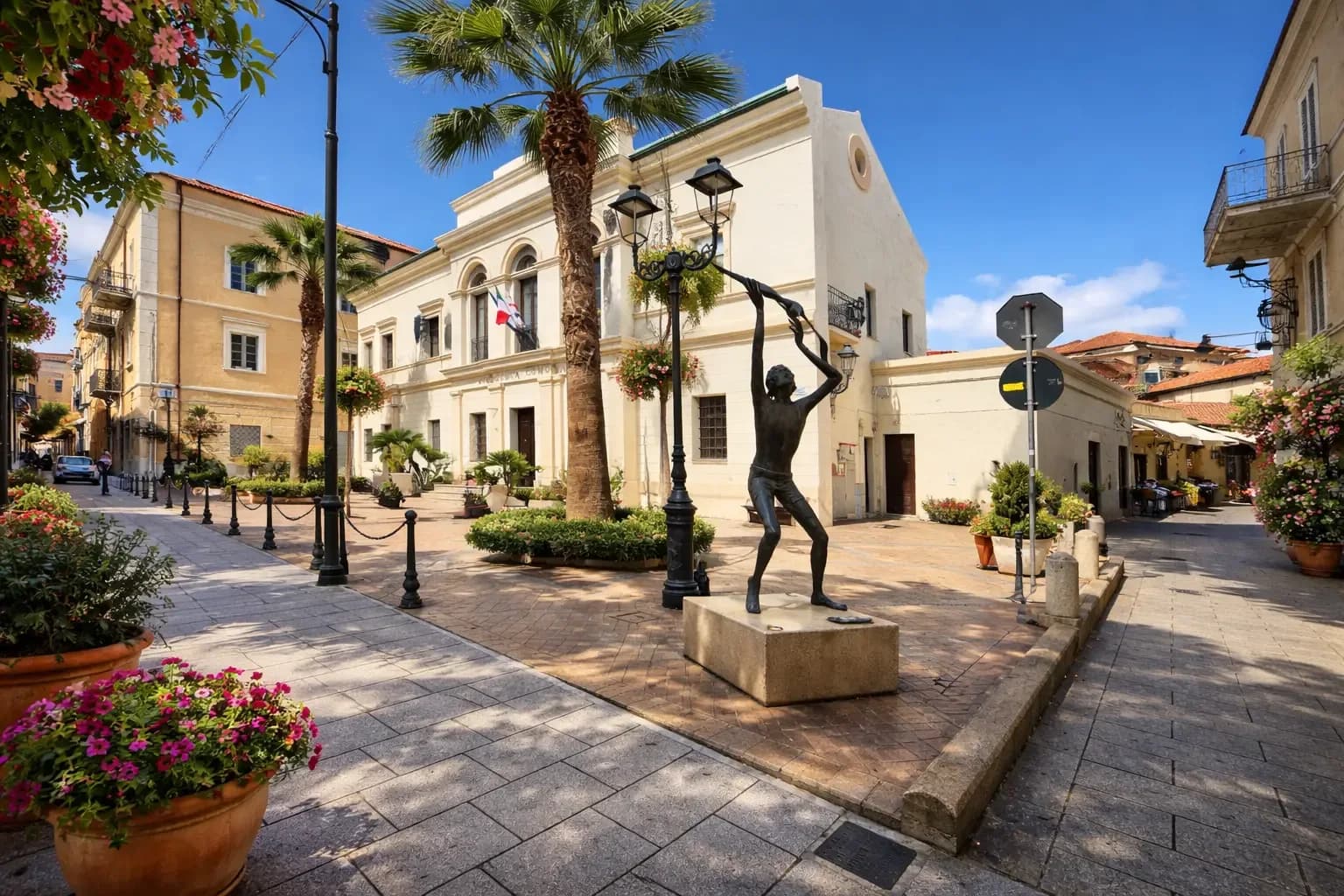
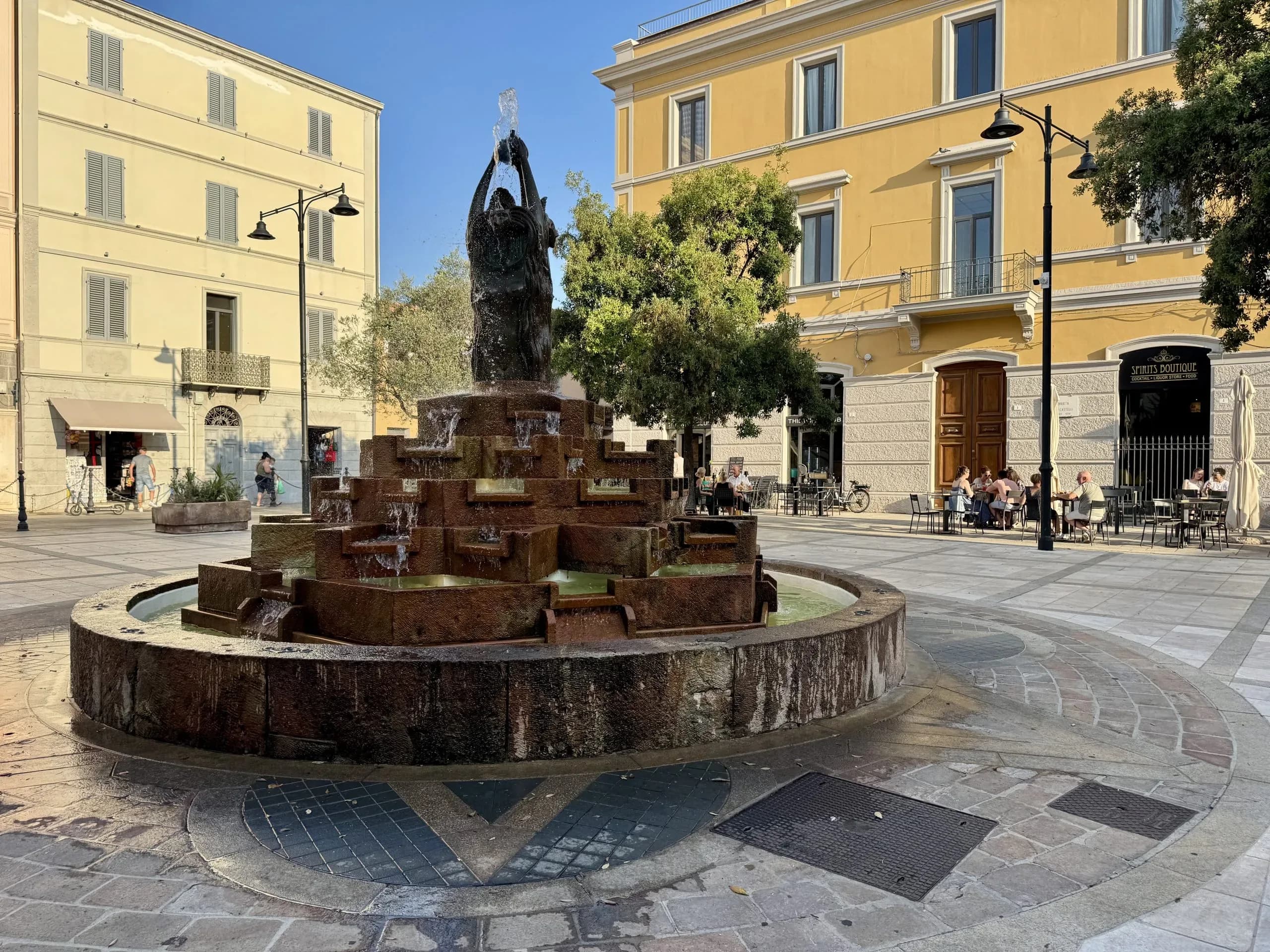
- Historic Center: Walkable streets, cafes, and easy access to the port. Great if you like being in the mix.
- Pittulongu and Bados: Beach life with year-round residents, popular with families and remote workers.
- Murta Maria and Porto Istana: Quiet bases south of the city with dreamy beaches minutes away.
- San Pantaleo: A stylish artist village in the hills, about 20 minutes by car, with a superb weekly market.
When I moved to Olbia, I tried a few areas before settling. Each pocket has its rhythm, so a short-term stay is a smart way to test-drive your favorite spot.
Working and living here
- Connectivity: Fiber internet is available in much of the city, plus 4G and growing 5G coverage.
- Transport: A car is helpful, especially for beaches and countryside. Within the center, walking works.
- Seasonality: Summer is buzzing, spring and autumn are bliss, and winter is calm but far from closed.
- Schools: There are bilingual and international-style options in North Sardinia, as well as well-rated local schools.
These practical comforts made it easy when I moved to Olbia to work remotely and settle into a steady rhythm.
RENTAL12 had my back
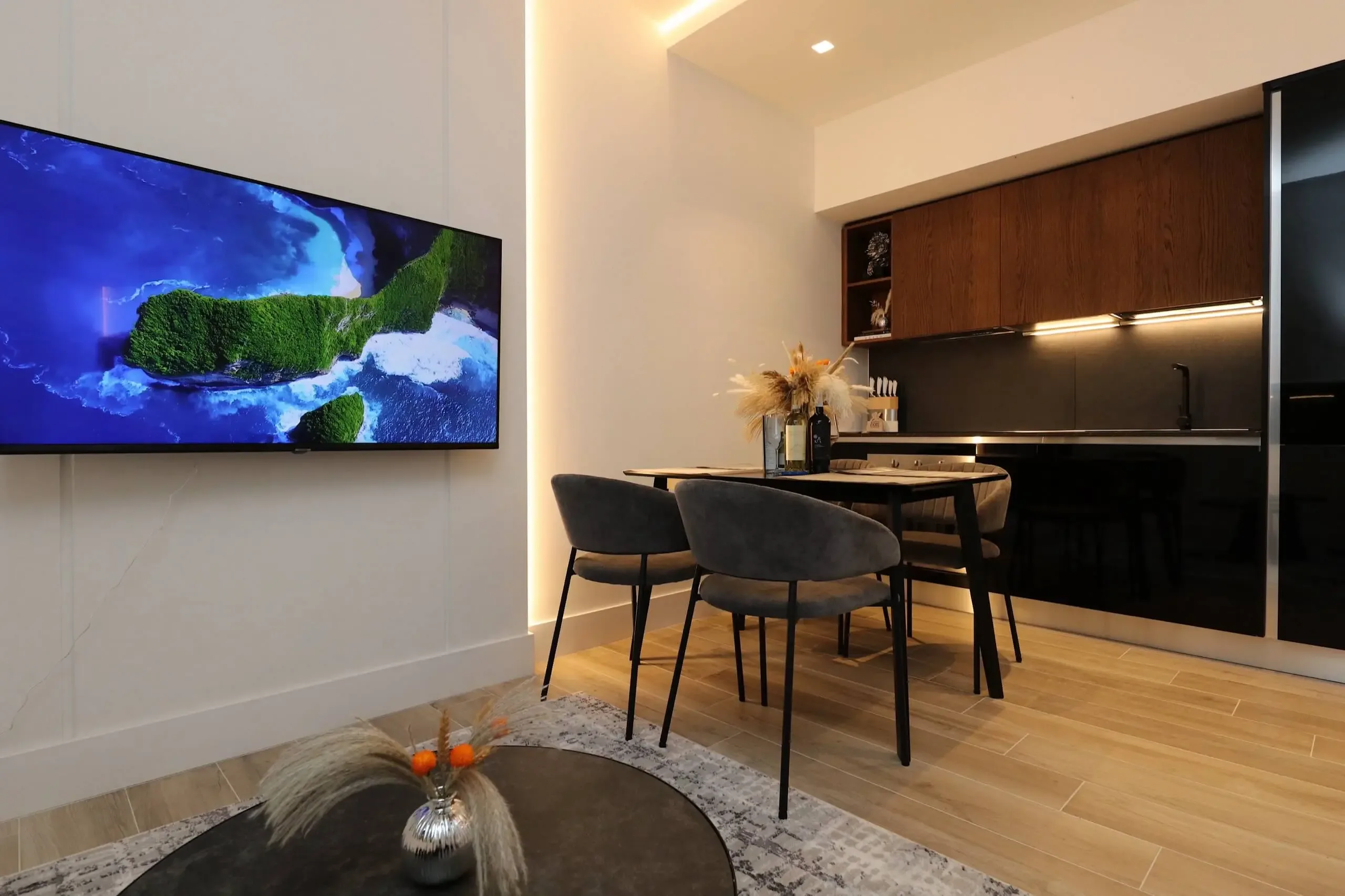
When I arrived, RENTAL12 helped me find a holiday rental that quietly turned into home. They answered all my questions, even the odd ones, and never made me feel silly. Their local team was pure gold during that first month. If you plan to move to Olbia, hand-holding in the early days is worth its weight in Vermentino.
Why choose RENTAL12 and NR12
- Curated holiday homes in top locations, from city center apartments to beachy boltholes
- Friendly local experts for daily help, from where to shop to which beach suits your morning swim
- NR12 relocation support that simplifies everything, from paperwork to settling-in logistics
Try living here before you leap
Thinking of moving to Olbia? Book a month in a RENTAL12 home, explore a few neighborhoods, and let NR12 guide the rest. Test the school run, try different beaches, and see how your days feel. That is exactly how I moved to Olbia with confidence.
Practical tips if you want to move to Olbia
- Timing: Spring and autumn are ideal for a scouting trip. You will see the real day-to-day pace.
- Documents: EU citizens have it easy. Non-EU citizens should plan visas and permits well in advance.
- Car hire first, car purchase later: Renting gives you time to learn parking rules and find the right vehicle.
- Learn a little Italian: Locals appreciate the effort, and it opens doors faster than anything else.
FAQ about life in Olbia
Is Olbia a year-round city?
Yes. Tourism peaks in summer, but the city runs all year with open shops, markets, and services. That stability was a major factor when I moved to Olbia.
Do I need a car?
It helps. Buses exist, taxis are available, and the center is walkable, but a car makes beaches and day trips effortless.
What about safety and natural risks?
Olbia is calm and friendly, and Sardinia’s seismic risk is among the lowest in Italy, with no active volcanoes, as noted by the Civil Protection Department. This peace of mind mattered when I moved to Olbia.
How hot is summer, and how mild is winter?
Summers are hot and breezy by the sea. Winters are generally mild, with sunny stretches and occasional rain. Those shoulder seasons are the sweet spot.
Ready when you are
If you are weighing the leap, consider this your sign. Book a beautiful base through RENTAL12, lean on NR12 for relocation, and see how quickly your days start to glow. I moved to Olbia for a season and found a forever home. You might too.