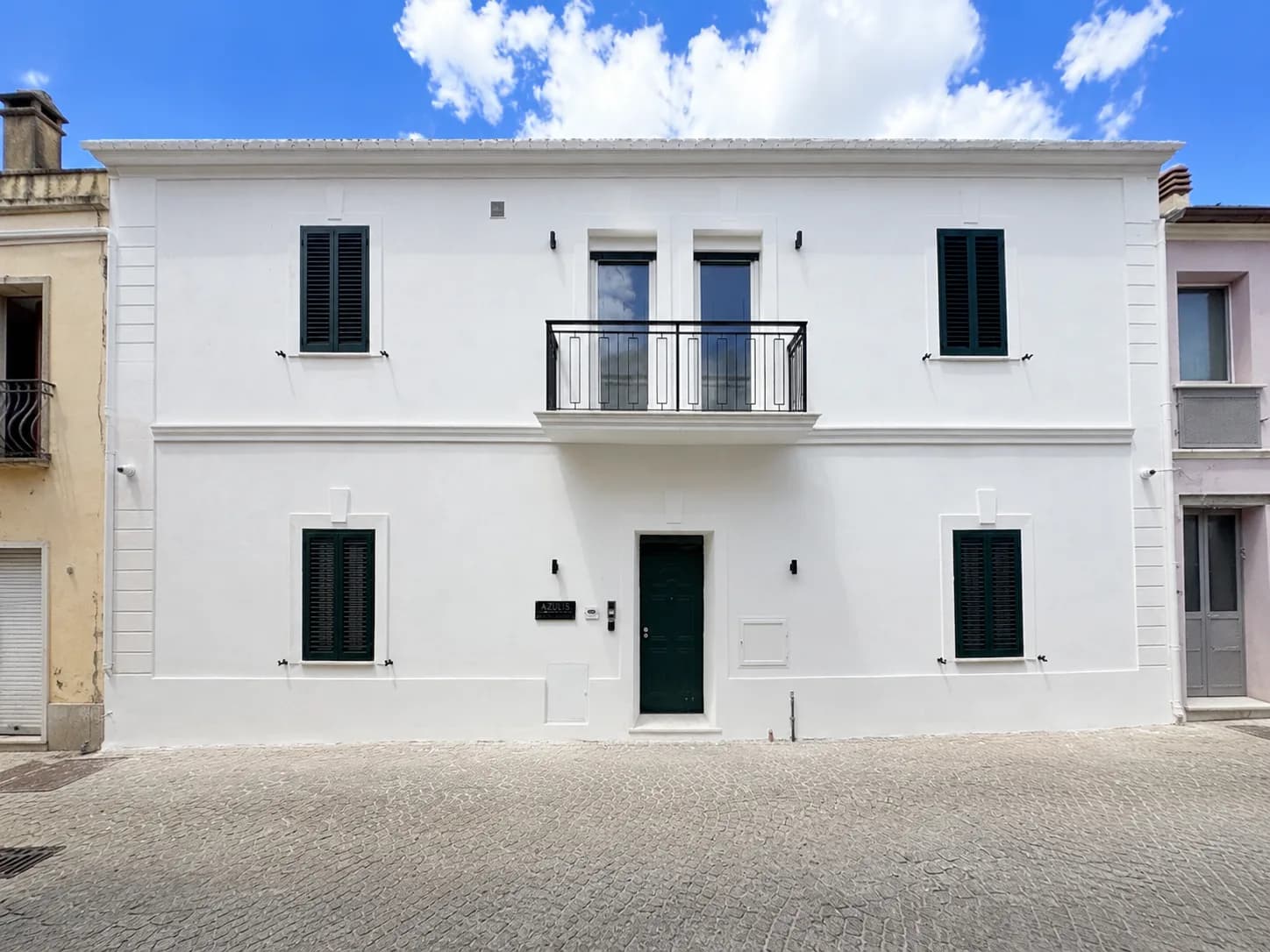
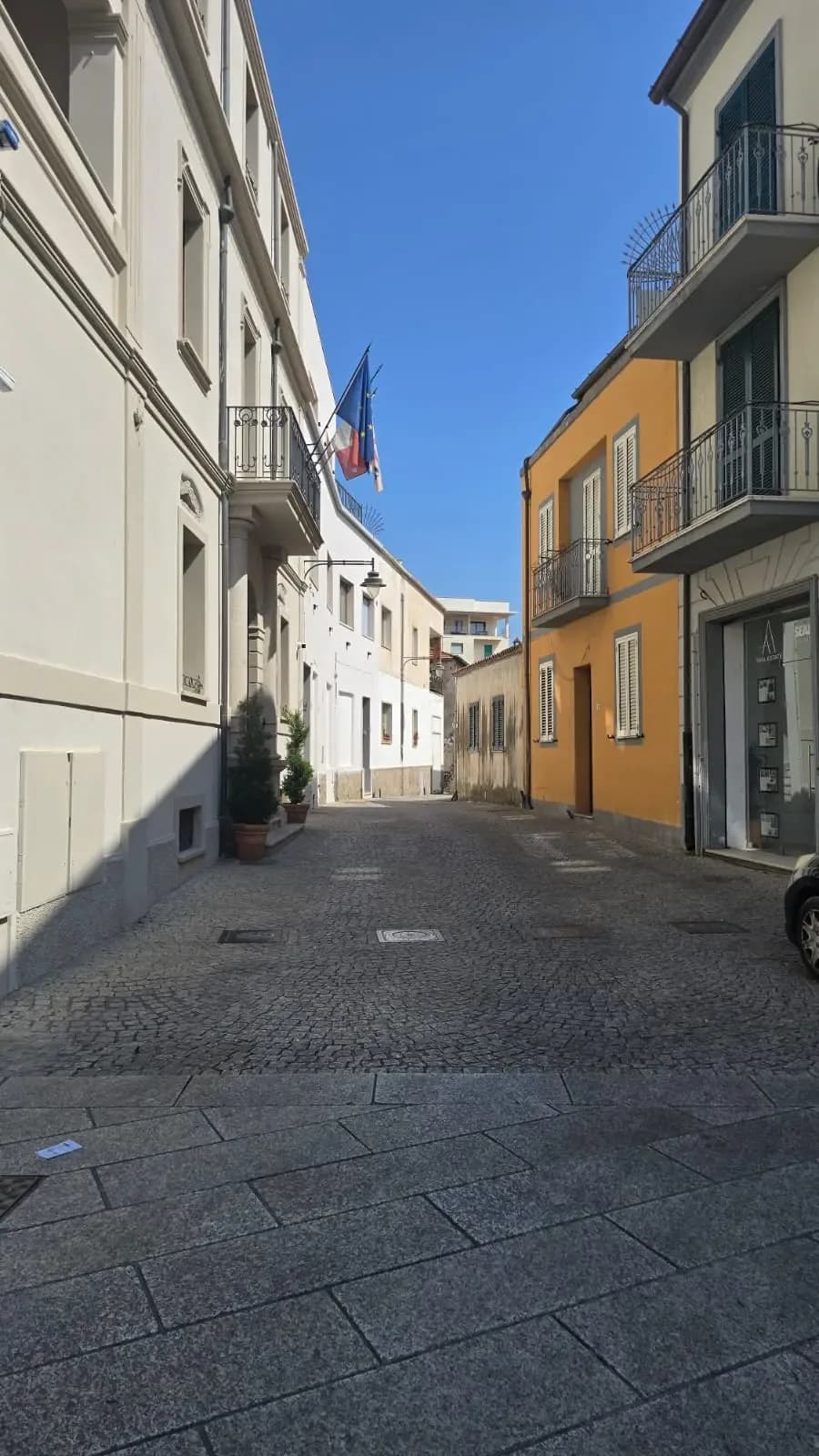

Several years ago, newly arrived in Olbia and curious to understand my new home, I joined a few guided walks around the historic center. One tranquil afternoon I turned into a modest little lane—quiet, a couple of shopfronts, the murmur of daily life—and heard a story that changed how I see the city. I had stepped onto Via delle Terme in Olbia, and beneath that everyday street lie the remains of ancient Roman baths.
The guide smiled and shared a local legend: warm spring water still threads under the paving; on the stillest nights, some say you can hear it simmer. As I walked, the atmosphere felt different, as if centuries of Olbia’s past rose up softly through the stones. Since then, every time I pass, I think of that invisible water and the many stories this city hides. ✨
Where history lies underfoot: what is Via delle Terme in Olbia?
The name gives it away: “Street of the Baths.” Today, Via delle Terme in Olbia is a short, understated lane in the historic center, a minute or two from the bustle of Corso Umberto I. Beneath it, archaeologists have identified traces of a Roman thermal complex, part of the everyday urban fabric of ancient Olbia.
A Roman city beneath the modern streets
Olbia prospered under Rome as a busy port, supplied by an aqueduct and a network of cisterns that sustained domestic life and public facilities like baths. According to Sardegna Turismo, the city still preserves visible remains of its Roman infrastructure—most notably the aqueduct and cisterns—attesting to a well-organized settlement that reached its height between the 1st and 3rd centuries AD (Sardegna Turismo). The baths beneath Via delle Terme would have used the classic hypocaust heating system, circulating hot air under stone floors to warm rooms such as the caldarium and tepidarium.
The whisper of the springs
Local lore adds poetry to the archaeology. People whisper that on windless nights you can hear water “boiling” below, a memory of thermal activity or just the city’s subterranean trickles playing with imagination. Either way, the legend gives the street a spellbinding quiet. It’s the kind of story that asks you to slow down, listen, and let Olbia talk. 🔊💧
How to visit Via delle Terme in Olbia
You’ll find this petite lane in the heart of the old town, tucked just off Corso Umberto I. It’s an easy stop while exploring the boutiques, cafés, and graceful piazzas that define central Olbia. The street itself is intimate and residential; its appeal is subtle, more about mood and memory than overt ruins.
A short self-guided stroll
- Begin on Corso Umberto I, the city’s elegant spine. Pause for an espresso and watch the morning unfold. ☕
- Slip into Via delle Terme in Olbia. Walk slowly; the charm is in the hush, the cadence of footsteps on stone.
- Continue toward the waterfront for sea air and wide skies; from here, it’s a pleasant amble to the Archaeological Museum on the little island by the port.
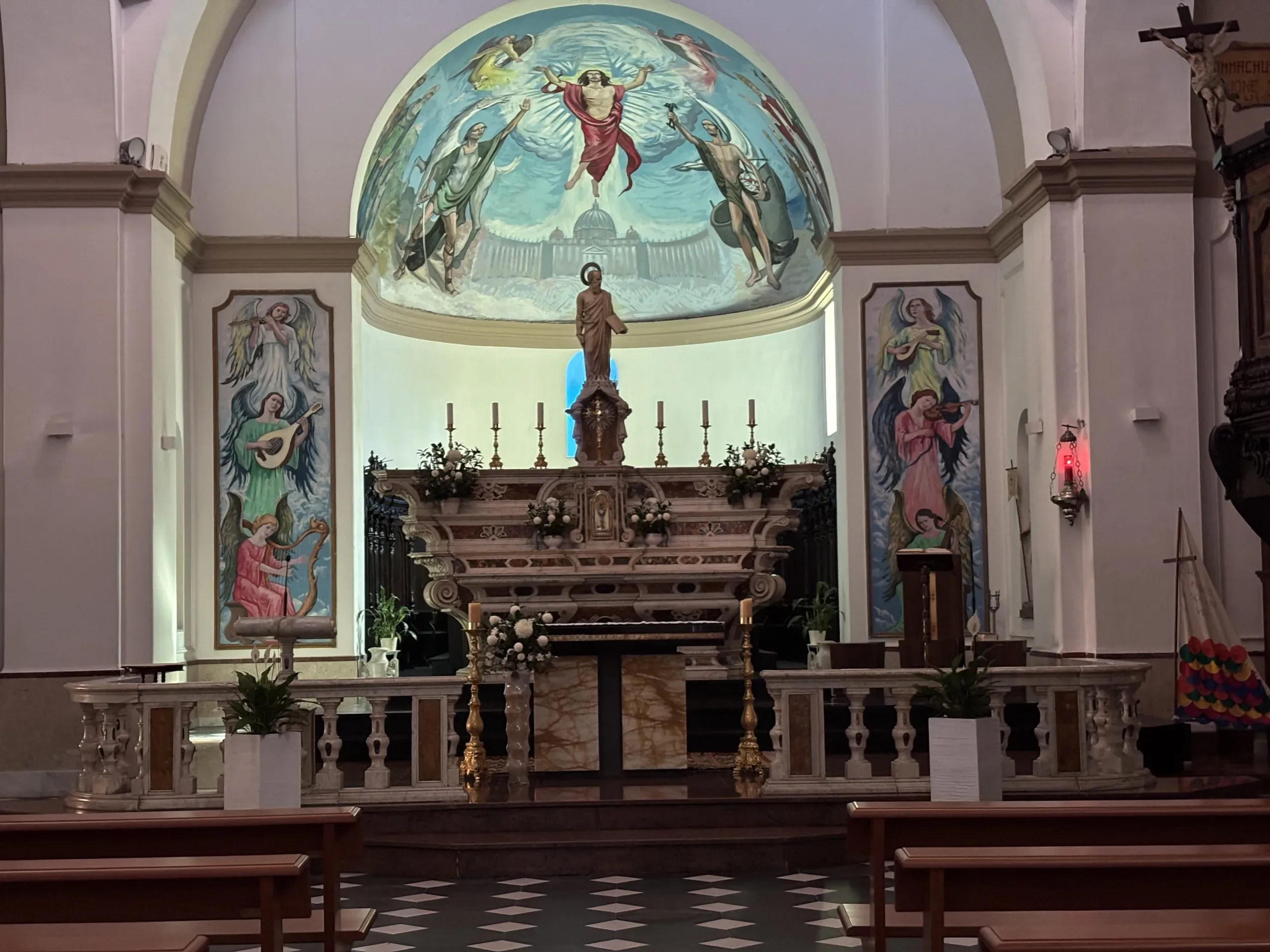
- Later, loop back through the lanes or extend your walk to the Basilica of San Simplicio, Olbia’s Romanesque gem—about 10–15 minutes on foot from the centre.
When to go
Early morning brings a mellow light and near-silence, perfect for feeling the street’s atmosphere. Golden hour is equally beautiful, with long shadows and a gentle evening buzz. 🌅
What you’ll see (and what you won’t)
Most of the archaeological layers here are underground. You won’t generally find an open excavation on the street itself; public access to any remains, if available, is typically via scheduled tours or special cultural events. For the most up-to-date possibilities, occasional openings, expert-led visits, check with Olbia’s tourist office or arrange a private guide who can weave Via delle Terme in Olbia into a broader city itinerary.
Nearby highlights to enrich your walk
- Basilica of San Simplicio: A serene 11th–12th-century granite basilica set slightly above the center. The small archaeological area nearby hints at layers of earlier worship.
- Olbia Archaeological Museum: Compact and illuminating, with finds that trace Olbia from Phoenician and Roman times to the Middle Ages—ideal context for the world beneath Via delle Terme in Olbia.
- Waterfront promenade and marina: A lovely pause between city and sea—perfect for an aperitivo with a view. 🍸
- Roman aqueduct and cisterns (short drive): Outside the center, surviving stretches of the aqueduct and waterworks evoke the engineering that kept the ancient city running—an insightful pairing with the baths beneath the old town.
Elegant ways to enjoy the moment
If you like to travel slowly, linger. Enjoy a cappuccino on Corso Umberto I, browse a few artisan shops, then return to the lane for a second, quieter pass. Later, book a table at a refined seafood restaurant near the marina or a contemporary wine bar for a tasting of Vermentino di Gallura. The day can unfold as a series of textures: stone and sea, history and flavor.
For a deeper dive, consider a private walking tour with an archaeologist or local historian. A tailored route can connect Via delle Terme in Olbia with key sites around the center and provide thoughtful interpretation you won’t get from plaques alone. 🎧
Respect for a fragile heritage
This is a residential street resting above delicate layers of the past. Keep voices low, avoid obstructing doorways, and resist the urge to go “looking for ruins” in courtyards or private spaces. If you join a guided visit that includes underground areas, wear flat shoes and follow your guide’s instructions—humidity and uneven surfaces are common in archaeological contexts.
Final thoughts
Olbia rewards curiosity. There are grand views across the gulf and headline sights to tick off—but sometimes the city’s most evocative places are the quiet ones. For me, Via delle Terme in Olbia is where history and legend breathe together: a modest lane, an elegant name, and the suggestion of warm water still moving in the dark. Each time I pass, I’m reminded that the best stories here don’t shout; they murmur, just beneath your feet.