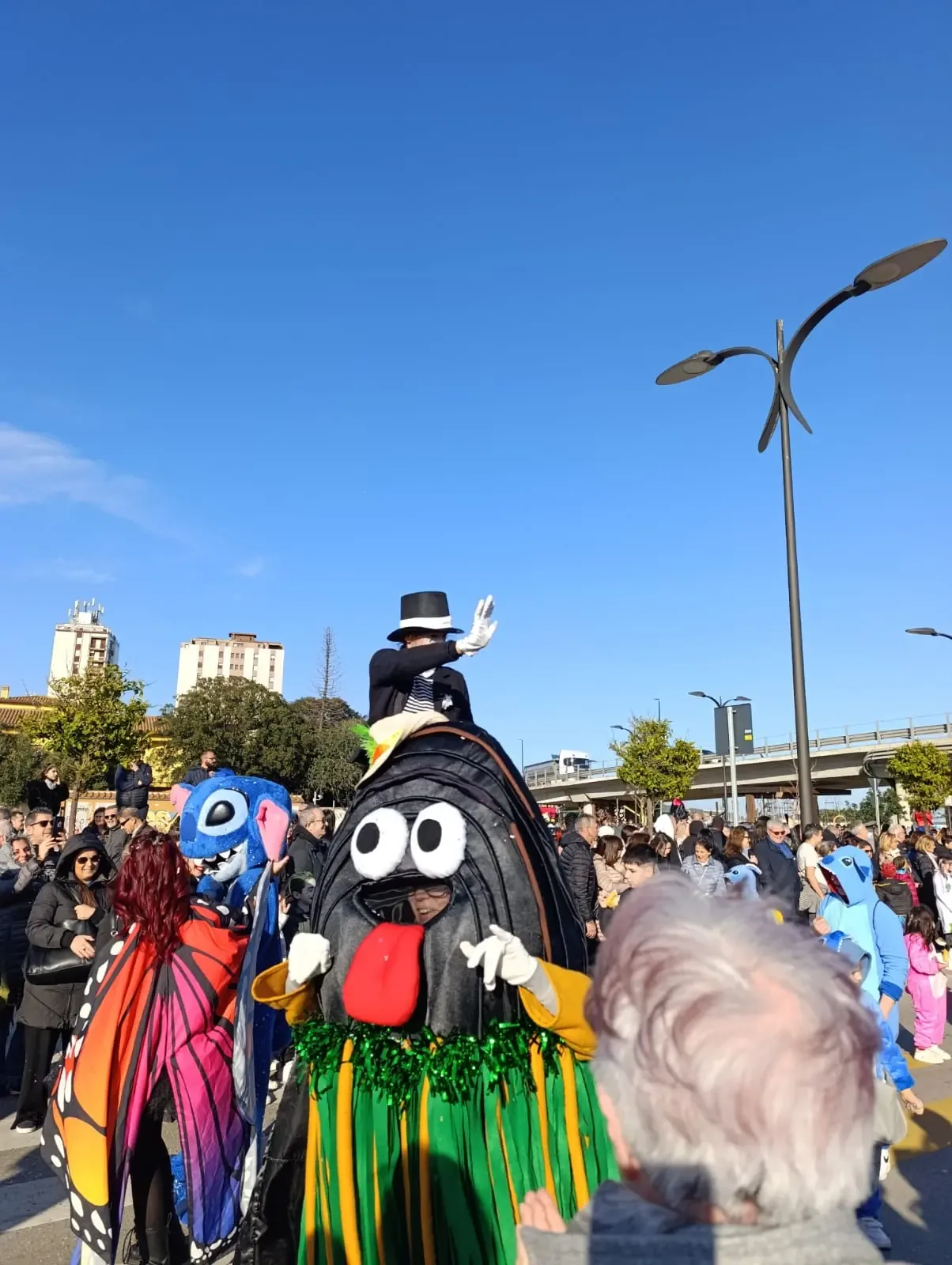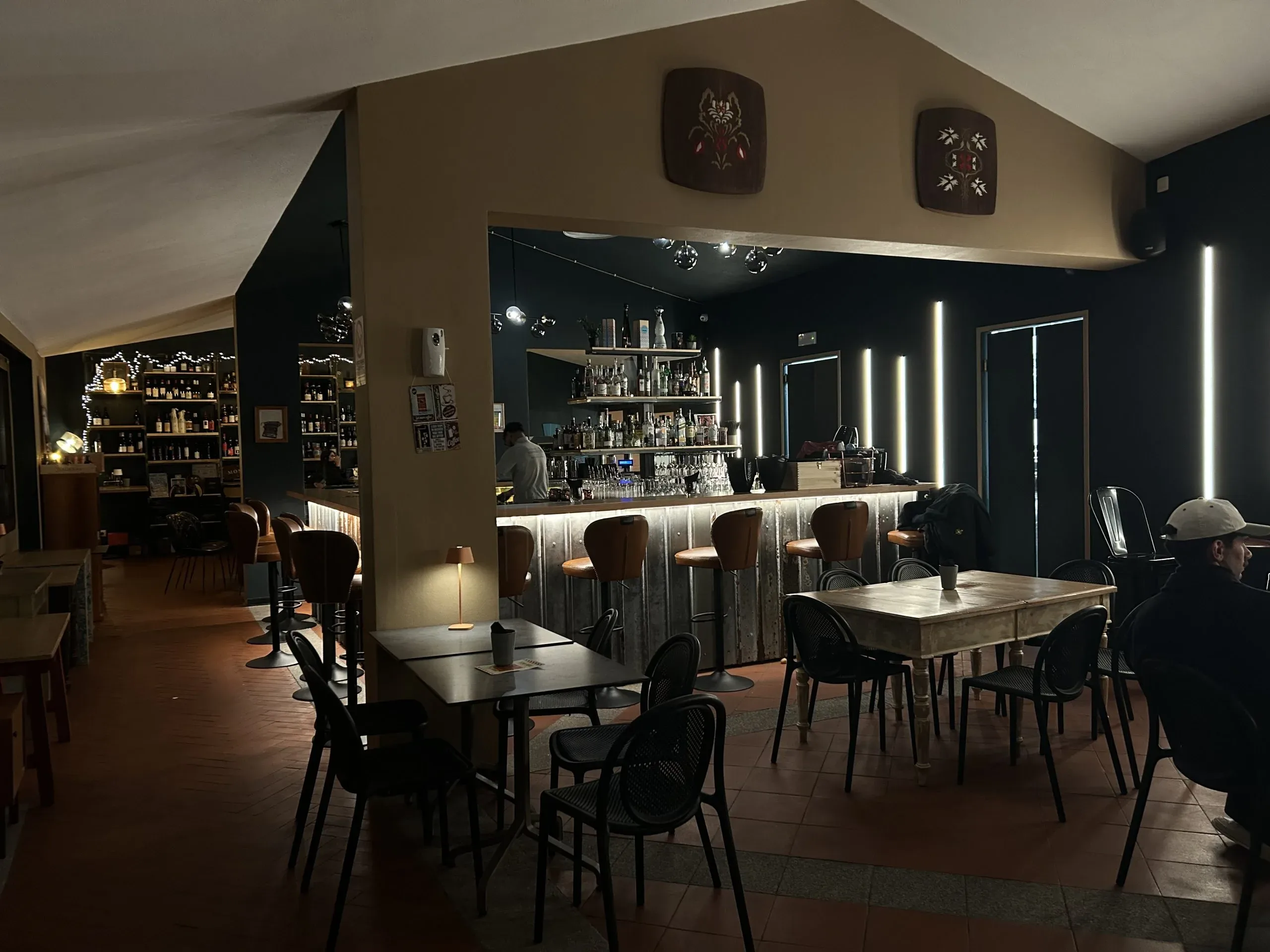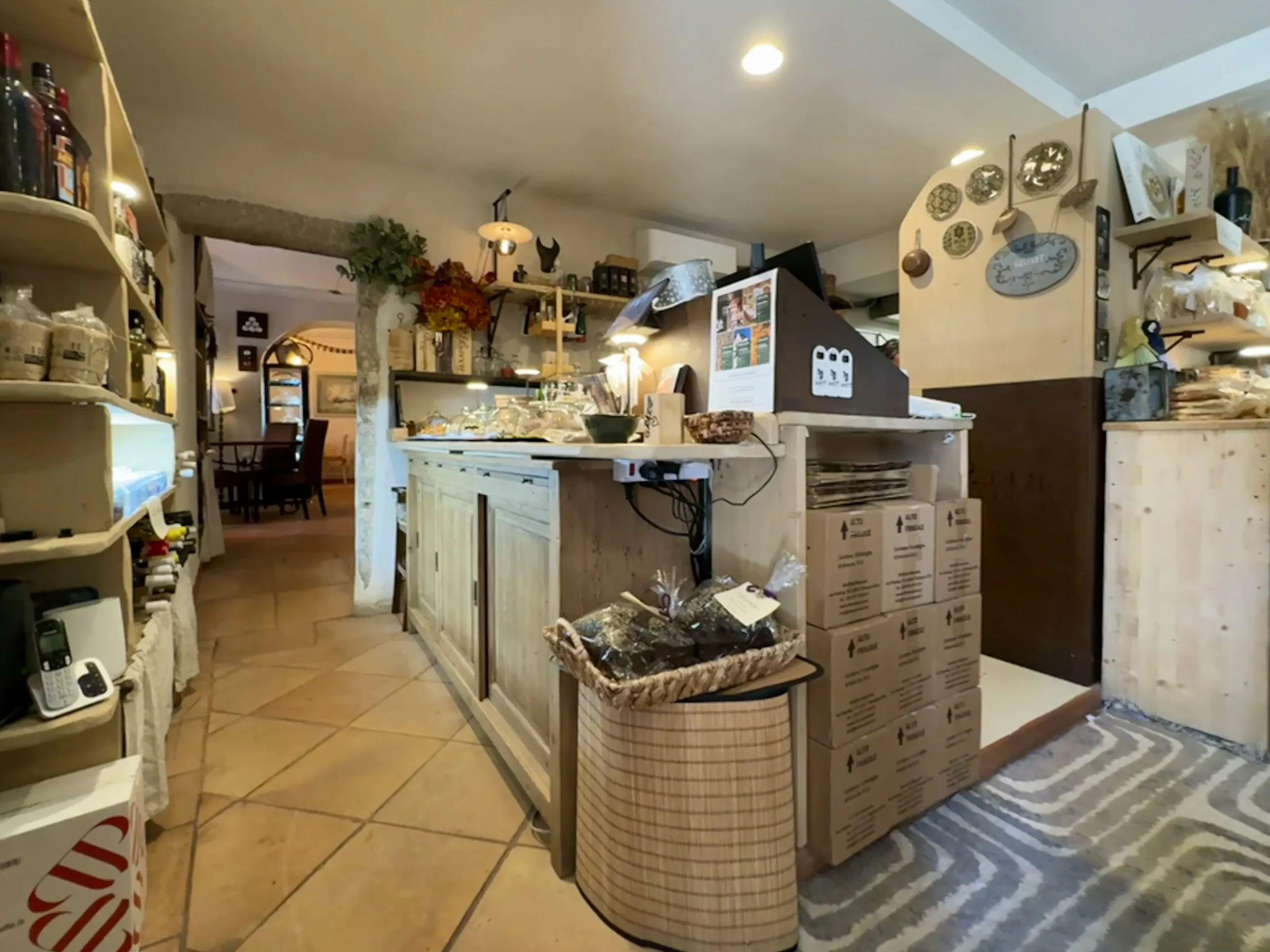
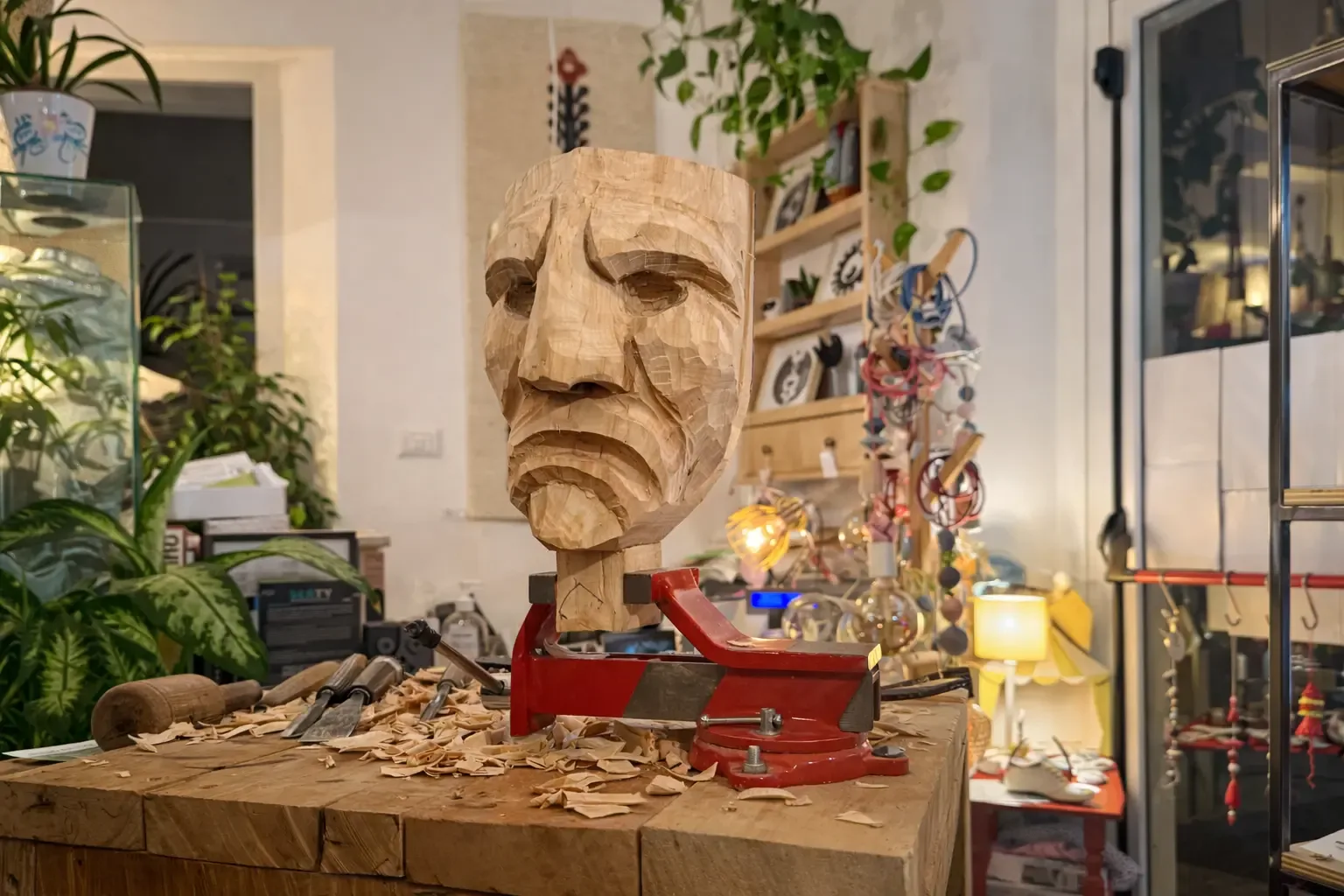
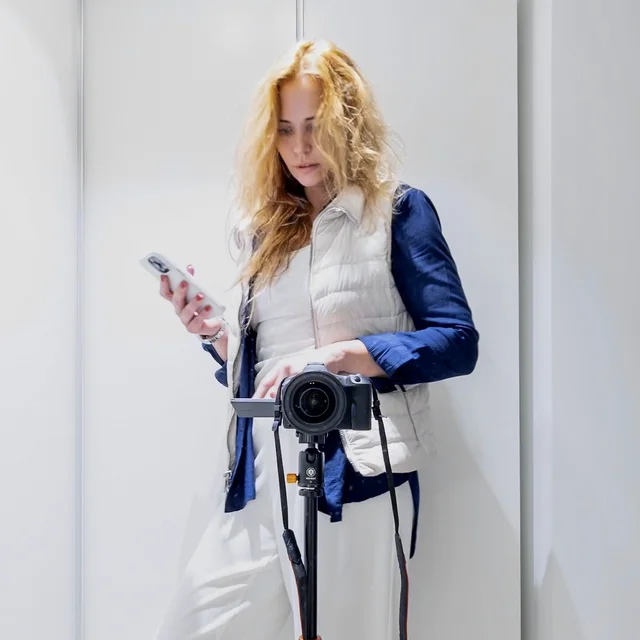
On a cool evening in Olbia, the Green Life Store art space turned into a small window onto the Barbagia highlands. Together with Sardinia International School, they hosted a hands-on introduction to Mamoiada’s masks: a carving bench, the scent of wood shavings, a few well-chosen stories, and a glass of Cannonau in hand.
The mystery behind Mamoiada’s masks
Mamoiada sits in the heart of Sardinia, where winter carnivals still carry the rhythm of an older world. The village’s two figures, Mamuthones and Issohadores, move as a pair. According to the regional tourism board’s overview of Mamoiada and its traditions, the characters are among Sardinia’s most distinctive ritual performers (Sardegna Turismo).
Mamuthones and Issohadores
Mamuthones wear dark wooden masks with set, powerful features and heavy cowbells strapped to their backs. Their steps are slow and tightly patterned, a procession that many link to ancient rites for protection and renewal. The Issohadores, in lighter dress, weave through the crowd with a rope, briefly and playfully looping a shoulder. Being “caught” is considered lucky.
What you see today is not theater in the modern sense. It is a village ritual whose meanings were shaped over centuries, passed from older custodians to younger ones.
Inside the carving: how a mask is born
The evening’s highlight was a live demonstration. A block of local wood took shape under small, deliberate cuts. First the planes, then the brow, then the mouth that gives the mask its force. Every artisan makes different choices: alder or walnut, sharp or rounded lines, a smoother polish or a rougher, hand-hewn surface. The result is never identical. Each mask carries the eye and hand of its maker.
If you are curious to see a wider context, Mamoiada’s Museum of Mediterranean Masks offers a clear, well-curated route through the island’s ritual traditions and related masks from the wider Mediterranean (Museo delle Maschere Mediterranee).
Music, aperitivo, and a shared table
Between carving stages, a small ensemble filled the room with Sardinian melodies. The aperitivo was simple and local: pecorino in several ages, pane carasau, cured meats from the interior, olives, and a pour of Cannonau. It matched the tone of the night: direct, unfussy, and rooted in place.
Plan a day trip: Olbia to Mamoiada
If the evening stirs your curiosity, set aside a day to visit Mamoiada. You will trade the coast for oak woods, vineyards, and granite villages.
Getting there
- By car: about 2 hours each way. Take SS131 DCN toward Nuoro, then follow signs to Mamoiada. Roads are well maintained, with scenic stretches near the highlands.
- By bus: ARST runs Olbia–Nuoro routes, with a local connection to Mamoiada. Check schedules in advance and allow extra time for transfers.
Suggested timetable
- 08:30 Depart Olbia.
- 10:30 Arrive Mamoiada. Coffee in the main square, quick walk among stone houses.
- 11:00 Museum visit. Give yourself 60–90 minutes for the exhibits.
- 12:45 Artisan stop. Meet a mask carver in their workshop if available. Many are small, so a call ahead helps.
- 14:00 Lunch. Choose a simple trattoria or agriturismo for seasonal dishes from Barbagia.
- 15:30 Short vineyard or village walk. Look for murals that reference the Mamuthones.
- 16:30 Drive back to Olbia.
Buy the real thing: how to shop well 🎭
Authentic Mamoiada masks are carved from wood, finished by hand, and signed or identifiable by the maker. Here is how to choose wisely:
- Material and weight: real masks are wood. Resin copies feel lighter and too uniform.
- Tool marks: subtle, irregular cuts signal handwork. Absolute smoothness can be a red flag.
- Eyes and mouth: the expression is the soul of the piece. Makers have recognizable styles.
- Provenance: buy directly from a workshop or from a museum shop that lists the artisan’s name.
- Price and paperwork: expect to pay more for a signed, hand-carved mask. Ask for a receipt noting the wood type and maker.
- Shipping and care: wood prefers stable humidity. If shipping, request protective packing and avoid long exposure to heat.
In Mamoiada, start with the museum to learn, then browse nearby workshops. In Olbia, look for curated spaces that feature named artisans rather than generic “carnival” souvenirs.
Joining an evening in Olbia
Green Life Store has been hosting regular cultural nights with Sardinia International School, each focused on a slice of island heritage. Events are informal, often multilingual, and capped at a manageable size.
- Reserve ahead. Small venues fill quickly, especially on weekends.
- Arrive a bit early for seats with a clear view of the demo table.
- Dress casual and bring light layers. Doors may be open during music sets.
- Allergies or dietary needs: ask when booking. Aperitivi usually include cheeses, cured meats, olives, and bread.
Why it matters
Even a short evening like this changes how you see Sardinia. When you later meet a Mamuthone in the street, the sound of the bells and the carved face no longer feel remote. They belong to a living place, and now you have a thread to follow inland.