
Castelsardo: stone, wind, and a steady gaze
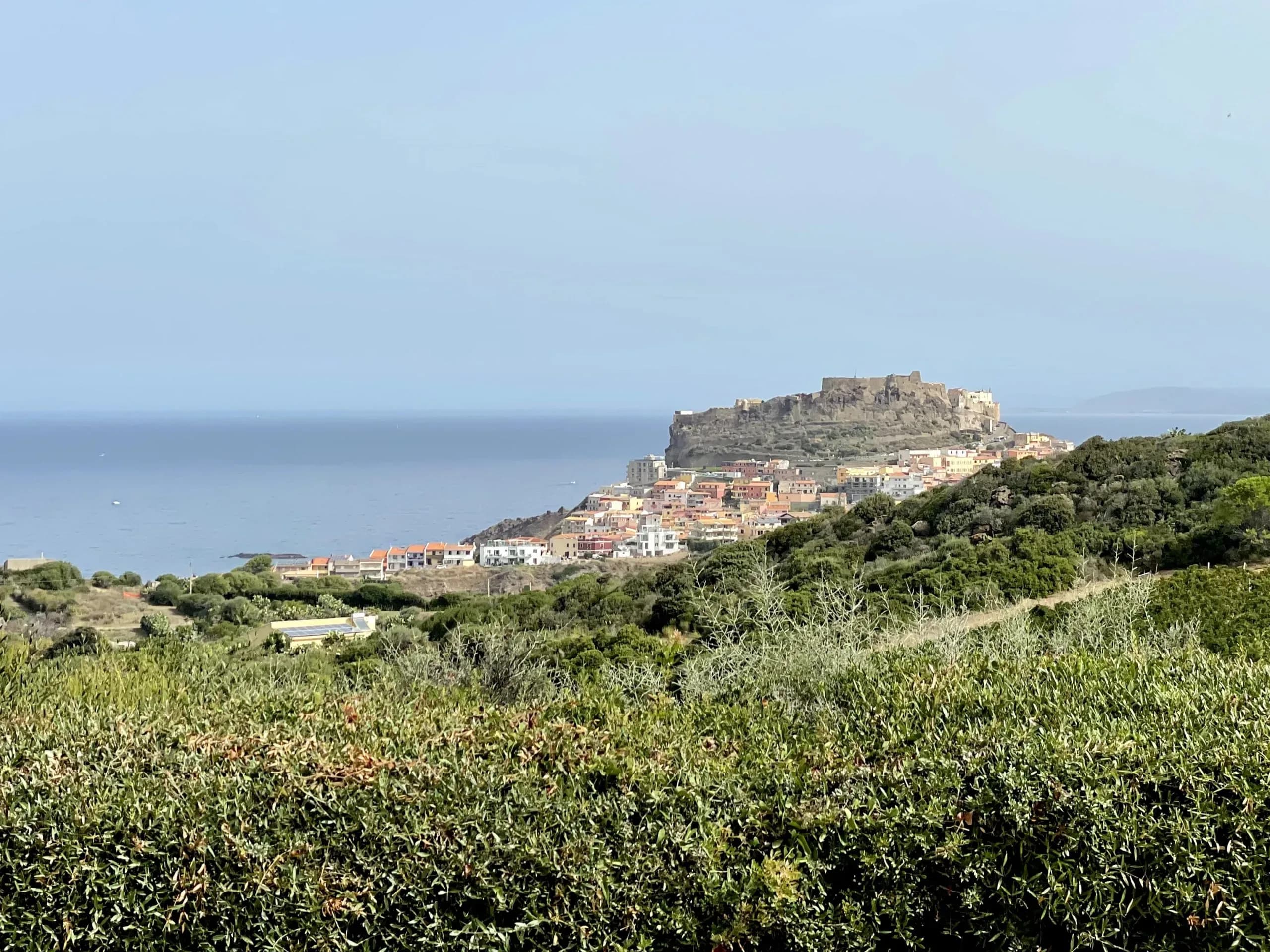
Some towns stand a little apart and watch the sea in quiet company. Castelsardo does that well. Clinging to a rocky headland in northern Sardinia, its lanes rise toward a fortress that has shaped daily life for centuries. Founded in the 12th century by the Doria family of Genoa, it later took the name you see today, according to Italia.it official overview.
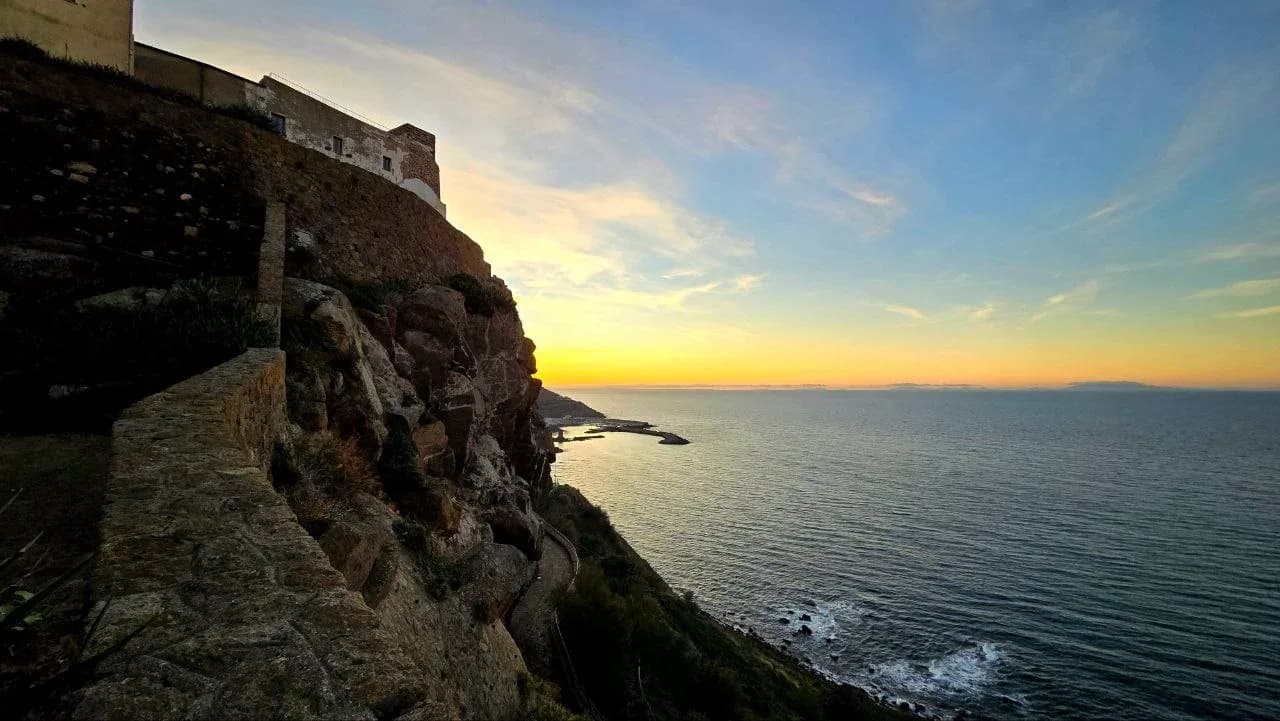
Walk slowly. The steps are real, the stone is old, and the wind carries salt and the scent of sun-warmed walls. Between houses, the sea appears in clean slices of blue. This is a place where you listen as much as you look.
Doria Castle and the Weaving Museum
The Castello dei Doria crowns the town. Inside is the Museo dell’Intreccio Mediterraneo, a focused collection that explains basketry across the Mediterranean and how Sardinian artisans have adapted reeds, palm, and asphodel into everyday forms. It is compact, well-arranged, and quietly moving, according to Sardegna Turismo museum page.
Give yourself 45 to 60 minutes. Read the labels, look closely at the stitching, then step back outside for the castle views. On clear days you can trace the coastline toward Isola Rossa and, farther west, the Asinara strait.
Churches, art, and a living tradition
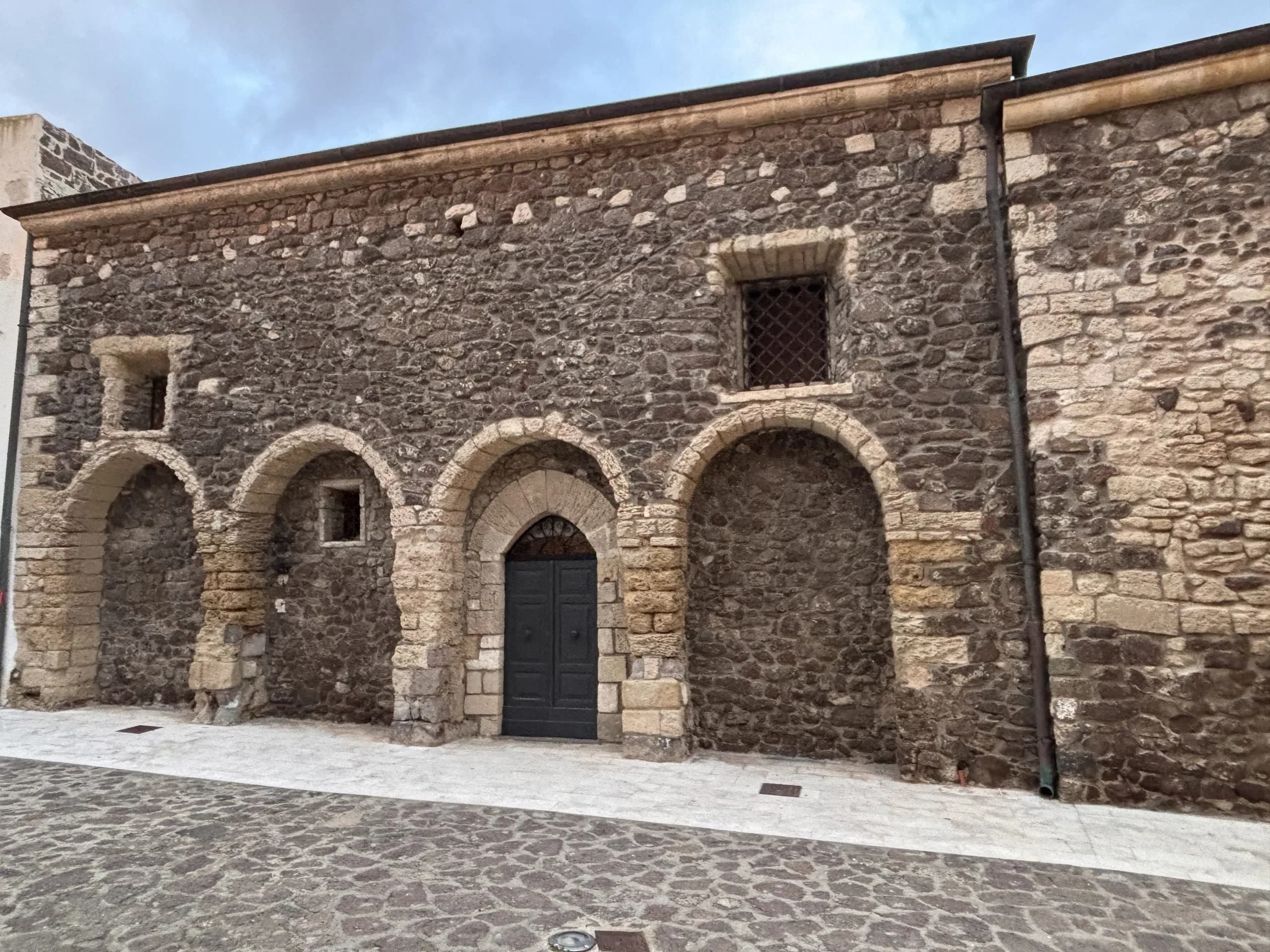
Two small stops reward a slow wander. The Cathedral of Sant’Antonio Abate has a distinctive bell tower tiled in color and a crypt museum with sacred art linked to the Master of Castelsardo. A few steps away, the simple Chiesa di Santa Maria delle Grazie anchors the town’s Holy Week rites. If you are here on the Monday before Easter, the Lunissanti procession moves through lanes by candlelight, a powerful scene that locals carry with care, according to Sardegna Turismo event guide.
The sea is below, the mood is above
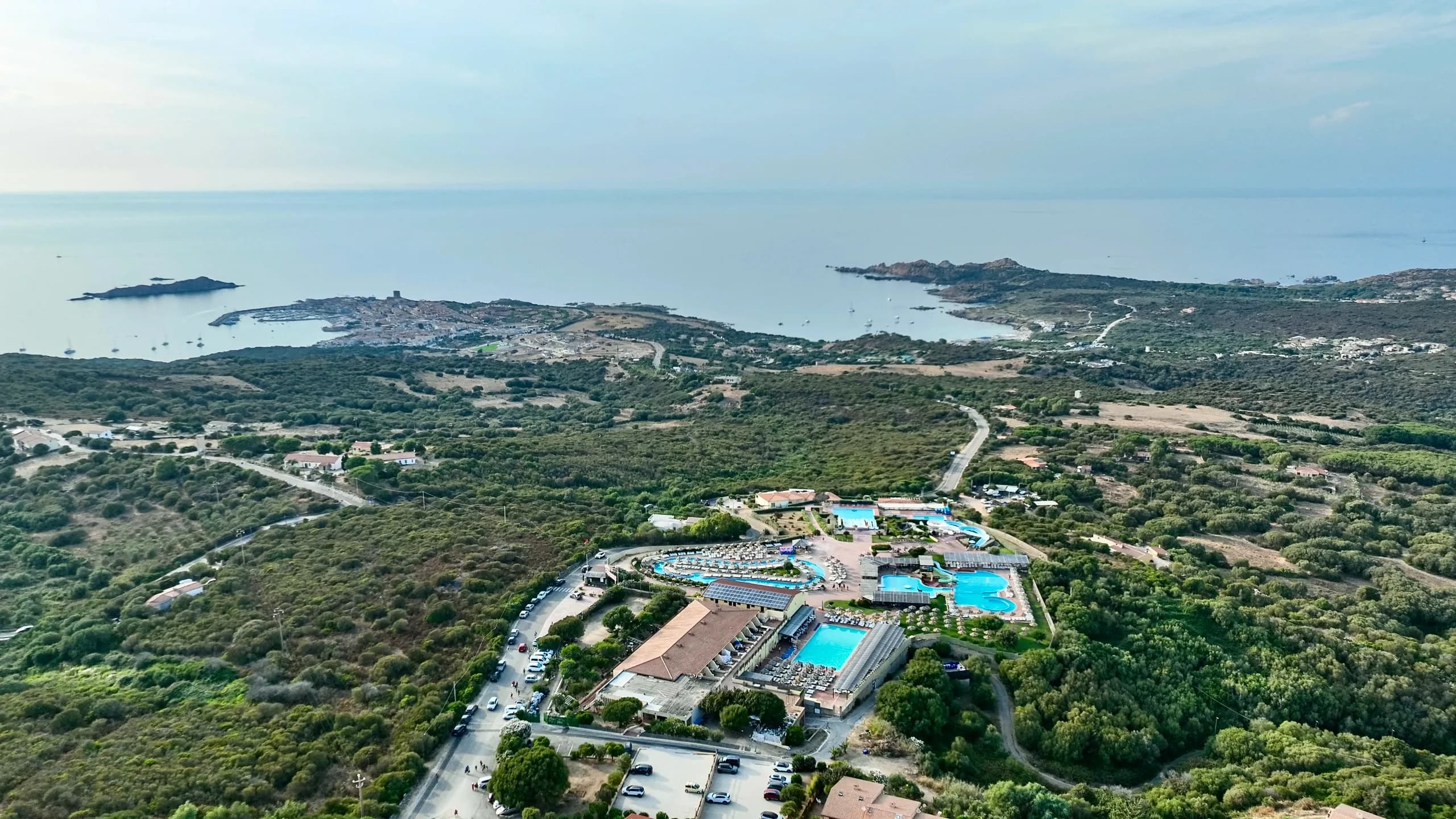
Castelsardo does not sit at the shoreline. The beaches are down at Lu Bagnu and along the coast roads. Up here you get quiet terraces, long horizons, and a pace that suits conversation. Order a coffee, watch the water, and let the breeze decide how long you linger.
A simple day trip plan
Castelsardo works well as a half day that you can stretch toward sunset. Distances by car: from Olbia about 1.5 hours, from Alghero about 1.5 hours, from Sassari about 45 minutes. Arrive early or late in the day for easier parking and softer light.
Morning
- 9:30: Park at the base of the historic center in a signed lot or blue-line bays. Check for ZTL zones before driving uphill.
- 9:45: Espresso and a view. Pick a small bar near the lower piazza, then start the gentle climb.
- 10:15–11:15: Doria Castle and the Weaving Museum. Take your time with the collection and the terrace views.
Midday
- 11:30–12:30: Cathedral and crypt, then the Chiesa di Santa Maria delle Grazie. Step inside if open. Respect any services in progress.
- 12:45–14:00: Lunch in the old town. Look for simple places serving the daily catch, fregola with clams, or vegetable antipasti when seafood is off-season.
Afternoon options
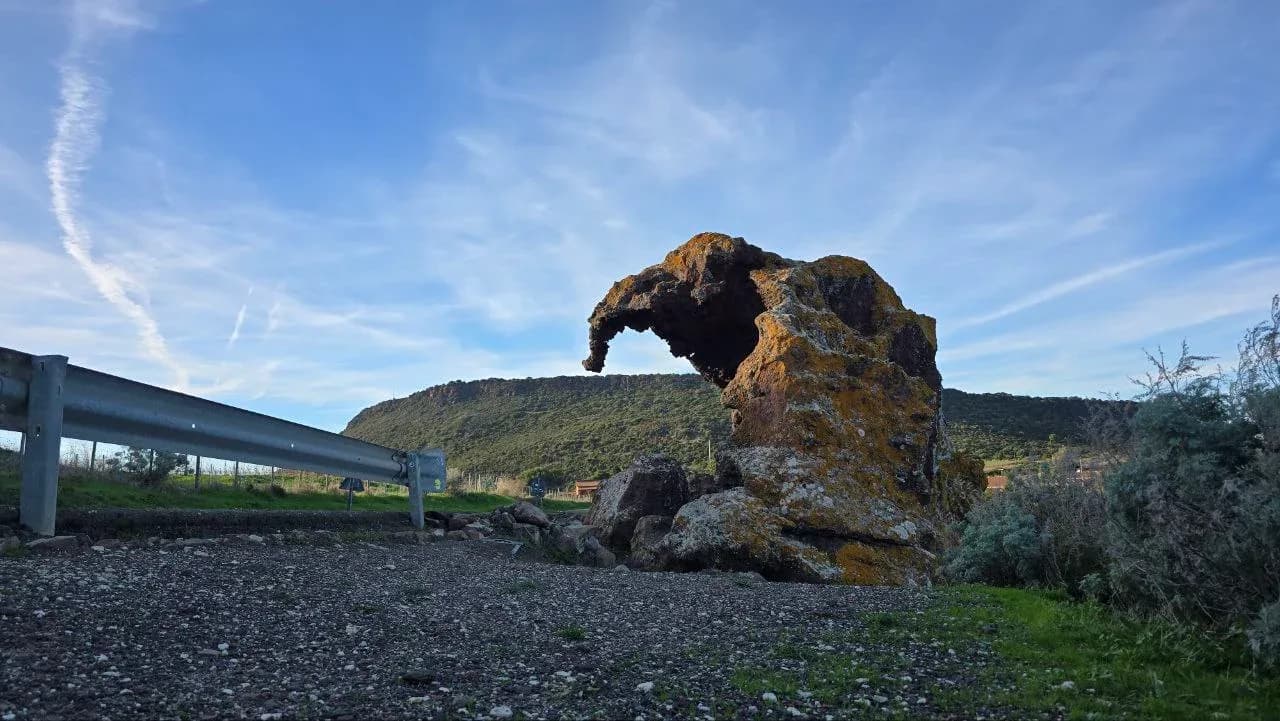
- 14:30: Drive 10 minutes west to Roccia dell’Elefante, a lava rock shaped by time and wind. It sits beside the SS134 with small pull-offs. Go early or late for easier parking, according to Sardegna Turismo site page.
- 16:00: Swim break at Lu Bagnu if the weather is kind. Otherwise, return uphill for a gelato and a last wander through the lanes.
- Sunset: Back at the castle walls, the town turns warm honey as the light falls. Stay for the blue hour.
Small pleasures
- A coffee on a terrace that faces open water.
- A handwoven basket chosen for its pattern and the maker’s story 🧺
- A quiet side chapel with a creak in the wooden door.
- Waiting for the light to soften the stone.
Buying well: baskets, ceramics, cork, filigree
Castelsardo is a strong place to buy woven baskets. Walk past the souvenir stands and step into a workshop. Ask what materials were used and how long a piece took. A tight, even weave and a clean rim tell you a lot. If the maker is present, request a signature or tag.
Ceramics: turn the piece over. Look for a maker’s mark under the glaze, not a sticker. The glaze should feel even, without pinholes or sharp edges. Avoid very light pieces that suggest mass production.
Cork goods are a Sardinian staple. Prefer items with natural texture rather than heavy dyes. Seams should be straight and edges well finished. If you plan a deeper cork hunt, the strongest workshops are in the Gallura interior, but you can still find thoughtful small pieces here.
Filigree jewelry: check for the hallmark (750 for gold, 925 for silver) and ask if the piece was made locally or finished from imported components. True filigree has crisp, uniform threads and careful soldering. Jewelry that looks too perfect at a very low price often is not handmade.
Practical notes
- Best light: early morning and late afternoon. Summer is warm on the steps. Bring water and a hat.
- Footwear: sturdy shoes. Lanes are steep and paved with smooth stone.
- Parking: use signed lots at the base. Watch for ZTL cameras near the upper streets.
- Food breaks: kitchens typically open 12:30–14:30 and 19:30 onward. Plan snacks between those windows.
- Buses: ARST routes connect Castelsardo with Sassari and Santa Teresa in season, but schedules are limited. A car gives more flexibility.
Why it stays with you
Castelsardo is not about ticking sights. It is how the place settles in while you climb, pause, and listen. Arrive with time to spare and a light plan. Let the castle, the basket patterns, and the long horizon do the rest.