
Why the Giara feels different
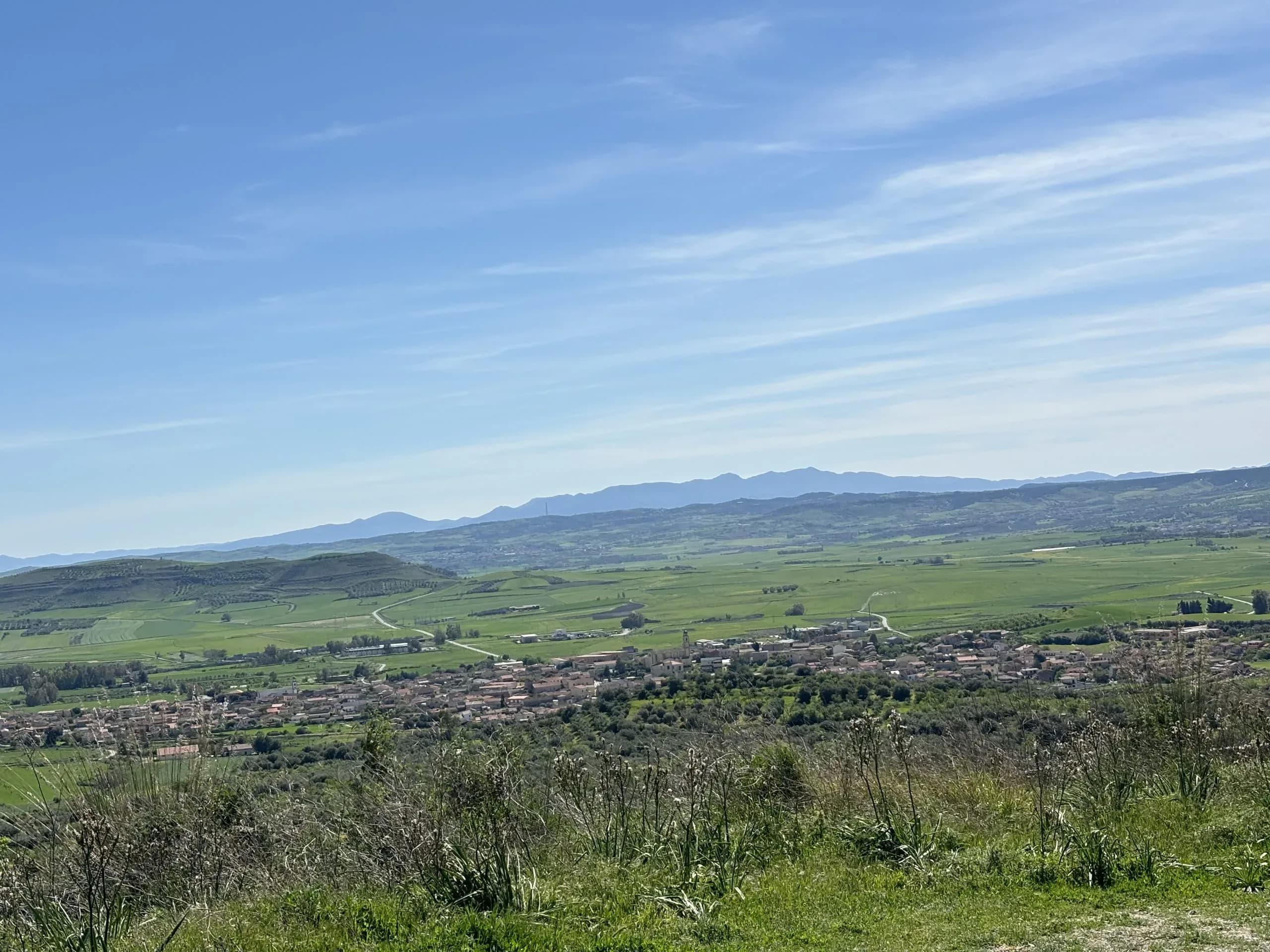
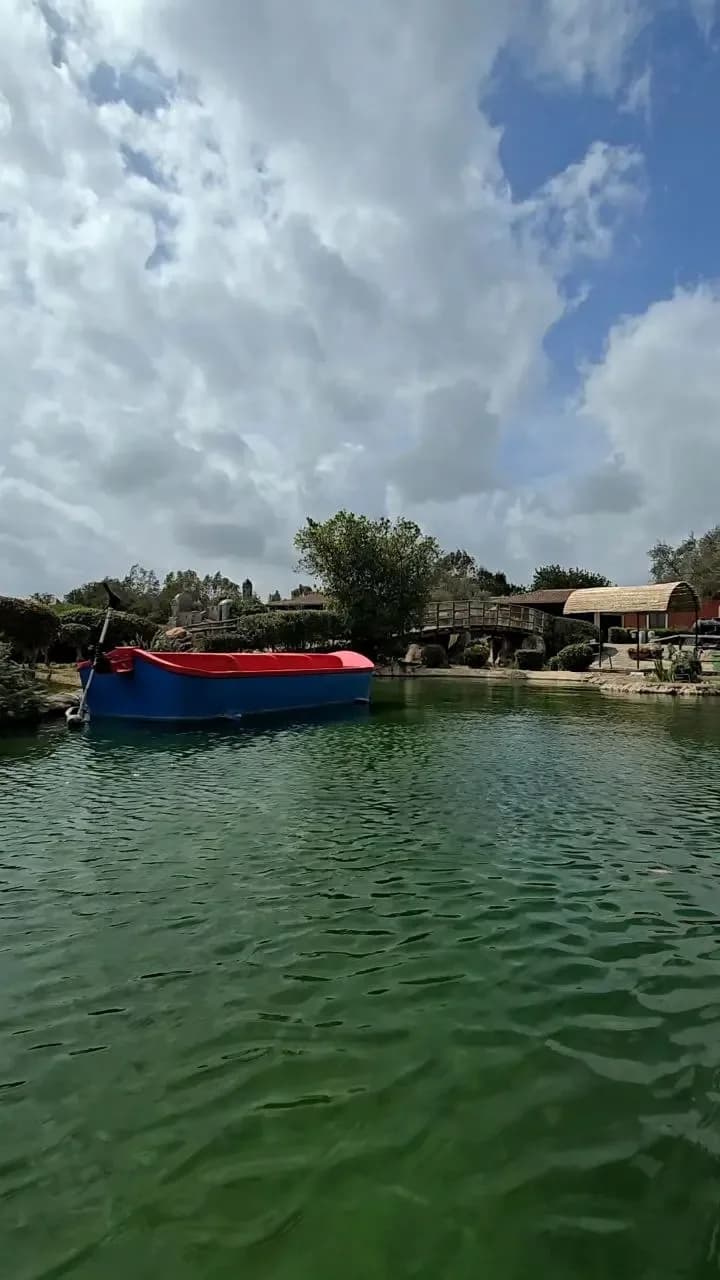
An hour north of Cagliari, the Giara di Gesturi opens like a quiet inland world: cork oak woodland, wide grasslands, basalt outcrops, and shallow ponds called paulis. The air smells of oak and thyme. The horizon is big, the wind steady. Walk slowly and the plateau reveals itself in small moments.
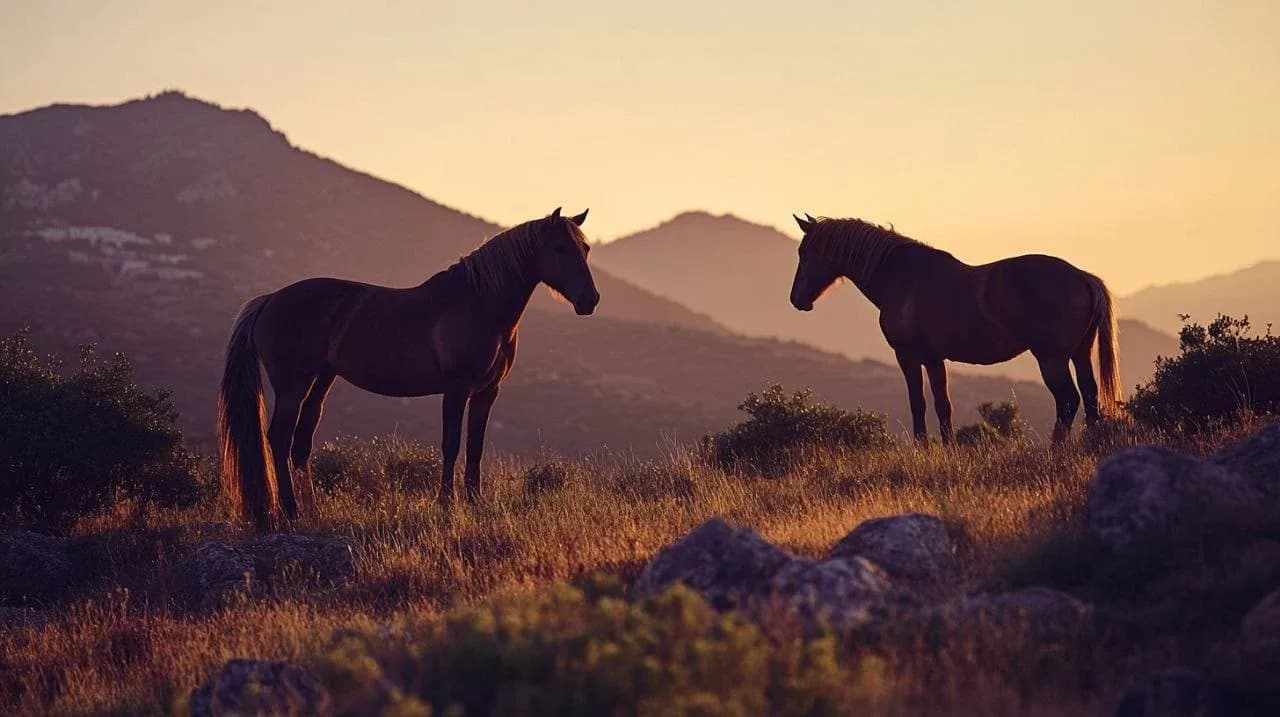
The stars are the Cavallini della Giara, Sardinia’s small wild horses 🐎. They live freely here, moving in family groups between shade and water. You might see them grazing under oaks, standing still against the sky, or clustered around a pond. Give them space and time. This is their home, not a show.
The plateau is part of the EU’s Natura 2000 network for its habitats and seasonal wetlands, according to the site record for ITB041109
natura2000.eea.europa.eu/Natura2000/SDF.aspx?site=ITB041109
Where it is and how to get there
The Giara sits above the Marmilla region, with main access points near the villages of Gesturi, Tuili, Genoni and Setzu. Driving is easiest. Roads climb to the plateau edge, then short dirt tracks lead to parking areas and trailheads. After heavy rain, tracks can be muddy; avoid low-clearance cars on the softest sections.
Mobile coverage can be patchy. Download an offline map before you go and carry a paper map or GPX if you plan a longer circuit.
Best time to visit
- Spring: Ideal. The paulis hold water, wildflowers are out, and horse sightings are frequent near the ponds.
- Autumn: Quiet, gentle light, cooler days. Some ponds refill after the first rains.
- Winter: Crisp air and clear views on mild days. Trails can be muddy after rain.
- Summer: Hot and exposed at midday. Start early or go late; horses rest in shade during peak heat.
Trail options and difficulty
The plateau is mostly flat, but the footing varies: basalt slabs, roots, and seasonal mud around the paulis. Choose your loop based on time and comfort on uneven ground.
Easy: 1–2 hours
- Gentle loops from the main access points to one or two paulis and back. 3–6 km on mixed dirt and rock. Minimal elevation, frequent shade in cork oak.
- Good for first-time visitors who want a calm walk and a fair chance of seeing horses near water.
Moderate: 2–4 hours
- Broader circuits linking several ponds and open clearings. 7–12 km with longer stretches over rough basalt and grassland.
- Bring a firm sense of direction. Waymarks exist near popular sections, but junctions can be subtle.
Longer day: 4–6 hours
- Explorations across the central plateau to quieter paulis and Nuragic remains. 12–18 km on uneven surfaces. Best for confident hikers with navigation skills.
- Carry extra water; there are no services on the plateau.
Family note: The terrain is not stroller friendly. For kids who like nature walks, the short loops work well.
How to see the horses respectfully
- Keep a calm distance. Use binoculars instead of approaching.
- Do not feed or call to them. Stay quiet at water sources.
- Dogs must be on a leash and away from the ponds.
- Move slowly and pause often. Patience brings the best encounters.
Safety, weather and what to pack
- Heat and exposure: Start early in warm months. There is limited shade in open sections.
- Wind: The Mistral can be strong on the plateau. Pack a light layer even on sunny days.
- Water and food: No fountains or cafes on the trails. Carry at least 2 liters per person, more in summer, plus snacks.
- Footwear: Grippy hiking shoes for basalt and roots. In spring, expect mud around the paulis.
- Sun and bugs: Hat, sunscreen, and a light repellent help near the ponds.
- Navigation: Offline map, charged phone, and a small power bank on longer hikes.
- Emergencies: Call 112 in Italy for help; the national service is detailed here
History on the plateau
As you walk, you will find traces of prehistoric life: stone enclosures, scattered remains, and small nuraghi on the rises. It adds depth to the silence. For a major archaeological visit nearby, add Su Nuraxi at Barumini, the island’s most famous Nuragic complex and a UNESCO World Heritage Site
Simple itineraries I recommend
- First look (easy, 1.5 hours): From a main access, follow a loop to the closest paulis, spend time watching quietly, then return through cork oak.
- Horse-focused circuit (moderate, 3 hours): Link two or three ponds via open clearings. Move slowly at water edges and rest under the oaks at midday.
- Long ridge-and-pond day (moderate/long, 4–5 hours): Cross a basalt rise for wider views, then circle back past lesser-visited ponds. Great on cool, clear days.
Logistics and etiquette
- Parking: Small areas near the main access points. Arrive early on spring weekends.
- Facilities: None on the trails. Basic services in Gesturi, Tuili, Genoni and Setzu.
- Waste: Pack everything out. The ponds are fragile habitats.
- Gates and tracks: Leave gates as you find them. Stay on established paths to protect the ground layer.
A final tip
Slow down. Sit by a pond and listen to the wind in the cork oaks. Watch the water’s edge. Then, often when you least expect it, a small horse steps into view. Not a spectacle. Just the plateau showing you what has been here all along.