Why Tinnura is worth your time
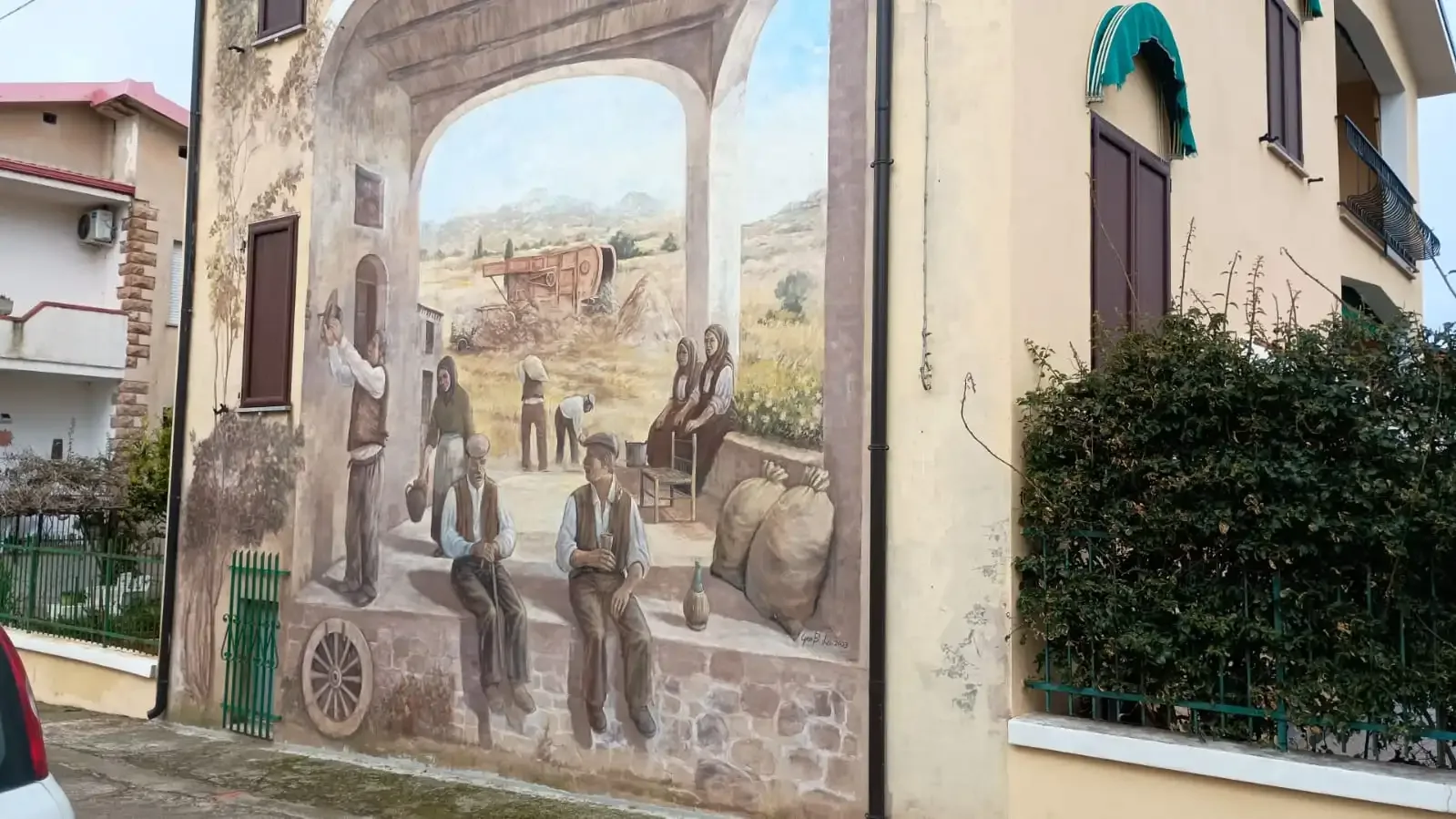
In the Planargia hills, between vineyards and olive groves, Tinnura’s walls bloom with color. Murals stretch across house fronts and small squares, showing grape harvests, bread baking, village fairs, and the quiet rhythm of rural life. It feels intimate and lived-in, not staged. According to the regional tourism board, Tinnura is one of Sardinia’s painted villages, known for the quality and density of its street art (Sardegna Turismo).
Come for a calm hour or two. Breathe in the scent of crushed herbs after a breeze, listen for distant farm dogs, and let the murals lead you through lanes where time moves slowly.
Where it is and how to get there
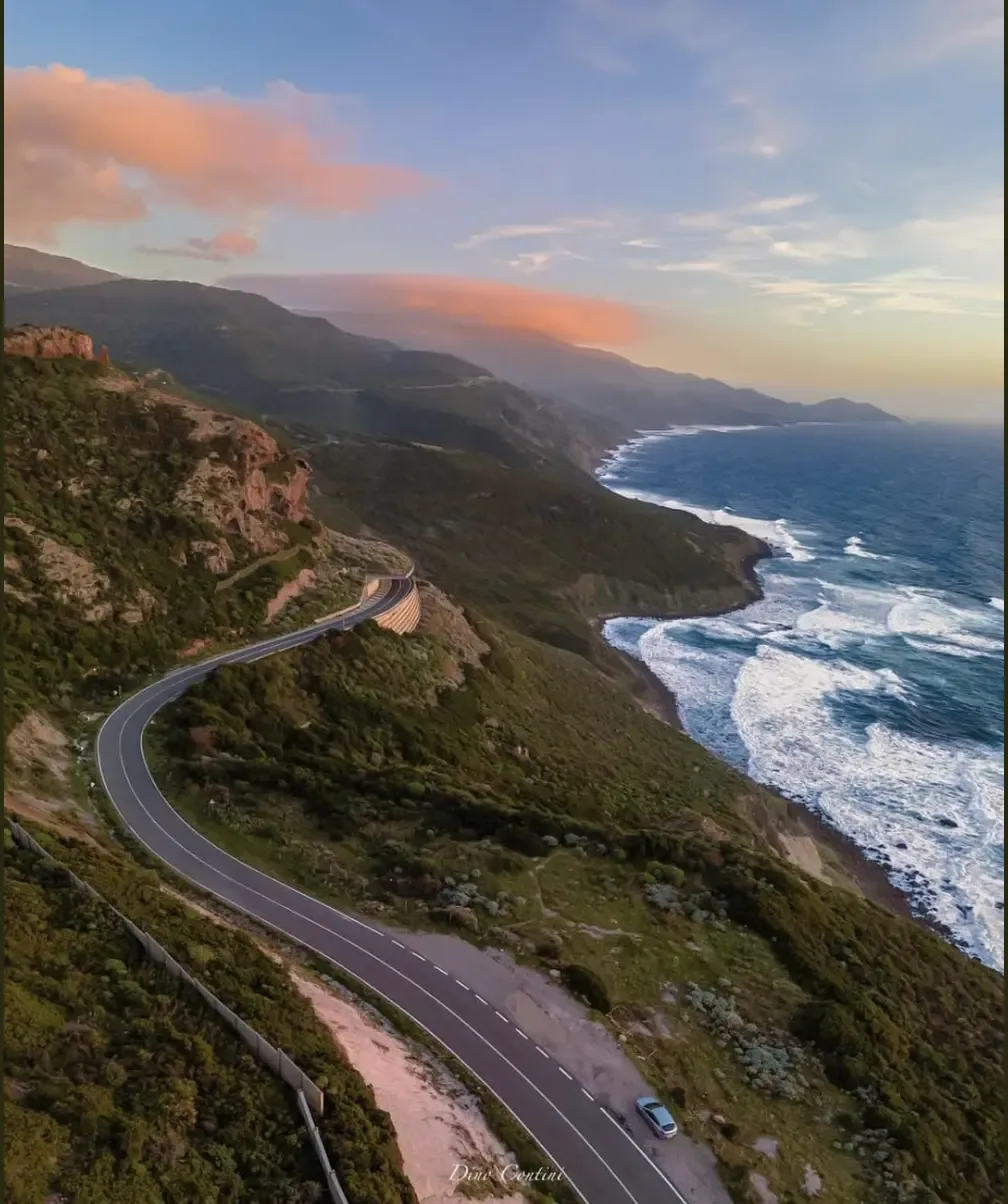
Tinnura sits in central-west Sardinia, about 5 km from Bosa and roughly 60 km from Oristano. It is an easy pairing with coastal Bosa Marina and the colorful historic center of Bosa (Sardegna Turismo).
- By car: allow 10 minutes from Bosa, about 1 hour from Oristano. Roads are paved and winding through low hills.
- By bus: ARST runs regional buses in the Bosa–Macomer area with stops serving the villages around Tinnura. Check routes and times in advance, as services can be infrequent on weekends and holidays (ARST).
- Parking: expect a few signed spaces along the main street and small squares. Park considerately and avoid blocking driveways.
A simple self-guided mural walk
Plan 60–90 minutes for an unhurried loop through the historic core. Start on the main street and follow the side alleys as murals catch your eye. You will see scenes of harvests, wood-fired bread, traditional dances, and everyday crafts. Look for small details: woven baskets, embroidered shawls, and the shimmer of filigree jewelry picked out in paint.
Light matters. Early morning gives soft shadows and quiet streets. Late afternoon brings warm tones and long, dramatic light that makes colors glow.
Photography tips 📷
- Bring a polarizing filter to cut glare on painted walls after rain or sea breeze.
- A 24–70 mm lens covers most scenes. Step back for full facades, then move in for hands, tools, and patterns.
- Avoid harsh midday in summer. Golden hour brings out texture in plaster and stone.
- Many murals are on private homes. Keep voices low and skip tripods in narrow lanes.
Taste Planargia: Malvasia and local bites
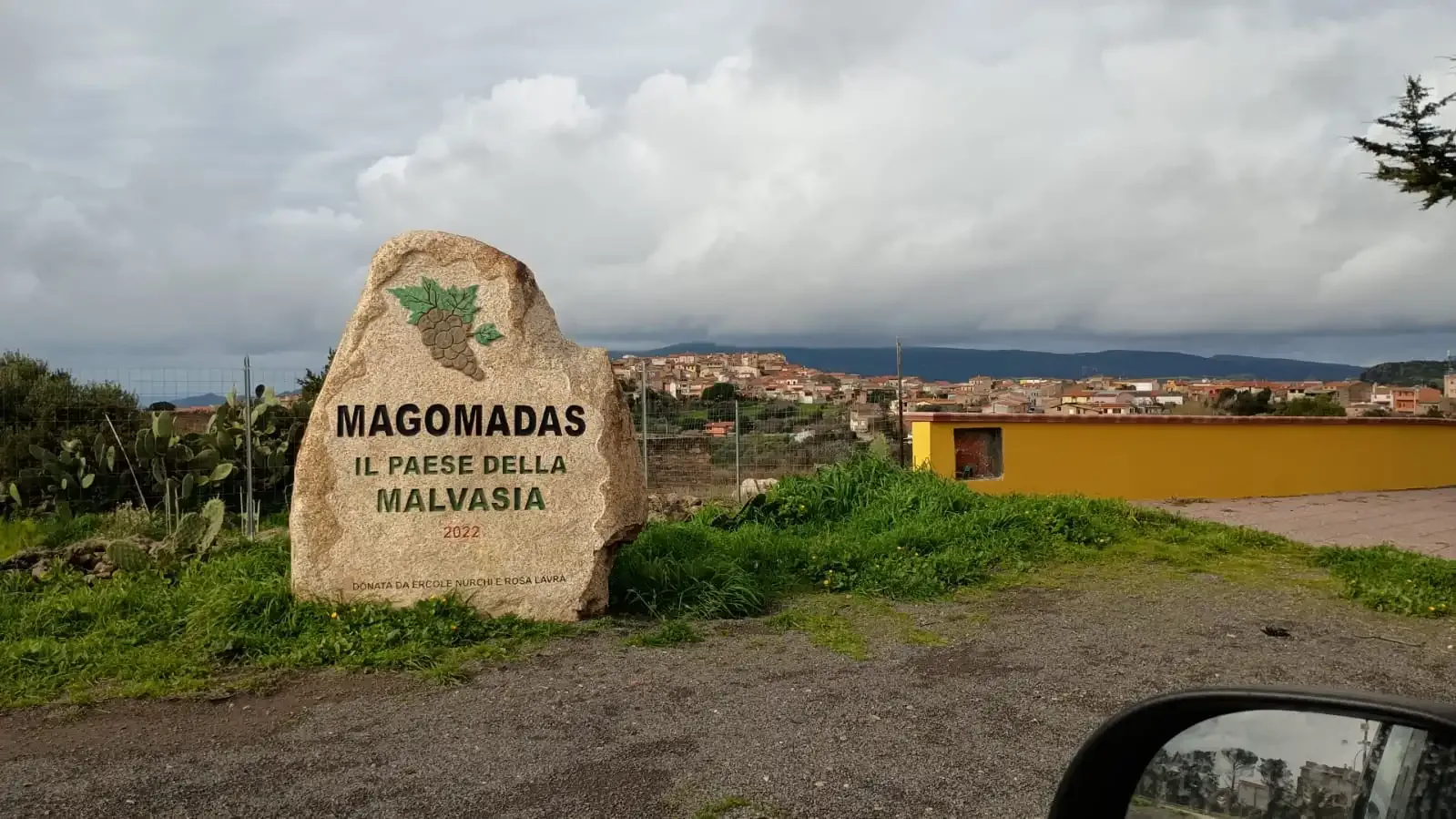
This area is renowned for Malvasia di Bosa, produced on the surrounding hills. You will find dry versions for aperitivo and aged, amber styles that pair with almond pastries. After your walk, look for tastings in nearby Bosa wine bars or countryside producers. For a simple snack, pick up pane carasau, local cheeses, and traditional sweets to enjoy with a view over the vineyards.
Pair it with Bosa and the coast
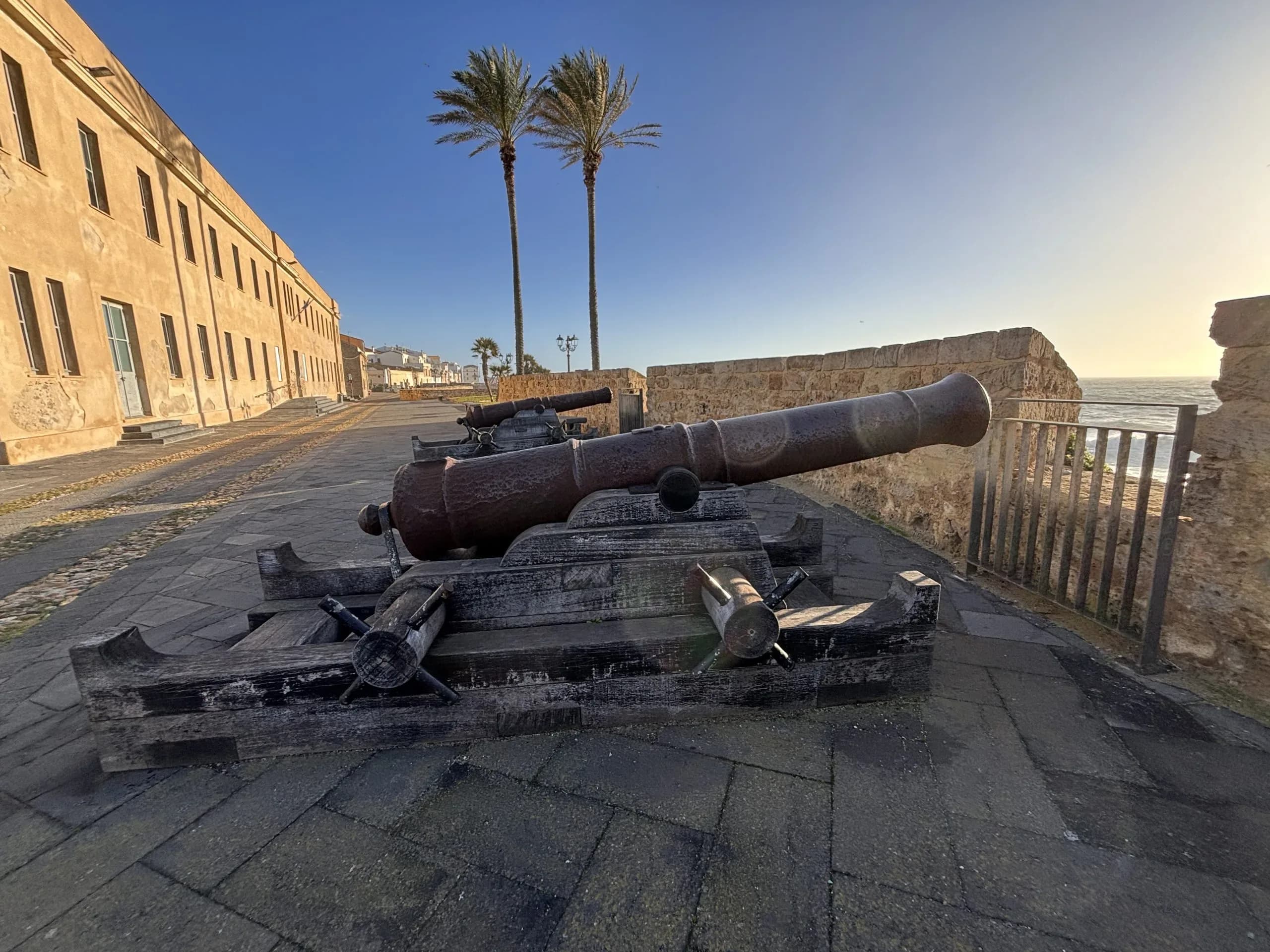
Make it a half day by coupling Tinnura with Bosa’s old town. Wander the pastel lanes up to the castle, then catch sunset at Bosa Marina. The contrast works well: quiet murals in the hills, river views and the sea within minutes.
Practical tips and safety
- Best time: Spring and fall are mild. In summer, aim for early morning before 10 am or after 5 pm to avoid peak heat.
- What to wear: Comfortable walking shoes with grip. Streets are mostly flat but include uneven stones and short slopes.
- Sun and water: Shade is limited. Carry at least 1 liter of water per person, a hat, and sunscreen.
- Respect: Murals are part of daily life. Do not touch or lean on painted surfaces. Ask before photographing people.
- Facilities: Expect a bar and small shops with limited hours. Many places close mid-afternoon and on Sundays. Carry some cash.
- Weather: The Mistral can bring brisk, clear days. Secure hats and filters, and be ready for cooler wind-chill in shoulder seasons.
- Accessibility: The main street is mostly level and manageable with strollers and wheelchairs, though side alleys may have steps.
- Emergency: Dial 112 for police, ambulance, and fire services across Italy.