
Why Cane Malu grips you
Arrive in Bosa for the candy-colored houses and slow Temo River, then walk a few minutes over dark volcanic rock and the coast flips the script. The sea has carved a near-perfect circle in the lava, a natural pool that glows an unreal blue. The water is so clear you can count the ripples of light on the bottom as shoals of tiny fish hurry past.
On calm days it is irresistible. Some people leap in from the surrounding rocks with a whoop; others slide in with composure. Around you: ochre cliffs, the scent of helichrysum in the brush, and the steady hiss of swell against the stone. Stay for golden hour if you can. The rock holds the day’s warmth and the pool turns to liquid glass.
Where it is and how to reach it
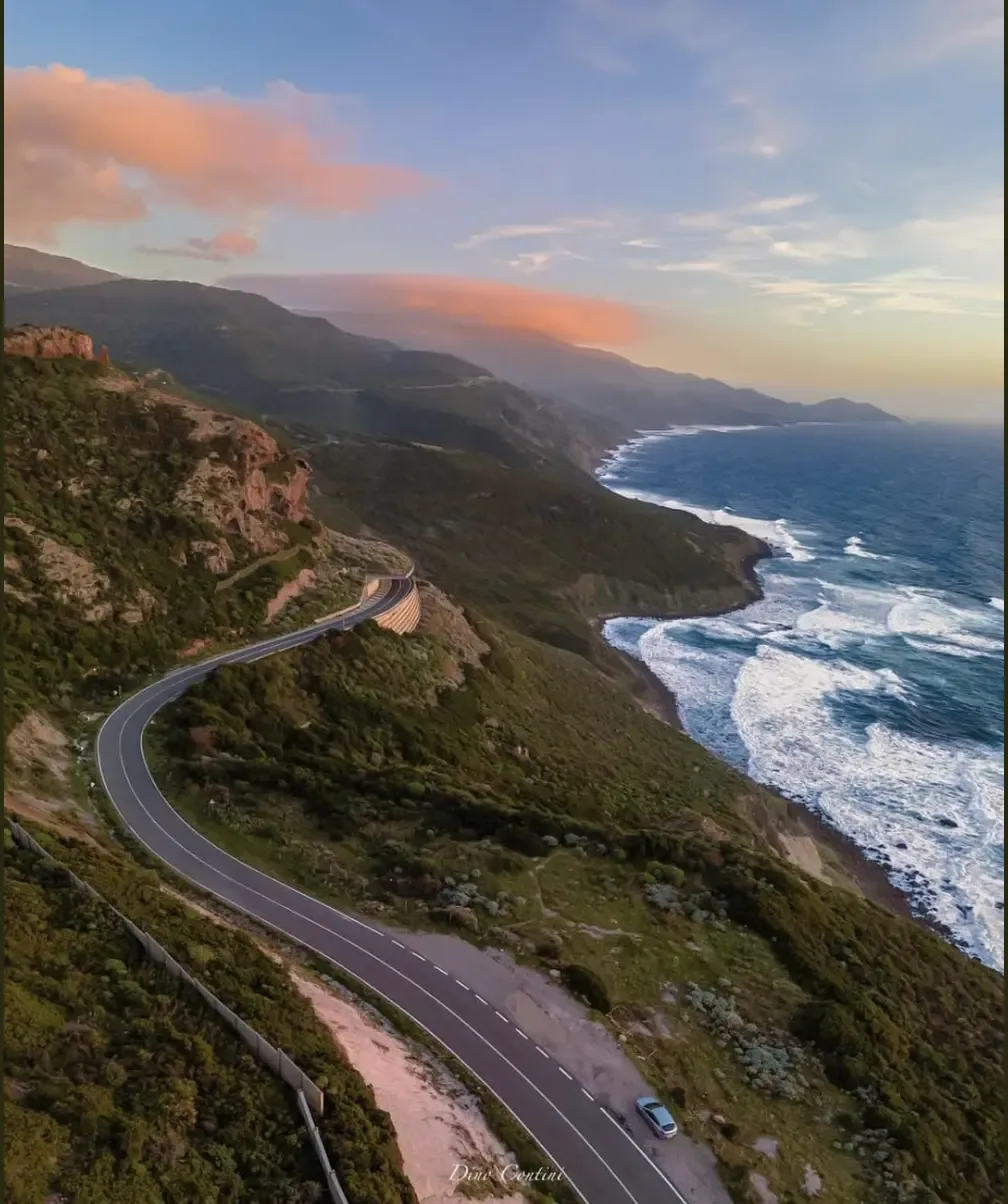
Cane Malu sits just north of Bosa Marina along the coastal road toward Alghero (SP49). From Bosa Marina, drive a few minutes north and park in one of the roadside pull-offs. From there it is a 10 to 15 minute walk over broad lava slabs to the pool. There are no signs and no facilities. Bring what you need and take everything back with you.
Bosa itself is a historic riverside town worth lingering in, with a colorful center and hilltop castle, according to Lonely Planet (source). Explore in the morning, then head to Cane Malu for an afternoon swim.
When to go and conditions
- Best light: Early afternoon makes the pool glow turquoise. Sunset is quieter and lovely for photos.
- Summer timing: In July and August, start before 10 am or go after 5 pm. The rock gets very hot underfoot.
- Wind and swell: The Mistral can whip the west coast. If the sea is rough or waves are surging into the pool, skip swimming. Check regional weather alerts on Protezione Civile Sardegna here.
- Off-season: Spring and early autumn are fantastic for cooler hikes and clear water, but the sea is colder. Bring a light wetsuit top if you plan long swims.
How hard is it?
- Approach: Easy to moderate. Short walk, but on uneven, sometimes slick rock. Not suitable for strollers or those with limited mobility.
- Swimming: Easy to moderate in calm seas. The pool is deep and clear with no sandy entry.
- Cliff jumping: Advanced only. Surges and rock ledges shift with swell and tide. Never dive headfirst.
- For families: Confident older kids with sturdy water shoes do fine in calm conditions. Small children are better at the wide rock ledges well back from the pool.
Safety first
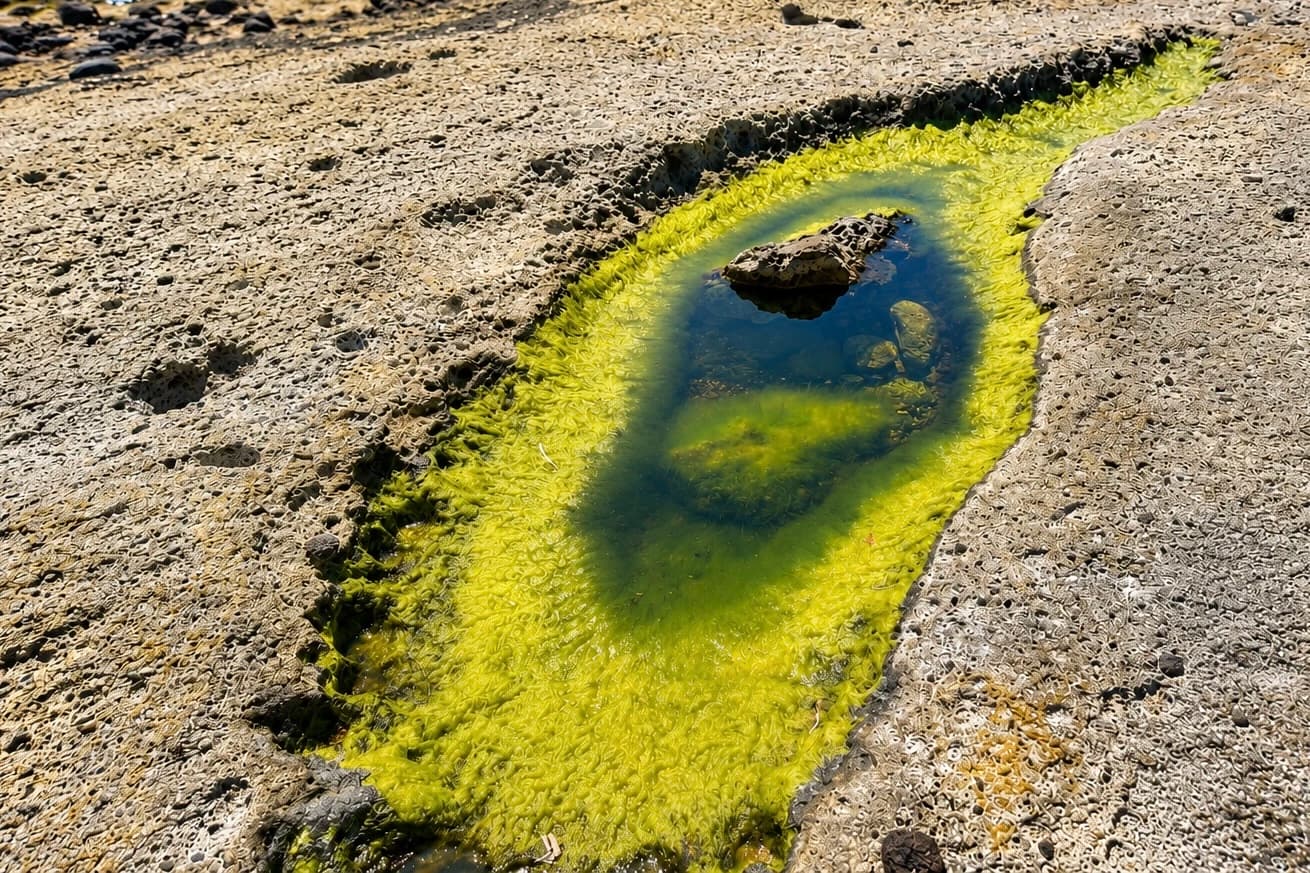
- Footwear: Wear grippy water shoes. Algae and spray make some edges slick, and there can be urchins in crevices.
- Check before you jump: Watch the pool for several minutes. Confirm depth and look for submerged ledges. Jump feet first. Skip it if waves push water in hard sets.
- Sun and heat: There is no shade. Bring at least 1.5–2 liters of water per person, a hat, and sunscreen. The rock radiates heat on still days.
- No lifeguards, no services: Pack snacks, a small first-aid kit, and a dry bag for keys and phone.
- Emergencies: Dial 112 for general emergencies. For incidents at sea, call 1530, according to the Italian Coast Guard (source).
Snorkeling and simple pleasures
Bring a mask. On clear, calm days you can spot damselfish, wrasse, and shy blennies along the pool’s rim. Outside the circle, the seabed drops quickly with tongueweed meadows and basalt ledges. The water is usually crystal, and the contrast of black rock and electric blue is striking.
Settle on the warm stone, listen to the surge, and watch cormorants arrowing low across the surface. If the Mistral picks up, you will feel it instantly on this exposed shelf. That is your cue to pack up with a smile and come back on a calmer day.
What to pack
- Sturdy water shoes and a light towel
- Mask and snorkel; optional shorty or rash guard outside peak summer
- 2 liters of water per person, hat, high SPF sunscreen
- Small first-aid kit and plasters for scrapes
- Dry bag for valuables; rubbish bag to carry everything out ♻️
If Cane Malu is too rough
The west coast can be wild. If conditions are sketchy, choose an easier swim:
- Bosa Marina beach: Wide sandy arc with gentler entry and summer services. It is the most straightforward option when the swell is up.
- S’Abba Druche: A string of small coves north of Bosa with clearer entries. Still monitor swell before committing.
Practical notes
- Parking: Roadside lay-bys only. Do not block access or park on vegetation. For local regulations and useful contacts, see the Municipality of Bosa official site.
- Facilities: None at Cane Malu. Nearest cafés, shade, and restrooms are back in Bosa Marina.
- Leave no trace: The rock shelf is beautiful and fragile. Pack out every scrap, including fruit peels and bottle caps.
A simple plan for a perfect day
- Morning: Wander Bosa’s old town and riverside. Grab a light lunch in the shade.
- Afternoon: Drive to Cane Malu. Arrive after 4 pm in midsummer for kinder heat and softer light.
- Evening: Swim, snorkel, and linger for sunset as the cliffs turn copper. Head back before full dark; the rock can be tricky at night.
Quick recap
- Access: 10–15 minute rock walk from SP49 road pull-offs just north of Bosa Marina
- Difficulty: Easy to moderate approach; no facilities
- Best for: Confident swimmers, photographers, and anyone who loves raw coastline
- Avoid: Rough-sea days, high wind, midday heat without shade
Go with respect for the sea and the rock, and Cane Malu will give you that rare Sardinian moment where time slows and the water feels like a secret kept just for you.