
Piana di Tuili at a glance
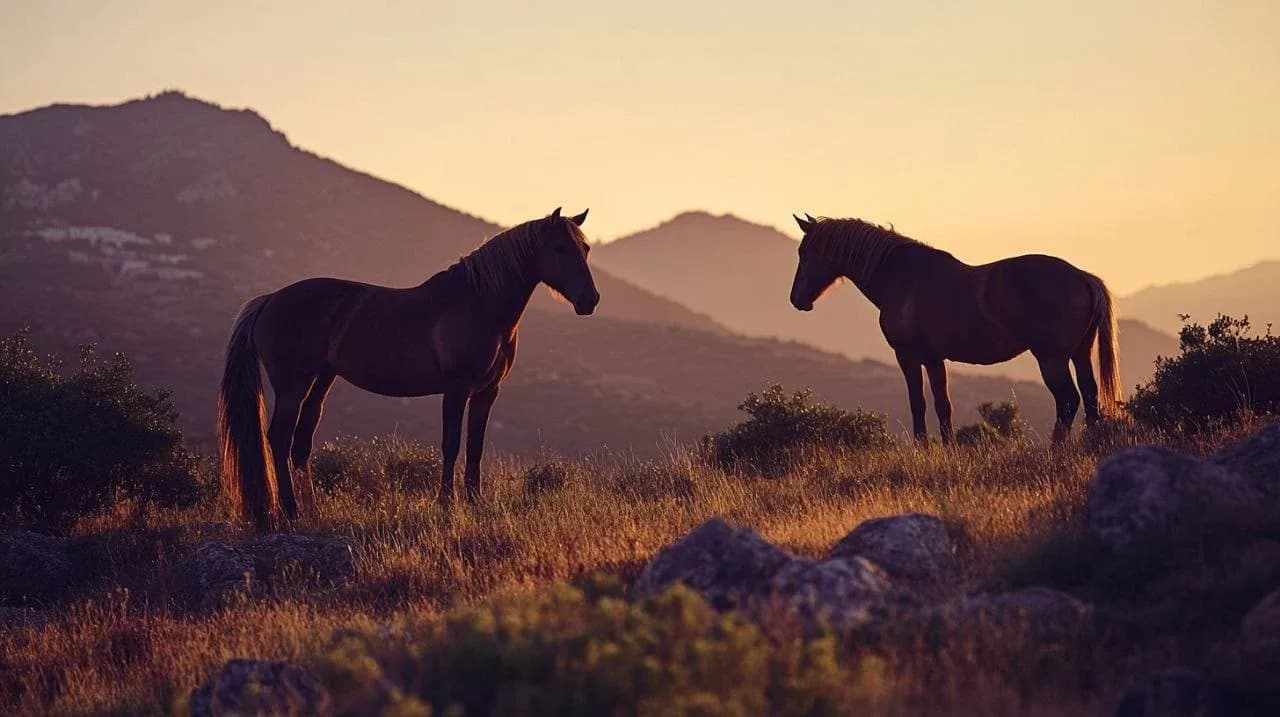
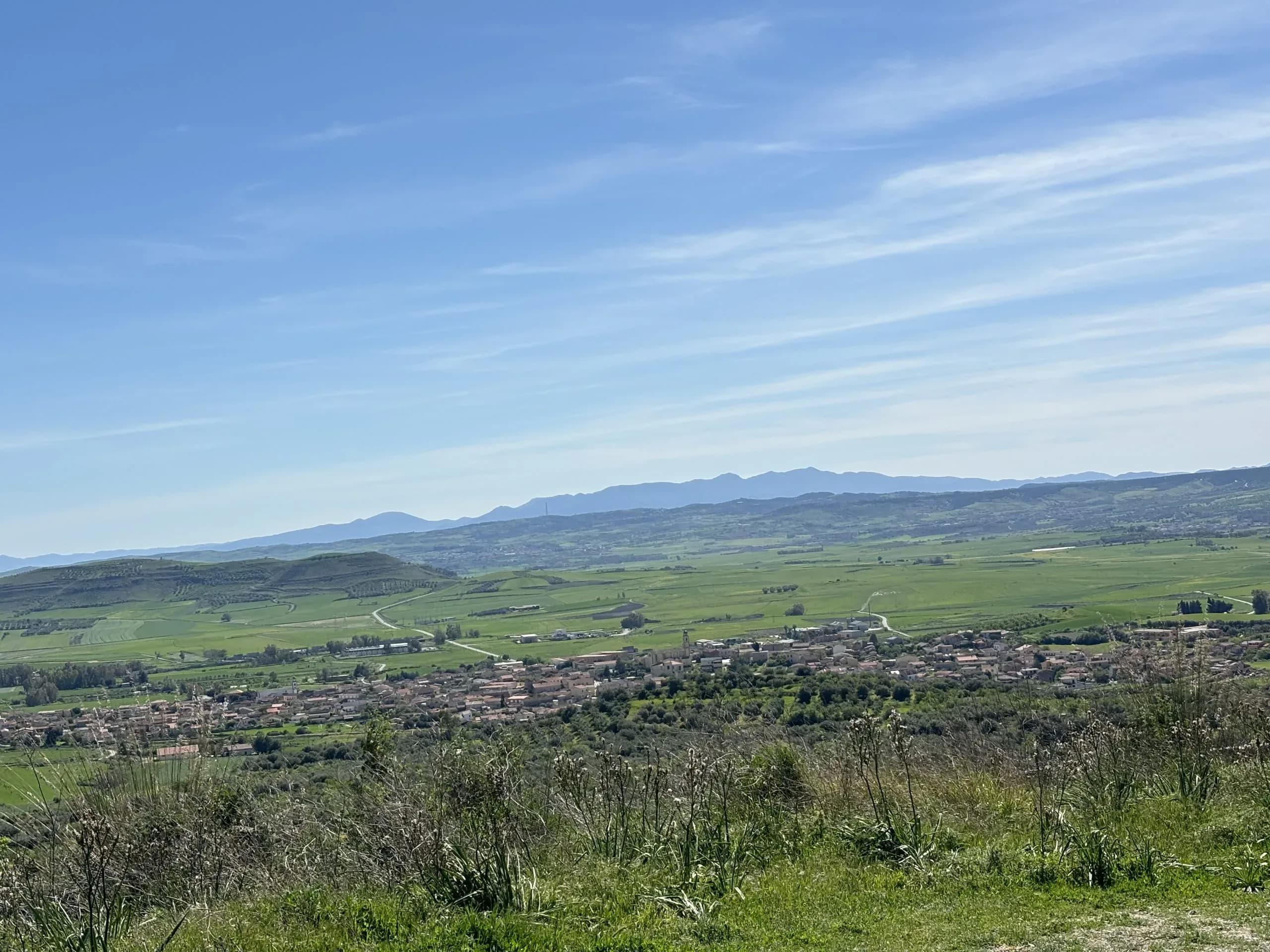
South of Oristano and about an hour from Cagliari, the Piana di Tuili spreads out at the foot of the Giara plateau. Fields glow gold in summer, the basalt rim throws long evening shadows, and the air smells of cistus and wild thyme. It is peaceful, but never dull. The Giara’s wild horses graze in wind-ruffled clearings, kestrels hover above, and seasonal ponds mirror the sky after autumn and spring rains.
This guide is for travelers who want gentle walks with big views, a taste of Sardinian folklore, and a day that mixes nature with history without feeling rushed.
Walks on the Giara plateau
The Giara is a lava plateau with easy-to-follow paths from trailheads near Tuili and Gesturi. Surfaces are uneven basalt and packed earth. Expect low cork oak and holm oak woodland, open clearings, and wide horizons over the Piana di Tuili.
Choose your route
- Easy: 3 to 5 km out and back to a seasonal pond area. Mostly flat with minor roots and rocks. 1.5 to 2 hours with stops. Good for most walkers.
- Moderate: 6 to 9 km loop linking two ponds and a viewpoint on the plateau edge. Rolling terrain with short rocky steps. 2.5 to 3.5 hours. Ideal for active walkers comfortable on uneven ground.
- Long: 10 to 14 km traverse of several ponds and rim lookouts. More exposure to sun and wind. 4 to 5 hours. For fit hikers who carry ample water and navigate confidently.
Seasonal ponds, called paulis, are best from late fall to spring when they hold water and attract birdlife. In summer they often dry out, but sunsets paint the basalt cliffs and the plain below in warm light.
When to go and what to expect
- Spring, March to May: Green meadows, orchids and wildflowers, frogs calling in the ponds, mild temperatures. My favorite time.
- Summer, June to August: Hot and dry, strong light, long days. Start before 8 am or aim for late afternoon into sunset. Carry more water than you think you need.
- Autumn, late September to November: First rains refill the ponds, skies are dramatic, air is clear after the Mistral wind.
- Winter: Quiet and atmospheric on calm days. Bring a warm layer; the plateau catches the wind.
Wind is part of the Giara’s character. On Mistral days you will feel it on the rim while the woods stay sheltered. The basalt holds heat, so watch your footing if there has been rain; the rock can be slick.
Safety and essential gear
- Footwear: Sturdy walking shoes or light hiking boots with good tread. Basalt edges can be sharp.
- Water and sun: Minimum 1.5 liters per person in cooler months, 2 to 3 liters in summer. Sun hat, sunglasses, high SPF sunscreen.
- Navigation: Download an offline map. There are signposts, but junctions can be subtle. Phone coverage is patchy in places.
- Weather: Avoid ridge edges during thunderstorms. If it rains, slow down on rock slabs and take the woodland lines.
- Wildlife: Do not approach or feed the Giara horses. Give them space and pass quietly. Check for ticks after brushing through grass.
- Fire risk: No flames or smoking in summer. Respect any trail closures.
- Emergency: Call 112 in Italy. Share your plan with someone if walking solo.
Finding the trailheads
By car is simplest. From Cagliari, follow the SS 131 north, then branch toward Barumini and Tuili. Look for signed access points for the Giara near Tuili or Gesturi, where you will find parking and information boards. The final approach is on narrow rural roads; drive slowly and watch for cyclists and livestock.
Public transport exists but is limited. ARST buses connect Cagliari with Barumini and Tuili on a reduced schedule. If you arrive by bus, plan a shorter loop and check return times ahead of time.
Highlights to look for
- Wild horses of the Giara: Small, sturdy, and perfectly adapted to the plateau. Enjoy them from a respectful distance 🐴.
- Seasonal ponds: Glassy reflections of cork oaks and sky. In spring, listen for the chorus of frogs and look for dragonflies skimming the water.
- Plateau rim viewpoints: Wide views over the Piana di Tuili, patchwork fields, and the basalt cliffs glowing near sunset.
- Scent and sound: Cistus, myrtle, and pine on the breeze, the click of cicadas in summer, and the low rush of wind in the holm oaks.
Folklore to carry with you
As the light softens, the plain seems to breathe. Locals speak of faint lights drifting over the fields, the Lanterns of the Ancients, guiding travelers home. They tell of the Giants of Tuili, whose footsteps shaped the land, and of the White Mare of Sa Giara that gallops under a full moon, leaving one-night blossoms in her wake. You may not see lanterns or giants, but you will feel the hush of the plateau at dusk, and the stories fit the mood perfectly.
Nearby cultural stops
- Su Nuraxi di Barumini: Sardinia’s most famous Nuragic complex and a UNESCO site. Combine a morning on the Giara with an afternoon guided visit for a full picture of the Bronze Age world that birthed those legends.
- Casa Zapata, Barumini: A handsome historic residence with a Nuragic site visible under glass floors and a compact museum.
- Tuili village: Quiet streets, a parish church with local art, and small bars for a post-hike coffee or a cooling granita.
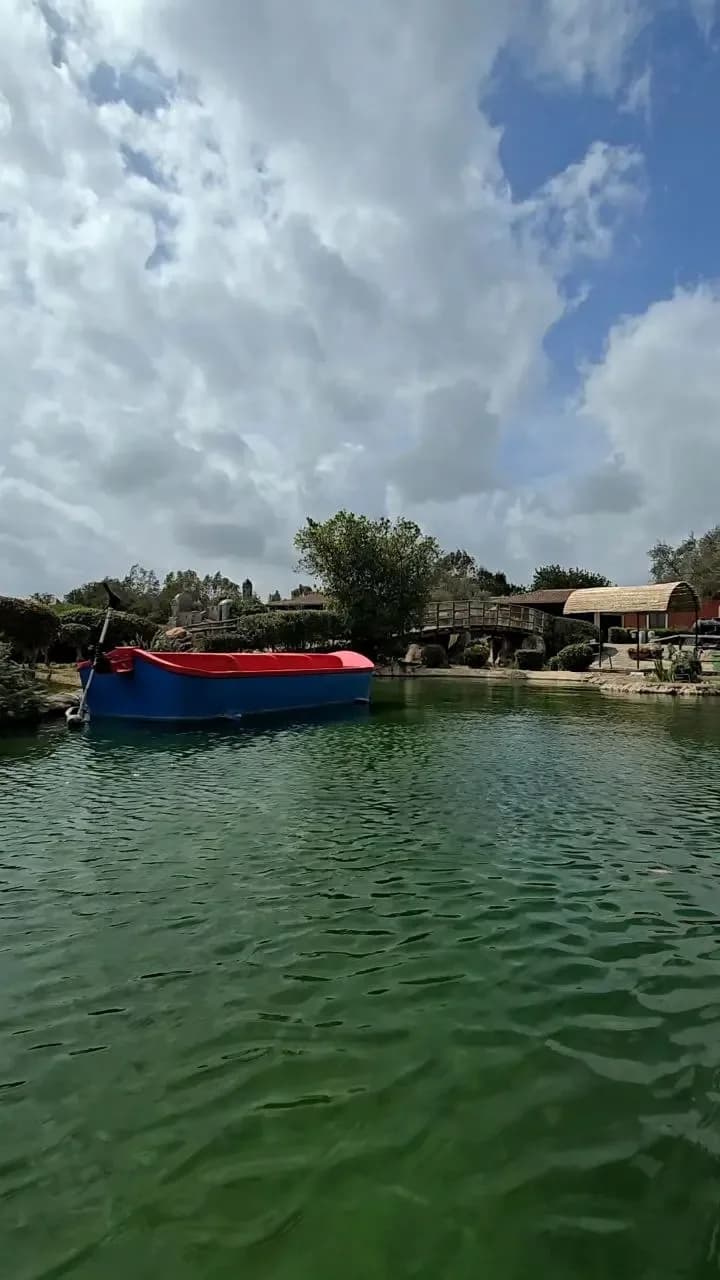
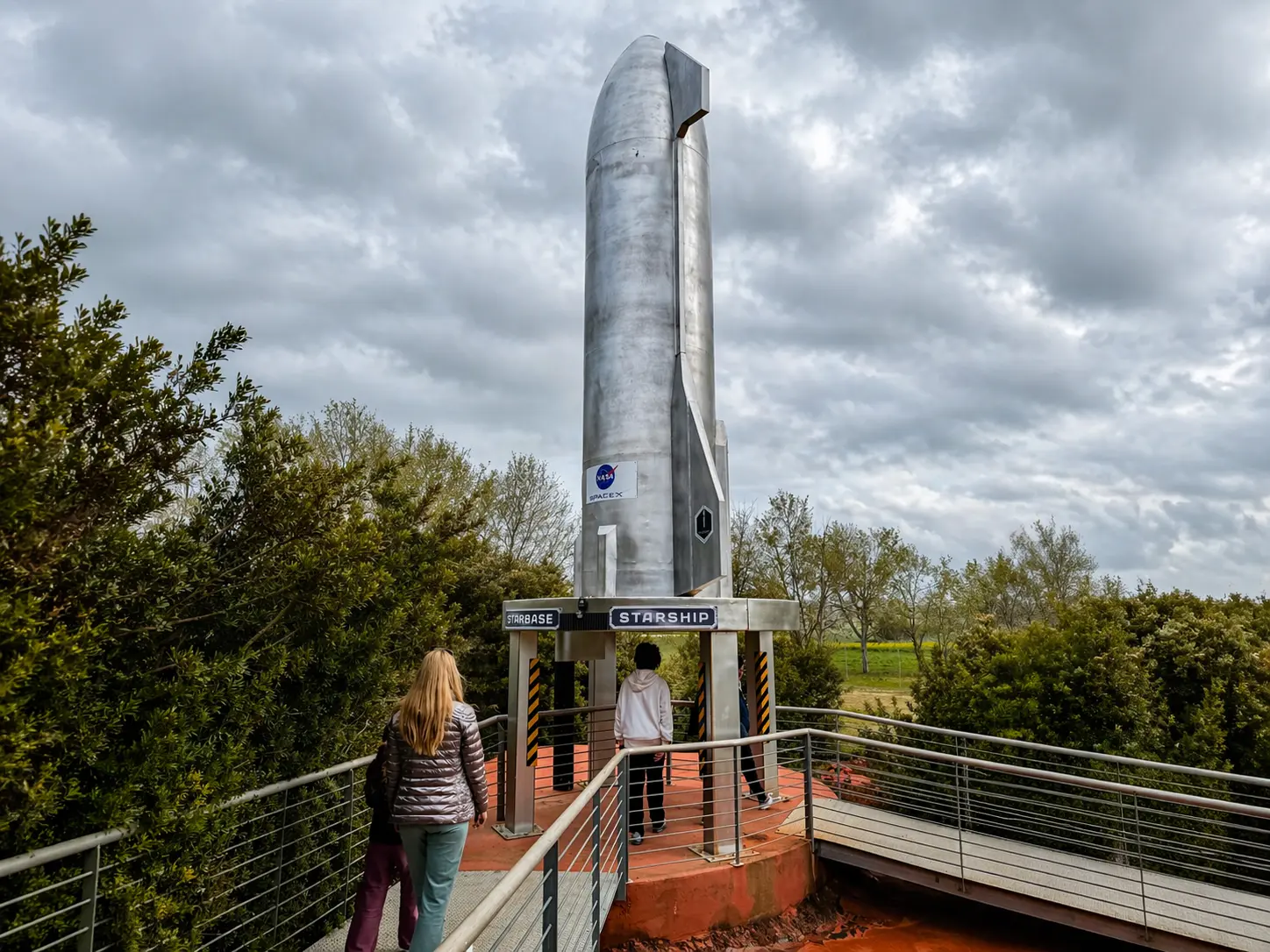
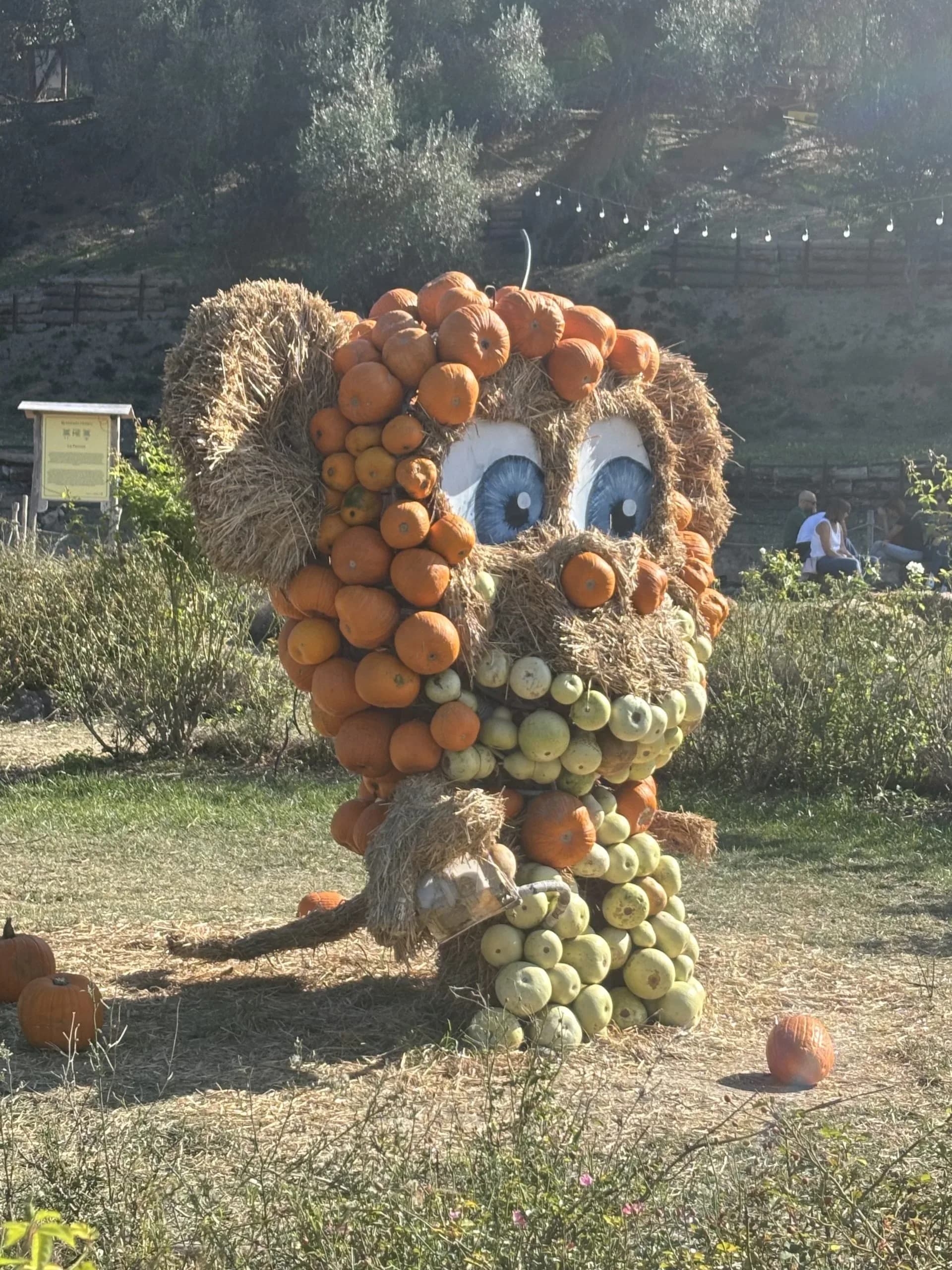
- Sardegna in Miniatura, Tuili: Light, family-friendly stop with models, a small botanical garden, and an astronomy area.
Sample day itinerary
Spring or autumn
- 08:30 Arrive at a Giara trailhead near Tuili. Walk a 6 to 8 km loop that visits two ponds and a rim viewpoint. Slow down for birds and horses.
- 12:30 Picnic at a shaded clearing. Pack out all waste.
- 14:30 Drive to Barumini for a guided visit at Su Nuraxi and then Casa Zapata.
- 17:30 Return to the plateau edge or a country lane for sunset views across the Piana di Tuili.
Summer heat plan
- Start before 8 am. Choose the 3 to 5 km easy route and stay in the woods when the sun is high.
- Rest midday in Tuili or Barumini. Museums are pleasantly cool.
- Return after 18:30 for golden light on the cliffs. Stick to known paths and be back at the car by dusk unless night access is clearly permitted.
Practical tips that make a difference
- Water strategy: Refill in town before driving up. There are no reliable taps on the plateau.
- Clothing: Light, breathable layers; a windproof for gusty days. Long trousers help with brush and ticks.
- Feet first: Rocks are uneven. Keep steps short, especially on descents.
- Respect the quiet: The Giara’s charm is silence. Keep voices low and give wildlife space.
- Photography: The plateau rim at sunset, or reflections on a still spring morning. Bring a cloth to wipe lens dust on windy days.
- Navigation backup: Save a GPX of a known loop on your phone and carry a paper map or printed screenshot as a fail-safe.
Where to stay and eat
Base yourself in Tuili, Barumini, or Gesturi for an unhurried visit. Small agriturismi serve hearty Sardinian cooking with local pecorino, seasonal vegetables, and excellent olive oil. For daytime, pack a picnic. For evening, book ahead on weekends as dining rooms are small.
Leave no trace, take the stories
Stay on paths, close gates, and carry out all rubbish. If you are lucky enough to meet the wild horses near a pond, pause quietly and let them pass first. Then, when the light fades and a breeze brushes the grass, listen. On the Piana di Tuili, it is easy to believe that ancient lanterns still float above the fields and that blessings travel on hoofbeats and wind.