
Why Marina di Olbia Feels Different
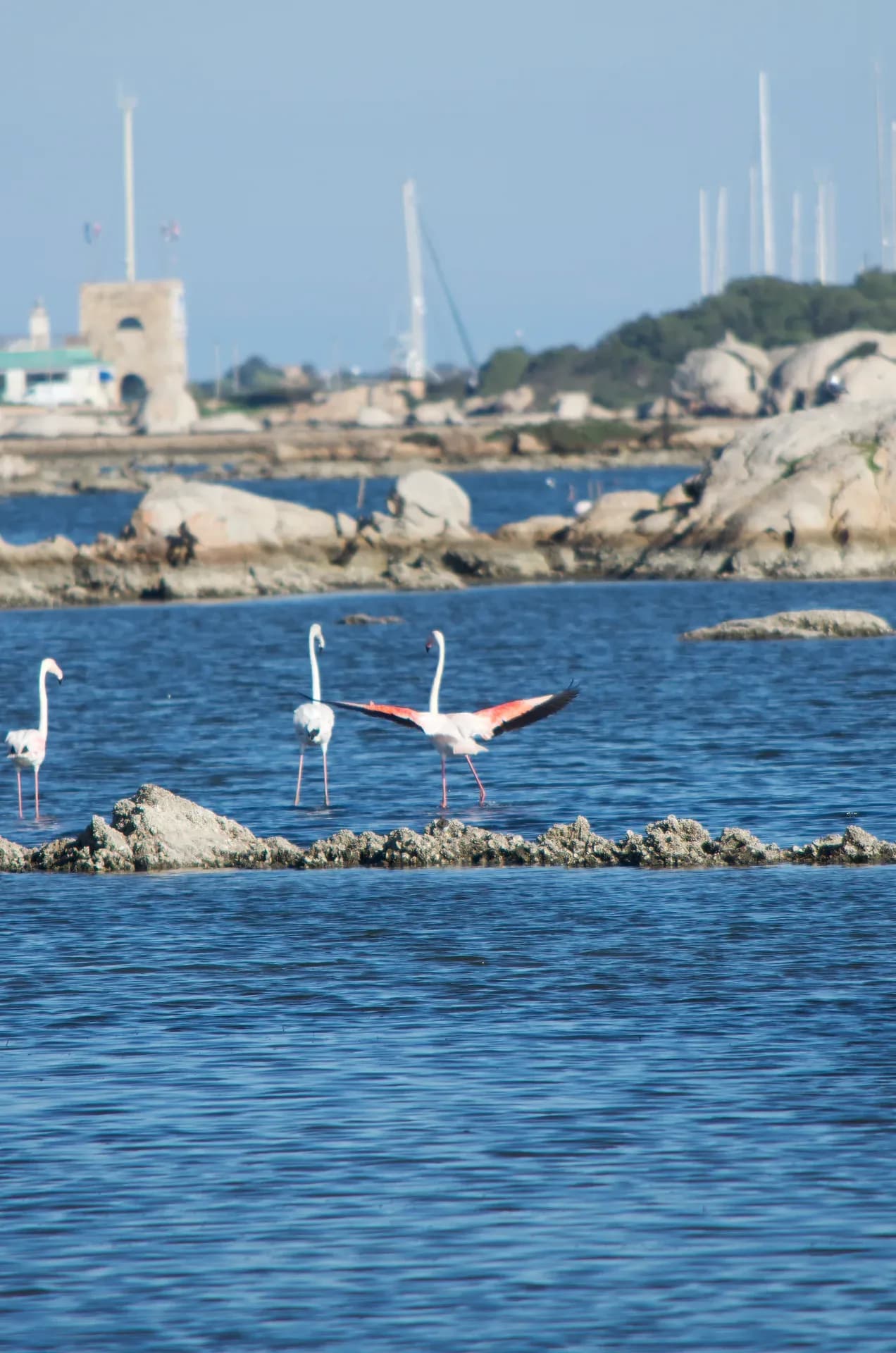
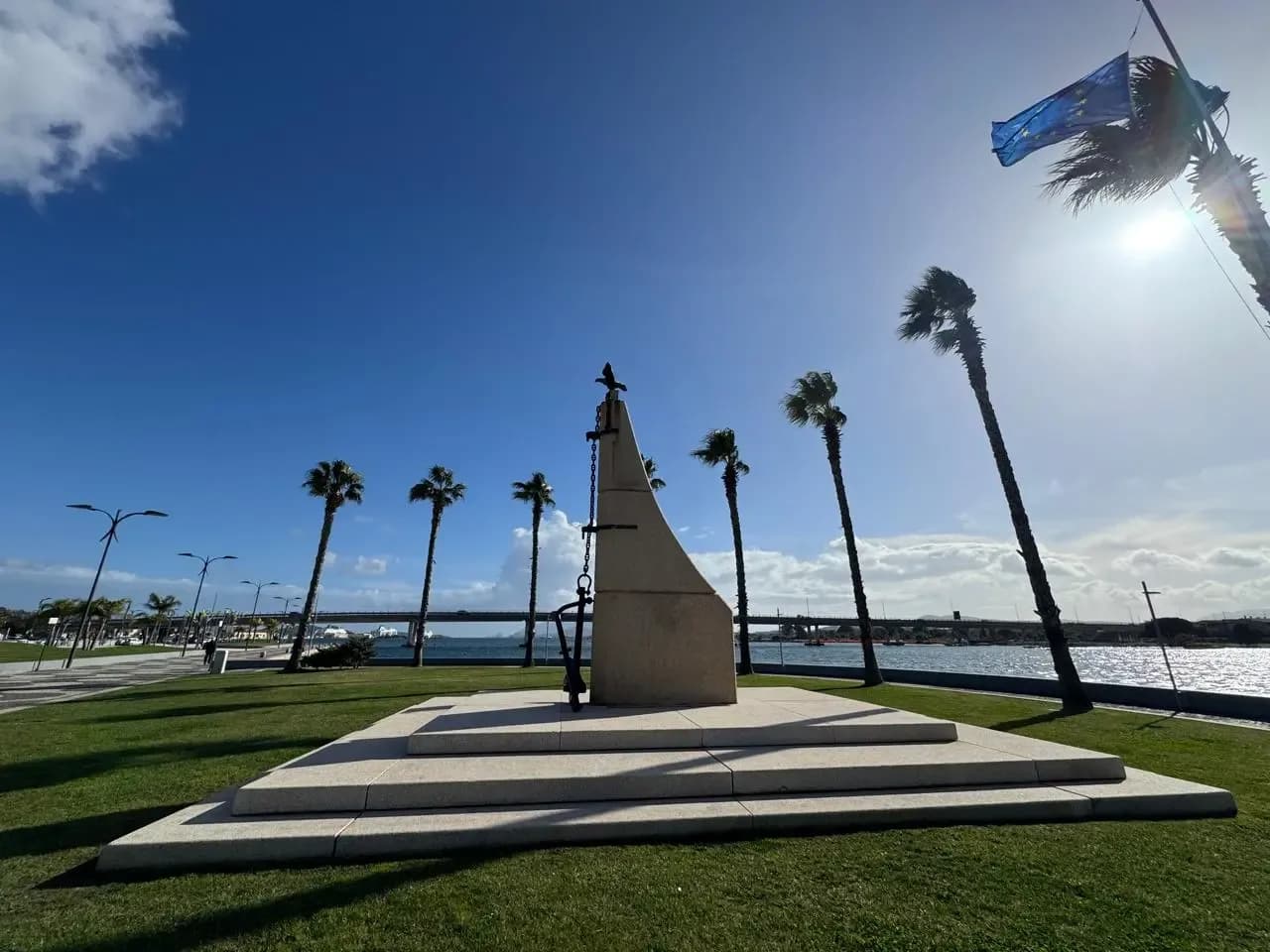
Set inside the wide Gulf of Olbia, this modern marina is minutes from the airport but has the stillness of a small harbor. The pontoons stretch toward low hills, the light changes by the hour, and the water carries the faint scent of salt and resin from the pine-lined coast. Locals come to walk, sip a coffee, and watch the tide of daily life roll in and out. It is simple, and that is the charm.
A Short Waterfront Stroll
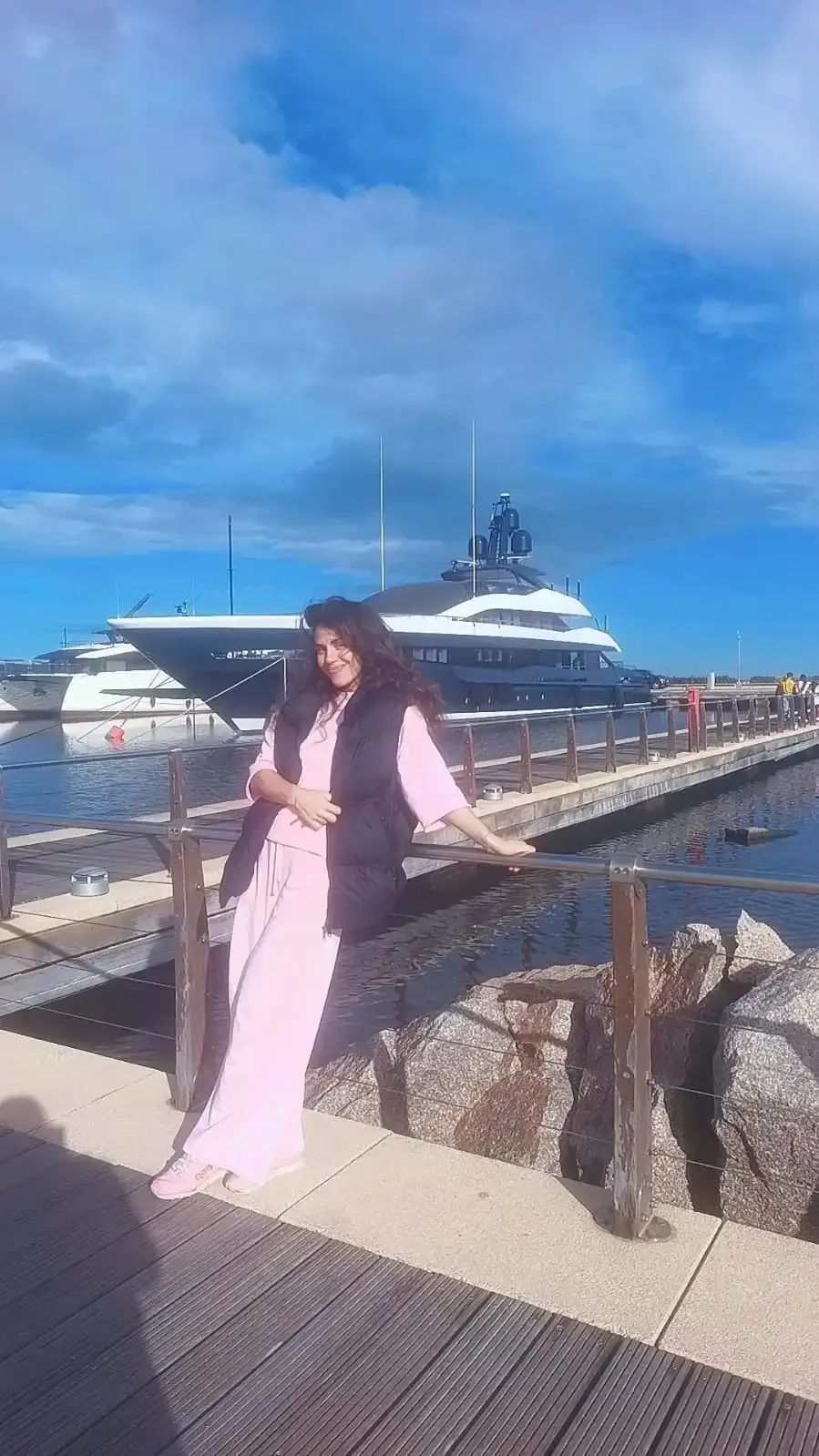
If you have 30 to 60 minutes, follow the quays from the main entrance and wander the length of the pontoons. Pause where the view opens across the gulf and look back at Olbia’s skyline. Early morning brings a pearly light over the water. Around sunset the city lights ripple on the surface and the breeze softens. Find a bar or bistro by the marina for an espresso or a spritz, then linger as boats settle for the night. ⛵
Olbia in Context: Sea Routes and Stone
Olbia has been a safe harbor since antiquity. Phoenician traders, then Romans, used the gulf as a shelter on Mediterranean routes. You can see this story at the city’s Archaeological Museum, where artifacts and Roman ship remains speak to centuries of navigation. Inland, the granite Basilica of San Simplicio recalls medieval Olbia, built in the 11th and 12th centuries from the same stone that shapes much of Gallura. Nearby Nuragic sites and a hilltop castle complete the picture of a place that has always watched the sea.
A Well-Paced Day Around the Marina
Morning
- 7:30 to 8:30: Sunrise walk at Marina di Olbia and coffee by the water. Quiet, flat paths make for an easy start.
- 9:00 to 10:15: Olbia Archaeological Museum. Small, focused, and ideal before the day warms up.
- 10:30 to 11:15: Basilica of San Simplicio. Step inside for cool granite, simple lines, and traces of early Christian history.
Lunch
- 12:00 to 13:30: Old town lunch along Corso Umberto or on a side street. Look for seasonal menus and local Vermentino by the glass.
Afternoon
- 14:15 to 15:00: Sa Testa Sacred Well. A Nuragic ritual site with concentric steps and precise stonework.
- 15:20 to 16:20: Castello di Pedres. Short uphill walk to a Pisan-era lookout with wide views over the plain.
- Optional: Nuraghe Riu Mulinu at Cabu Abbas if you enjoy a slightly longer hill walk and big panoramas.
Evening
- 18:30 to 20:00: Back to Marina di Olbia for an aperitivo and an unhurried stroll as the sky fades.
Getting There and Around
- From the airport: 5 minutes by taxi. If you are light on luggage, it is a short drive or ride-share.
- From Olbia old town: about 10 minutes by car. Local buses link the center with the airport area, but schedules vary by season.
- Parking: usually straightforward at the marina and nearby commercial areas. Check signs for time limits.
- Cycling: the roads are mostly flat near the gulf. Go early to avoid heat and wind.
Where to Eat and Sip
- By the marina: casual spots for breakfast, a light lunch, or aperitivo with water views.
- In town: for a fuller meal, try the streets just off Corso Umberto. Seek places focused on fresh fish, bottarga, and Gallura specialties like zuppa gallurese.
Authentic Shopping Tips
Skip the quick souvenir stands and look for pieces that tell a story of Sardinian craft traditions.
- Filigree jewelry: fine silver or gold work inspired by Gallura motifs. Browse small jewelers around Corso Umberto and nearby lanes.
- Ceramics: look for hand-thrown pieces from Dorgali, Oristano, or Assemini. Seek makers who sign their work and can explain glazes.
- Cork goods: Sardinia’s cork heart lies in Calangianus and Tempio Pausania. In Olbia, choose items made from natural cork with clean stitching. If you have time, the cork museum in Calangianus makes a worthwhile detour.
- Textiles: flat-woven rugs and cushions from Aggius and Nule. Ask about natural dyes and traditional patterns.
Tip: independent ateliers often sit one or two blocks off the main street. Take a few extra minutes to explore side alleys and ask questions. Makers are proud to share their process.
When to Go
- Best light: sunrise and the hour before sunset.
- Summer: go early or late to avoid heat and afternoon winds.
- Shoulder seasons: April to early June and mid-September to October bring softer weather and calmer paths.
Respect the Place
- Marina etiquette: pontoons are working areas. Keep to public walkways and ask before photographing people on boats.
- Heritage sites: wear shoulders-covered attire for churches, and sturdy shoes for hill paths. Carry water and avoid lighting fires.
In the End
Marina di Olbia is not about ticking off sights. It is a quiet thread you can weave through a day of history, small rituals, and good food. Come for an hour, or return twice in a day. The water keeps its own rhythm, and it is easy to fall into step with it.