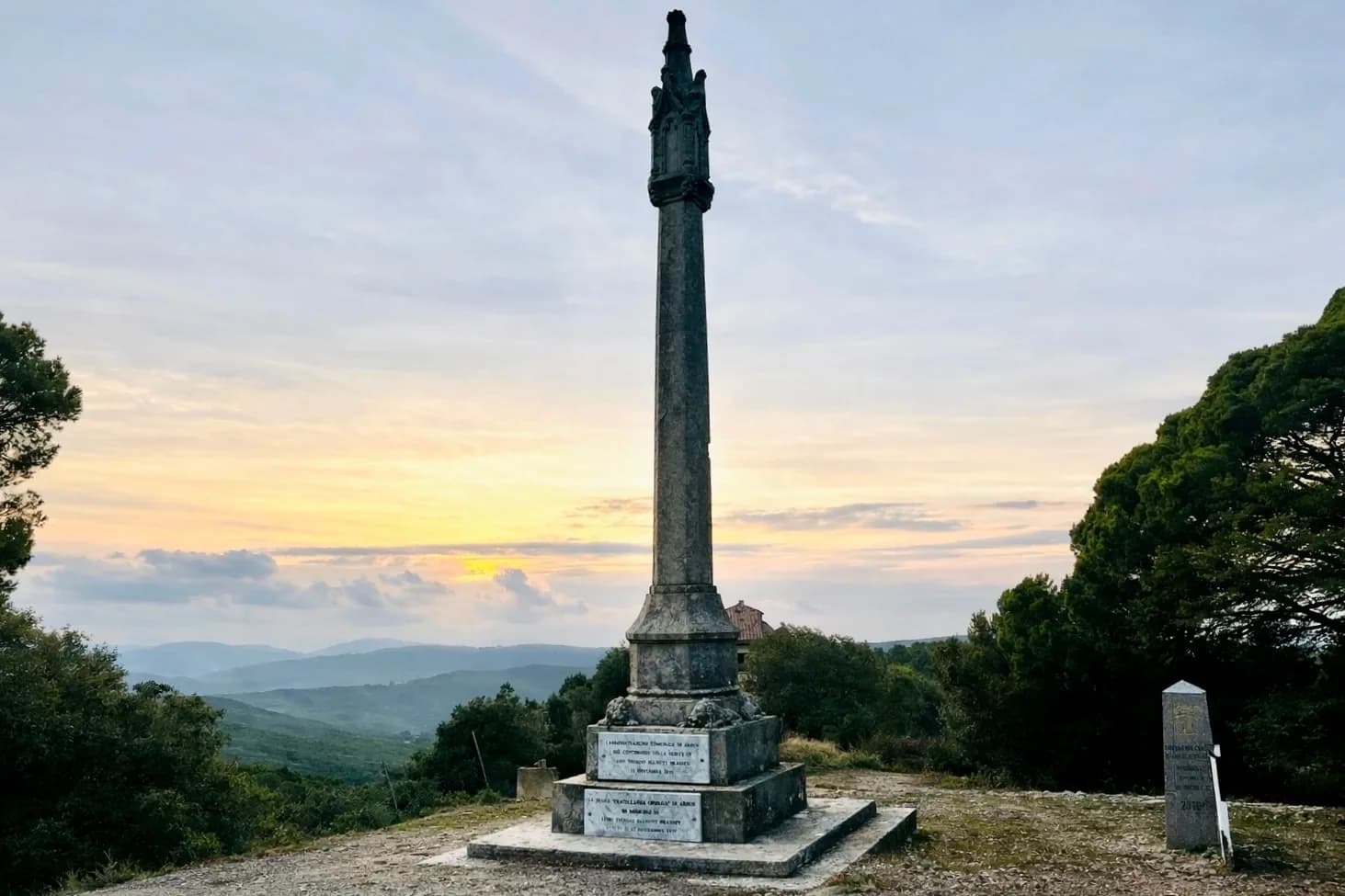

A quiet column with a railway story
In the hills of southern Sardinia, a tall stone column rises beside the small Chiesa di Santa Barbara, just off the scenic SP4. It marks the Monumento a Lord Thomas A. Brassey, a low‑key stop with a wide horizon and a link to the 19th‑century push that stitched Europe together by rail.
Thomas Brassey was among the era’s most prolific railway contractors. His companies built lines across Europe and beyond, shaping how people and goods moved in the late 1800s, according to Fondazione FS Italiane history. Sardinia’s inland towns and ports were part of that broader story of connection, and this quiet memorial acknowledges it.
Where history meets nature
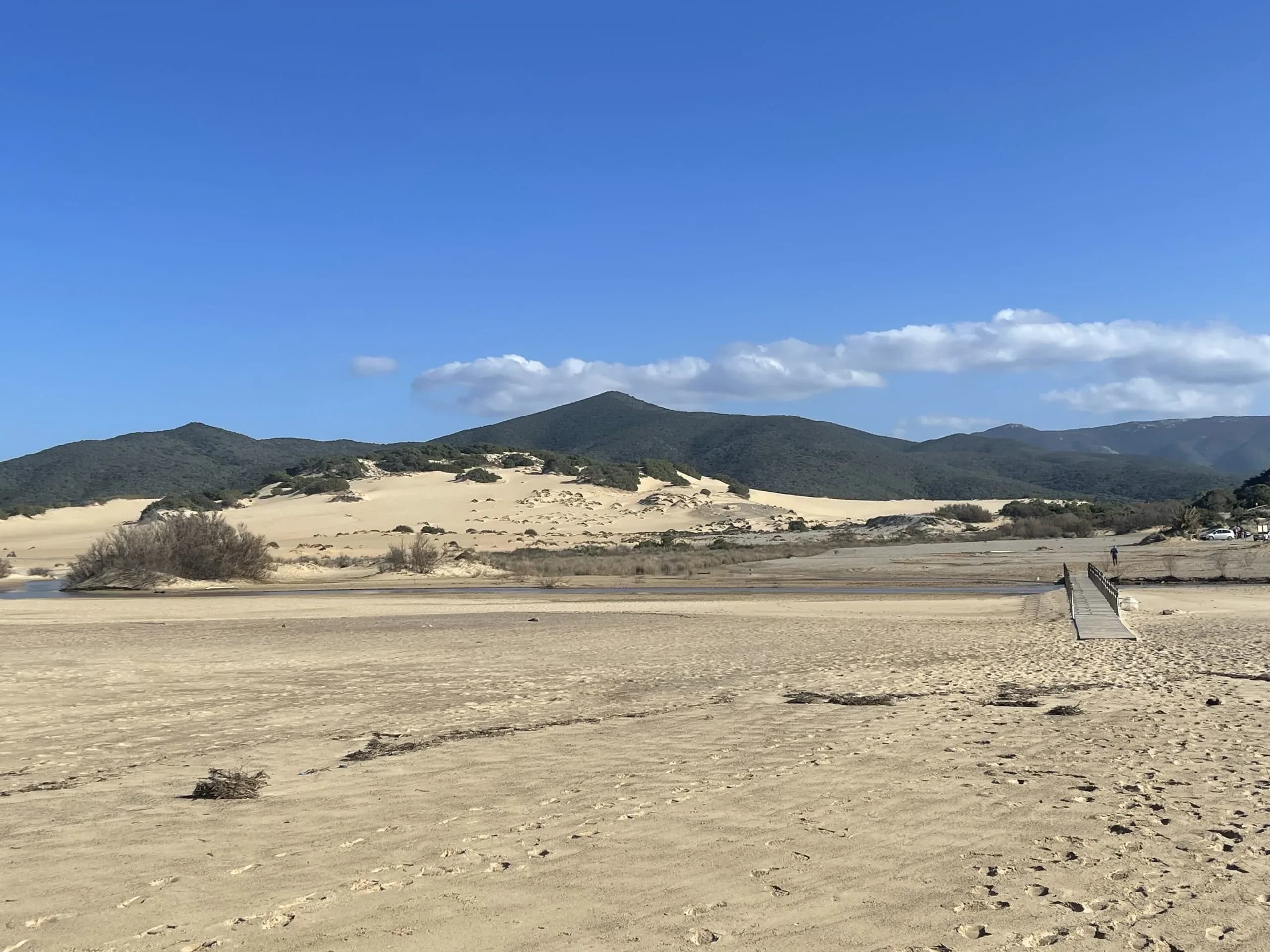
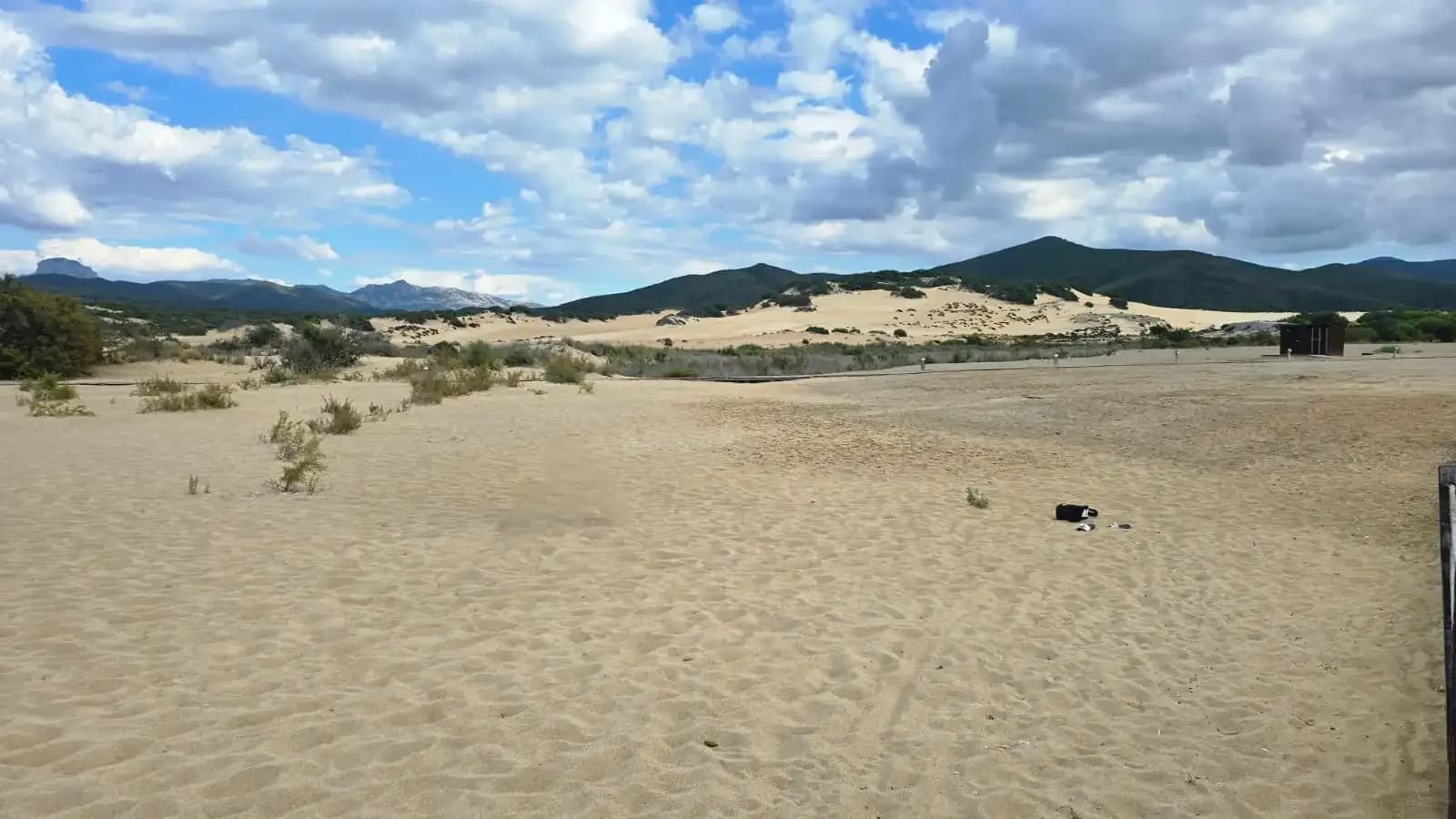
The setting is part of the appeal. The church sits on a knuckle of high ground, with long views over rolling cork oak and olive country. Late afternoon light softens the hills and gives the monument a striking silhouette at sunset. Bring a light jacket: even in summer the breeze can pick up on the ridge.
There is no formal visitor center here, which keeps the atmosphere calm. You come for 20 unhurried minutes, step out of the car, listen to the wind in the trees, and look outward. It is simple and memorable.
Getting there and timing your visit
From Cagliari, allow 1 hour to 1 hour 15 minutes by car. Follow SS131 toward the Campidano plain, then turn inland toward Villacidro and the SP4. The monument appears near the roadside by the Chiesa di Santa Barbara. Park considerately in the lay‑by and keep clear of driveways.
- Best light: golden hour and sunset 🌅
- Good seasons: October to May for cooler air and clear views; June to September for long evenings
- Footwear: closed shoes are helpful for the short, uneven verge
A half‑day itinerary from Cagliari
- 10:00 Depart Cagliari. Stop for coffee and a slice of civraxiu bread at a bakery along SS131.
- 11:15 Pull in at the monument and the Chiesa di Santa Barbara. Walk the verge, take in the views, and photograph the column in context with the hills.
- 12:00 Continue to Villacidro for lunch. This town sits below the Monte Linas range and has straightforward trattorias serving malloreddus with wild boar ragù.
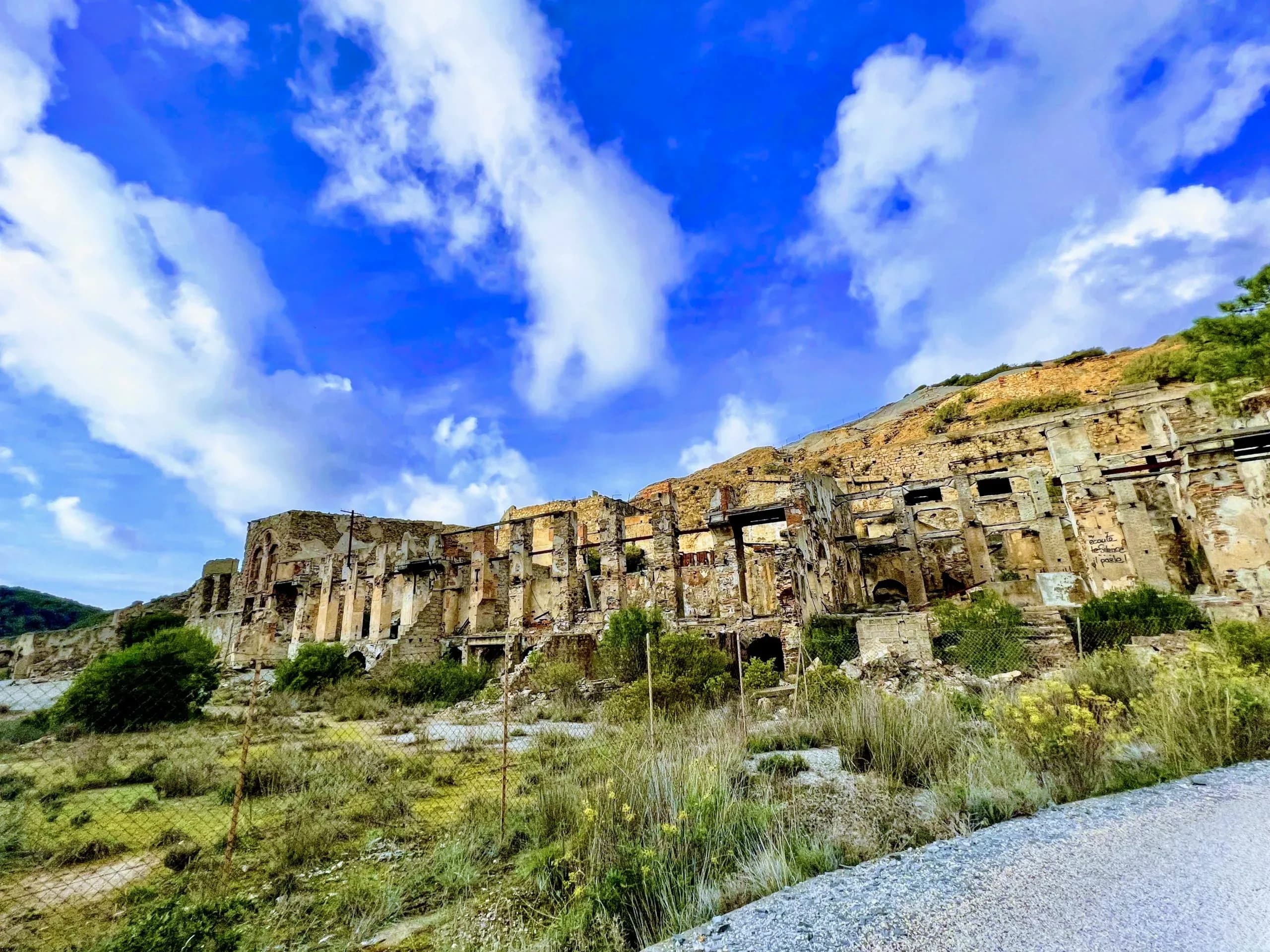
- 14:30 Drive to the historic mining district of Montevecchio for a guided visit through workshops and shafts at the Miniera di Montevecchio. Tours run seasonally; book ahead.
- 17:00 Head back toward the SP4. If skies are clear, return to the monument for sunset before driving to Cagliari.
Learn more nearby: mines, trails, and a waterfall
If the monument sparks your curiosity about Sardinia’s industrial past, the Great Serbariu Coal Mine in Carbonia interprets the island’s 20th‑century mining story with underground galleries and an excellent archive at the Museo del Carbone.
For walkers, the pilgrim‑style Cammino Minerario di Santa Barbara crosses the Iglesiente‑Guspinese hills, linking mines, villages, and chapels dedicated to the miners’ patron saint, as outlined by the Cammino Minerario di Santa Barbara.
Prefer something short and green? Detour to Sa Spendula, the waterfall just above Villacidro. After winter rains it is at its best, and even in summer the upper pools make a refreshing pause.
Authentic stops, not tourist traps
- Montevecchio mine workshops: tools, timber trusses, and quiet courtyards that give a feel for daily life underground. The guided format keeps numbers low and the stories grounded.
- Small-town bakeries in Villacidro and Guspini: look for pan’e saba slices, almond sweets, and civraxiu loaves rather than novelty souvenirs.
- Arbus knife ateliers: the town has a living tradition of hand‑forged blades. Ask to see the maker’s stamp and talk through steel types before buying.
Practical notes
- There are no services at the monument. Bring water and sun protection.
- Mobile signal can be patchy on the ridge. Download maps before you go.
- The roadside has curves. Keep well off the tarmac when stopping and supervise children.
- The church is occasionally used for local observances. Dress modestly and keep noise low.
What to buy and where
This area rewards careful shopping rather than quick souvenirs. Here is what to look for:
- Culinary: saffron from San Gavino Monreale, carignano del Sulcis wines, and local pecorino. Many shops label the producer and village. Choose those.
- Crafts: Arbus knives made by individual smiths, cork pieces finished without heavy varnish, and simple silver filigree from goldsmiths in Iglesias.
- Books: slim local histories of the Guspinese‑Iglesiente mines pair well with your stop at the monument and a tour at Montevecchio.
Why this small place stays with you
The column is not grand. It does not ask for more than a few quiet minutes. Yet it links a far‑reaching railway story with Sardinia’s hills and the lives that unfolded around them. Pair it with a mine tour or a short walk, buy something made by hand, and you will leave with a clearer picture of this corner of the island.