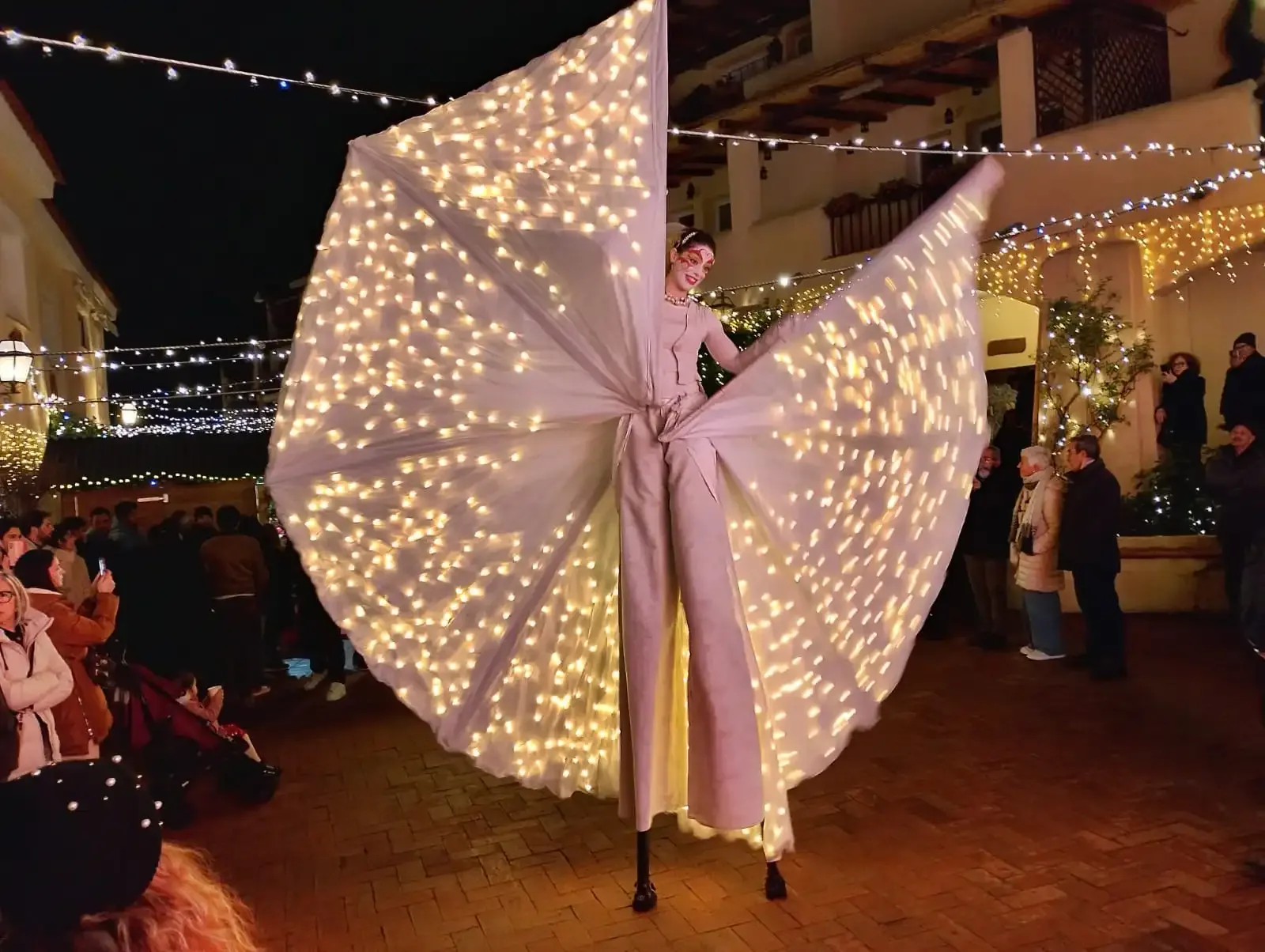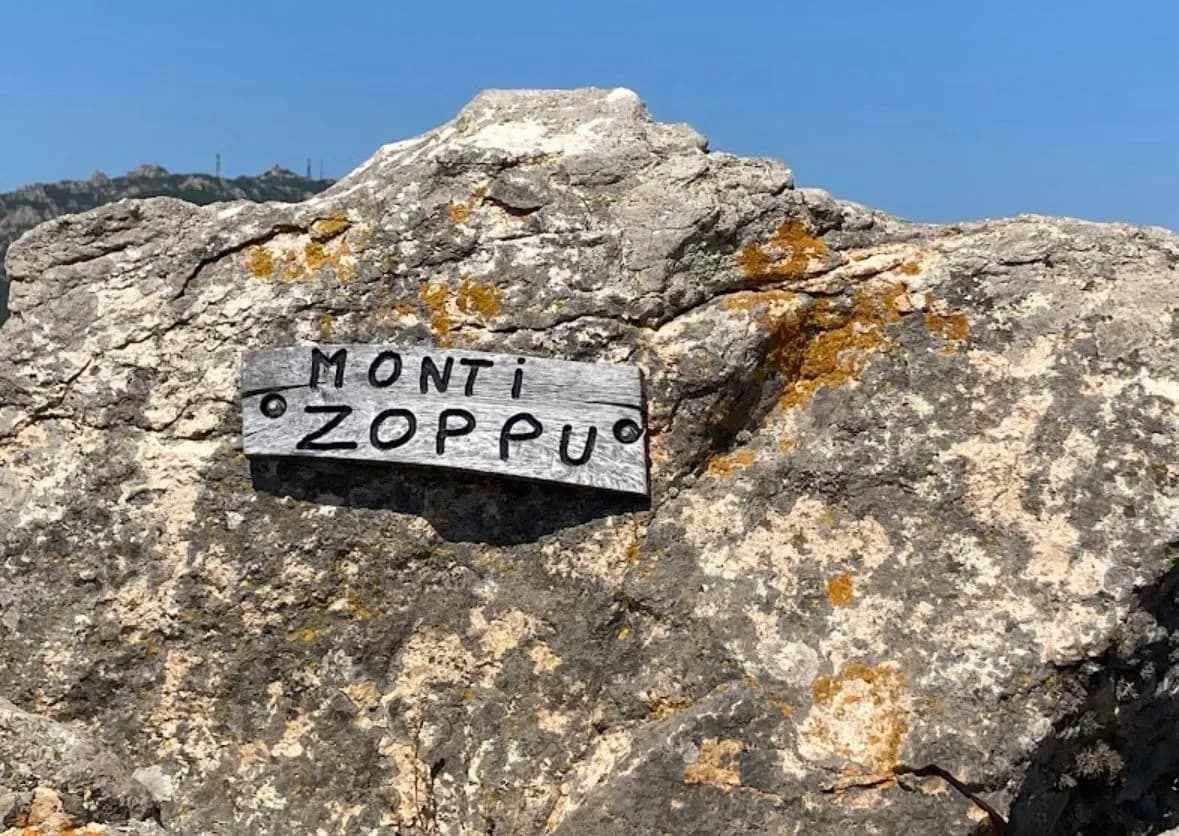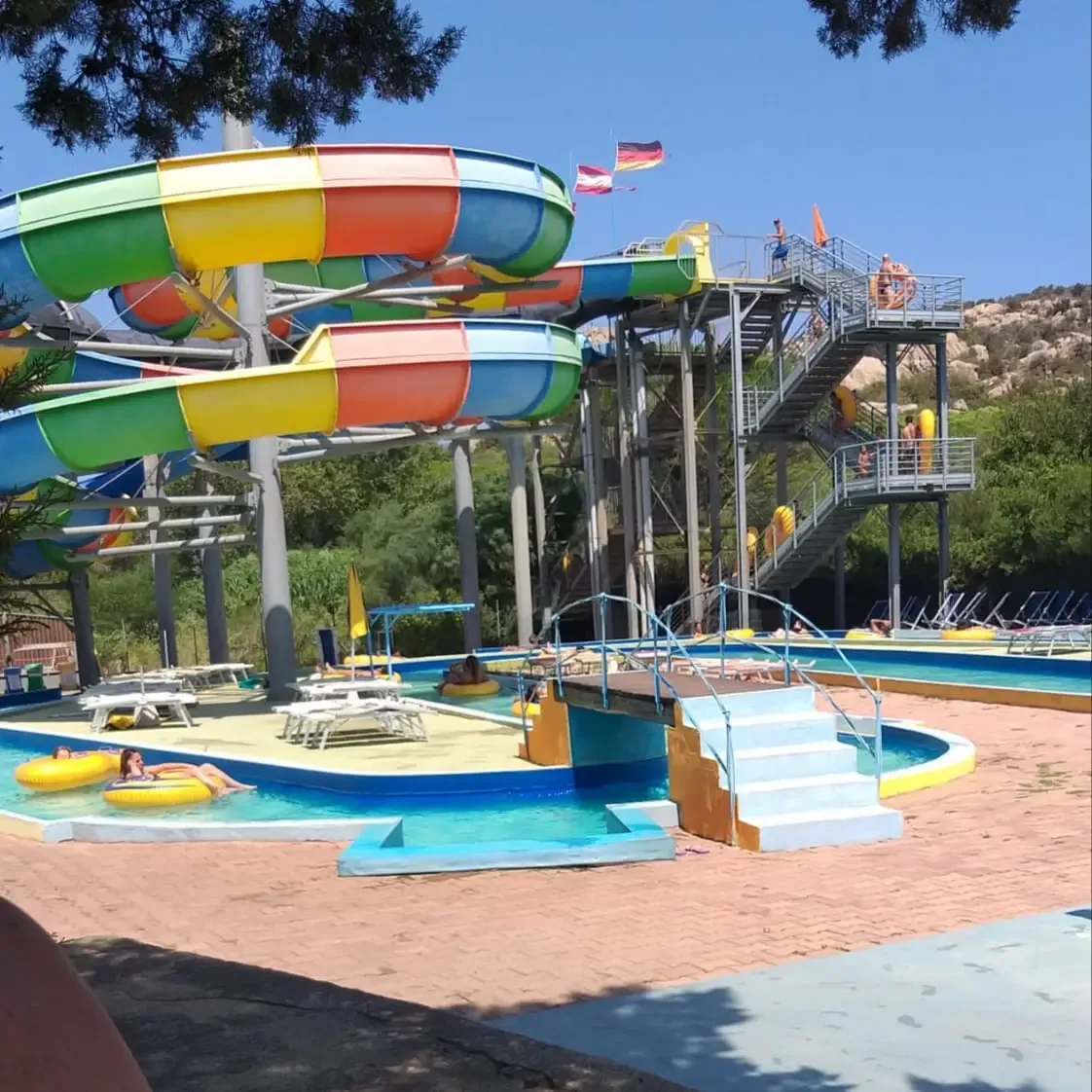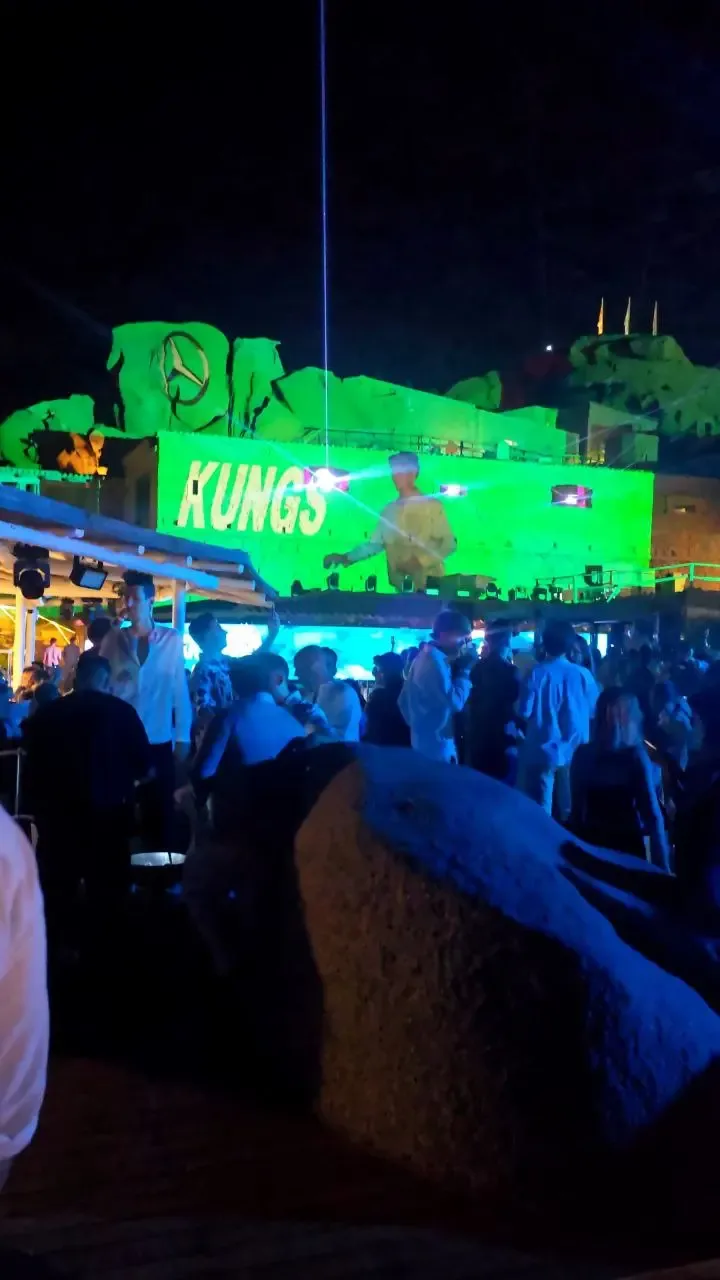

Some places make noise. Others pose. And then there’s Porto Cervo, where luxury whispers instead of shouting. Here, glamour leaves the clichés and becomes architecture, sea breeze, and the quiet habit of being beautiful, even when no one’s watching. In Porto Cervo, rushing is frowned upon. Being is enough. 🌊
From Mirage to Myth: How a Prince Built a Dream
In the early 1960s, a young Prince Karim Aga Khan IV sailed along the Gallura coastline and stopped—captivated by the raw, poetic beauty of northern Sardinia. He imagined a Riviera with more soul and less spectacle, and he set it in motion. With a team of visionary architects—Luigi Vietti, Jacques Couëlle, Savin Couëlle, and Michele Busiri Vici—he shaped what would become the Costa Smeralda and its crown, Porto Cervo. According to the official regional tourism board, the Costa Smeralda was master-planned in the 1960s under the prince’s guidance, preserving the landscape while creating a new standard of Mediterranean elegance (Sardegna Turismo).
Discretion soon became the house style. Friends and fellow visionaries arrived—sheikhs, emirs, European nobility—building villas tucked into the granite, opening clubs, and crafting a culture where the ultimate luxury is privacy. The Yacht Club Costa Smeralda, founded in 1967, anchored a world-class sailing scene that still defines summers here, from the Loro Piana Superyacht Regatta to the Maxi Yacht Rolex Cup (YCCS). And through it all, Porto Cervo kept its promise: beautiful, deliberate, unhurried.
Architecture That Feels Eternal
Porto Cervo may be a 20th-century creation, but it feels timeless—homes appearing carved from the rock and finished by the wind. The village’s curves, stairways, and whitewashed walls aren’t mere design; they’re mood. 🌿
Luigi Vietti’s Living Village
Vietti didn’t just draw streets; he orchestrated light and shadow. The result is a pedestrian village that meanders: vaulted passages, secret courtyards, and viewpoints that invite you to pause. It’s an architecture of ambience rather than symmetry—warm, human, quietly theatrical.
Jacques & Savin Couëlle: Sculptures You Can Live In
Jacques Couëlle, a self-taught French architect with a surrealist’s eye, worked with his son Savin to create organic, sculptural houses that embrace the landscape. Think flowing lines, asymmetry, soft light, and carved niches that feel inevitable. Their touch extends to hospitality, too: the iconic Hotel Cala di Volpe, designed in the 1960s, remains a benchmark for poetic, handcrafted luxury (Hotel Cala di Volpe).
Michele Busiri Vici: White Curves and Whispered Grace
Busiri Vici’s style is tactile and serene—curves, plaster, gentle arcs that catch the sun. Instead of dominating nature, his buildings tuck into it. In Porto Cervo, architecture isn’t a statement; it’s a conversation.
Stella Maris: A Church That Whispers
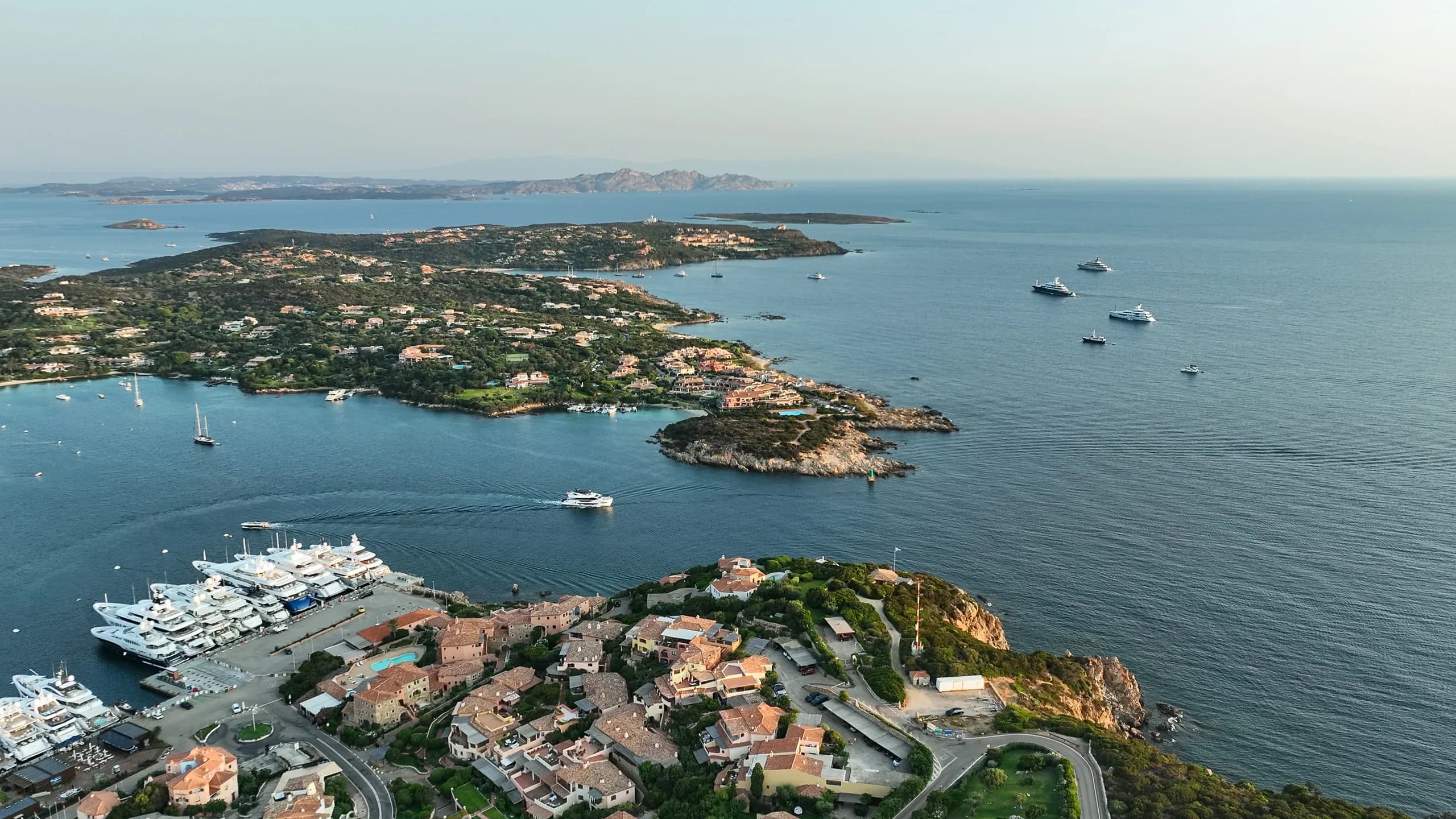
Above the old marina, Stella Maris doesn’t tower; it breathes. Designed by Michele Busiri Vici, the church combines wave-like forms, pale stucco, and a bell tower that feels drawn by the wind. Inside, the scent of juniper lingers; pews and details are carved from local wood. And there’s a treasure: an El Greco painting, the Mater Dolorosa (Madonna Dolorosa), an intimate masterpiece that invites stillness. According to the local tourism office, the church dates to the late 1960s and houses the El Greco work, with access typically free or by donation (Arzachena Turismo). Step outside and the view opens across Porto Cervo: yachts, terracotta roofs, blue horizons. ⛪
Yachts, Whispers & Reflections
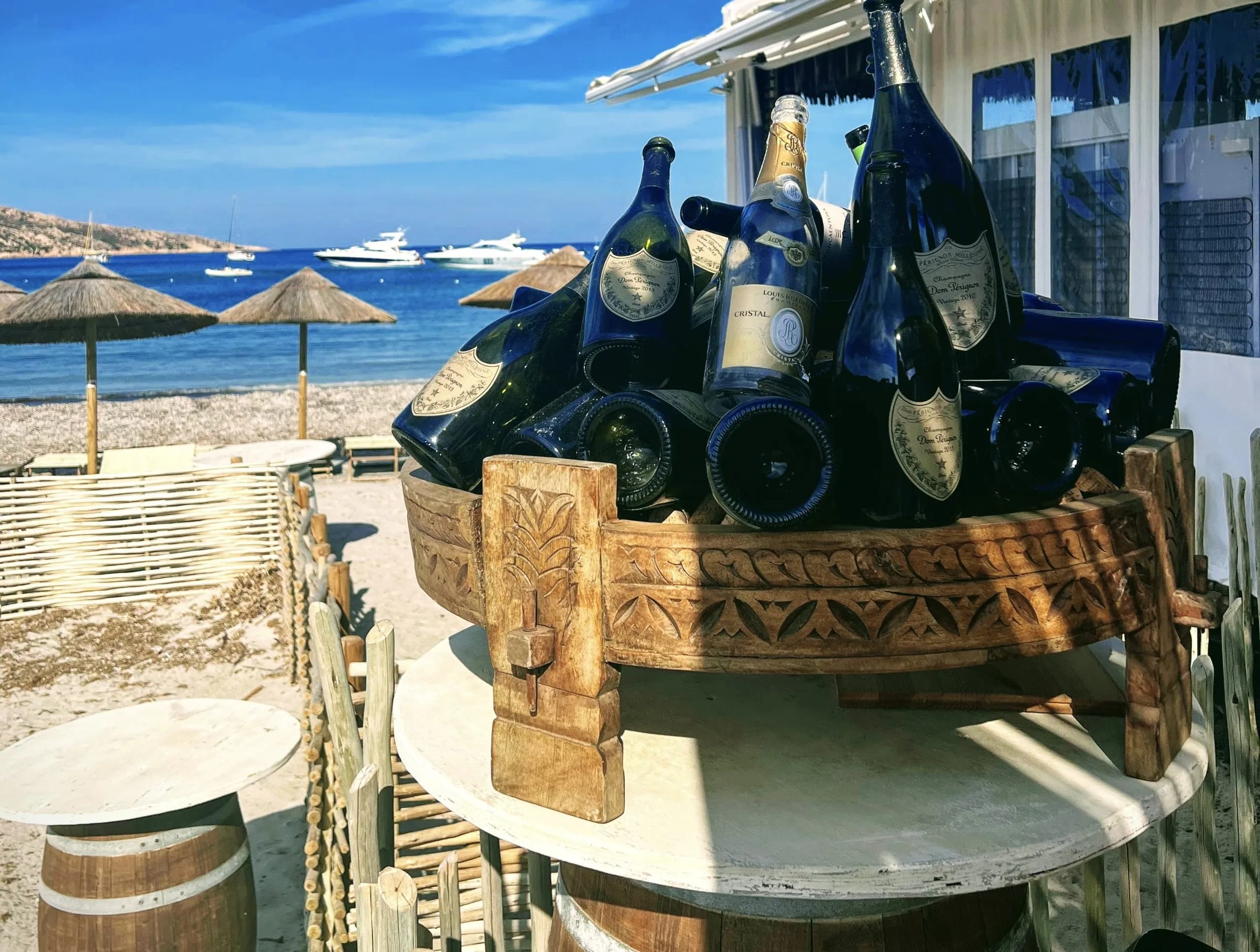
Here, yachts aren’t props; they’re part of the rhythm. In the marina, polished decks mirror the sky while voices drift in five languages. Sometimes there’s a toast; sometimes only the clink of ice. The Marina di Porto Cervo welcomes everything from day cruisers to superyachts, with services to match a global clientele (Marina di Porto Cervo). And when sails fill the bay during regattas, Porto Cervo feels like a cinema where the sea writes the script. 🛥️
What Makes Porto Cervo Special
Streets Without Showiness
Even among boutiques from Loro Piana and Prada, it never feels like a shop window. You’ll want to walk slowly, watch a shadow move across plaster, notice how espresso is sipped in silence, and how the sea shimmers at the end of a lane.
Squares as Stages
La Piazzetta is small yet cinematic. Children play, light dances, jazz floats in the evening. There’s harmony to the scale—everything feels just right. 🎷
Galleries & Taste
Some shops resemble installations; some galleries show contemporary works that challenge and charm in equal measure. The Promenade du Port district blends design, fashion, and greenery for a leisurely wander where culture meets commerce. 🎨
The People
This isn’t a place for show-offs; it’s a place for presence. Privacy is respected, simplicity valued, and good taste unmistakable.
What to Do in and Around Porto Cervo
- Stroll Il Portico and the old marina at golden hour. The reflections on the water and the arcades feel like a film still. 🍸
- Aperitivo on La Piazzetta, dinner around the Promenade du Port, then a slow walk along the quays.
- Visit Stella Maris near sunset for quiet and views; go inside earlier in the day for the El Greco.
- Charter a boat for a day in the La Maddalena Archipelago National Park—lagoons in milky shades of turquoise and beaches framed by sculpted granite.
- Beach-hop the classics near Porto Cervo: Spiaggia del Principe, Capriccioli, Romazzino, and Liscia Ruja. Arrive early or in shoulder season for serenity.
- Seek out design details: hand-worked iron, curved doors, hidden courtyards. Porto Cervo rewards a curious eye.
- Wellness time: many five-star hotels offer excellent spas; book a mid-afternoon treatment when the sun is high.
- Drive to Capo Ferro for coastal views and a lighthouse photo stop, then circle back for dinner in the village.
Practicalities for a Seamless Stay
Getting There
The nearest gateway to Porto Cervo is Olbia Costa Smeralda Airport, with frequent summer flights across Europe and convenient private aviation services. From the airport, it’s an easy coastal drive; private transfers and car rentals are readily available.
When to Visit
Late May to June and early September are sublime: warm seas, soft light, and calmer roads. July and August bring a festive rhythm—flagship regattas, events, and a lively dining scene. For the quietest Porto Cervo, aim for shoulder season.
Reservations & Etiquette
- Book top restaurants and beach clubs in advance during peak months.
- Dress code trends toward relaxed elegance: linen by day, smart-casual by night.
- Discretion is appreciated; many guests prize privacy.
Yachting Notes
If you’re arriving by sea, the Marina di Porto Cervo offers concierge-level services, including berths for large yachts, technical assistance, and onshore amenities (official marina info). Regatta weeks add an electrifying buzz, with schedules published by the Yacht Club Costa Smeralda.
Culture & Craft
Across the Costa Smeralda you’ll spot hand-crafted ceramics and woodwork. The local ceramics tradition was elevated in the 1960s under the area’s development, with artisanal tiles and finishes still a hallmark of the style today.
My Tip
If you’re wondering where to go to feel just a little less tired—go to Porto Cervo. Don’t hunt for a checklist. Just see: how facades melt into sunset; how a yacht reflects in your glass; how you become part of a frame you didn’t plan. In Porto Cervo, glamour moves slowly—so you can, too. ✨