
Why the Golgo Plateau is worth your time
Just above Baunei, the Golgo Plateau reveals a stark, ancient side of Sardinia. Basalt flows, karst, and scrubby woodland meet working pastures and Nuragic history. Baunei is the natural base for exploring this highland, a gateway to the Supramonte di Baunei according to Sardegna Turismo (official site).
Expect a quiet rural setting rather than a built attraction: narrow roads, livestock on the move, and big, open skies. Bring water, sun protection, and sturdy shoes. Mobile signal can be patchy.
As Piscinas: basalt pools frozen in time
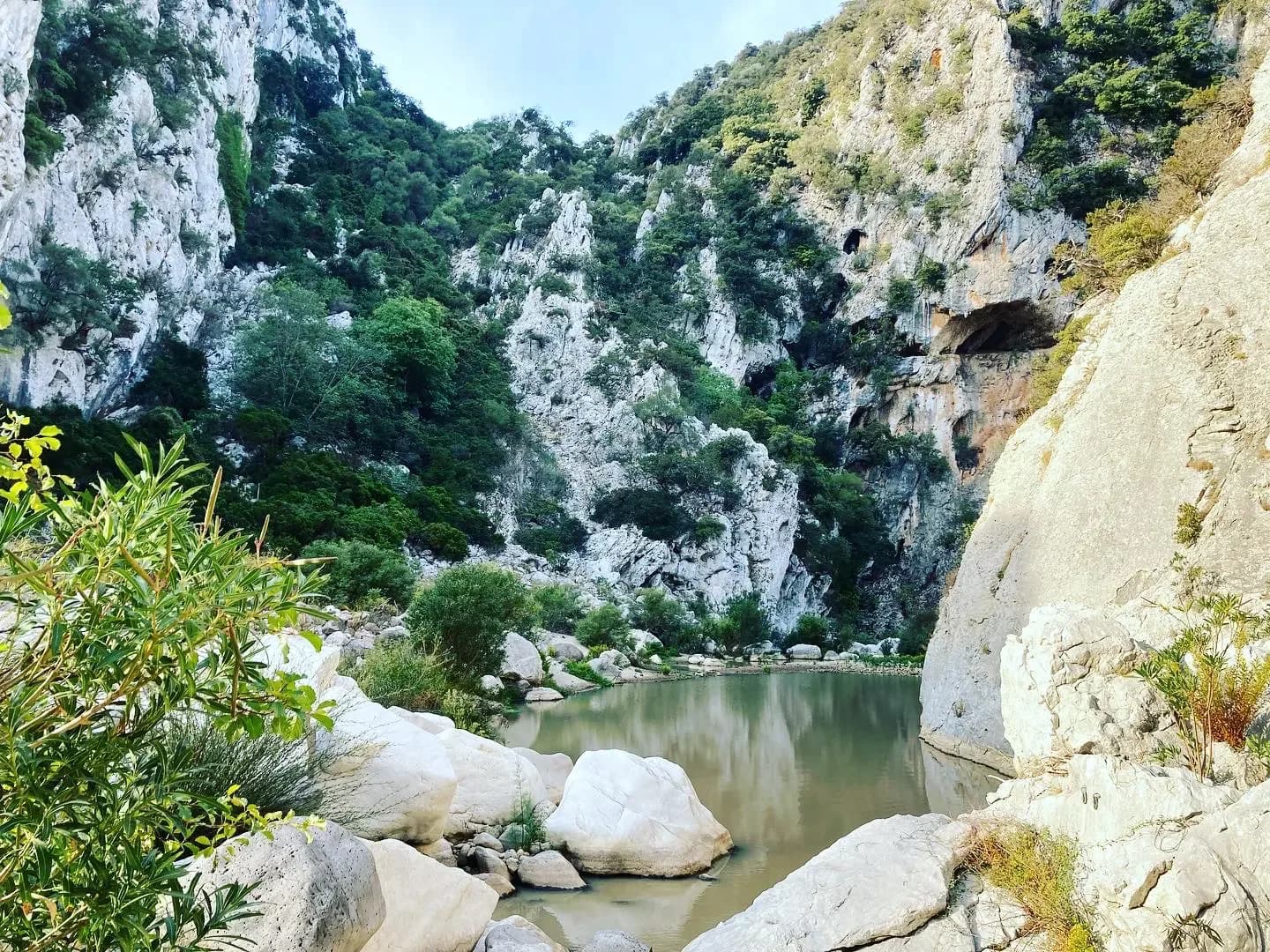
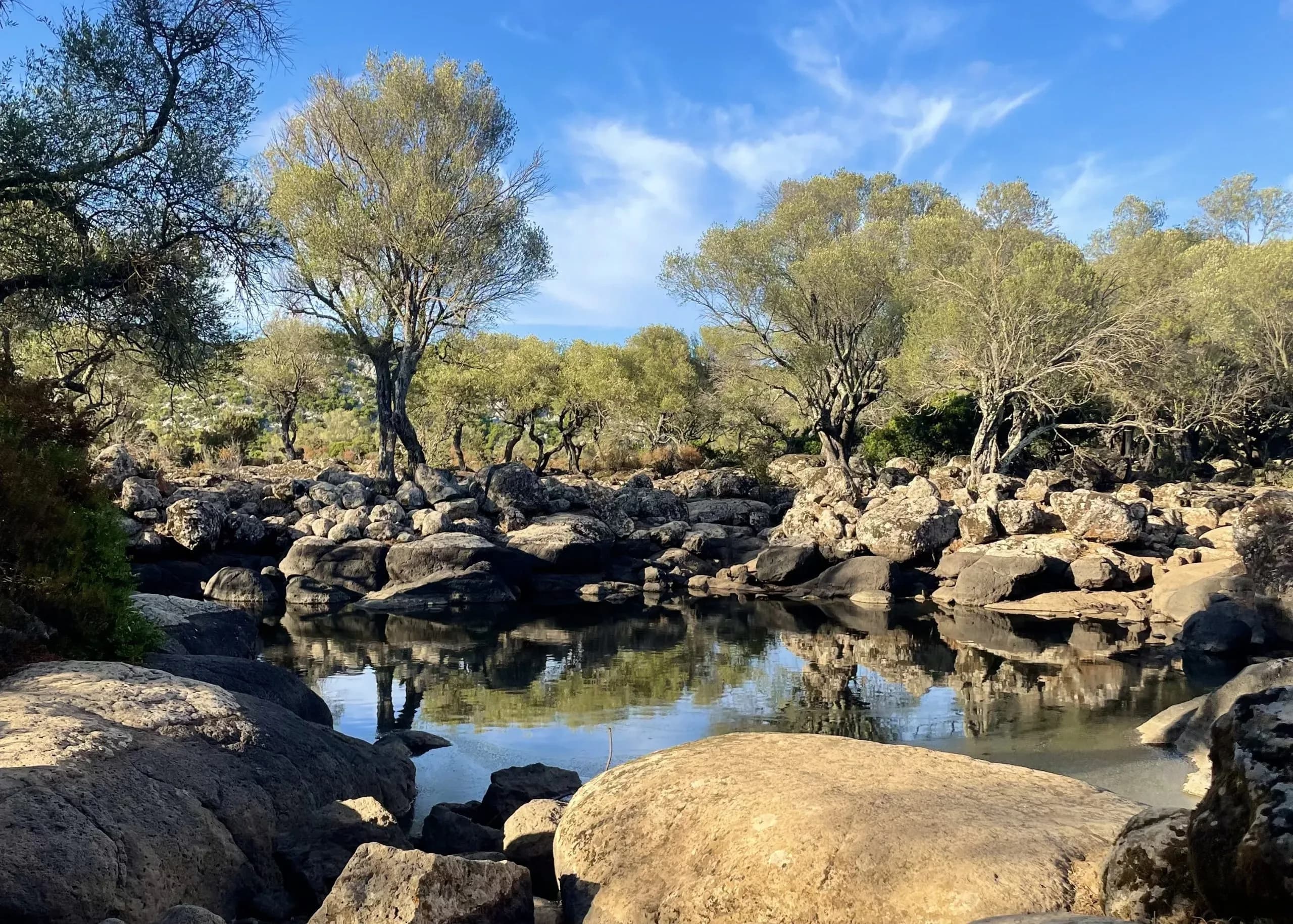
Do not let the name fool you. As Piscinas here are not resort pools and not the dunes of Piscinas on the west coast. These are shallow basins in ancient basalt that hold water year-round. The natural forms were likely refined in the Nuragic era, possibly for ritual or early metallurgical use. The setting is serene: old olive trees, free-roaming donkeys, the clink of cowbells, and, with luck, freshwater turtles in a nearby pond.
Paths are short and easy, but surfaces are uneven. Watch your step on the rock, especially after rain. Please keep a respectful distance from animals, and never climb or move stones around the basins.
Su Sterru: the abyss at Golgo
A short walk from As Piscinas, Su Sterru drops almost straight down into the limestone below the basalt cap. It is around 270 meters deep, according to Atlas Obscura (reference), and among the deepest single-shaft sinkholes in Europe. The surface opening is modest, roughly 25 meters across, but the void below widens and feels immense.
Stand well back from the railing and keep children close. Do not throw stones or objects into the abyss. Only specialist speleological teams descend here. The best light for photography is early or late in the day when the rim is less harshly lit.
Nearby highlights to pair with Golgo
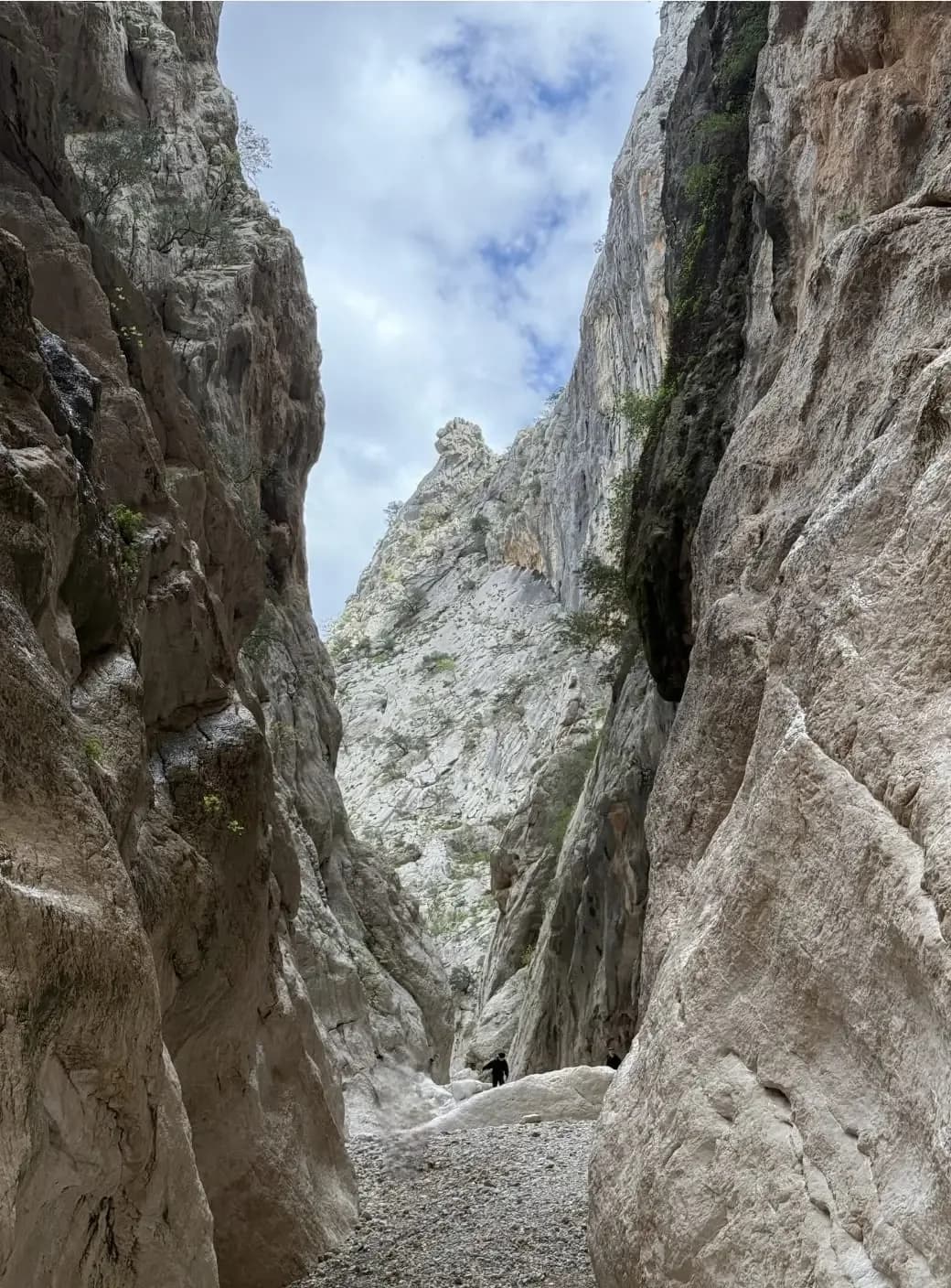
- Gorropu Canyon – One of Europe’s deepest gorges, with sheer walls rising up to about 500 meters, according to Sardegna Turismo (official site). Several trail options range from moderate to demanding. Summer afternoons are very hot on the rock floor, so start early.
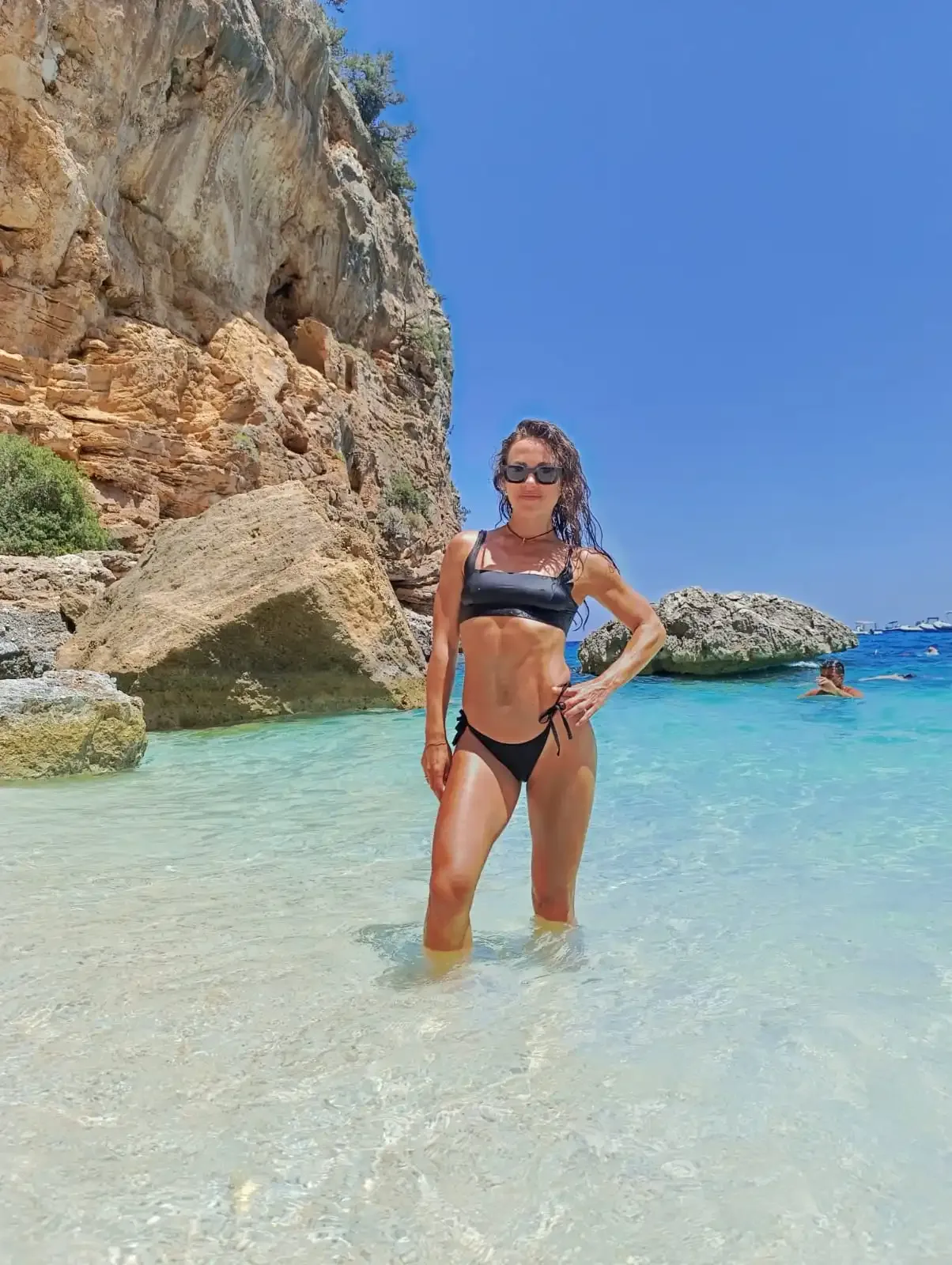
- Cala Luna – A classic Sardinian cove of pale sand, caves, and clear water. It is reachable by boat from Cala Gonone or on foot via trekking routes, according to Sardegna Turismo (official site). Calm mornings are best if you plan to swim.
Planning your visit
Getting there and around
From Baunei, a paved country road climbs to the Golgo Plateau. Drive slowly and be ready to stop for animals on the road. Parking areas are signed near the small country church and along the tracks that lead to As Piscinas and Su Sterru. Surfaces can be rough; low-clearance cars are fine with care.
How much time to allow
Plan 1.5 to 2 hours for a relaxed circuit around As Piscinas and Su Sterru, including photo stops. Add more time if you want a picnic or a short ramble across the plateau. Combine Golgo with a half-day at Cala Luna or a hike at Gorropu for a full, varied day.
What to bring
- Sturdy shoes with grip. The basalt and limestone can be slick.
- Water and snacks. Facilities are limited and seasonal.
- Sun hat and layers. Shade is scarce and the plateau can be breezy.
- Binoculars for birds of prey and a camera with a wide lens.
Responsible visiting
- Stay behind barriers at Su Sterru and supervise children at all times.
- Do not feed donkeys or cattle, and give them space on paths and roads.
- Pack out all rubbish. Keep noise low around the pools and church.
- Respect archaeological features. Do not move stones or stack cairns.
Trip ideas
Morning on the plateau for As Piscinas and Su Sterru, a simple lunch in Baunei, then a boat to Cala Luna for an afternoon swim. Or devote the morning to Gorropu’s shade and scale, then cool off with a coastal stroll at sunset. If you want to dig deeper into Baunei’s coast, the local tourism site is a helpful starting point (Visit Baunei).
Golgo rewards unhurried travel. Walk a little, look closely, and let this austere landscape reveal its details.