Fonni, the Highest Village in Sardinia: Where the Island Touches the Sky 🌄
Hidden in the heart of Barbagia on the slopes of Gennargentu, Fonni rises to around 1,000 meters above sea level. As the highest village in Sardinia, it offers a mountain escape that feels worlds away from the coast, yet it is only a couple of hours’ drive from the island’s main gateways. In snowy winters it is the only place in Sardinia where you can ski, an unexpected alpine twist to a land famed for beaches and turquoise seas.
Fonni’s roots run deep. The area has been inhabited since pre-Nuragic times, and nearby you can walk among Bronze Age sanctuaries and megaliths set in oak forests and breathtaking silence. In town, murals, churches and workshops reveal a community that still lives by pastoral rhythms while welcoming visitors who value authenticity, heritage and slower travel.
According to the Sardinia tourism board, Fonni is the island’s highest municipality and a doorway to Gennargentu’s wild uplands Sardegna Turismo.
Why visit the highest village in Sardinia? ✨
- Cooler summer temperatures and clear mountain light
- Authentic Barbagia culture with murals, crafts and pastoral traditions
- Access to the island’s most dramatic hiking and winter landscapes
- Nuragic archaeology at Gremanu and the Giants’ Tombs of Madau
- Intimate, high-quality stays and cuisine rooted in local produce
For travelers planning the highest village in Sardinia travel, Fonni delivers a rare mix of scenic serenity and cultural depth, with ample reasons to linger for a long weekend or anchor a Barbagia road trip.
What to see in Fonni 🧭
Basilica of Santa Maria dei Martiri
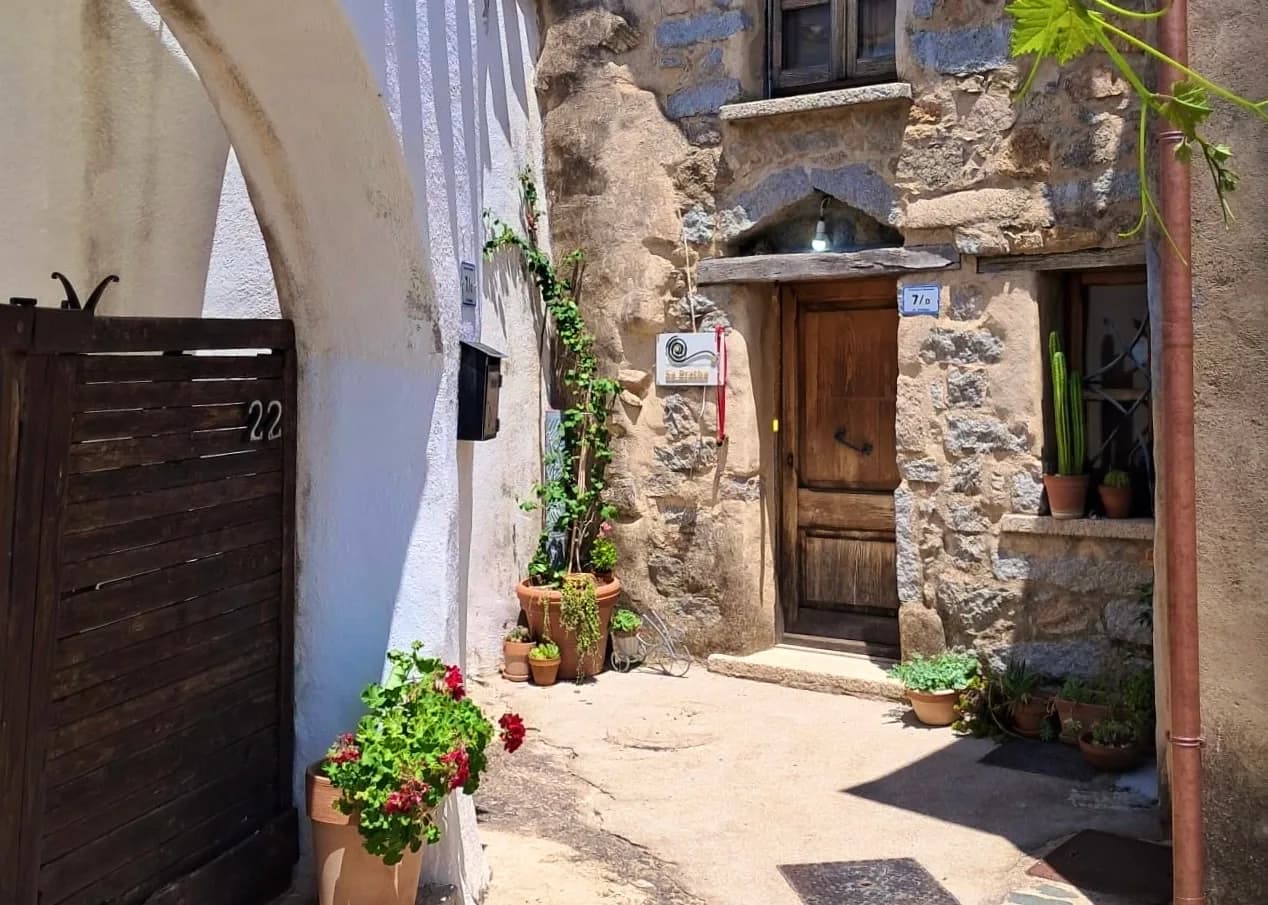
At the heart of town, the Basilica of Santa Maria dei Martiri reflects the meeting of Lombard craftsmanship and Sardinian devotion. Built in the early 1700s, the sanctuary complex includes cloisters, chapels and artworks that speak to centuries of faith. Step inside for a moment of quiet, then wander the surrounding lanes to admire the village’s graceful stone houses.
Murals and old town stroll
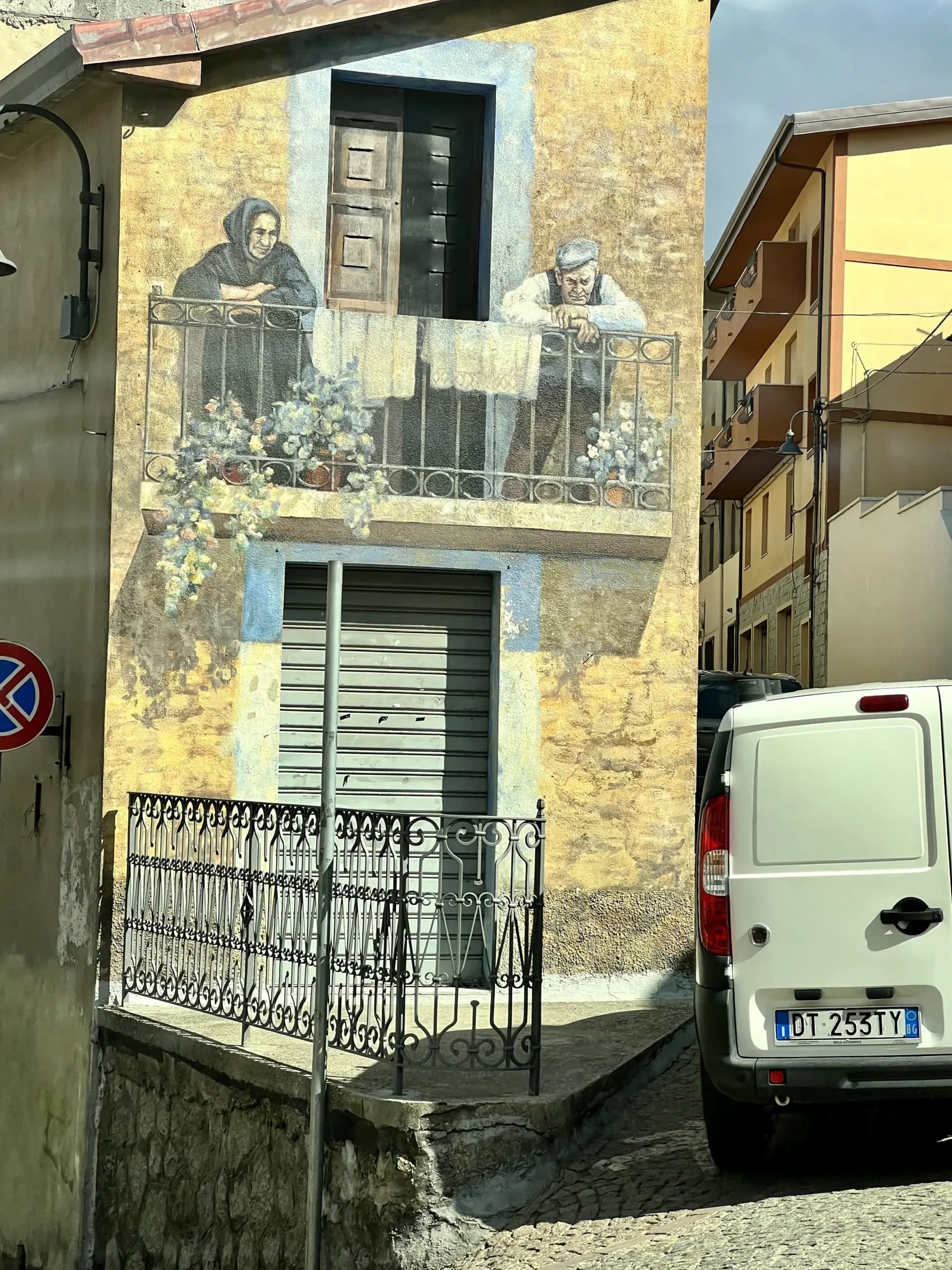
Fonni’s streets are an open-air gallery. Murals depict shepherds leading flocks, women at work on traditional textiles and scenes of village life across the seasons. Take a gentle loop through the historic center to find your favorites and pause in small piazzas for coffee and almond sweets. You will feel why Sardinia’s highest village has kept its soul.
Museum of Pastoral Life
The local Museo della Cultura Pastorale celebrates shepherding, weaving and cheesemaking that still define Fonni’s identity. Expect tools, textiles and stories that bring Barbagia’s rural life into focus. It is a compact, rewarding stop between the basilica and a mural walk.
Nuragic archaeology near Fonni 🗿
History lovers will be in their element. A short drive from the highest village in Sardinia, the Nuragic complex of Gremanu unfolds as a remarkable network of water sanctuaries, stone temples and channels that likely served both sacred and practical purposes during the Bronze Age. Nearby, the Giants’ Tombs of Madau stand as monumental collective burials, their curved exedras opening to the sky and surrounding woodland. Together, Gremanu and Madau offer one of the island’s most evocative windows into Nuragic archaeology in the Gennargentu uplands.
These sites are typically accessible year round, though winter weather can limit access on certain days. Wear sturdy footwear and bring water. Guided visits may be available in season.
Winter in Gennargentu: skiing in the highest village in Sardinia 🎿
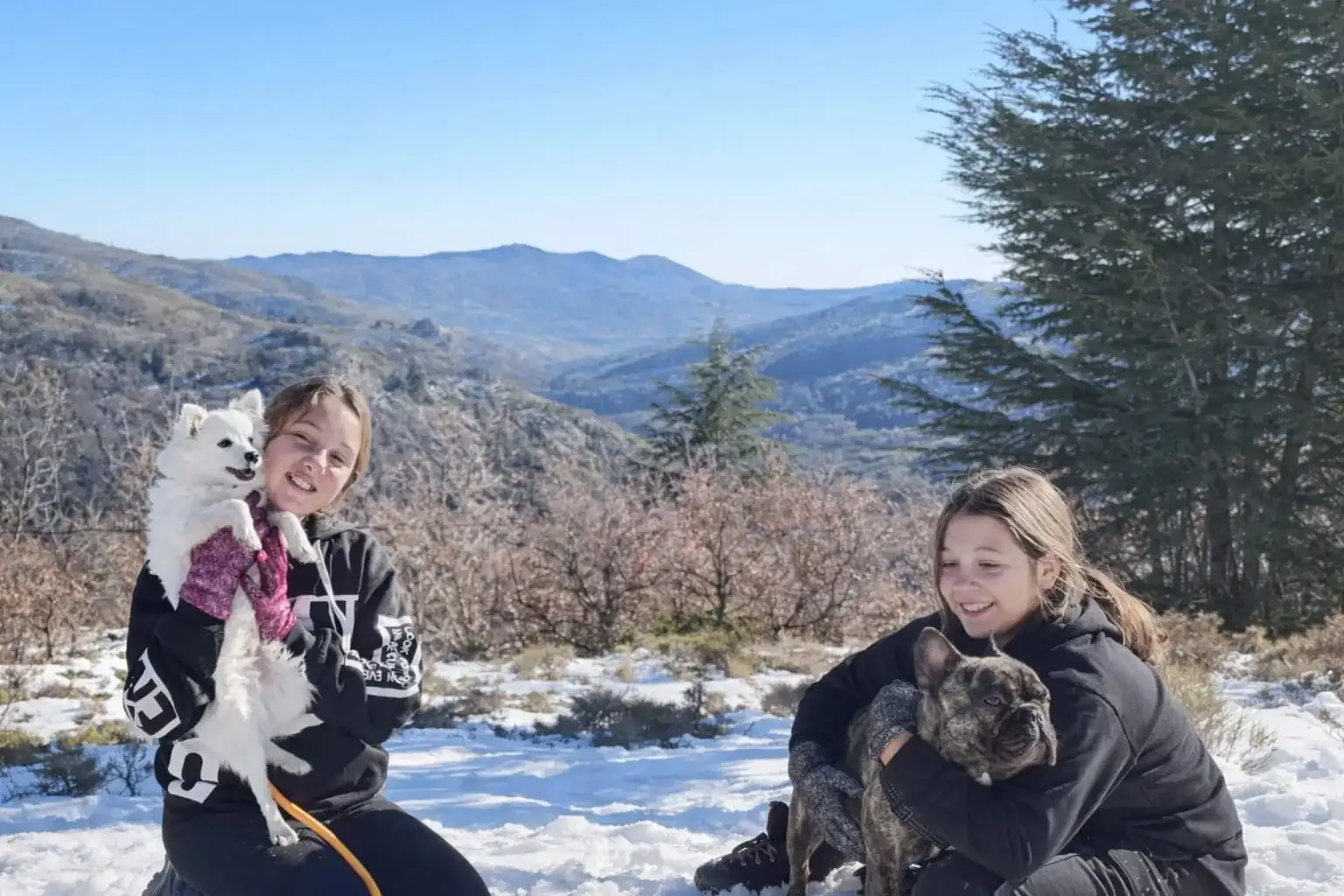
When cold fronts sweep across the island, Gennargentu’s peaks turn white and Fonni becomes a petite mountain base. The nearby Bruncu Spina area has hosted alpine ski lifts in snowy winters, while Monte Spada is known for cross-country circuits when conditions allow. Facilities operate seasonally and are snow dependent, so check local updates before setting out. Gennargentu’s highest summit, Punta La Marmora, rises to 1,834 meters, rewarding clear days with vast views toward both coasts. You can learn more about Gennargentu’s winter experiences via the regional tourism board Sardegna Turismo.
Practical notes for winter: mountain roads can be icy, and snow chains or winter tires may be required by ordinance during snowfall. Dress in layers, pack gloves and a hat, and carry hot drinks. The mountain sun is strong even on cold days, so sunglasses are essential.
Festivals and traditions 🔥
Sant’Antonio Abate in January
On the evenings of January 16 and 17, Fonni lights bonfires for Sant’Antonio Abate. Locals gather for prayers, music and grilled treats, often with snow underfoot. It is one of Sardinia’s most atmospheric winter traditions, celebrated across Barbagia with a unique intensity in the island’s highest village.
Carnival: Urthos e Buttudos
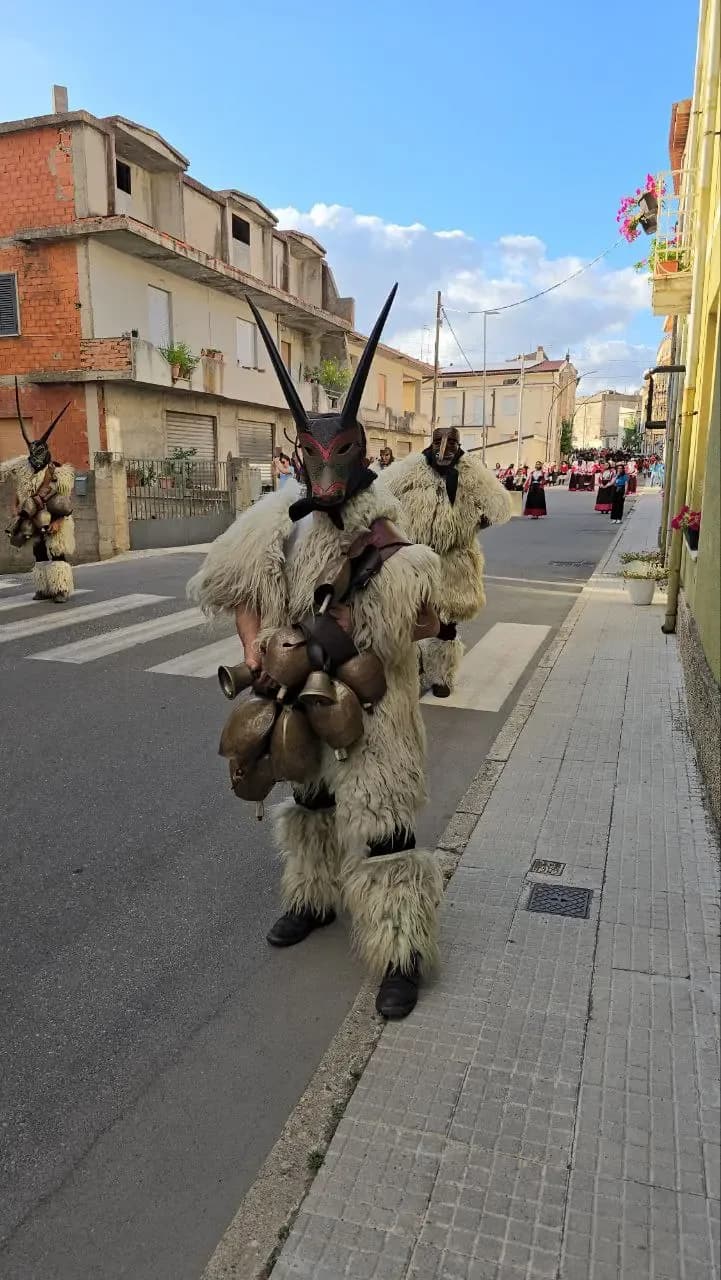
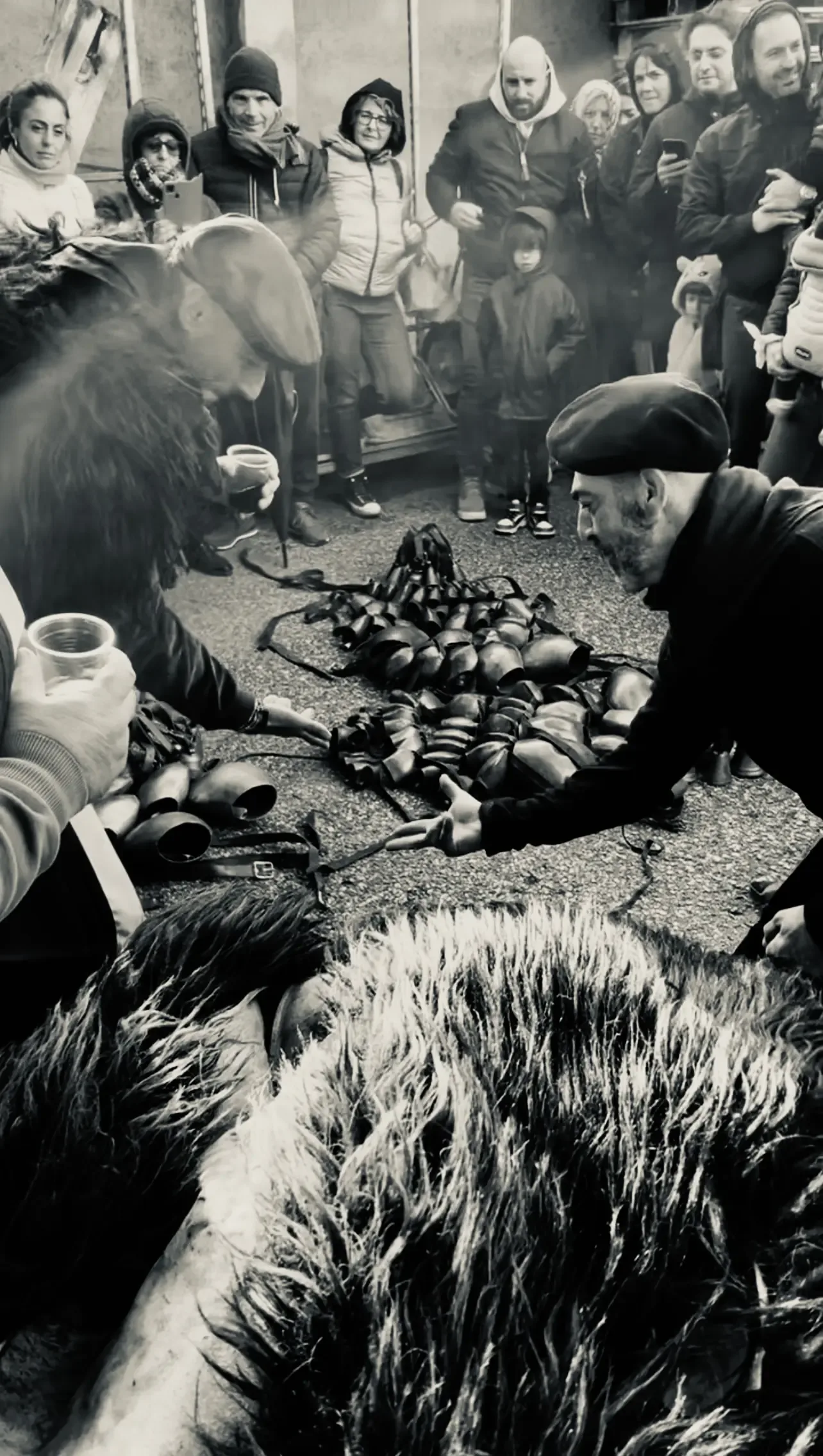
Fonni’s carnival features the haunting figures of Urthos e Buttudos. Urthos, clad in animal skins and soot, move with raw, dramatic energy, while Buttudos, burdened with heavy cowbells, evoke the bond between people and livestock. Drums and chants fill the streets in late winter, creating a powerful link to ancient rites that define Fonni Barbagia cultural tourism.
PaStorias in September
Late summer brings PaStorias, a celebration of pastoral life, crafts and the myths of Gennargentu. Expect shepherding displays, tastings, music and workshops that bring village traditions to life.
Food and wine to savor 🧀
Fonni’s table is generous and seasonal. Sample Fiore Sardo DOP, the island’s historic smoked pecorino, often made in the uplands. Pair it with mountain honey or with pane carasau drizzled with olive oil. You will also find malloreddus with rich sausage ragù, potato-filled culurgiones, roasted lamb and suckling pig, and sweet endings like seadas and casadinas. Nearby vineyards produce robust Cannonau reds, ideal on cool mountain nights.
Planning your trip
When to go
- Spring and early summer: wildflowers, green pastures, perfect hiking temperatures
- Autumn: grape harvest and mushroom season, crisp air and fewer visitors
- Winter: potential snowfall for Gennargentu winter ski in Sardinia, Sant’Antonio bonfires and carnival
For photographers and hikers, September to November is especially lovely. If you are hoping to ski in the highest village in Sardinia, keep plans flexible and monitor snow conditions.
Getting there and around 🚗
- From Olbia: about 125 km, roughly 1 hour 45 minutes by car via SS 131 d.c.n then inland roads
- From Cagliari: about 140 km, around 2 hours via SS 131 and Nuoro’s fast road
- From Alghero: about 160 km, around 2 hours 30 minutes via SS 131 and Nuoro
- From Nuoro: about 35 km, approximately 40 minutes
Reaching the highest village in Sardinia is straightforward by car, which you will want for nearby archaeology, trailheads and scenic viewpoints. Parking is usually easy outside the historic core. In winter, check forecasts before driving higher into Gennargentu.
Where to stay 🛌
You will find a handful of small hotels, boutique B&Bs and agriturismi in and around Fonni. An albergo diffuso style stay places you in restored village houses, perfect for slow mornings, church bells and mural-side aperitivi. For hiking or snow days, consider lodgings near the Gennargentu trailheads.
Essential tips
- Pack layers year round. Even in July, evenings can be cool at 1,000 meters
- Wear proper footwear for cobbled lanes, archaeological sites and forest trails
- Reserve dinners on weekends, and during festivals plan ahead for parking and restaurants
- Respect rural property, close gates behind you, and yield to shepherds moving flocks
Suggested day plan from Fonni ⛰️
- Morning: Drive to the Gremanu complex, then continue to the Giants’ Tombs of Madau. Allow 2 to 3 hours
- Lunch: Traditional mountain fare at a local trattoria or agriturismo
- Afternoon: Basilica of Santa Maria dei Martiri, then a slow mural walk in the old town
- Sunset: Scenic lookout above the village or, in winter, a snow-dusted stroll
If you have a second day, lace up boots for a Gennargentu hike with a licensed guide, or aim for ski runs at Bruncu Spina if lifts are operating. Either way, the views from Sardinia’s high country are unforgettable.
Frequently asked questions
Is Fonni really the highest village in Sardinia?
Yes. Fonni sits at roughly 1,000 meters, making it the highest village in Sardinia, as confirmed by the regional tourism board.
Can you reliably ski in Fonni?
Skiing depends on snowfall. In good winters, alpine and cross-country options open near Bruncu Spina and Monte Spada. In lean-snow years, focus on hiking, culture and cuisine instead.
How many days do I need?
Two nights is ideal to see town highlights, visit Gremanu and Madau, and add a hike or winter outing. With three nights you can slow down, sample more restaurants and explore nearby villages in Barbagia.
The feeling of the heights
In the highest village in Sardinia, the sky really does feel closer and the air a touch crisper. Pastures sweep toward the island’s backbone, church bells echo off stone and every lane hints at stories older than Rome. Whether you come for Nuragic archaeology, traditional Sardinian festivals in Fonni, or the possibility of Gennargentu winter ski in Sardinia, Fonni rewards unhurried travelers with depth, character and mountain calm.