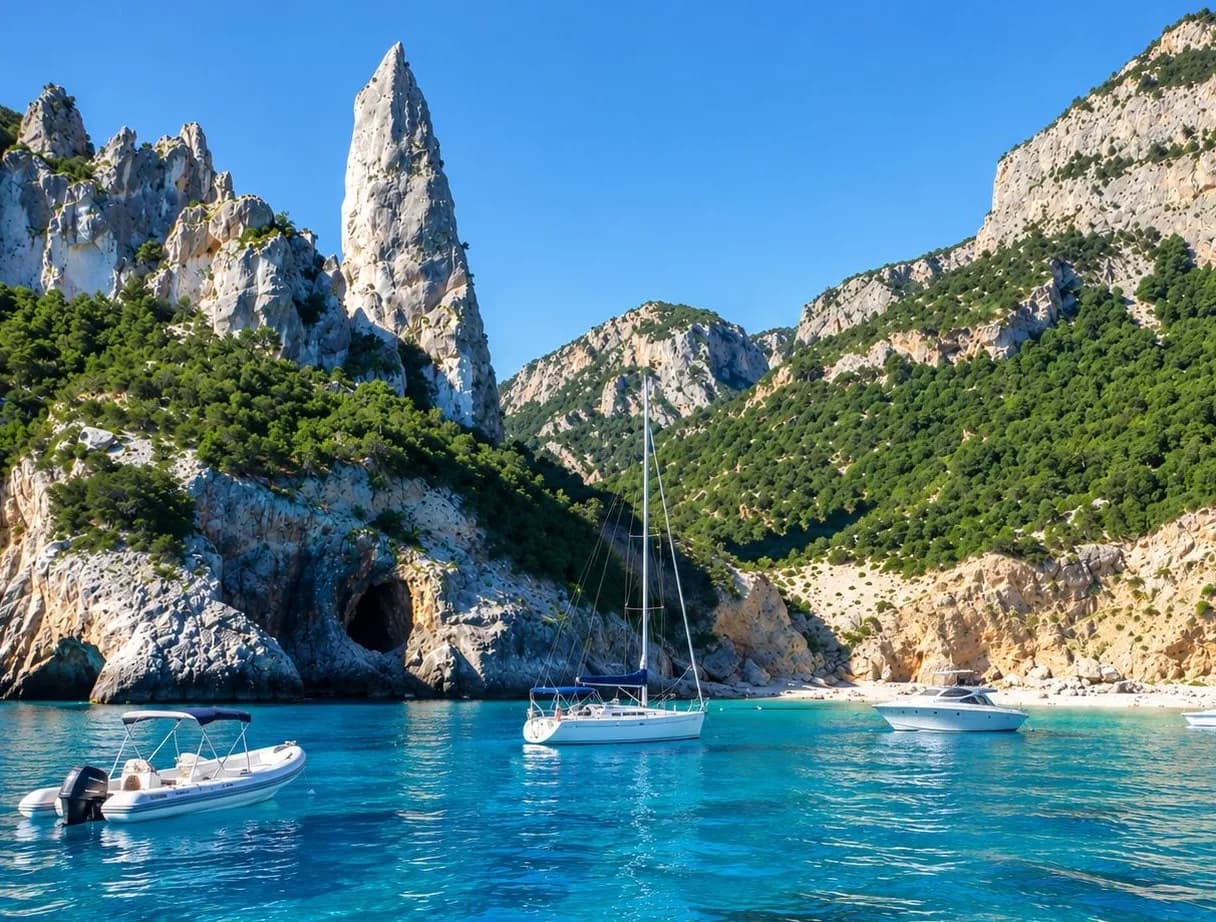

There are beaches that are beautiful, and then there is Cala Luna. Tucked along the rugged eastern coast of Sardinia, inside the Gulf of Orosei, this stretch of sand and pale limestone gravel combines turquoise Mediterranean water, towering cliffs, dense Mediterranean scrub and a series of enormous natural caves. The result feels surprisingly wild for a beach that ranks among the island's most recognisable.
What sets Cala Luna apart is that it is not simply somewhere to lay a towel for a few hours. You can reach it by boat or on foot, explore the caves, snorkel in remarkably clear water, walk the surrounding canyon and even spot traces of Sardinia's traditional pastoral life along the way.
Where Is Cala Luna?
Cala Luna sits on Sardinia's eastern coast within the Gulf of Orosei, between the territories traditionally associated with Dorgali and Baunei. The setting is one of the most dramatic on the island: steep limestone cliffs drop straight towards the sea, and thick Mediterranean scrub covers much of the surrounding terrain.
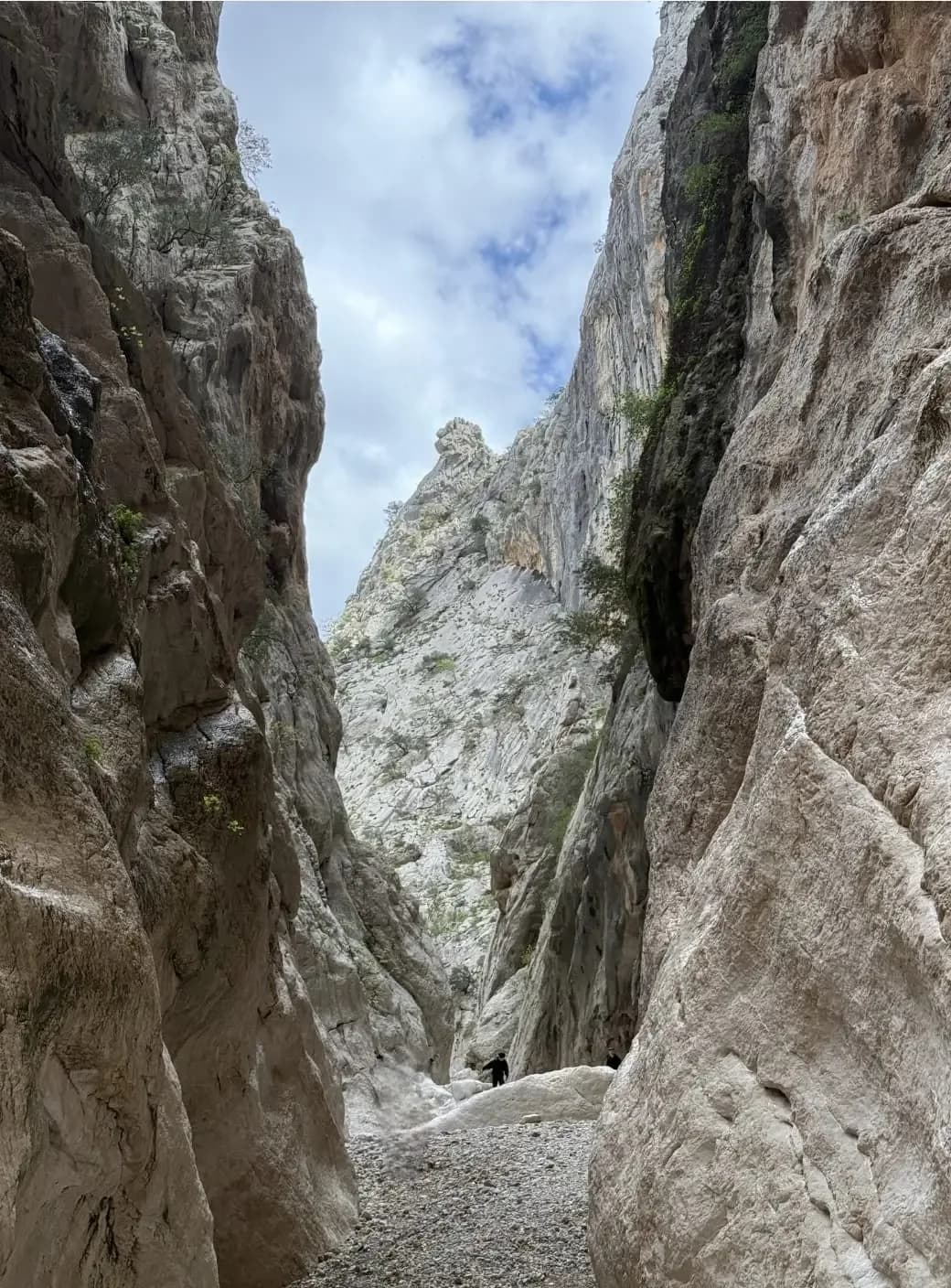
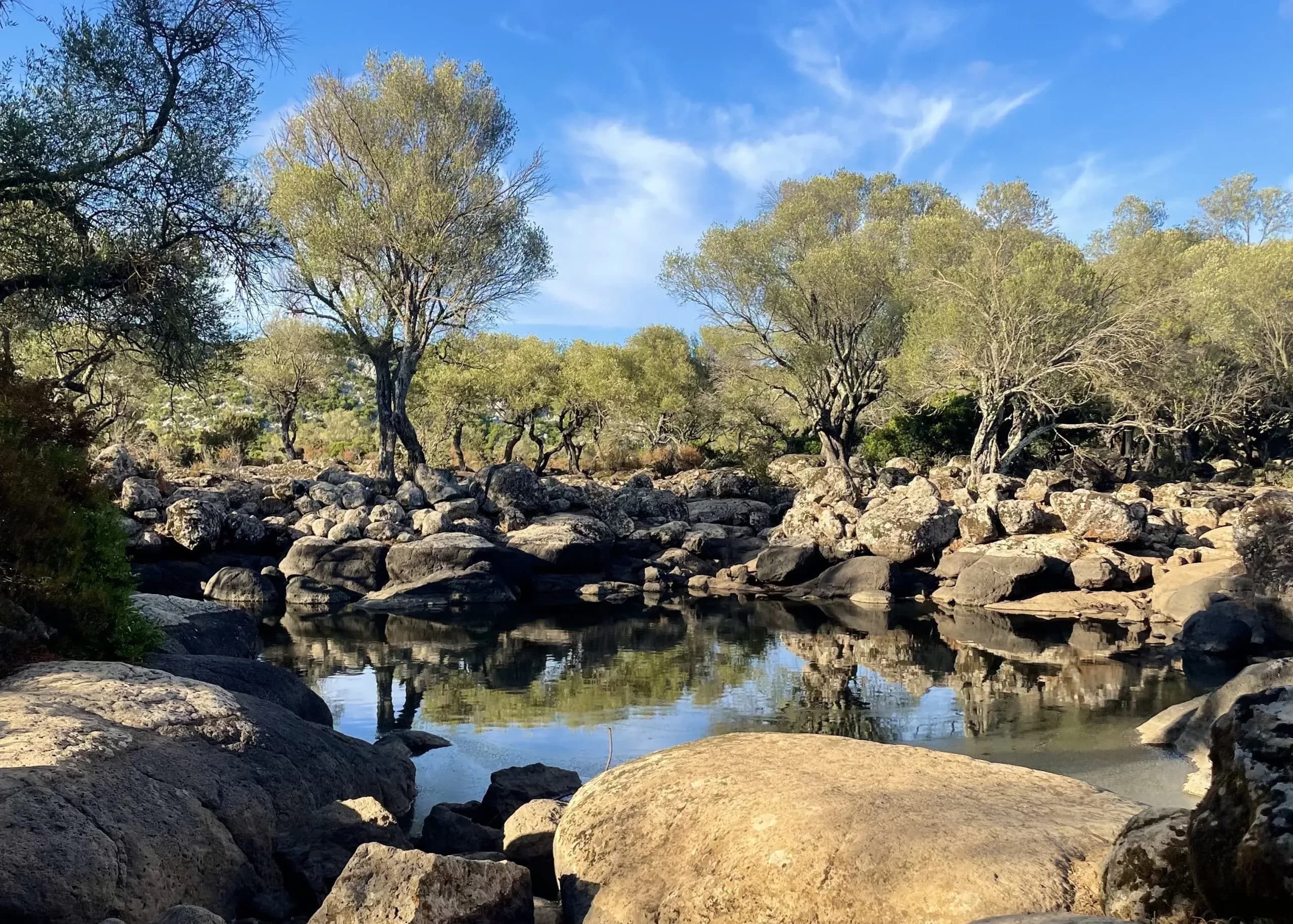
The beach lies at the mouth of the Codula di Luna, a canyon shaped over time by the Rio Illune. This geography explains a lot of Cala Luna's character. You don't arrive at an isolated strip of sand so much as emerge into a natural amphitheatre of rock, vegetation and sea.
Why Cala Luna Is Worth the Journey
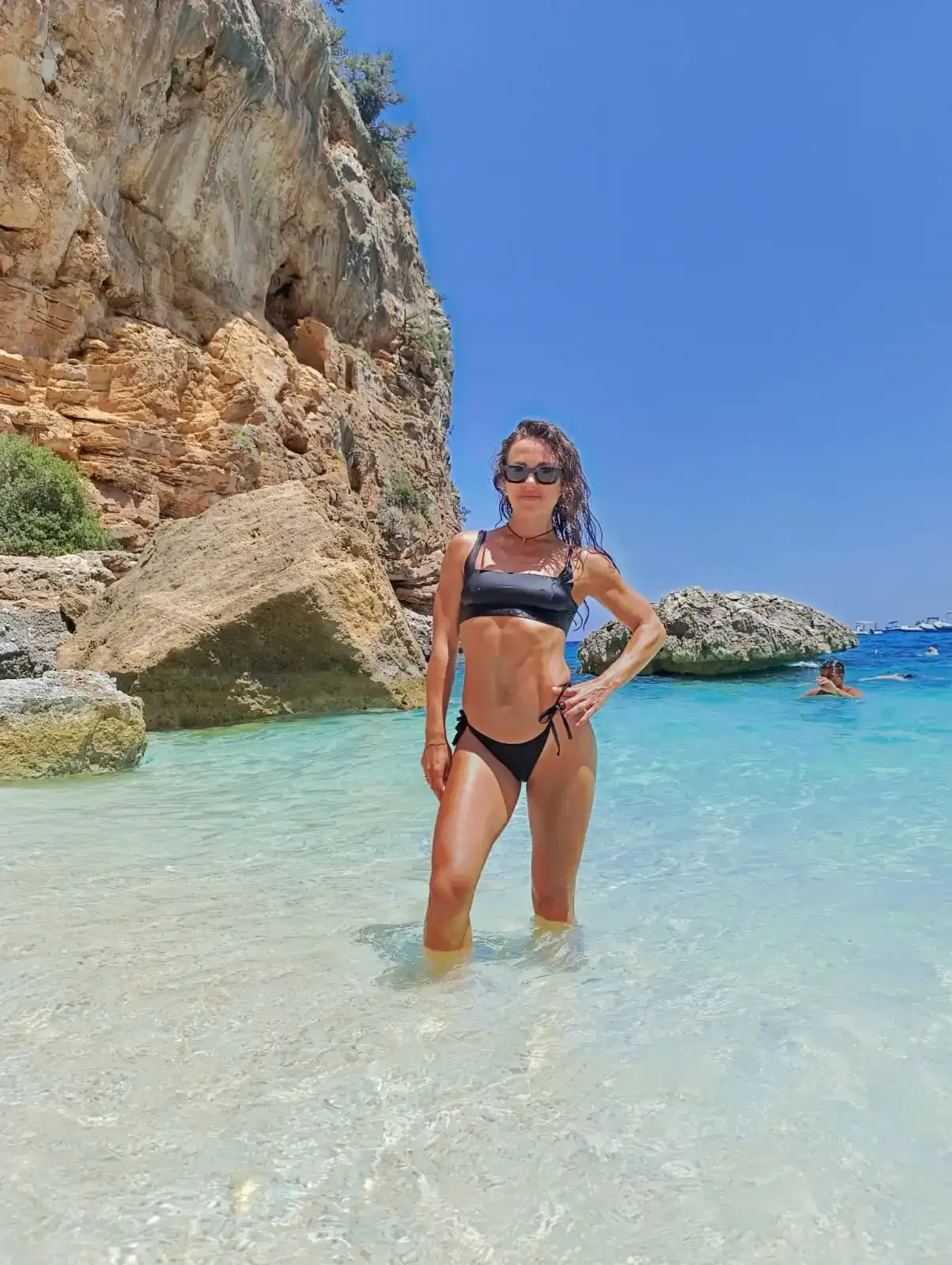
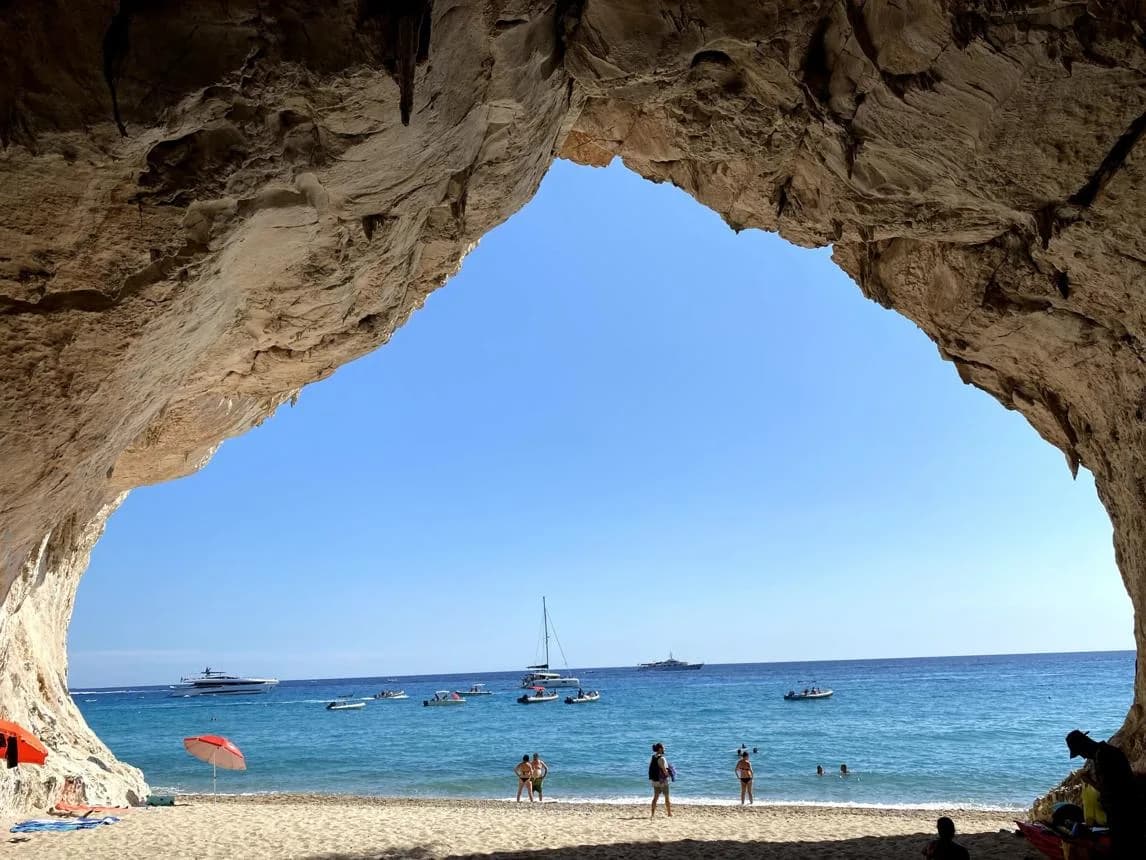
The first thing you notice is the colour of the water. Close to shore it can appear almost transparent, shifting gradually from pale green to turquoise and then deeper blue as the seabed drops away. The beach itself is a mix of sand and pale limestone gravel, with the cliffs behind providing a sharp, dramatic contrast.
Five Caves and 800 Metres of Sand
Cala Luna stretches for roughly 800 metres, and five large natural caves open directly onto the beach. They offer welcome shade during the hottest hours of the day and are one of the defining features of the bay.
The Lagoon Behind the Beach
Behind the sand, you'll find something unexpected from such a coastal landscape: a small lagoon fed by the Rio Illune, framed by oleanders and Mediterranean vegetation. That combination of sea, canyon, lagoon, caves and cliffs is what makes Cala Luna feel different from a conventional Sardinian beach, and it's worth building time into your visit to walk around it rather than heading straight for the water.
How to Get to Cala Luna
One reason Cala Luna has kept its wild atmosphere is that you cannot simply drive to it and park nearby. There are two realistic ways in: by boat or on foot.
By Boat
Boat excursions run from nearby towns along the Gulf of Orosei, and this is the easier option if you'd rather skip the hike entirely or want to combine Cala Luna with other coves in a single day. Travellers wanting more flexibility and independence can also look into boat hire through our Rental12 ecosystem, which covers wider rental options across Sardinia.
On Foot: Cala Fuili to Cala Luna
The best-marked walking route starts from Cala Fuili, roughly 7 kilometres from Cala Luna. The terrain can be demanding, and some sections require care. The Italian tourism authority, Sardegna Turismo, recommends local guides for the less clearly marked stretches.
This isn't a walk to treat as a casual beach stroll. In summer, temperatures run high, shade is limited across exposed sections, and you'll need enough water, suitable footwear and plenty of time. For a sense of the wider canyon landscape in this part of the Supramonte, our guide to Su Gorropu, the deepest canyon in Europe, gives a useful idea of the terrain you're dealing with further inland.
What to Bring
At least 1.5–2 litres of water per person
Sturdy walking shoes, not sandals
Sun protection: hat, high-factor sunscreen
Snorkelling mask if you plan to swim into the caves
Enough time to walk the full 7 km each way without rushing
The reward is considerable. Rather than simply seeing Cala Luna from the sea, you experience the landscape gradually, passing through Mediterranean scrub and the dramatic canyon before the beach finally opens up ahead of you. For experienced hikers, the walk can end up being as memorable as the destination itself. If you're building a longer itinerary around the Gulf of Orosei, the beaches near Cala Gonone make a sensible base, with regular boat departures towards Cala Luna and the surrounding coves.
Cala Luna on Film
Cala Luna has also appeared on the big screen. The scenery attracted filmmakers, including Italian director Lina Wertmüller, who used the location for Swept Away (Travolti da un insolito destino nell'azzurro mare di agosto). Once you see the cliffs and caves surrounding the beach, it's easy to understand why: the landscape already looks like a carefully designed film set.
A Lasting Impression
Cala Luna is more than a beach: it's a place where the sea, the cliffs and the wild heart of Sardinia come together — a corner of the island that you may leave behind, but will never truly forget.
Practical Tips for Visiting Cala Luna
Whether you arrive by boat or on foot, give yourself enough time to explore properly: the caves, the lagoon and the canyon mouth all reward a slower visit rather than a quick stop. If you're hiking the Cala Fuili route, start early to avoid the worst of the midday heat, and don't underestimate the distance back if you're tired from the heat and the swim. For anyone combining this with a wider trip through the Baunei area, the Golgo Plateau near Baunei is within reach and worth pairing with a visit here.