
About an hour from Olbia, the road climbs and the sea falls away. The bends grow quiet, the scent of lentisk and myrtle takes over, and traffic thins to almost nothing. That is usually when Lollove appears: a cluster of stone, a pause in the wind, and a place that asks to be heard more than seen.
Why Lollove feels different
Lollove is a tiny hamlet of Nuoro, not a stage set. It is part of an everyday landscape and still home to a handful of residents, according to the Municipality of Nuoro (source). The lanes are narrow, houses are built in local stone, and the silence carries. You are stepping into a community, not a curated attraction.
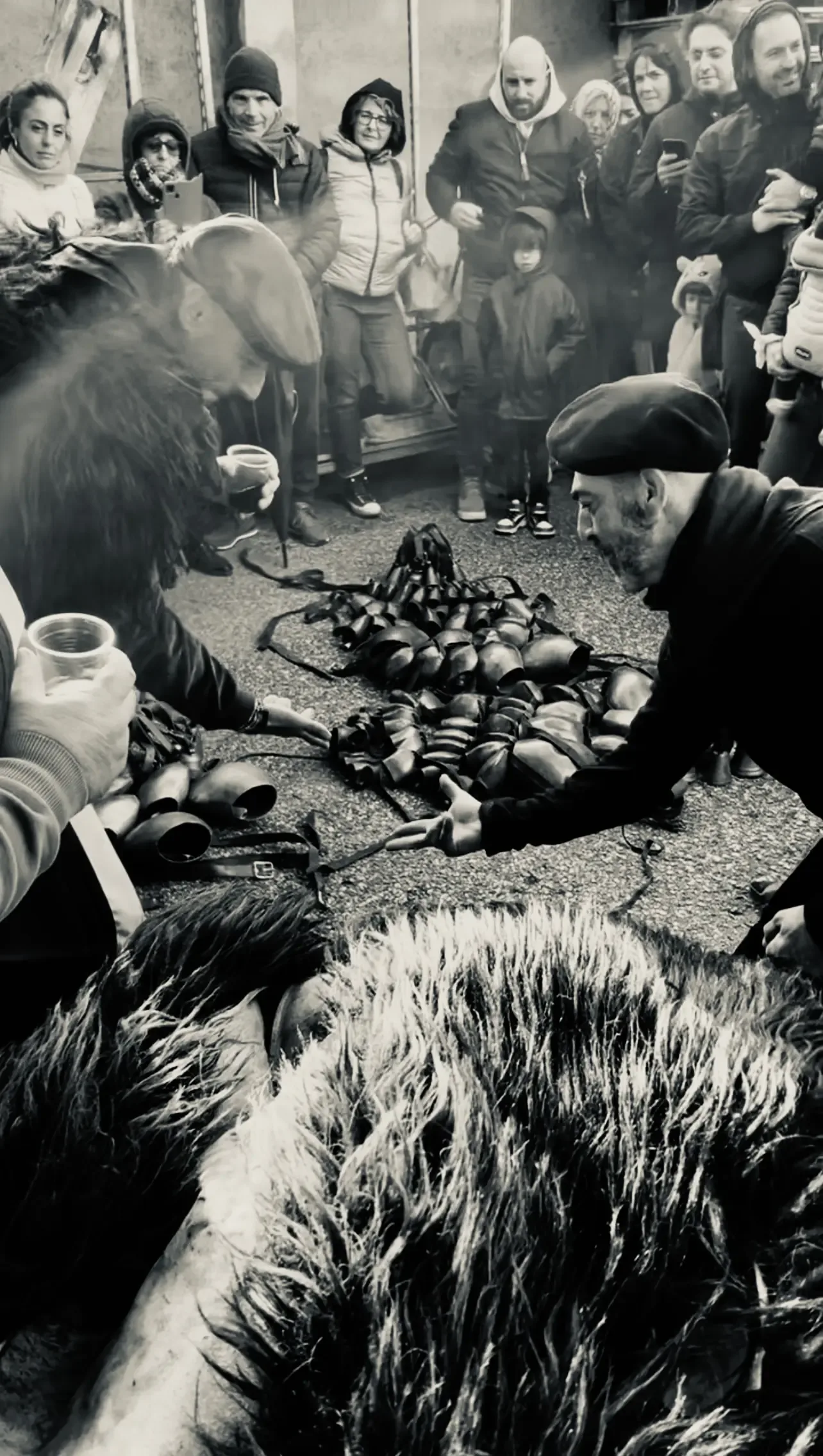
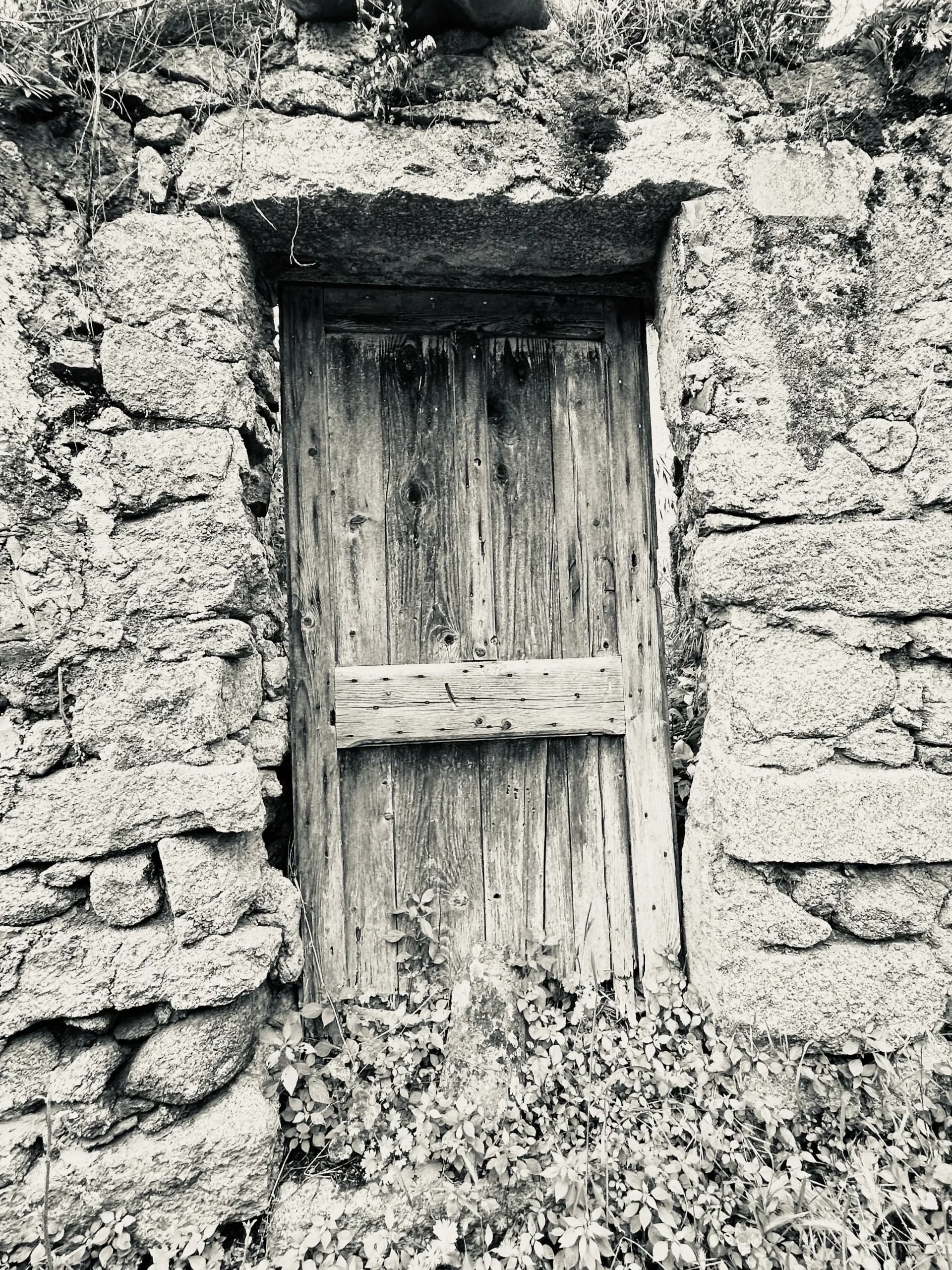
Walk slowly. The details are small: a lintel smoothed by centuries, a courtyard gate left ajar, a tabby cat inspecting the morning. There is usually no soundtrack other than wind and the occasional bell.
Stories still told on the doorstep
On my last visit I sat with Salvatore, 87, who runs a simple B&B with his son. We spoke about seasons, families who left and those who stayed, and a church that opens for feast days. Conversations like this are the reason to come. Not to tick boxes, but to share a bench for a few minutes and listen.
How to visit with care
- Keep voices low and do not enter courtyards or fields.
- Ask before photographing people; avoid photographing private homes up close.
- Do not fly drones. Permits are required in Italy and the noise disrupts residents.
- Carry your trash out. Bins are limited.
- Support local: if someone sells produce, crafts, or coffee from home, buy directly and pay fairly.
A simple day trip from Olbia
Driving route and parking
From Olbia, follow the SS 131 d.c.n. toward Nuoro, then local signs to Lollove. The drive takes about 1 hour to 1 hour 15 minutes, depending on traffic. Park at the entrance to the hamlet and avoid blocking gates or narrow lanes.
Public transport
Without a car, take an ARST bus from Olbia to Nuoro, then a short taxi ride to Lollove. Check current timetables with ARST here. Taxis are available in Nuoro; book in advance.
Suggested timings
- 08:30 Depart Olbia.
- 09:45 Arrive at Lollove. Unhurried walk through the lanes, 60–90 minutes. Sit on a wall, listen to the wind, greet people you meet.
- 11:30 Drive to Nuoro for lunch and an afternoon of culture.
- 13:00 Lunch in Nuoro near Corso Garibaldi or Via Roma.
- 14:30 Visit the MAN Contemporary Art Museum (info).
- 16:00 Explore the Museum of Sardinian Life and Popular Traditions for textiles, masks, and everyday objects of the interior. The museum is run by ISRE, the Regional Institute of Ethnography (details).
- 17:30 Optional: sunset lookout on Monte Ortobene, then return to Olbia.
Crafts worth seeking nearby
Use Nuoro as your base for quality pieces made in the interior. Look for:
- Filigree jewelry: delicate gold and silver work, often from Dorgali goldsmiths, sold in select Nuoro boutiques.
- Orbace wool textiles: thick, handwoven wool used for capes and blankets. Examine the weave and edges for finishing quality.
- Ceramics: matte glazes and traditional Barbagia motifs. Favor studios that sign and date each piece.
- Knife handles and carved wood: choose labeled, workshop-made items rather than market imports.
Where to browse in Nuoro: start along Corso Garibaldi and Via Roma for small ateliers and serious bookstores with a strong regional section. Ask shopkeepers about the maker and process. A receipt naming the artisan is a good sign you are buying the real thing.
Practical notes
- Facilities: most days there are no bars or shops in Lollove. Bring water and a hat in summer.
- Footwear: uneven stone and dirt paths. Closed shoes are better than sandals.
- Best time: spring and autumn for soft light and mild weather. Early mornings in summer.
- Feast days and village events: you may find open courtyards and tastings on select weekends in late summer and autumn. Arrive early and be patient with parking.
- Flying in: Olbia Costa Smeralda Airport has the closest wide range of flights and car rentals (airport site).
A final thought for the lane
Lollove rewards small gestures: a quiet hello, a slow step, a few minutes on a sunny doorstep. Take your time, then carry the calm with you into Nuoro’s museums and shops. That balance makes the day complete.