
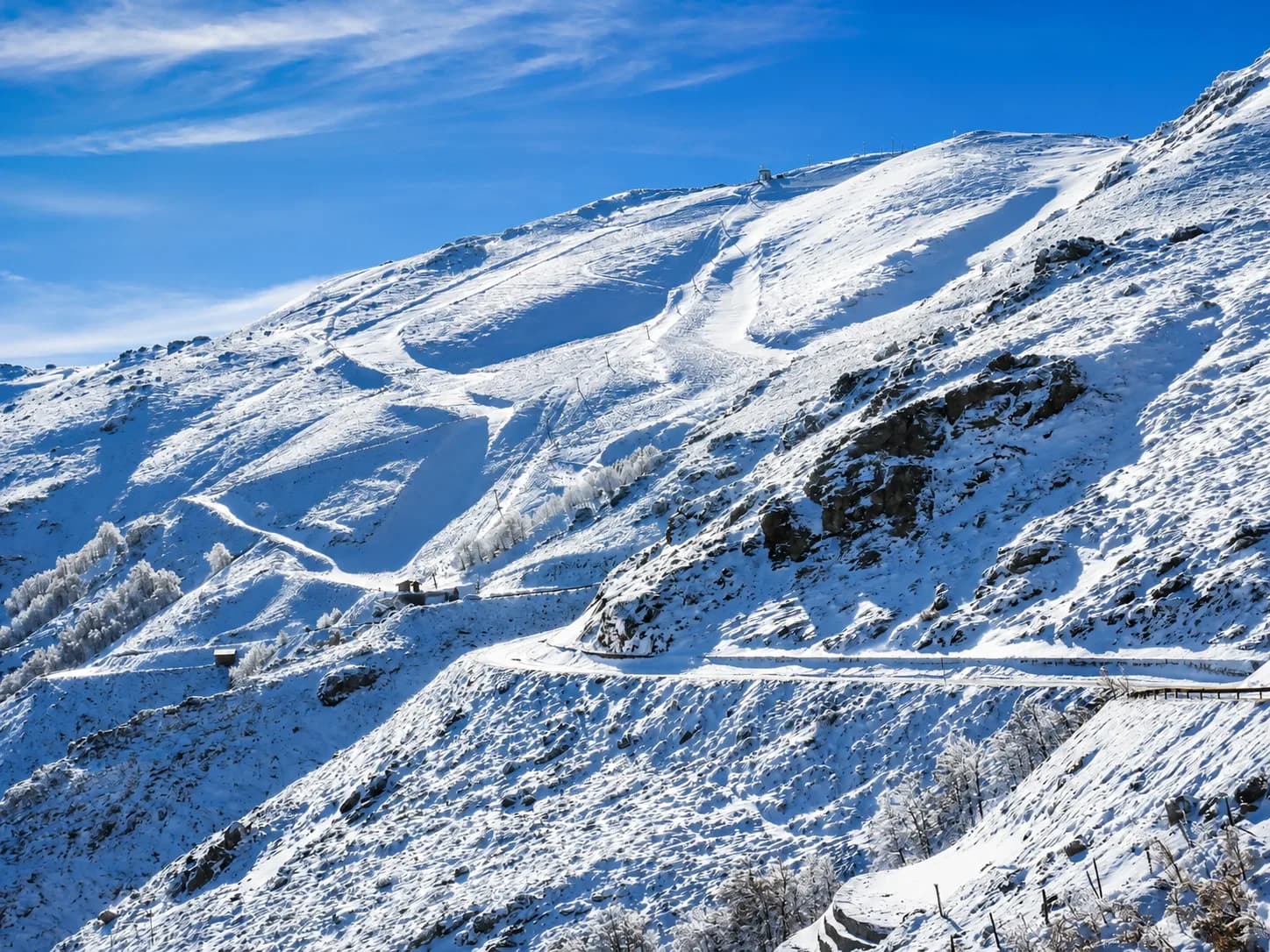

Snow in Sardinia surprises many travelers—and that’s part of the magic. While the island is famed for turquoise coves and summer bliss, its granite heart turns white most winters. If you’re dreaming of a quiet, luxurious winter escape with roaring fireplaces, slow lunches, and pristine nature, you’ll find it in the highlands of Barbagia and the Gennargentu range.
When does it snow in Sardinia? ❄️
Most years, the first dustings arrive in late December on higher peaks, with the best chance of sustained snowfall from January to early March. The Gennargentu massif—home to Sardinia’s highest summits—sees the most reliable conditions. Bruncu Spina (1,829 m) and Monte Spada above Fonni are the island’s classic snow areas; simple ski and sled facilities have operated in some seasons, and snowshoeing is popular when conditions allow (according to the official Sardinia tourism board). Source. As on any Mediterranean island, winter weather is variable. For the most accurate picture before you go, check regional forecasts and snow alerts from the Sardinian environmental agency. ARPAS Meteo publishes updated bulletins and warnings.
Fonni: the island’s snow capital 🏔️
Set around 1,000 meters above sea level, Fonni is Sardinia’s highest village and the ideal base for snow days in Gennargentu (as noted by the regional tourism board). From here, it’s a short drive to Monte Spada and Bruncu Spina for sledding, snowshoeing, and wintry walks among juniper and holm oak.
Where to stay (open in winter)
Hotel Il Cinghialetto (Fonni): A long-standing mountain hotel with a hearty on-site restaurant specializing in game and Barbagia recipes.
Parco Donnortei (Fonni): Country hotel and wildlife estate offering nature trails, local cuisine, and a cozy lodge feel.
Su Gologone (Oliena): An upscale countryside retreat below the Supramonte, known for design, art, and exceptional food—great if you want a refined base within reach of higher, snow-prone plateaus.
Hotel Sa Muvara (Aritzo): A tranquil 4-star with spa, perfect for unwinding after a snowy day.
Hotel Orlando Resort (Villagrande Strisaili): A forest-side property in Ogliastra’s uplands, convenient for snow on the eastern slopes.
These properties typically operate through winter, but do confirm seasonal schedules directly.
Where to eat (winter-friendly)
Ristorante Il Cinghialetto (Fonni): Slow-cooked wild boar, handmade ravioli, and rich broths—exactly what you want after a day in the cold.
Parco Donnortei (Fonni): Set menus spotlighting goat and sheep cheeses, roasted meats, and mountain herbs.
Sa Muvara (Aritzo): Refined Sardinian dishes and a thoughtful wine list in a warm dining room.
Gavoi trattorie: Around Lake Gusana, you’ll find intimate spots that serve culurgiones, lamb, and pecorino from local dairies.
Where does it snow in Sardinia? The most reliable towns and villages
Snow in Sardinia concentrates in the central-east highlands. Expect the best odds above 800–900 meters; valleys and coastal areas rarely get lasting coverage. Here’s where to look when the forecast turns white.
Fonni (Barbagia di Nuoro)
The hub for Bruncu Spina and Monte Spada. Murals, shepherd culture, and excellent pastry shops make it a delightful winter base.
Desulo
Clinging to the eastern Gennargentu, Desulo often sees snow on its upper hamlets. Traditional houses, artisan sweets, and mountain views abound.
Aritzo
An elegant chestnut town with stone lanes and historic “neviere” (snow pits) once used to store ice—fittingly, it still enjoys regular winter dustings.
Tonara
Famous for torrone nougat and chestnut woods; snow arrives in cold spells, turning the village’s granite into a postcard scene.
Gavoi
Near Lake Gusana and a short drive from Fonni, Gavoi can see occasional snow and offers lovely dining rooms and boutiques to warm up in afterward.
Ollolai, Ovodda, Lodine
Barbagia hill towns where light to moderate snow is possible in colder winters—quiet, authentic, and atmospheric.
Orgosolo
Known for its murals and untamed Supramonte, Orgosolo’s higher plateaus often turn white; a great base for guided snowshoeing when conditions permit.
Mamoiada
A cultural hotspot that sometimes sees a dusting. Visit in mid-January for the evocative Mamuthones and Issohadores traditions tied to Sant’Antonio Abate (according to the tourism board). Source.
Oliena (Supramonte)
The town itself is milder, but the limestone heights above (toward Monte Corrasi) catch snow in good winters; an excellent choice if you want stylish lodging plus quick access to high trails.
Ogliastra uplands: Villagrande Strisaili, Arzana, Talana
On the eastern side of Gennargentu, these villages see intermittent snow and offer dramatic forests and viewpoints over the Tyrrhenian.
Seui, Seulo, Sadali, Ussassai
Straddling Barbagia and the Ogliastra border, these towns sit amid canyons and oak forests and can receive snow during stronger cold snaps. Note: City centers at lower altitudes (Cagliari, Oristano, Alghero, Olbia) rarely get any, but a short inland drive puts you in reach of snow in Sardinia when conditions align.
How long does it take to reach the snow? 🚗
Driving times vary with weather and road conditions. The estimates below are for Fonni/Bruncu Spina as the primary target; add 20–40 minutes for surrounding villages unless noted. In snowy conditions, plan extra time and drive cautiously.
From Cagliari: 2h–2h20 via SS131 + SS389var to Fonni.
From Olbia: 1h45–2h via SS131DCN toward Nuoro, then SS389var to Fonni.
From Alghero: 2h15–2h40 via SS131/SS129 toward Nuoro, then SS389var.
From Sassari: about 2h–2h20 via SS131/SS129 toward Nuoro, then SS389var.
From Oristano: 1h30–1h50 via SS131 + SS129 to Nuoro area, then SS389var.
From Nuoro: 45–55 min to Fonni via SS389var.
From Tortolì/Arbatax: 1h15–1h40 to Fonni via SS389var; Villagrande Strisaili and Arzana are closer (30–50 min).
For live road updates in winter (closures, ice), check the national roads agency’s traffic page. ANAS.
What to do when it snows in Sardinia
Snowshoeing: Hire a local guide for safe routes on Monte Spada or the Supramonte. Tracks vary from easy forest loops to longer ridge walks.
Sledding and play: Family-friendly slopes near Bruncu Spina and Monte Spada often become informal sled hills after fresh snow.
Photography: Ancient oaks, nuraghe silhouettes, and frozen springs make ethereal subjects.
Long lunches: Warm up with culurgiones, porcetto, sheep ricotta, hearty stews, and Cannonau by the fire. 🍷
Winter festivals: If your dates match mid-January, Mamoiada’s Sant’Antonio rites are unforgettable.
Practical tips for a smooth winter escape
Timing: For the best chance of snow in Sardinia, aim for January–February and remain flexible around cold fronts (the tramontana and maestrale winds can bring quick changes).
Car prep: Fit good all-season or winter tires. Carry snow chains for rental cars heading above 900 m; use only where signed or instructed.
Road sense: Mountain roads are narrow and can be icy. Park only in designated lay-bys; never block snowplows or village access.
Gear: Waterproof boots, warm layers, and sunglasses (glare is strong). Bring cash for small village cafés and trattorie.
Local guidance: Conditions shift fast. Ask your hotel or a certified mountain guide about safe routes each morning.
Suggested 2–3 day winter itinerary
Day 1: Arrive via Nuoro and settle in Fonni. Afternoon walk to Monte Spada; dinner of Barbagia classics at a local trattoria. Day 2: Early start for Bruncu Spina. Snowshoe loop with a guide; lunch in Fonni; late-day drive to Gavoi for lake views and a cozy dinner. Day 3: Loop through Aritzo and Desulo for chestnut woods and village strolls; return via Mamoiada for a museum stop and artisan tasting.
Final word
Snow in Sardinia is a beautiful secret—fleeting, photogenic, and refreshingly crowd-free. Base yourself around Fonni or the nearby uplands, watch the forecasts, and keep plans flexible. When the island’s highlands turn white, you’ll have a unique slice of winter to yourself—along with superb food, welcoming inns, and the quiet rhythm of mountain life.