
Why this Olbia bistrò wins hearts
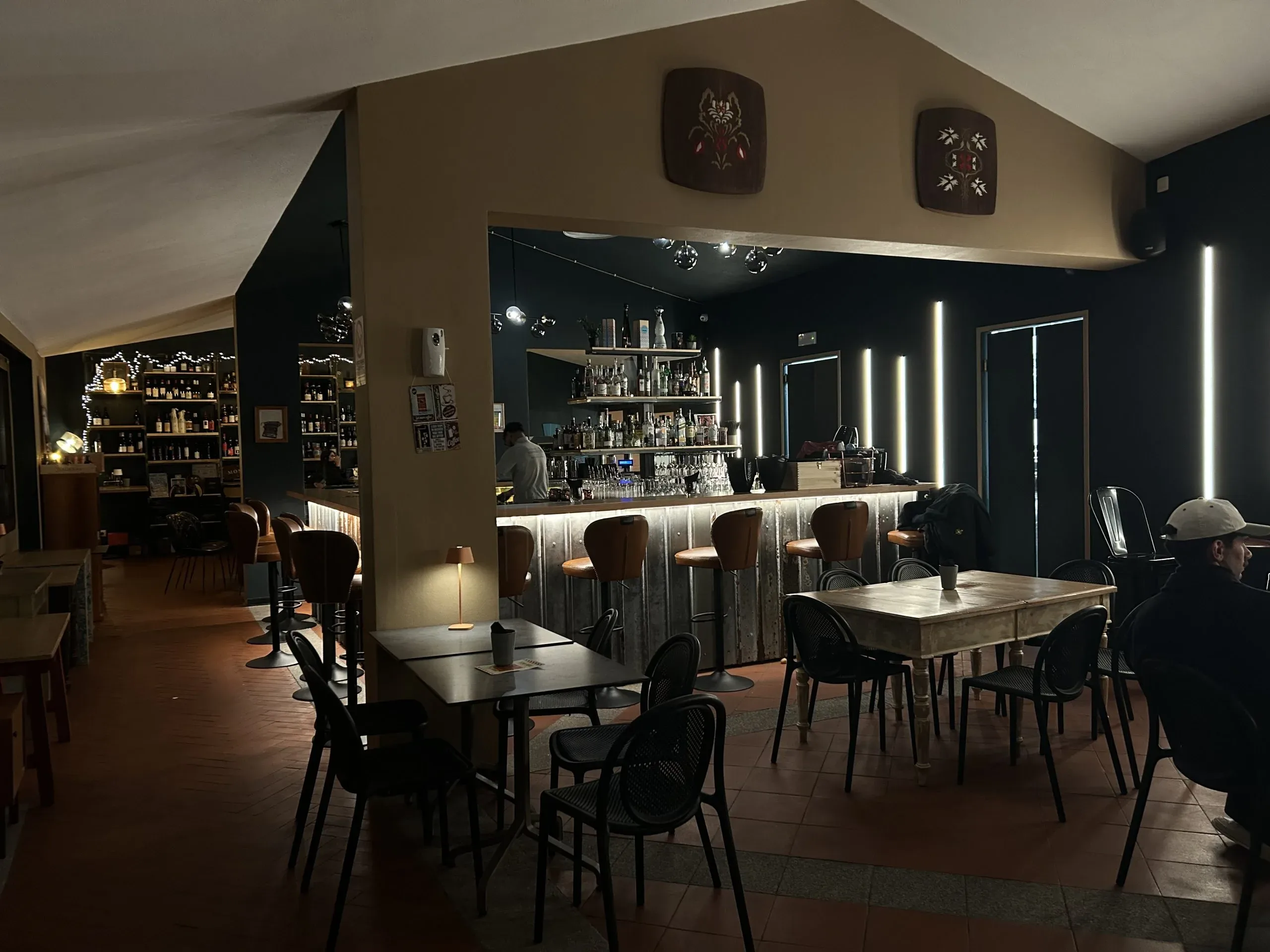
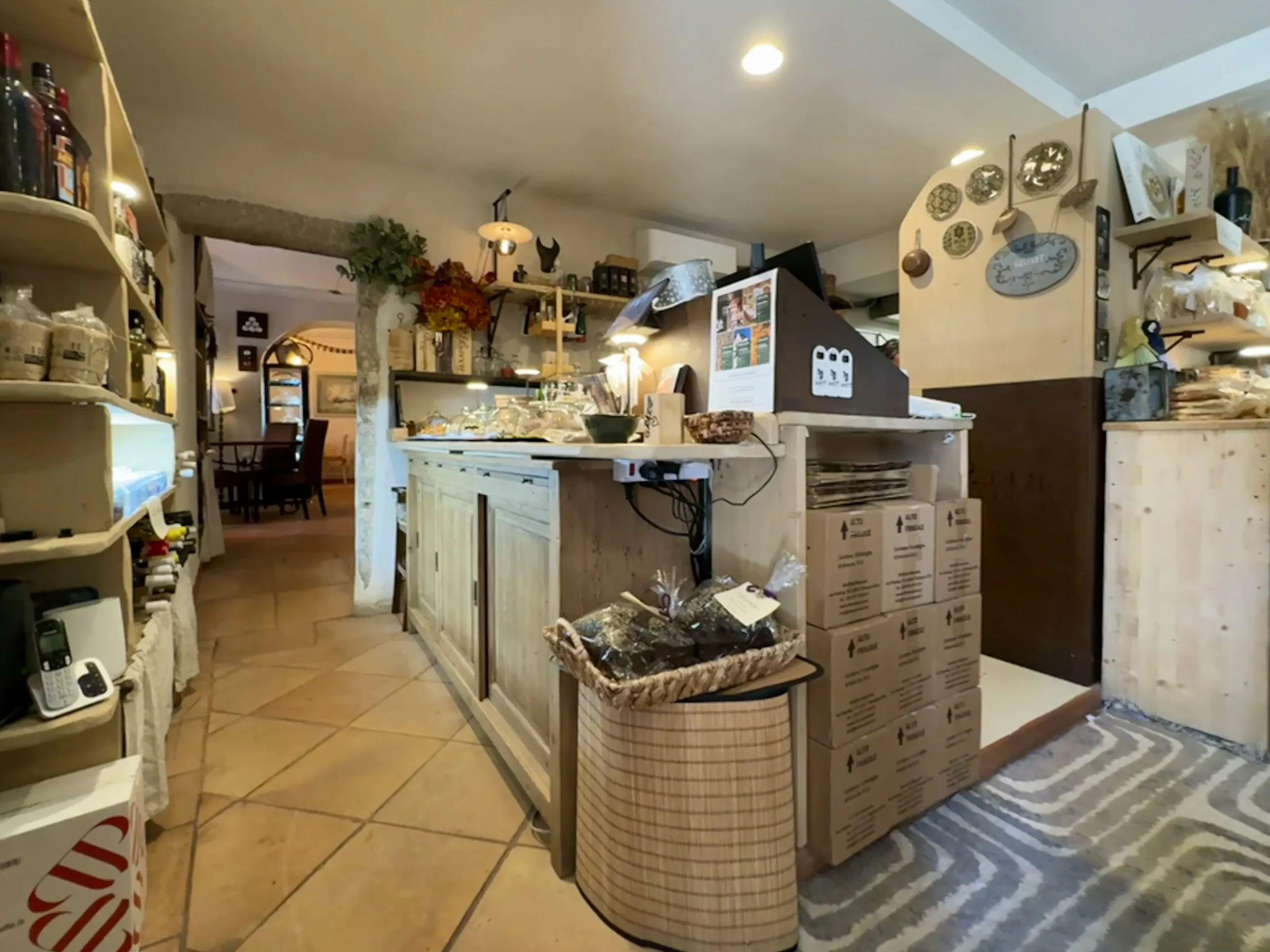
Anticas Licanzias Bistrò feels like a local's dining room: soft light, simple wood, rustic textiles, and a slow rhythm that lets the food do the talking. The kitchen leans into Sardinian staples rather than clever twists. Plates arrive generous and well seasoned, the kind of cooking that makes you mop the last juices with bread.
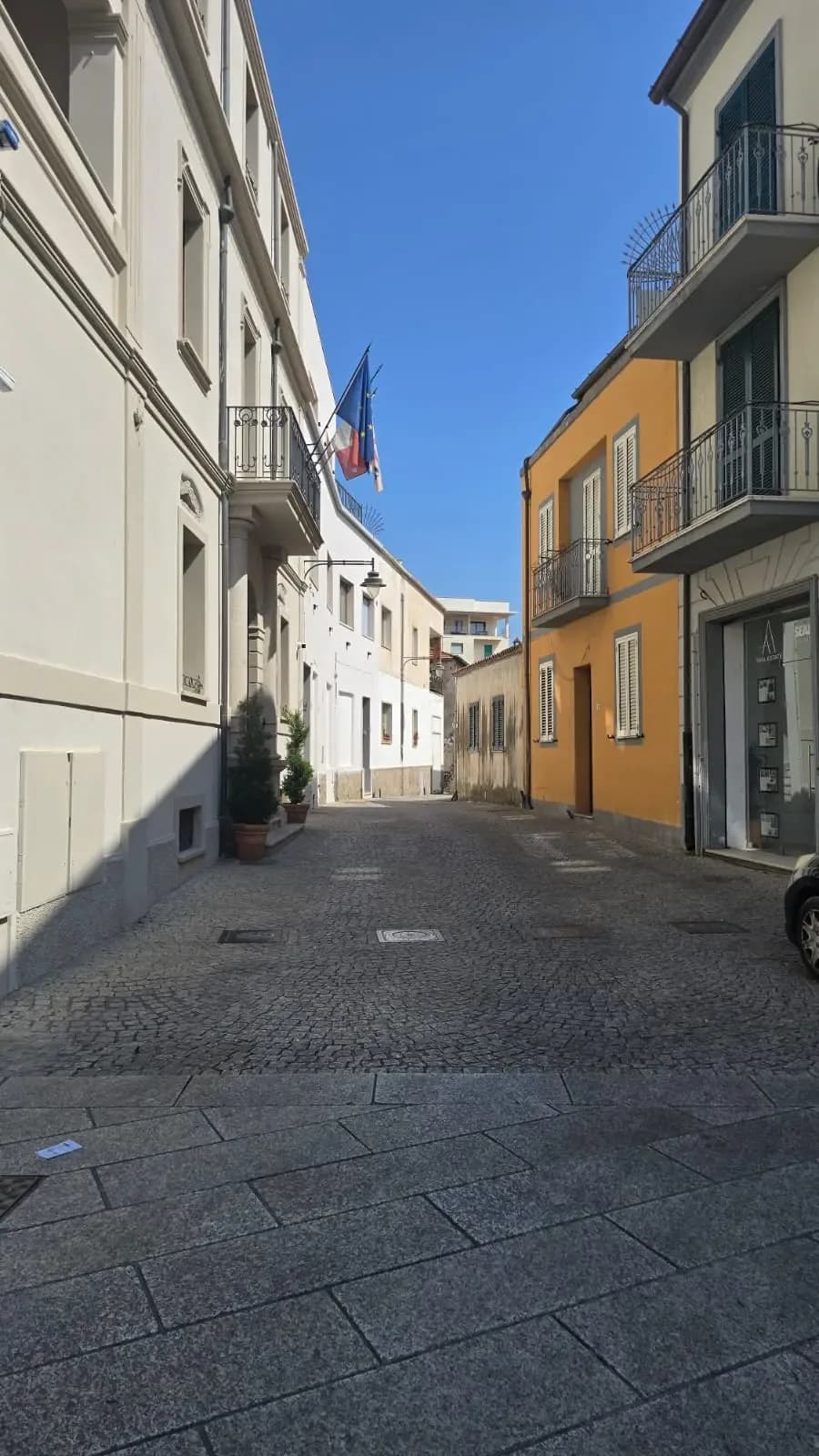
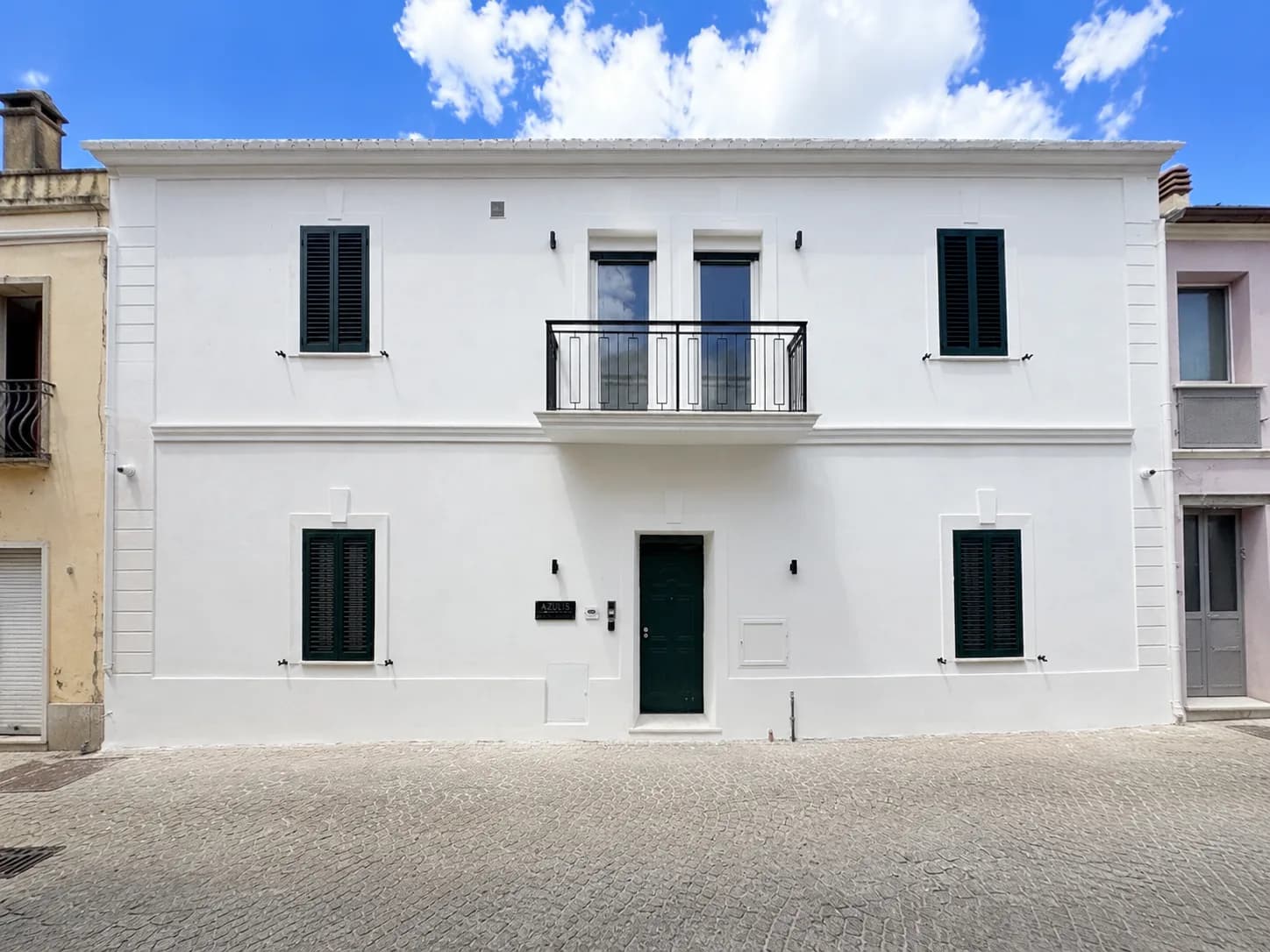
Step off Corso Umberto into Via Tigellio and the tempo drops. Anticas Licanzias Bistrò sits among the narrow lanes of Olbia's centro storico, small enough to cross on foot.
The crowd is a steady mix of neighbours and travellers. It is calm early, livelier later, and always unhurried. Come ready to settle in.
This is not a summer-only address. It trades through autumn and winter, and December evenings suit it: cool air outside, kitchen smells inside, and the calm that makes you order one more glass. Winter hours can vary, so it is worth ringing ahead out of season.
What to eat: my menu picks
The menu shifts with the seasons, but a few Sardinian benchmarks are worth seeking out if you spot them:
- Zuppa gallurese (suppa cuata): not a soup but layers of stale bread and young pecorino baked in broth. Expect a browned crust, a soft, custardy middle, and a deep, meaty aroma even when made without meat. The sharp, salty tang of Pecorino Sardo is the heartbeat here, a DOP cheese protected by the Pecorino Sardo Consortium (source).
- Malloreddus alla campidanese: ridged gnocchetti that grip a slow-cooked sausage and tomato ragù. The sauce should be properly reduced, bright with tomato, lightly spiced with fennel seed, and finished with grated pecorino.
- Culurgiones: plump, hand-pinched pasta pockets, usually filled with potato, mint, and young pecorino. Look for thin, silky pasta and a creamy, peppery filling, dressed with glossy butter, sage, and a little crackle of salt on top.
- Fregola with clams: toasted semolina pearls in a saffron-tinted broth. The best versions taste of the sea with a peppery finish and just-set clams.
- Maialetto (roast suckling pig): when offered, the skin should crackle and the meat stay tender and faintly sweet, with rosemary and myrtle in the background. Often served simply with roasted potatoes and a lemon wedge.
- Local seafood: ask for the catch of the day. Grilled fillets with lemon and good olive oil are the most reliable way to taste the coast.
- Seadas: a warm fried pastry filled with young cheese, drizzled with bitter honey. Expect a crisp shell, a molten, stretchy centre, and a sweet-salty balance that ends a Sardinian meal properly.
To start, a basket of pane carasau is always welcome. This paper-thin flatbread should crackle cleanly and taste toasty, ideal with good oil, a pinch of salt, and olives (more on pane carasau). If the kitchen serves it as pane frattau, layered with tomato and a soft egg, order that instead.
If you spot seasonal sides, order them. Spring brings wild asparagus and artichokes. Summer leans to tomatoes and courgettes, often grilled and dressed simply with oil and herbs.
Cheese lovers should leave room for a small plate of pecorino with honey or jam. It bridges the gap between the main course and dessert.
Wine to pair in Olbia
Wine runs from about 4 to 8 EUR a glass, with most bottles between 25 and 36.
Olbia sits in Gallura, home to Vermentino di Gallura DOCG, the island's only DOCG wine, known for citrus, herbs, and a saline finish that loves seafood and young pecorino. Ask for a chilled glass with fregola, grilled fish, culurgiones in butter and sage, or anything carrying bottarga's briny punch.
For richer dishes like zuppa gallurese, malloreddus, or maialetto, a medium-bodied red such as Cannonau or Carignano balances the fat and smoke, bringing red fruit and gentle spice. Ask the team whether to go by the glass or by the bottle. They know the list, they pour with a light hand, and half-bottles or glasses let you match wines across courses without overcommitting. 🍷
Atmosphere and service
Service is relaxed and attentive without hovering. Staff explain dishes like hosts rather than salespeople, give honest advice on portions and pairings, and will happily steer you towards a lesser-known producer or a seasonal off-menu plate. It is the kind of room where you put your phone down, lean in, and pay attention to what is on the table.
Dine early for a quieter meal, or join the local rhythm after 8:30 pm when the buzz picks up.
Practical details: prices, booking, location
- Price range: the menu changes with the season, so treat these as a guide rather than a fixed price list. On the menu published in July 2026, cheese and charcuterie boards were 10 to 12 EUR, fresh pasta 16 to 30 depending on the sauce, main courses 18 to 30, side dishes 8 to 10, and every dessert 8. Cover and service are a flat 2 EUR a head. A one-course lunch with a glass of wine comes in around 20 to 30 EUR a head, while a fuller dinner of two courses with wine is more like 35 to 50. Portions are generous.
- Opening: lunch and dinner every day except Tuesday, roughly 12.30pm to 2.30pm and 7pm to 10.30pm.
- Booking: evenings get busy, so it is worth booking, particularly in summer. Turn up without one and you may be put on the waiting list. Same-day lunch tables are usually easier. Call ahead regardless if you have your heart set on maialetto or a particular special. The number is +39 0789 27110.
- Payment: most places in central Olbia take cards, but carry a little cash for small extras.
- Dress code: smart-casual works. Comfortable shoes help on the old-town cobbles.
- Dietary notes: Sardinian cooking leans on pecorino, wheat pasta, and pork. Mention preferences when ordering; the kitchen can often guide you to simpler grilled fish or vegetable sides.
- Getting there: the bistrò is at Via Tigellio 12, a short turn off Corso Umberto. Street parking and small car parks sit around the perimeter of the centre, so give yourself a few extra minutes to park and walk in. For up-to-date city and travel info, see the region's official tourism board (Sardegna Turismo).
- Arriving by air: Olbia Costa Smeralda Airport connects the city with Italy and the rest of Europe, according to the airport operator Geasar (source). It is a short taxi ride from most central hotels, which makes this an easy first dinner if you land late.
Insider tips for ordering
- Start light: share one antipasto, ideally mixed local charcuterie, cheeses, and vegetables, so you taste broadly and still have room for pasta and a main. You will want seadas later.
- Ask what is in season: artichokes, wild fennel, and local mushrooms rotate through the sides and off-menu specials. A fish of the day or a seasonal pasta often outshines the printed menu.
- Try bottarga if offered: shaved over spaghetti or vegetables, it brings a clean sea aroma and savoury depth. Pair it with a zesty Vermentino.
- Mind the cheese: pecorino varies by age. Young is lactic and mild, aged is firm with a sharp, salty bite that can dominate delicate sauces. The Pecorino Sardo Consortium explains the styles and ageing categories (reference).
- Finish properly: seadas, then a small glass of mirto or a local dessert wine.
Good to know
Lunch is quieter and a touch quicker. Dinner is a linger-and-talk affair. Arrive on time for reservations, and expect a relaxed cadence between courses. That slow pace is part of why the flavours land so clearly.
Summer feels lively and busy with visitors, while late autumn and December turn the room into a warm refuge. The cooking does not change much either way, which is the point.
If you want a keepsake, pick up local pane carasau or a wedge of Pecorino Sardo from a deli the next day. They travel well and extend the meal at home.