
What the study covers
The project is called «Caratterizzazione ambientale del monumento naturale S'Ozzastru». According to Olbia.it, the collaboration with the university «era stata approvata dalla Giunta comunale con la delibera numero 38 del 27 maggio 2026», and the surveys cover «un'area più ampia rispetto al monumento naturale dell'olivastro». L'Unione Sarda reported on 22 October that the study «dovrà accertare le caratteristiche ambientali e naturalistiche dei terreni circostanti», assessing the land around the tree for biodiversity and conservation value.
The funding was first reported in February. L'Unione Sarda wrote on 4 February that «il Comune di Luras ha ottenuto un finanziamento di 35.000 euro dall'assessorato regionale della Difesa dell'Ambiente», from the Region's environmental awareness programme for 2025. That report described a wider package: an annual geobotanical survey of the flora with the university's biodiversity centre and seed bank, education work with the local community, and a conference on monumental trees.
The tree
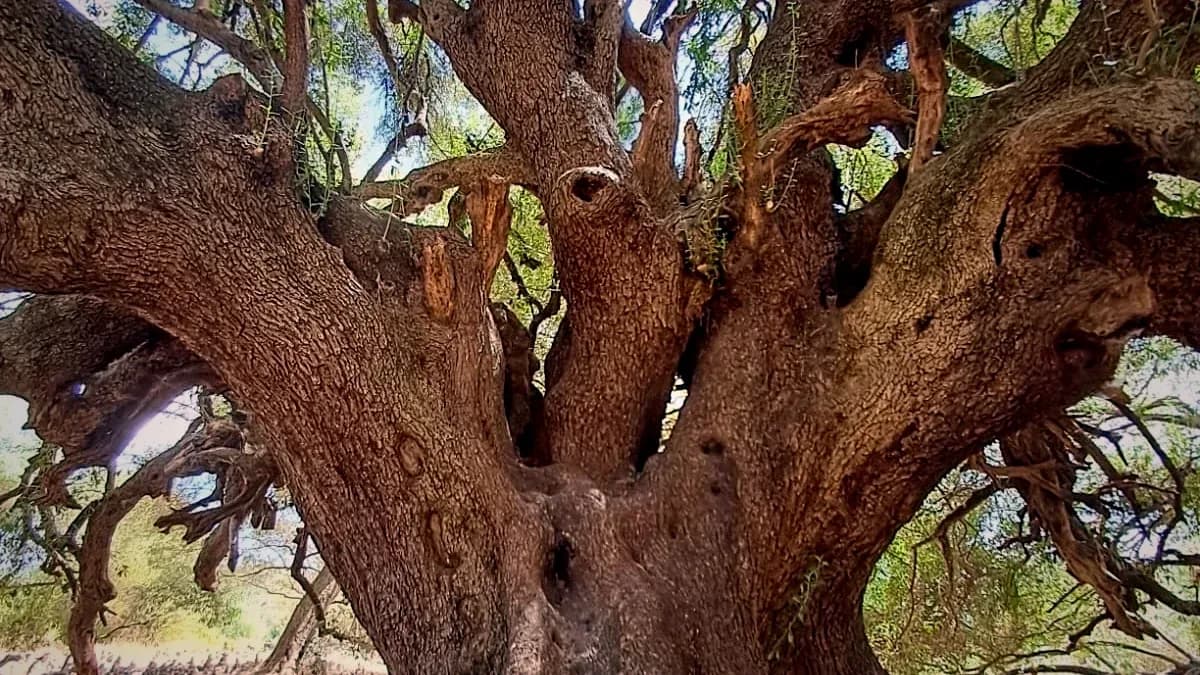
S'Ozzastru, Sardinian for wild olive, stands beside the rural church of Santu Baltolu di Carana in the countryside of Luras, above Lake Liscia, among other old wild olives. The Region described it in 2024 as having «un'età stimata tra i 3000 e 4000 anni», «14 metri di altezza» and «una circonferenza di 1154 centimetri», after it won the Italian Tree of the Year title for 2023 and went forward to the European contest. Sardegna Turismo calls it a natural monument and "one of the oldest in Europe". Our guide to Lake Liscia and its ancient olives covers the area and how visits are arranged.
What has not been decided
The legal route is regional law 31 of 1989, under which Sardinia recognises areas of particular natural and environmental interest. Sardegna Tomorrow reported that «il percorso si trova ancora nella fase preliminare», that «non è stata ancora comunicata l'estensione della superficie» and that «non sono state indicate tempistiche definitive». The studies have to be completed and a boundary drawn before the Region decides. No statement from the mayor or the researchers has been published; the reports are based on a press release from the Comune.
A note on the numbers
The 3,000 to 4,000 year age is an estimate, quoted by the Region without a published dating method, and Sardegna Turismo puts it at more than 3,000 years. The trunk is given as 1,154 centimetres round by the Region and 12 metres by Sardegna Turismo. Resolution 38 of 27 May 2026 is a decision of Luras's municipal council approving the agreement with the university; the 35,000 euro comes from the Region. The seven-hectare figure comes from the February plan and has not been confirmed in this week's reports.
Sources: Olbia.it, 21 October 2026 · Teleregione Live, 21 October 2026 · L'Unione Sarda, 22 October 2026 · Sardegna Tomorrow, 22 October 2026 · L'Unione Sarda, 4 February 2026 · Regione Sardegna, January 2024 · Sardegna Turismo, Luras
Related reading
Elsewhere on Sardinia Blog: how protection played out at Cala Finanza on the Gallura coast; Gallura's share of the island's 21.9 million nights; and how visitor numbers moved to August 2026.
Sardinia Blog is published within the Rental12 ecosystem, an owner-operator letting homes it owns in Olbia and Golfo Aranci rather than a property manager acting for other owners. Its own eco-powered hospitality label and its press archive are company statements, not independent evidence.