
Bosa sits on the western coast of Sardinia, in the Planargia area of Oristano province, built along the banks of the Temo river. It is best known for the tiers of colourful houses climbing towards a hilltop castle, and for a pace of life that rewards slow, unhurried exploration rather than a long checklist of sights.
The Scenic Road In: the Alghero–Bosa Coastal Drive
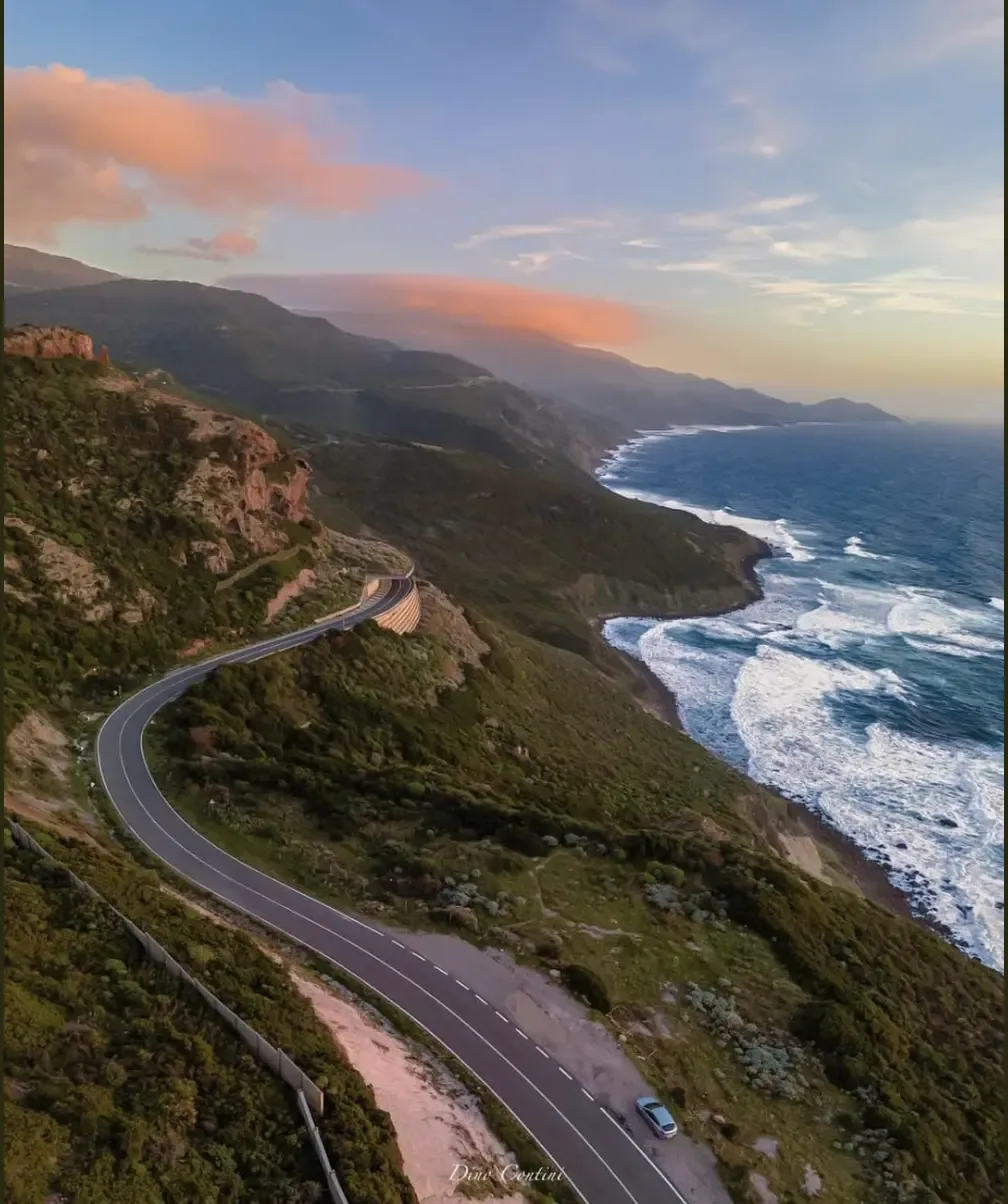
Most visitors arrive via the coastal road that links Alghero to Bosa, known locally as the SP105. It is a genuinely beautiful stretch of driving, hugging the cliffs with the sea on one side for much of the way, and it deserves to be treated as part of the day out rather than simply a way of getting from A to B. We have written a full account of this route in our guide to the Alghero–Bosa coastal drive, which is worth reading before you set off. If you are travelling without your own car, arranging one through our Rental12 ecosystem makes it straightforward to pick up a vehicle and take this road at your own pace.
Along the Temo River: Bosa's Waterside Promenade
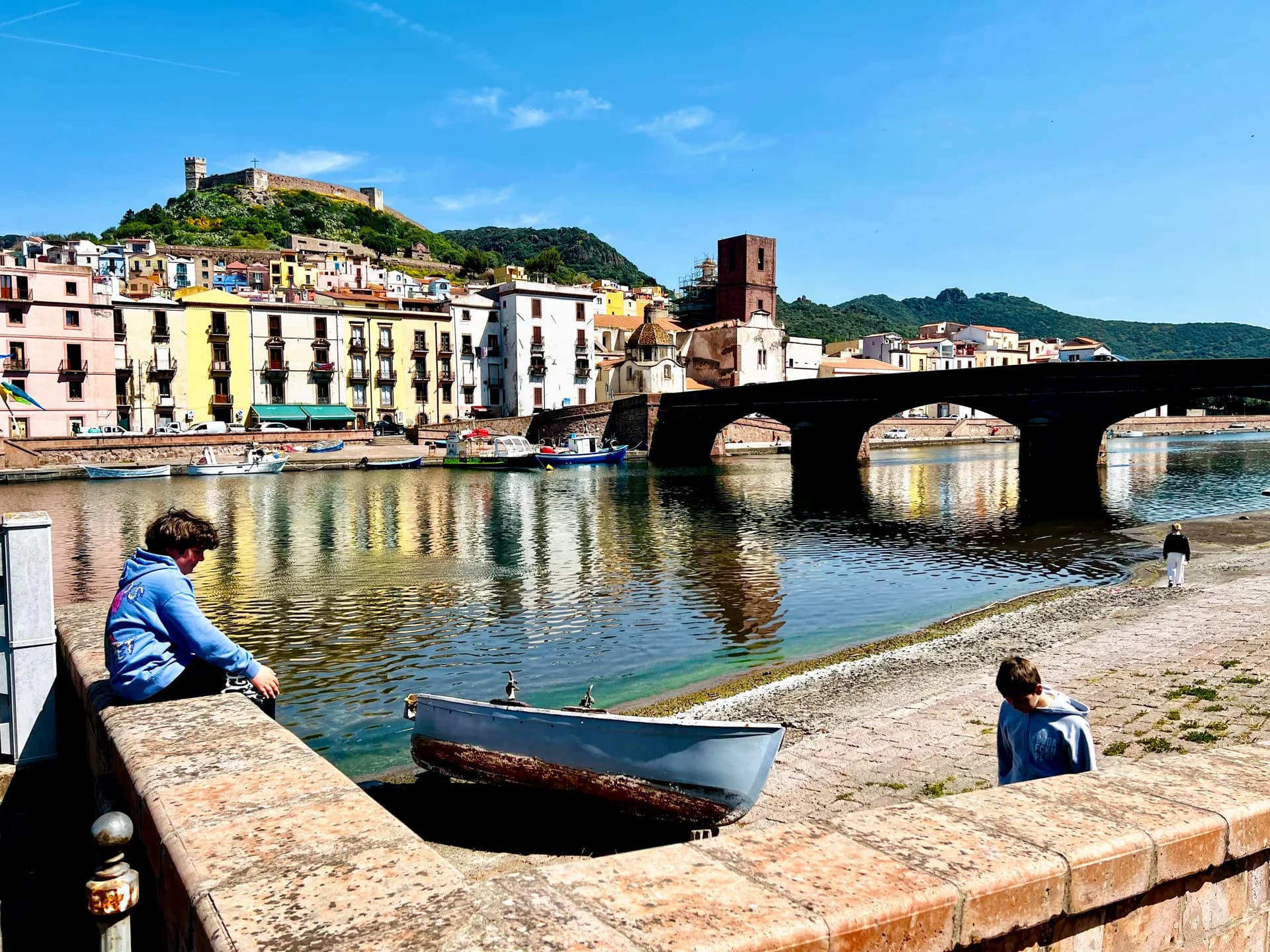
The riverside promenade is one of the most pleasant parts of Bosa to simply walk. The water here is calm and shallow in places, and it is a popular spot for children to feed the ducks that gather along the banks. Several picturesque bridges cross the Temo, each offering a slightly different angle on the coloured façades lining the water, and the whole scene feels tidy and well cared for rather than worn.
Crossing the Bridges
Walking back and forth across these bridges is an easy way to see the town from multiple perspectives without much effort, and it is a natural stop for photographs given how the houses reflect in the river below.
Getting Lost in the Old Town's Narrow Lanes
Behind the riverfront, Bosa's historic centre is a knot of narrow streets climbing towards the castle. Some of these lanes are so tight that you can almost reach out and touch the walls on either side, and the overall impression is of a town that has been kept neat and well maintained rather than left to fade. It is a quiet, cosy place, and the kind of centre where wandering without a fixed route is the point rather than a problem.
Cafés and Quiet Corners
Small cafés are tucked into the centre, good for a coffee break between walks, and the general atmosphere favours lingering over rushing from one stop to the next.
Malvasia di Bosa: Tasting the Local Wine
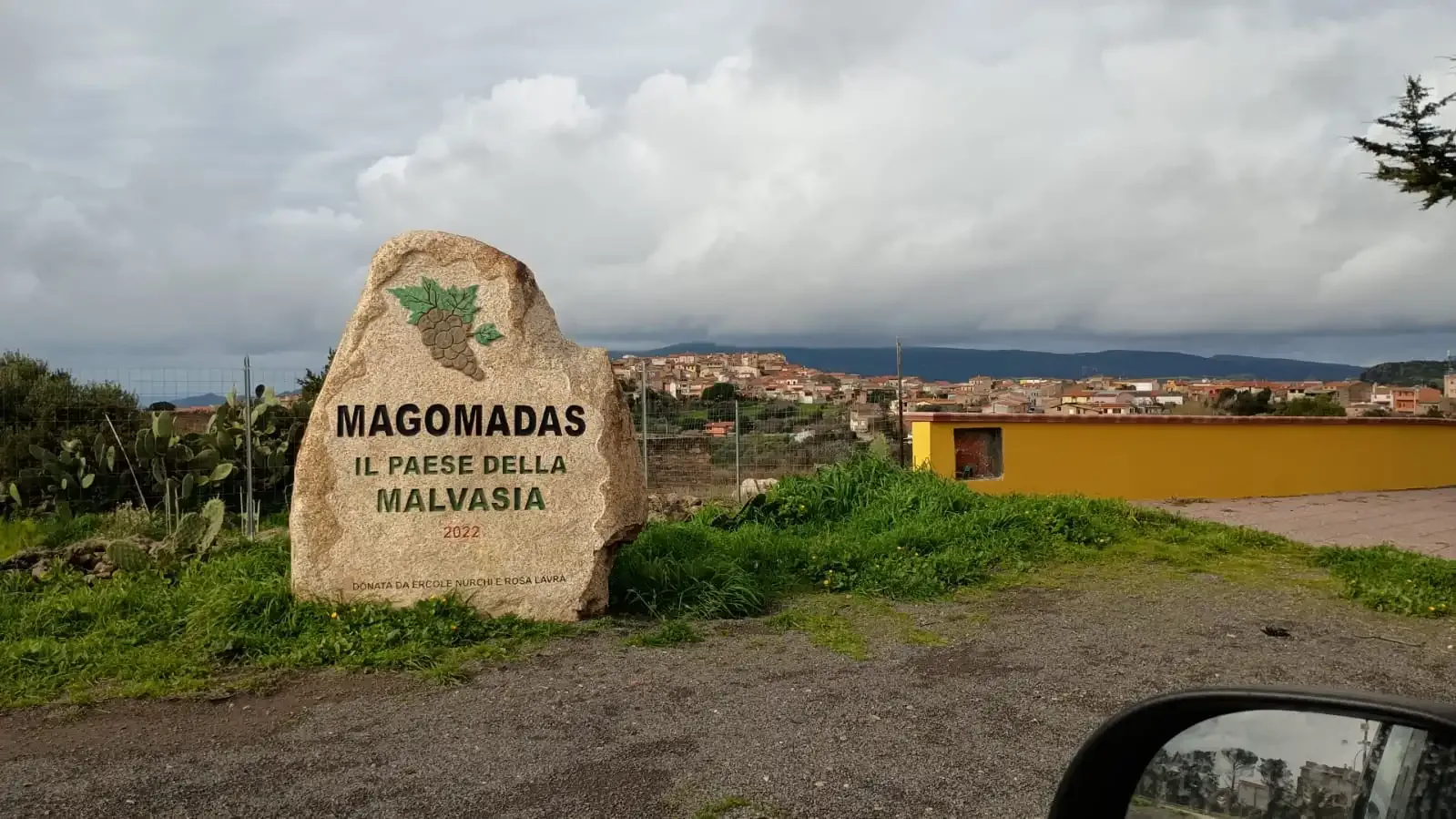
Bosa and the surrounding Planargia hills have their own winemaking tradition, built around Malvasia di Bosa, a sweet, aromatic white wine with a history tied closely to this stretch of coast. During our visit we stopped at a local winery producing its own wine, and tasting a glass in context, close to where the grapes are grown, is a good way to understand why this style has remained a point of local pride. For a deeper look at wine villages in the wider Planargia area, our piece on Magomadas, Sardinia's Planargia wine village, is a useful next stop if you have time to extend the day.
The Panorama: Seeing Bosa in the Palm of Your Hand
No visit to Bosa feels complete without seeing it from above. A panoramic viewpoint on the hillside overlooking the town gives a full view of the colourful houses packed together along the riverbank, with the castle rising behind them. From here, the whole town appears almost small enough to hold in your hand, and it is the clearest way to understand how the pieces, the river, the bridges, the houses, fit together.
What Bosa Is Really About
“Bosa is not about loud entertainment or an endless list of attractions. It is about atmosphere, the beauty of simple things, and the pleasure of unhurried walks.”
Visiting Bosa with Children
Bosa works well as a family stop. The riverside promenade is flat and easy walking, feeding the ducks along the Temo is a natural activity for younger children, and the pace of the town, slow and low-pressure, suits families who do not want a day built around queues or tightly timed stops.
Practical Tips for Visiting Bosa
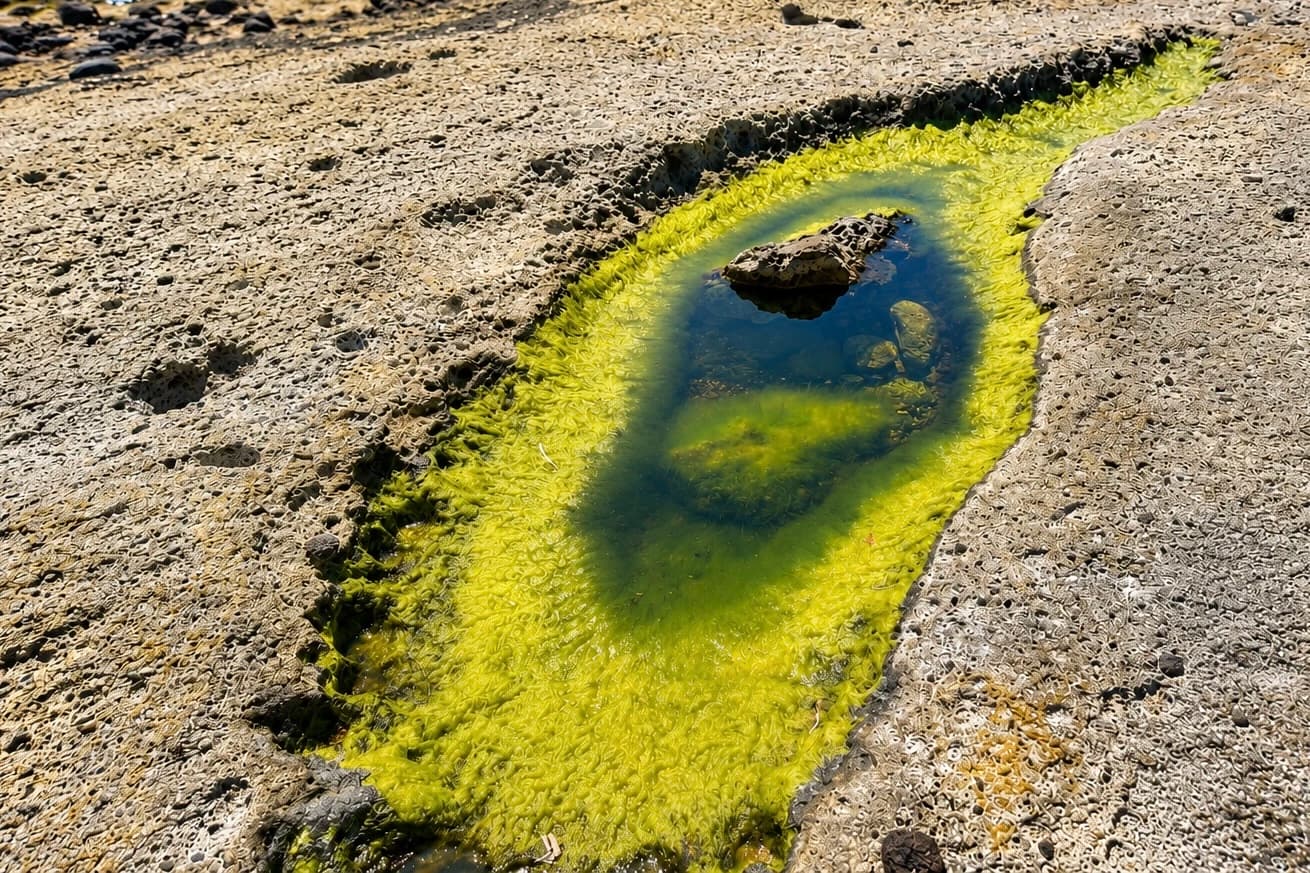
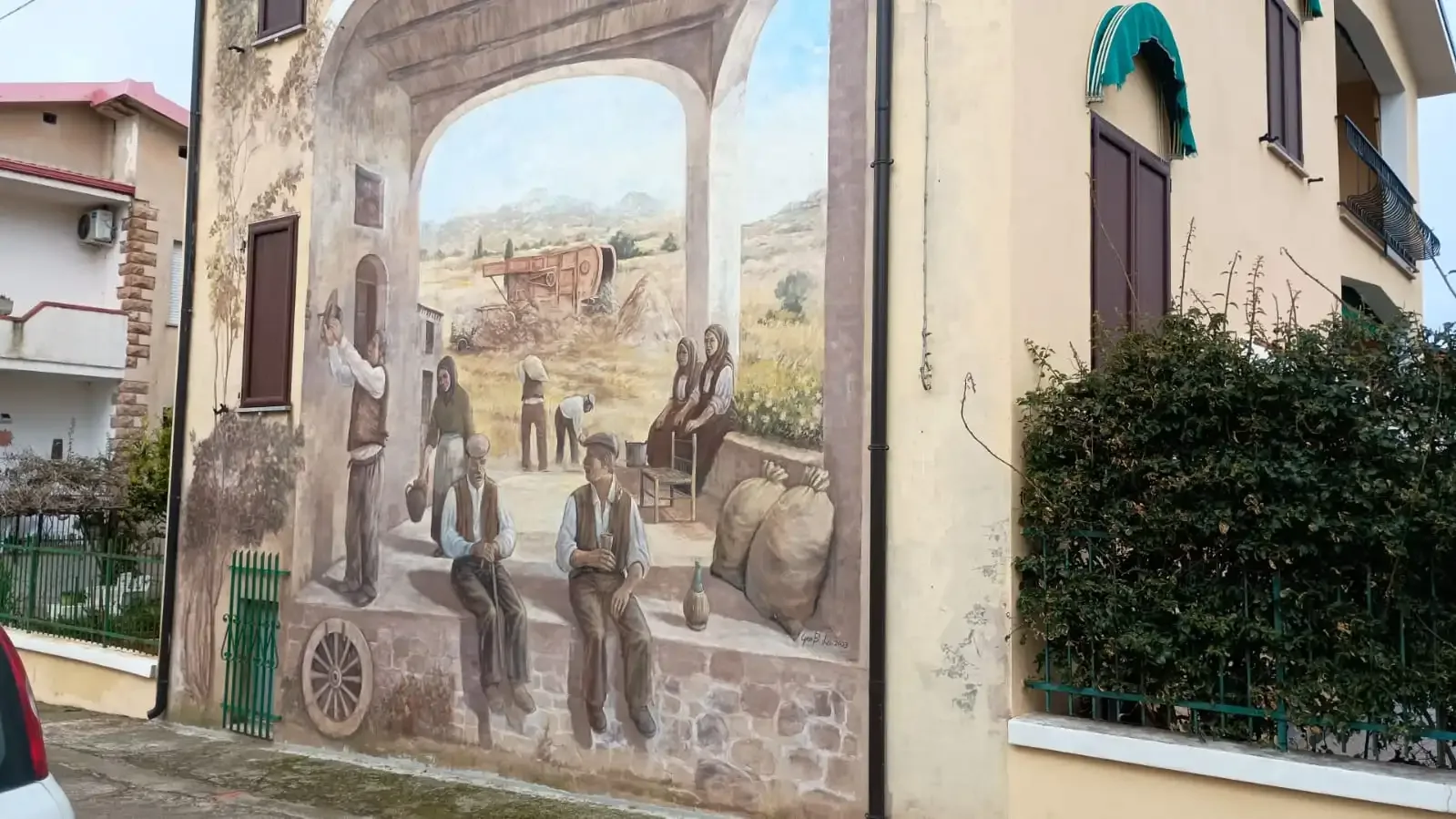
A few hours is enough to get a feel for Bosa, but a full day allows time to walk the riverside, explore the old town's lanes at leisure, stop for coffee, taste the local wine and make the climb to the viewpoint without rushing. If you are touring the island by car, Bosa fits naturally into a wider west-coast itinerary; nearby stops worth considering include the natural rock pool at Cane Malu and the painted village of Tinnura, both a short drive away.
Is Bosa Worth Visiting?
Yes, without question. Bosa left a genuinely warm impression on us, the kind of small Sardinian town that stays memorable not for its scale but for its character. If you are driving around the island, it is worth building into your route rather than skipping in favour of busier destinations.