
Why Tuvixeddu stops you in your tracks
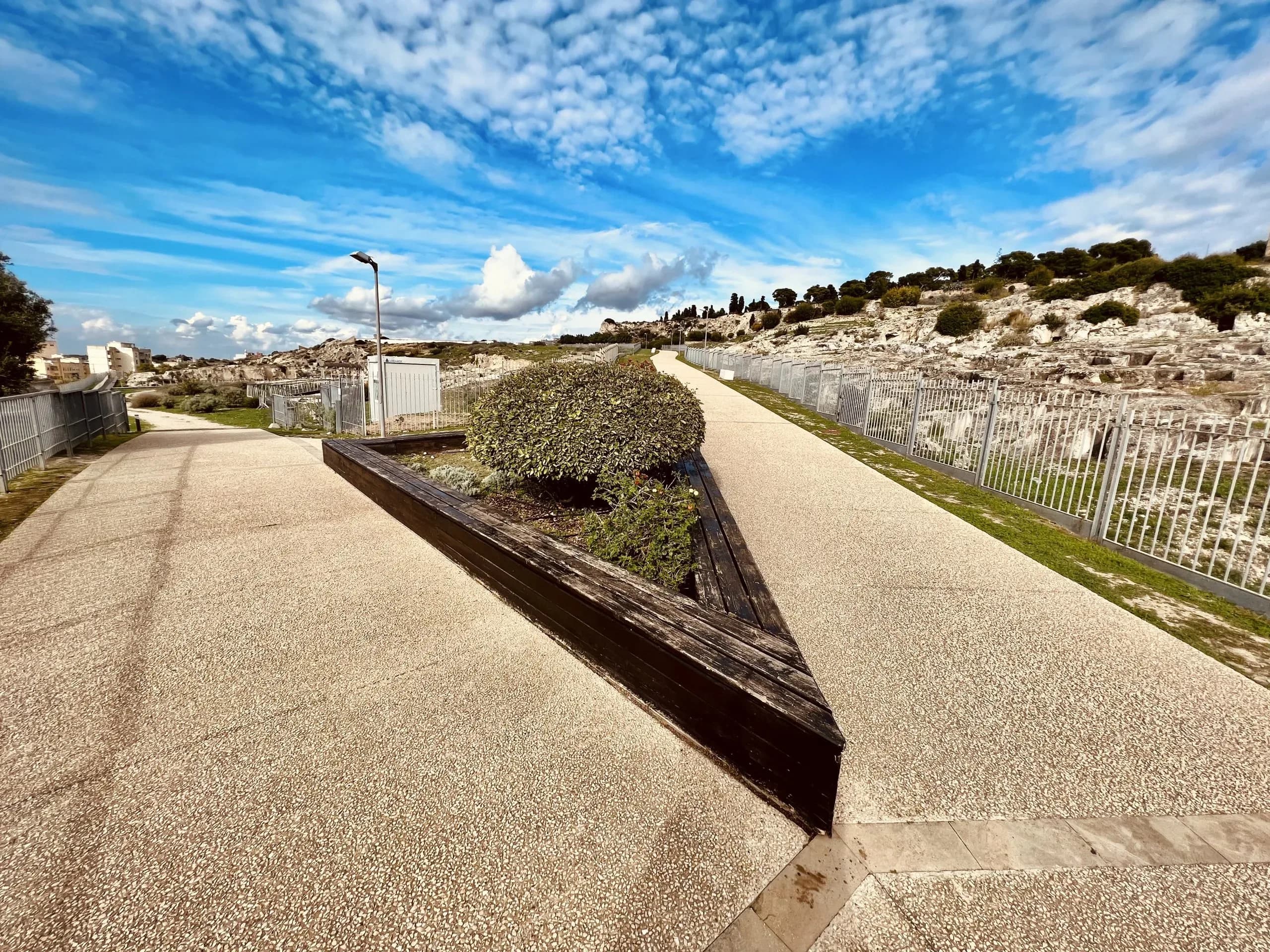
Climb the low hill just inland from Cagliari’s port and the rock opens like a book. Shafts, chambers, and cleanly cut edges ripple across the limestone. Tuvixeddu is a city of the dead built over more than a thousand years, and it still sits within the living city.
Walk quietly. This is where the ancient community of Karalis buried its people, marked its thresholds, and faced its roads toward memory.
A hill carved by the Punic and Roman worlds
The necropolis began in the late 6th century BCE and stayed in use until the 3rd century CE. Archaeologists have identified around 1,793 tombs, with more than 1,500 preserved, according to the Region’s cultural heritage portal Sardegna Cultura.
The landscape carries the marks of both devotion and industry. Centuries of quarrying carved out features locals call the catino, a wide basin, and the canyon, a linear cut that frames views toward the Gulf. These scars heighten the drama of the hill and help you read its layers.
The Punic graves
More than 1,200 Punic tombs descend by vertical shafts into hypogea, the underground chambers where the dead lay with grave goods. Many once held carved and painted details that echoed beliefs about protection and passage. Even now, the pattern of openings makes the surface look like a honeycomb.
Roman layers and city-facing facades
Under Roman rule, earlier Punic tombs were often reused, and new burials appeared on the slopes. You will spot simpler in-ground graves, cappuccina tombs roofed with tiles, and traces of cremation. From the 1st century CE, some tombs carried architectural facades that faced a road into the city, a reminder that the necropolis spoke to the living as much as to the dead.
Planning your visit
Tuvixeddu is a public park and free to enter during opening hours. Check current access and any temporary closures on the municipal tourism page Cagliari Turismo.
Getting there
- On foot: about 20 to 30 minutes from Piazza Yenne via Viale Sant’Avendrace.
- Bus: CTM city buses run along Viale Sant’Avendrace. Use the route planner and search for stops near “Sant’Avendrace” or “Tuvixeddu” CTM Cagliari.
- Taxi: 5 to 10 minutes from the historic center, useful in summer heat.
What to bring and how to behave
- Wear sturdy shoes. Paths can be uneven, and limestone is slippery after rain.
- Bring water and a hat. Shade is limited.
- Respect fences and do not enter or touch tomb openings. Photography is fine from paths.
A half-day itinerary that flows
Morning plan
- 9:00 Tuvixeddu. Enter from Viale Sant’Avendrace. Walk the rim of the catino, then trace the canyon. Look for the denser clusters of shafts on the central plateau. Allow 60 to 90 minutes.
- 10:45 Roman Amphitheatre. Continue by taxi or a 20-minute walk to the limestone terraces of the amphitheatre. Its quarries rhyme with Tuvixeddu’s cuts and help explain ancient building stone in Cagliari Cagliari Turismo.
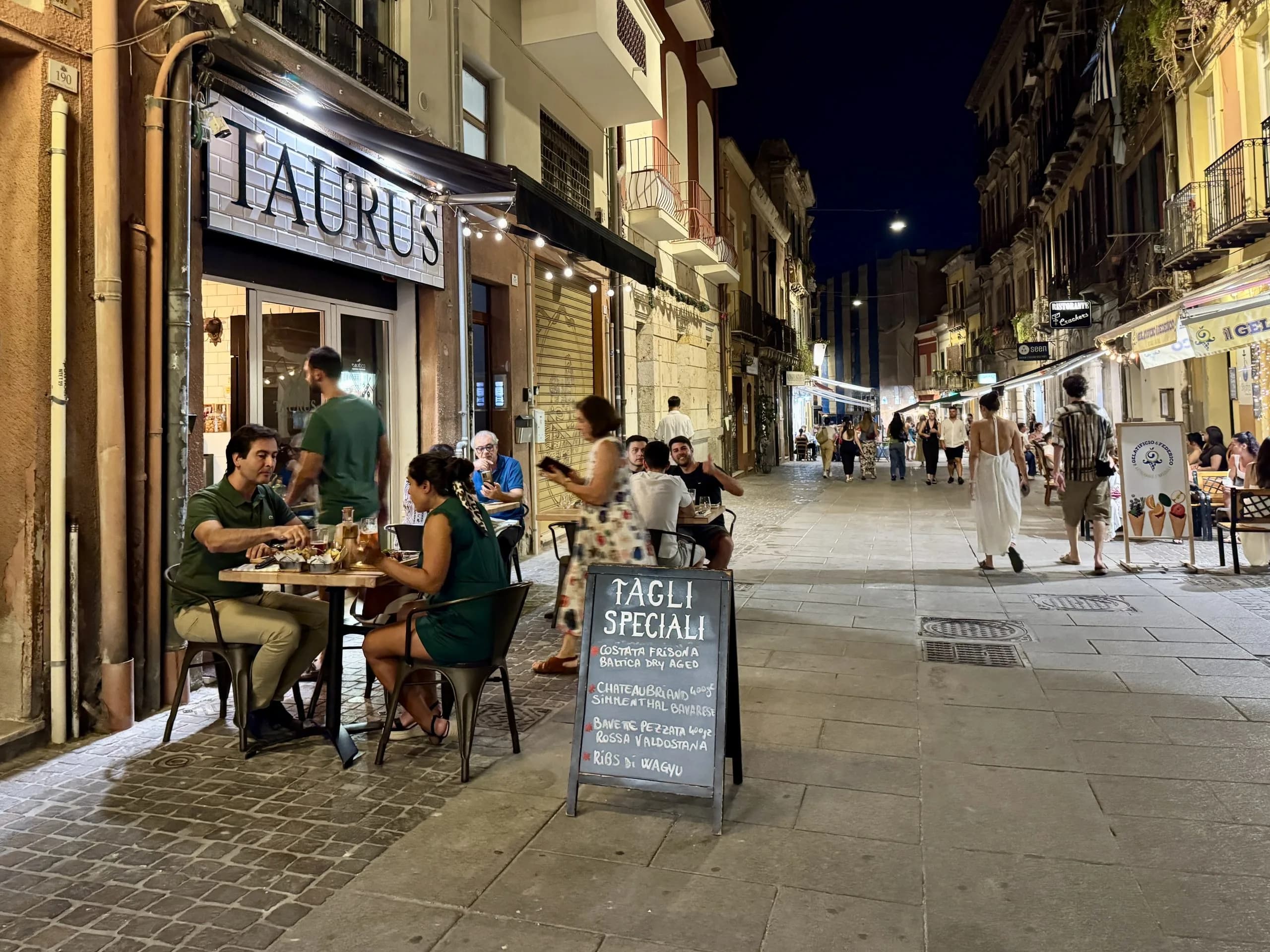
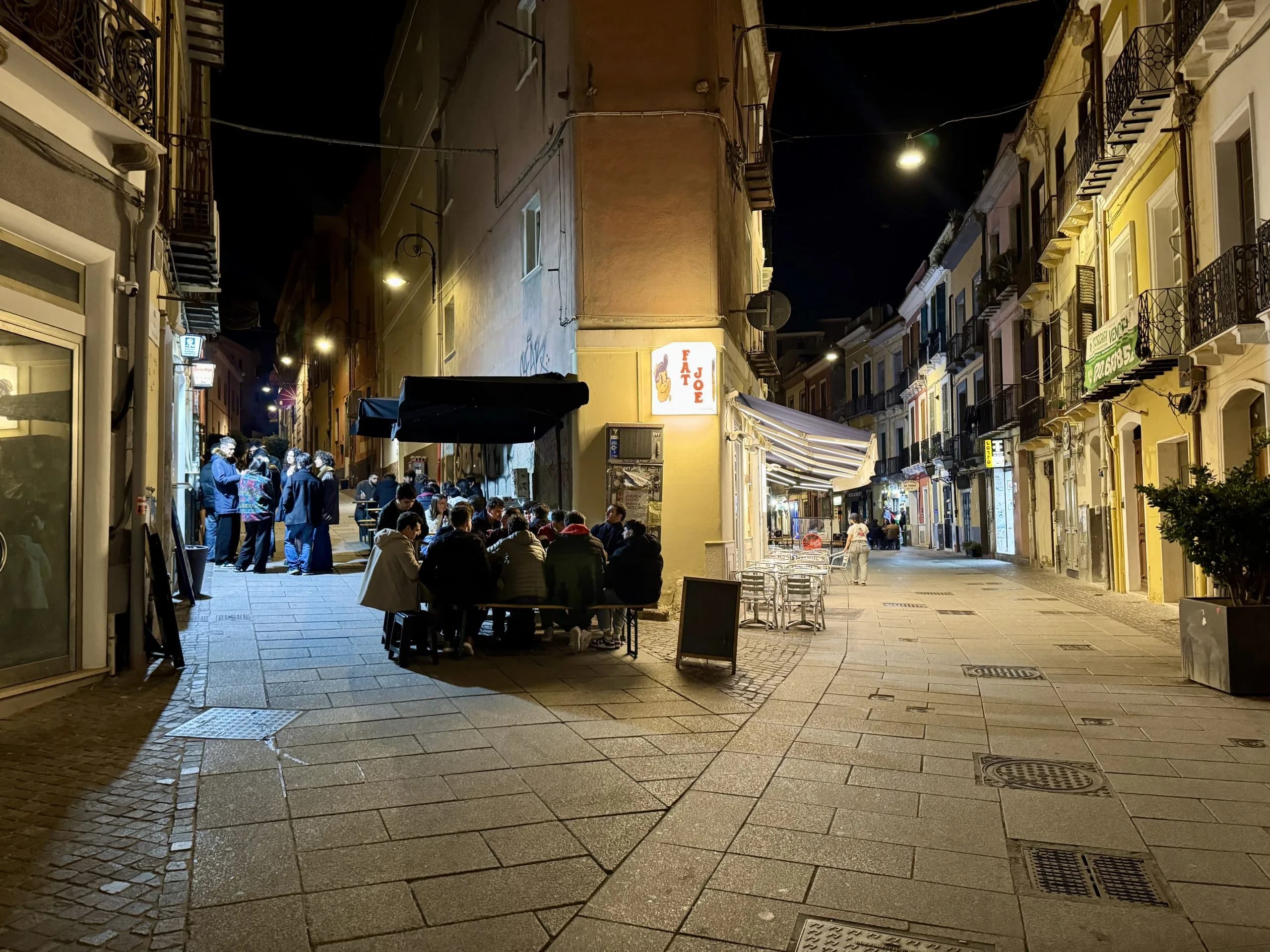
- 12:00 Lunch near Stampace or Marina. Try a simple trattoria for fregola with clams or grilled mullet. Keep it light if you plan the museum next.
Afternoon anchor
- 14:00 National Archaeological Museum of Cagliari. The galleries place Punic and Roman Sardinia in context, and the shop stocks well-made catalogs and replicas Museo Archeologico Nazionale. Allow 60 to 90 minutes.
If you prefer a shorter day, visit Tuvixeddu early, then pause for coffee on Largo Carlo Felice and explore the lanes of Castello before sunset.
Reading the site as you walk
- Central plateau: the highest density of shaft tombs. Notice how entrances align to bedrock seams.
- Slopes: later Roman graves spread outward as the center was partly quarried and cut by infrastructure.
- Southern edge: archaeologists found buildings with white-tiled floors and symbolic elements that likely marked the threshold between the living and the dead. Pause here to picture a boundary people once crossed with ceremony.
Thoughtful shopping near the hill
After the walk, look for quality crafts in streets where artisans still work rather than in souvenir rows. In Castello and Villanova, Via dei Genovesi and the lanes around the Cathedral often hide small studios. In Marina, browse Via Napoli and Via Sardegna for ceramics and textiles. Along Via Sulis you will find jewelers skilled in filigree.
What to seek out:
- Filigree jewelry in silver or gold. Look for clean soldering and the 925 hallmark on silver.
- Ceramics inspired by central Sardinian motifs. Glazes should be even, bases signed.
- Cork pieces from the Gallura tradition, with tight, smooth finishing.
- Textiles from Samugheo workshops. Edges should be hand-finished or clearly labeled.
For vetted books and object replicas tied to what you saw on Tuvixeddu, the museum shop at the National Archaeological Museum is a reliable stop Museo Archeologico Nazionale.
Key details at a glance
- Time on site: 60 to 90 minutes at an easy pace.
- Best light: early morning or late afternoon for shadows that reveal carving.
- Accessibility: paths are uneven with modest slopes. Taxis can drop close to the gate.
- Seasonal note: summer is hot. Start early, carry water, and plan museum time for the heat of the day.
Tuvixeddu rewards a slow circuit and a curious eye. Give the hill an hour, then let the rest of Cagliari fill in the story.