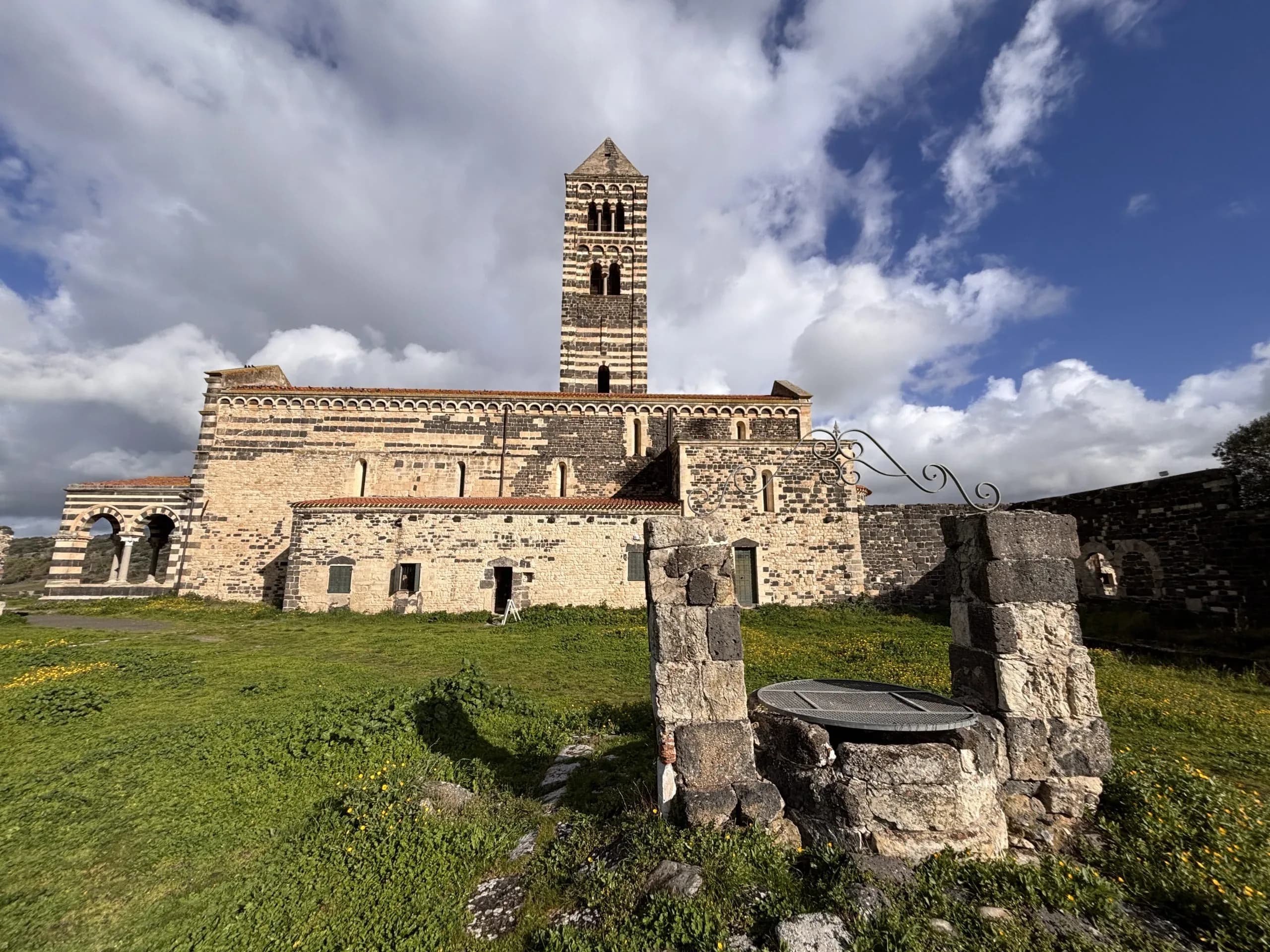

Rising from a quiet valley just outside Codrongianos, the Basilica della Santissima Trinità di Saccargia is an unmistakable landmark in northern Sardinia. Its striped stonework catches the eye from far away, and the setting in open fields makes the approach feel special.
History in brief
The basilica was consecrated in 1116 under Judge Constantine I of Torres, a key figure of medieval Logudoro, according to Sardegna Turismo (source). A Camaldolese monastery grew around the church, becoming a religious and cultural reference point for the region in the following centuries. Craftsmen familiar with Pisan Romanesque expanded and refined the complex, giving Saccargia the profile we see today.
Architecture highlights
The facade alternates white limestone with dark basalt, creating a crisp rhythm that continues along the tall, slender campanile. The contrast is striking yet balanced, and it is one reason Saccargia is so recognizable in photos.
Inside, the nave is simple and dimly lit, which draws your attention to the apse. A medieval fresco cycle survives here, with scenes including the Last Supper and the Crucifixion, as described by the national tourism portal Italia.it (source). Take a few quiet minutes to let your eyes adjust and pick out the details.
What’s in a name?
Local tradition says a spotted cow came to the monks each day to be milked, giving rise to the name “Saccargia” and its enduring legend. It is one of those stories that ties the church to the surrounding farmland and the rhythm of rural life 🐄.
Planning your visit
Where it is and how long to allow
The basilica sits a few minutes’ drive from Codrongianos and about 20 minutes from Sassari. Allow 30 to 60 minutes for a relaxed visit, longer if you enjoy photography or sketching.
Getting there
By car: The simplest option. Roads are straightforward, and the site is signposted near Codrongianos. There is a small parking area next to the church.
Public transport: Limited options connect Sassari to Codrongianos. Even if you arrive by bus or train, the basilica is outside the town, so plan on a taxi for the last stretch.
Entry, hours, and etiquette
Opening times and any admission for the interior can vary by season and local stewardship. Check locally on the day, and be flexible if you are visiting in winter or on public holidays.
Dress modestly and keep voices low. This is an active place of worship at times.
Photography and light
Outside: Early morning and late afternoon bring softer light that enhances the black-and-white stone.
Inside: Low light preserves the frescoes. Avoid flash, and let your eyes adjust before photographing.
Accessibility and facilities
Expect uneven ground and a few steps. Those with limited mobility may need assistance.
Facilities are basic. Carry water and plan restroom stops in Codrongianos or Sassari.
Easy pairs for the same day
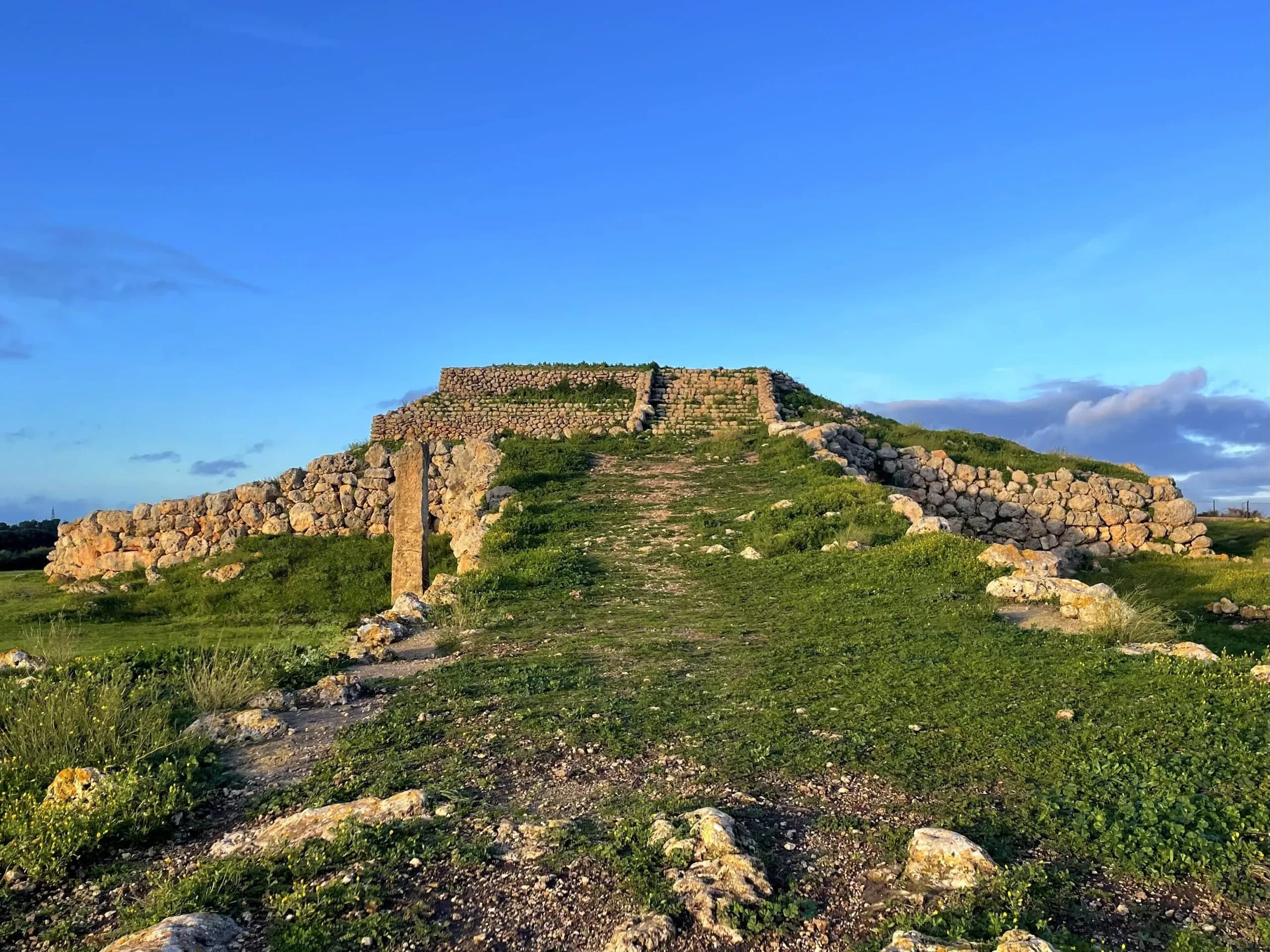
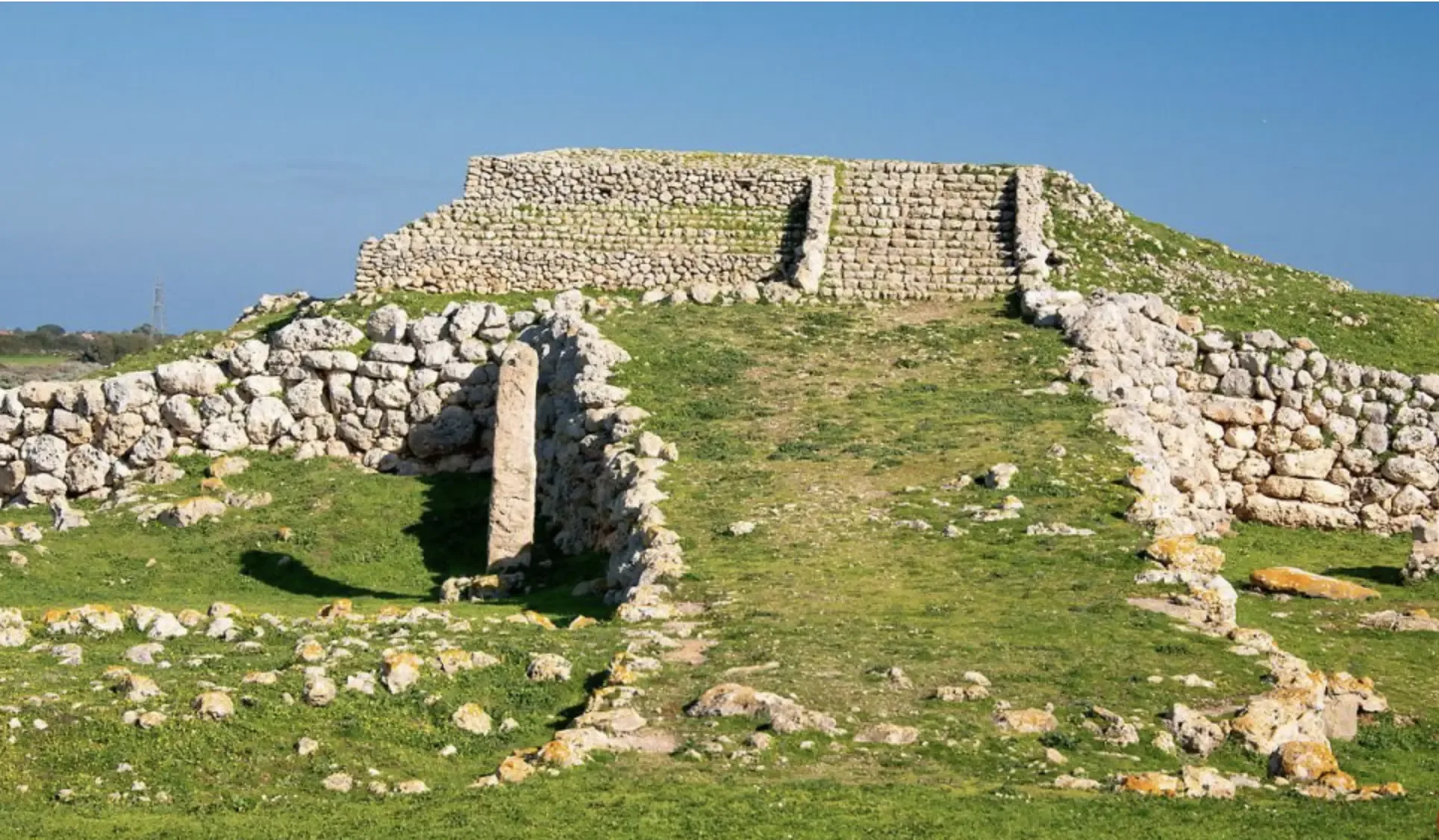
Altar of Monte d’Accoddi: A unique prehistoric altar complex north of Sassari, often paired with Saccargia for a time‑spanning day. See the regional overview on Sardegna Turismo (source).
Nuraghe Santu Antine, Torralba: One of Sardinia’s most impressive nuraghi, about a half‑hour’s drive inland along the Logudoro. Learn more via Sardegna Turismo (source).
Museo Nazionale G.A. Sanna, Sassari: A clear introduction to northern Sardinia’s archaeology and art that adds context to what you see at Saccargia. Official museum page (source).
Practical tips
Weekdays outside peak summer are quieter.
Combine with lunch in Sassari or in a nearby agriturismo for a relaxed schedule.
Bring a light layer. The interior can feel cool even on warm days.
If you are tracing Sardinia’s Romanesque route across Logudoro, Saccargia is a clear anchor. Use it as a reference point, then branch out to nearby churches and archaeological sites as you shape your trip.
Planning a stay on the island? Explore the Rental12 ecosystem for hand-picked places across Sardinia.