
Just a few kilometers from Sassari, in the hush of open countryside, stands a monument unlike anything else in Europe: Monte d'Accoddi. Often called the Sardinian pyramid, this ancient stepped altar invites more than curiosity, it invites feeling. Many visitors speak of sensing a subtle vibration here, a different kind of energy that seems to hum beneath the surface. Whether you’re deeply spiritual or simply open-minded, it’s a remarkable place to slow down, breathe, and listen. ✨
What is Monte d'Accoddi?
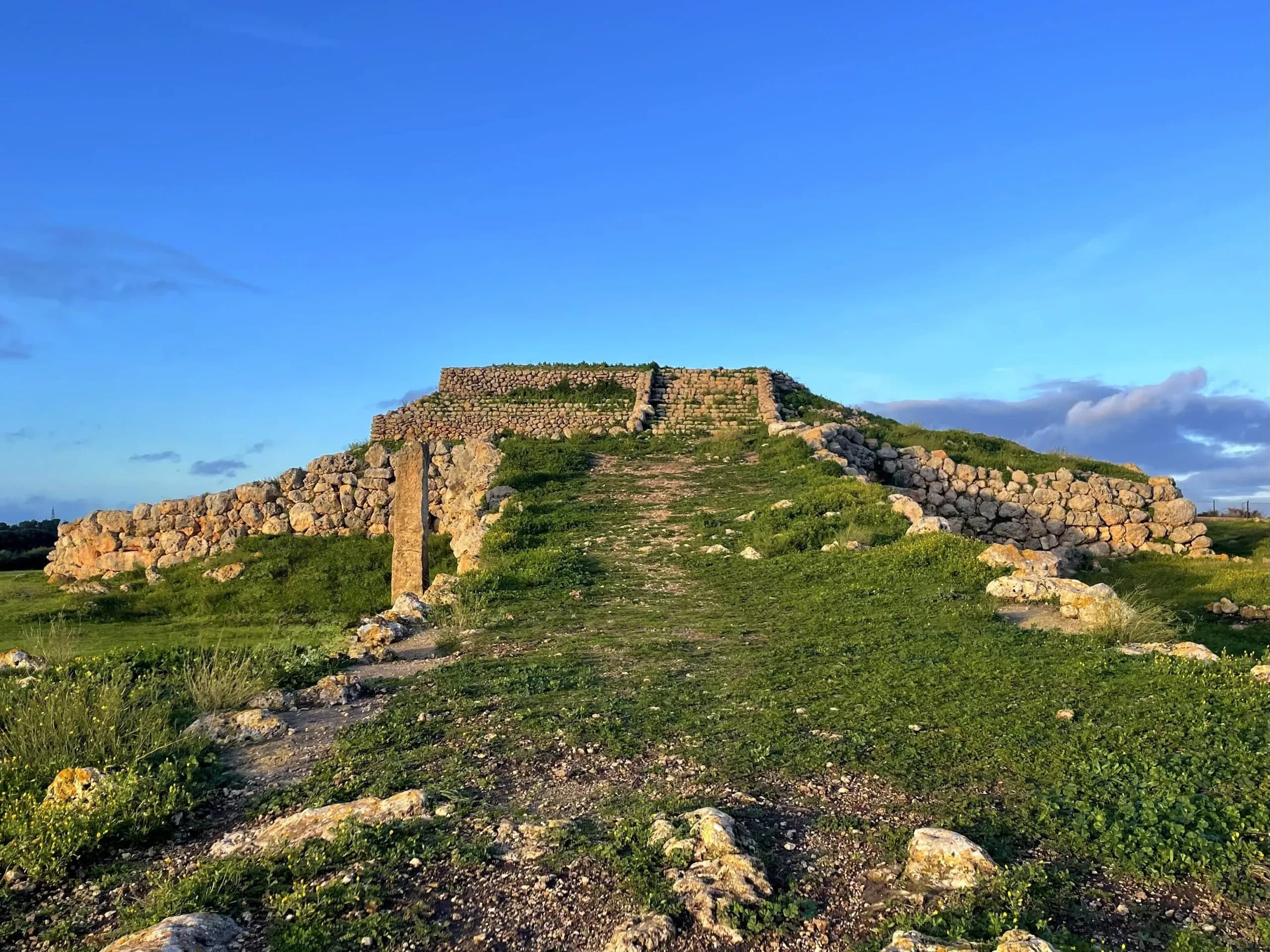
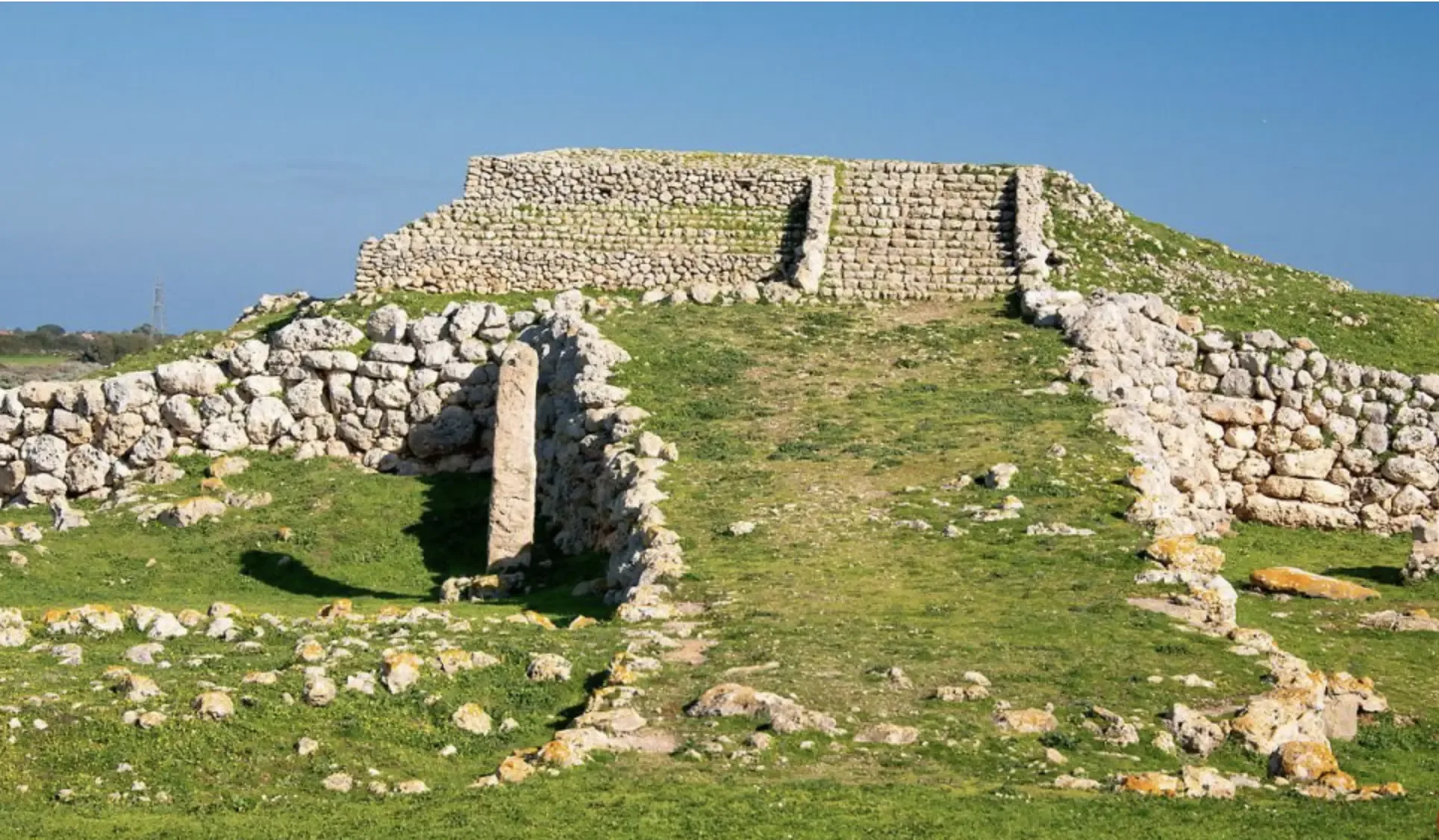
At first glance, Monte d'Accoddi looks like a small ziggurat - an elevated platform reached by a long ramp, rising from the fields. Archaeologists describe it as a megalithic altar dating back more than 5,000 years, with two major construction phases in the late Neolithic and Copper Age. According to the regional tourism board, it’s unique in the Mediterranean and possibly served ritual and astronomical functions.
A brief history and excavation
Monte d'Accoddi was first brought to light in the 1950s during excavations led by archaeologist Ercole Contu, revealing layers of construction, ritual deposits, and nearby standing stones. The earliest sanctuary is associated with the Ozieri culture (late 4th millennium BCE). After a period of destruction or abandonment, a second, more imposing platform with a ramp was built in the 3rd millennium BCE. These phases place the monument among Europe’s earliest large-scale ritual architectures.
Rituals, alignments, and the night sky
Finds around the platform—such as a broad “altar” slab, menhirs, and offering areas—suggest ceremonies, sacrifices, and communal gatherings. Several researchers have proposed that alignments at Monte d'Accoddi relate to the movements of the sun and moon, perhaps marking solstices or lunar standstills. While scholarly debate continues, it’s clear that the builders were closely attuned to celestial cycles and the rhythms of the land.
The energy people talk about
Stories of feeling “different” at Monte d'Accoddi are common. Some visitors meditate beside the stones; others walk the ramp in silence and describe a tingling calm or a sense of groundedness. Is it suggestion, the quiet of the fields, the site’s geometry—or something else entirely? Science doesn’t offer a definitive answer, but the experience can be quietly powerful. If you go, keep it simple: leave your phone in your pocket, breathe deeply, and give yourself a few minutes to tune in. 🧘
How to experience it mindfully
Arrive early or toward sunset for softer light and fewer people. 🌅
Walk the ramp slowly; pause at the top to take in the geometry and horizon.
Sit with your back against a warm stone and take 10 slow breaths.
Let your eyes adjust—notice wind, birdsong, and distant bells.
Be respectful: it’s an active heritage site, not a stage.
Planning your visit
Monte d'Accoddi sits a short drive from Sassari (roughly 15 minutes by car), on the way toward Porto Torres. There’s simple onsite parking and a straightforward path to the monument. Allocate 45–60 minutes for an unhurried visit, longer if you linger for photos or quiet time.
When to go
Golden hours: early morning and late afternoon enhance the stepped form and long shadows—spectacular for photography.
Spring and autumn: mild temperatures and clear skies are ideal.
Summer: arrive early or late; there’s minimal shade and the stones hold heat.
Tickets and hours
Opening times can vary by season, with a modest entry fee supporting site maintenance. For up-to-date hours, guided tour availability, and current prices, check the official regional page before you go (Sardegna Turismo).
Guides and special experiences
Private guide: A licensed guide at Monte d'Accoddi can illuminate the site’s layers—architecture, ritual finds, and ongoing debates—while keeping the pace relaxed.
Driver service: If you’re based along the coast, a driver makes the trip seamless and allows sunset timing without navigation.
Pair with tasting: Combine your visit with a premium Vermentino or Cannonau tasting at a notable estate in the northwest; it makes a refined half-day with a sense of place.
What to bring
Light layers, a hat, and sunscreen—shade is limited.
Comfortable shoes; paths are uneven in spots.
Water; services immediately around the site are minimal.
A small scarf or wrap if you plan to sit and meditate.
Architecture at a glance
What you’ll see at Monte d'Accoddi:
The platform: a stepped, trapezoidal mound with an access ramp—unmistakable on the plain.
The ramp: a processional approach that focuses attention and slows the body; many visitors choose to walk it quietly.
Surrounding stones: menhirs and a large slab traditionally interpreted as an offering table, reflecting ritual use.
Layers and textures: rebuilt sections alongside ancient masonry, giving a sense of the monument’s long life and careful conservation.
Respecting a fragile treasure
Sites like this endure because visitors tread lightly. Please stay on marked paths, avoid climbing beyond permitted areas, and never touch or move smaller stones. Drones generally require advance permission at archaeological sites in Italy—if in doubt, don’t fly. If you’re visiting with children, a simple story about “one of the first temples in Europe” helps them appreciate why care matters. 📍
Suggested half-day itinerary
Late afternoon arrival at Monte d'Accoddi for golden light.
Slow walk up the ramp; 15 minutes of quiet at the top.
Circle the perimeter to note the menhirs and offering areas.
Short scenic drive for an early dinner or tasting; return to your base with minimal night driving.
FAQs
Is Monte d'Accoddi worth it if I’m short on time?
Yes—its rarity, atmosphere, and easy access make it a high-impact stop near Sassari. Even a 30–45 minute visit can be memorable.
How long should I spend at Monte d'Accoddi?
Plan for about an hour, longer if you want to photograph sunset, meditate, or have a guided tour.
Is Monte d'Accoddi accessible?
The approach is mostly level, but the ground can be uneven and the ramp rises gradually. Those with limited mobility may prefer viewing from the lower area; check ahead for current accessibility details via the official page.
Can I visit with kids?
Yes—children often enjoy the pyramid shape and the idea of following ancient footsteps up the ramp. Keep a close eye around stones and stick to marked paths.
Why it stays with you
You don’t need to “believe” in energy to be moved by Monte d'Accoddi. The quiet fields, the geometry against the sky, and five millennia of human intention all converge here. Go slowly, breathe deeply, and let the place speak. With luck—and a little time—you may feel why people have gathered on this mound for thousands of years.