
There is a kind of winter day in Sardinia that feels tailor-made for staying outside. Golfo Aranci gives you that often: golden light, clear air, and a gentle sun that warms your face without rushing you. ☀️
Why winter suits Golfo Aranci
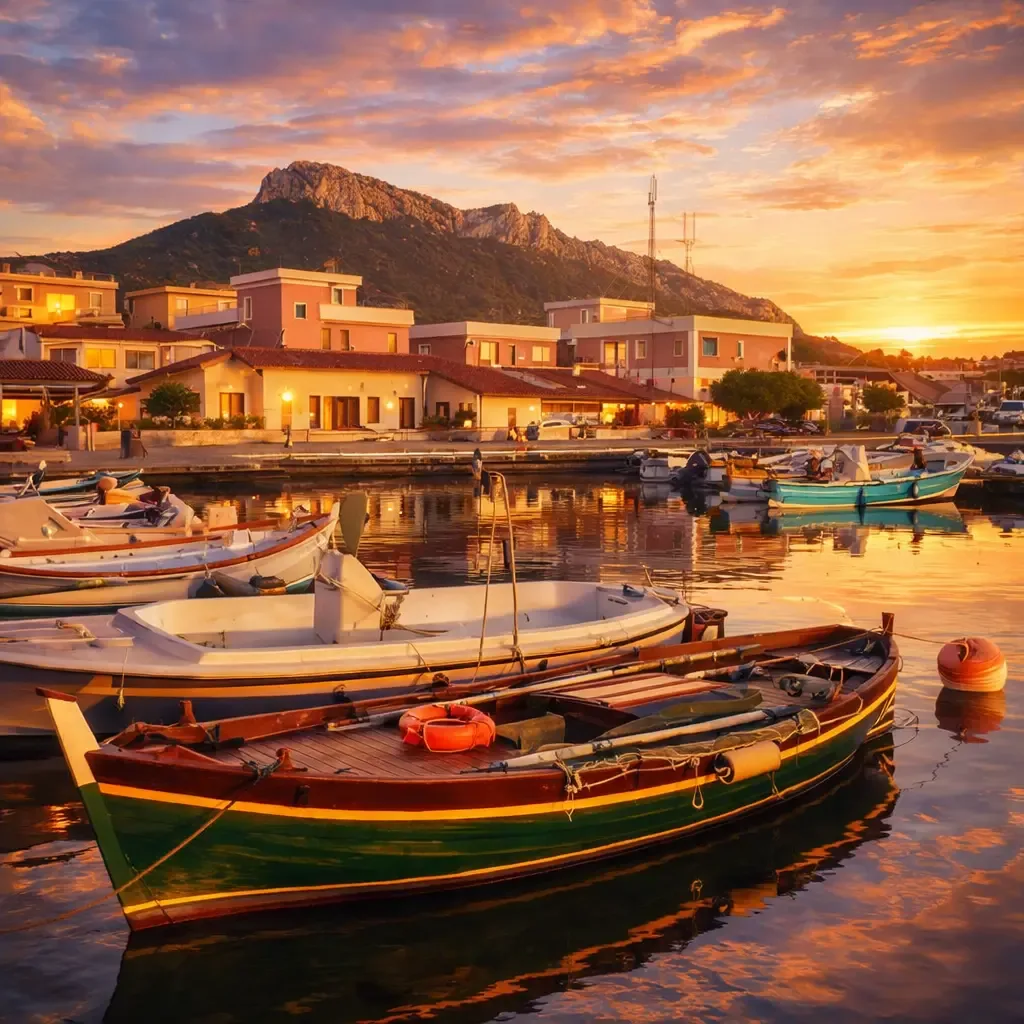
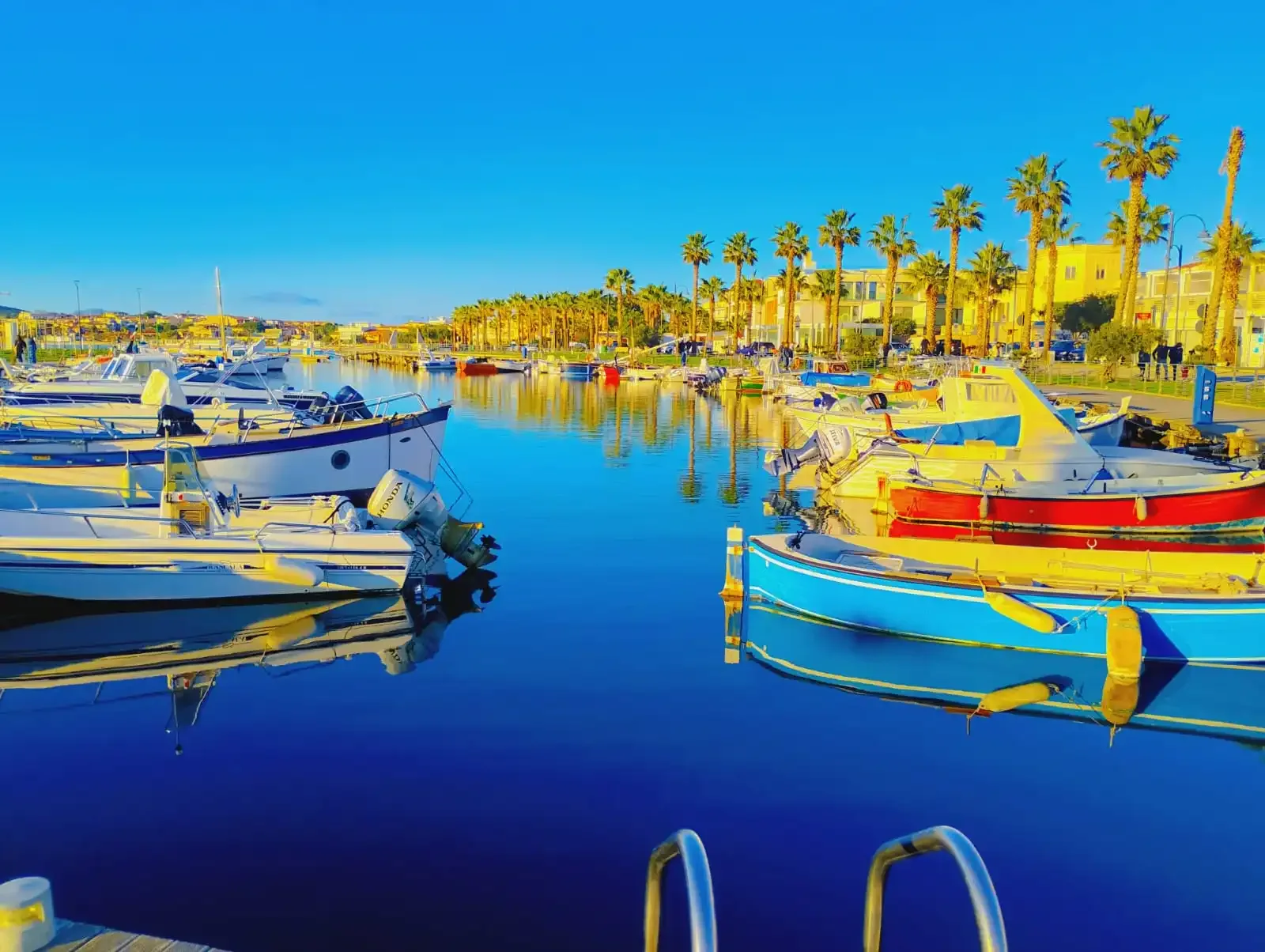
With summer crowds gone, you get quiet beaches, glassy mornings, and easy parking. The waterfront is made for slow strolling, coffee in hand, and unhurried chats while the boats nod in the harbor. The town has several beaches within a short walk or drive, and a coastal headland that gives big views for little effort, according to Sardegna Turismo Sardegna Turismo.
Expect mild days, cooler evenings, and the occasional blast of Mistral. It keeps the air crisp and the sea startlingly clear. Plan your outdoor time around daylight, then lean into long lunches and late-afternoon light on the water.
A slow morning on the seafront
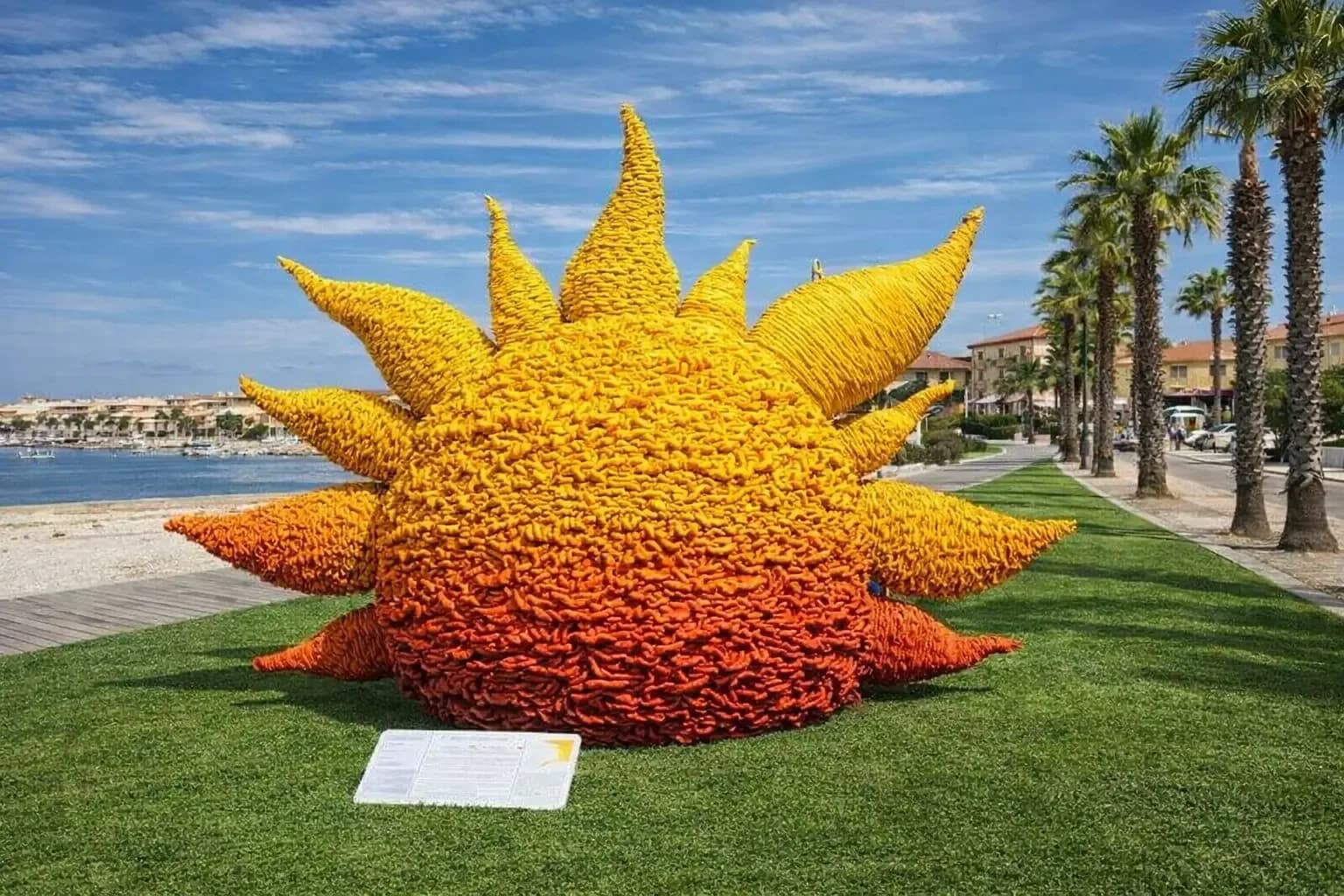
Start in the central square and the lungomare, where you might catch local music or families out for a passeggiata on weekends. Children can run the sand at Prima Spiaggia, while adults take the flat path past the little piers and fishing boats. The light off the bay is bright but soft, so sunglasses help even in winter.
- Best window: late morning for warmer air, then a relaxed lunch.
- Fuel: grab an espresso and a sweet from a bakery, then pick up picnic bits for later.
- Footwear: comfy walking shoes. The promenade is flat and easy.
Easy nature hits: Cala Moresca and Capo Figari
Option 1: Cala Moresca beach wander (easy)
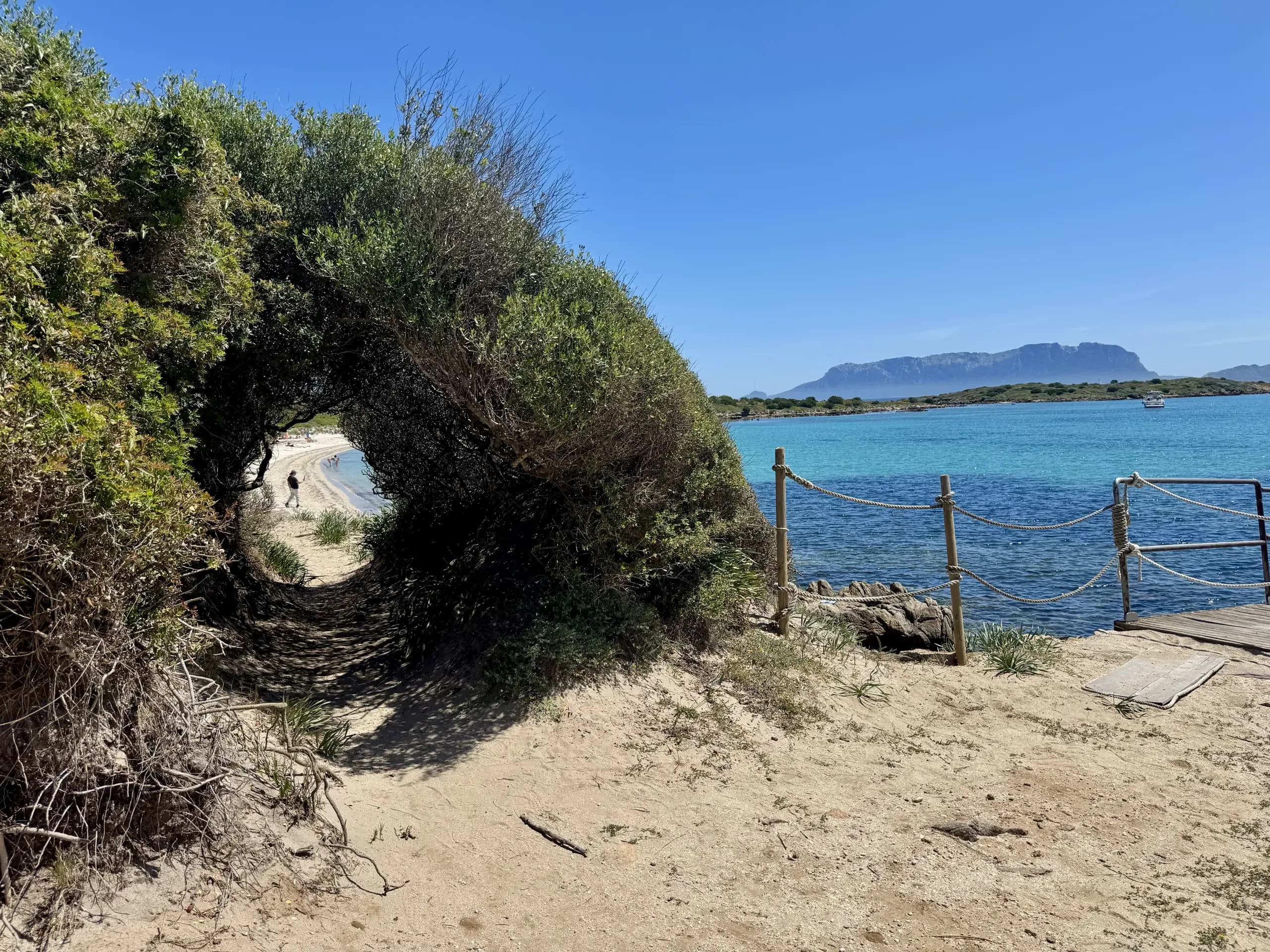
Drive a few minutes from town to the signed access for Cala Moresca. From the parking area, a short path under pines brings you to a small cove with turquoise water and views of Isola Figarolo. On calm mornings you might spot cormorants drying their wings on the rocks and, if you are lucky, a dolphin surfacing beyond the point. The water is cold in winter, so if you plan a dip, take a warm layer for when you get out.
- Time: 15–30 minutes wandering, more if you linger.
- Surface: sandy and pebbly, with some rock shelves. Sturdy water shoes help if you explore the edges.
Option 2: Capo Figari to the old Semaforo (moderate)
This short hike trades crowds for sweeping views. From Cala Moresca, follow the track uphill toward the old Semaforo station on Capo Figari. You climb steadily through fragrant pine and juniper, then the path opens to cliffs and open sea. On clear days you can see Tavolara and the Gallura coast. The area is protected for its habitats and wildlife, so stay on marked paths, as described on Sardegna Turismo Sardegna Turismo.
- Distance and effort: about 4–6 km round trip, 200–300 m elevation gain. Allow 1.5–2.5 hours with photo stops.
- Difficulty: moderate. The track is rocky in places with loose stones.
- Timing: in winter, start by early afternoon to be safely back before sunset.
- Highlights: scent of pine on the climb, shockingly clear water below, wind on your cheeks at the ridge, and a big horizon.
What to pack and how to stay safe
- Layers: a breathable base, warm mid-layer, and a windproof shell for the Mistral.
- Footwear: grippy walking shoes or light hikers. Limestone can be slick with dust.
- Daylight: carry a small headlamp in winter, even for short hikes.
- Hydration and snacks: 1–1.5 liters of water per person, plus something salty.
- Sun care: sunglasses and sunscreen. The sun sits low but still bites.
- Sea plans: a 3–5 mm wetsuit makes a short swim or snorkel more comfortable in winter.
- Weather: check forecasts and wind alerts on the Sardinia Civil Protection portal before you go Regione Sardegna.
- Emergency: dial 112 in Italy.
On windy days, avoid exposed cliff edges on Capo Figari and keep children close. Trails are straightforward in good light, but rocks and roots can trip tired legs late in the day.
Food and unhurried moments
Winter suits a simple seafood lunch. Look for the day’s catch grilled, fregola with clams, or a plate of bottarga with lemon. For a picnic, pane carasau, pecorino, olives, and ripe tomatoes turn any bench with a view into a feast. After lunch, settle back on the seafront and watch the light slide across the bay.
Getting there and practicalities
- From Olbia: about 20 minutes by car. Roads are straightforward.
- By bus: services connect Olbia and Golfo Aranci on the regional ARST network. Check current timetables and weekend frequency ARST.
- Parking: usually easy in winter near the waterfront and at trailheads. Spaces near Cala Moresca are limited, so arrive earlier on sunny weekends.
- Respect the place: pack out all trash, keep to paths, and give wildlife space.
Golfo Aranci in winter rewards a slow pace. Start with the laughter and music on the seafront, then follow the pine-scented track until the sea fills your view. It is a simple formula, and it works.
Planning a stay on the island? Explore Luxurious 2BR renovated Holiday rental Town House + terrace for hand-picked places across Sardinia.