
Last updated: November 26, 2026.
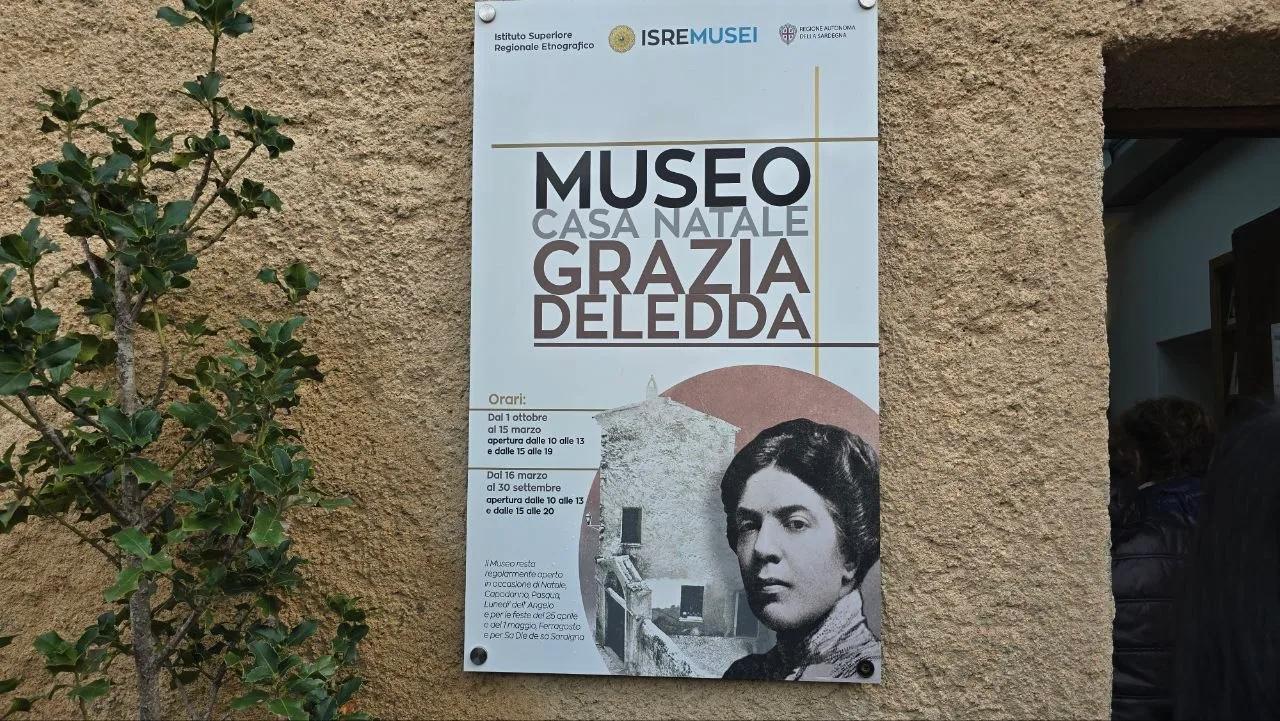
The Museo Deleddiano is the house in Nuoro where Grazia Deledda was born on 27 September 1871 and lived until her marriage in 1900. Today it is a literary museum run by ISRE, the Istituto Superiore Regionale Etnografico, at Via Grazia Deledda 42 in the old Santu Predu district. A full ticket costs €5. Its appeal is its small scale: it shows how modest the start was for the writer who won the Nobel Prize in Literature.
Museo Deleddiano at a glance
- What it is: the birthplace of Grazia Deledda, a literary museum since 1983
- Where: Via Grazia Deledda 42, Santu Predu, the historic district of Nuoro
- Run by: ISRE, the Istituto Superiore Regionale Etnografico
- Winter hours (1 November to 15 March): 10:00 to 13:00 and 15:00 to 19:00, closed on Mondays
- Spring hours (16 March to 11 August): 10:00 to 13:00 and 15:00 to 20:00, closed on Mondays
- Summer (12 August to 30 September): daily, 10:00 to 20:00; October: daily, 10:00 to 19:00
- Tickets: €5 full, €3 for under-18s and over-65s; €8 for any two ISRE museums in Nuoro, €10 for all three; free on the first Sunday of the month
- Contact: +39 0784 242900, isresardegna@isresardegna.org
Hours and prices are from the ISRE museum page, checked in November 2026. Confirm them before you travel, especially around holidays.
Why 2026 is a good year to go
Sardinia is marking one hundred years since Deledda's Nobel Prize in Literature. There is a small quirk in the dates: according to NobelPrize.org, she was named the laureate for 1926 but received the prize in 1927, travelling to Stockholm that December. She remains the only Italian woman to have won it.
The centenary year, the Anno deleddiano, opened in Nuoro on 14 February 2026, when President Sergio Mattarella attended a ceremony at the Teatro Eliseo and visited the house museum, as Open reported. In November the Region held two more centenary events, in Nuoro on 18 November and in Cagliari on 26 November.
I visited during Autunno in Barbagia, when Nuoro and the villages around it are busy. If you are planning that season, our Autunno in Barbagia 2026 guide covers the dates and villages.
A writer who began far from the literary world
What makes Deledda's story striking is the distance between where she started and where she ended up. Her formal schooling lasted only a few years, which was considered enough for girls in late nineteenth-century Sardinia. She went on educating herself through reading and began to write while very young.
Nuoro at that time was far, culturally and geographically, from Italy's main literary centres. That distance became her material. The landscape, the people, and the moral conflicts, traditions and contradictions of Sardinian life became the foundation of a body of work that reached readers well beyond the island. The Nobel Committee honoured her "for her idealistically inspired writings which with plastic clarity picture the life on her native island".
The story of the house
According to SardegnaCultura, the Comune di Nuoro bought the house in 1968, after it had been declared a national monument, and later handed it to ISRE for a symbolic price. The museum opened on 5 March 1983, closed for restoration in 1997 and has had its present layout since 2006. Its first collection came from the Madesani-Deledda family, in particular Fernanda, the writer's daughter-in-law, who donated manuscripts, photographs, documents and personal objects.
What the house shows you
What stayed with me was not the size of the museum but its intimacy. Walking through it feels less like entering a monument and more like entering the world her writing came from.
Three floors and a courtyard
The visit climbs the house's three floors along a central staircase and ends in the courtyard and garden. The rooms were arranged partly following the description of the house in Cosima, her autobiographical novel. Look for the bedroom and the study, the kitchen and pantry, where the museum recreates scents of fresh food, and the guest room dedicated to her Nuoro contemporaries, the sculptor Francesco Ciusa and the poet Sebastiano Satta among them. The documents and photographs of her journey to Stockholm and of the Nobel ceremony are among the most moving things on show.
The house is a protected building, so only the first two ground-floor rooms are accessible to visitors with reduced mobility. A multimedia station in the second room offers a virtual tour of the whole museum.
A place of observation
This was not just where Deledda slept and grew up. Her family home was visited by travellers and local people, and the young Grazia listened closely to the stories, conversations and events around her. Those observations later fed the emotional and social landscape of her fiction.
The view beyond the house
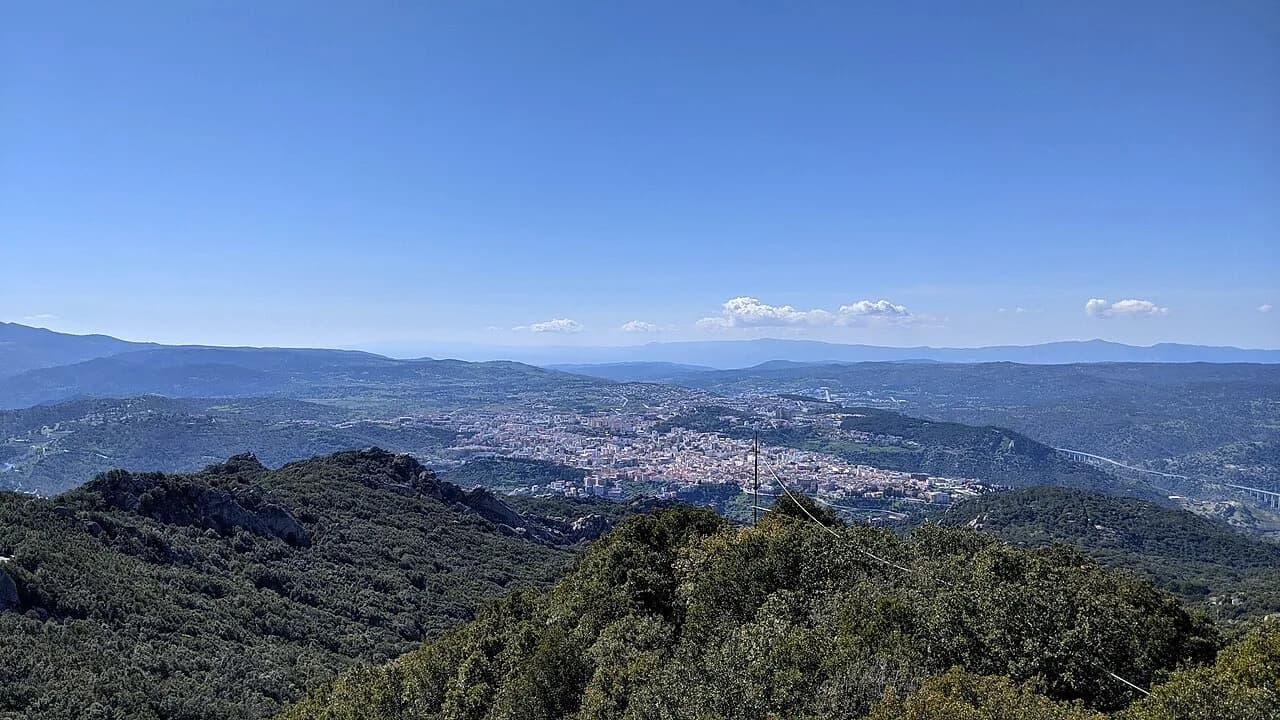
The surroundings mattered too. From Nuoro, Monte Ortobene and the mountains of central Sardinia were part of her everyday view. Standing in the house, it is easier to see why Sardinia was never just a backdrop in her novels. It was the source.
Why her story still feels modern
She wrote before there was any guarantee that anyone outside Sardinia would care. She looked for publishers and intellectual contacts beyond the island, and carried on although literary ambition was not an obvious path for a young woman from Nuoro. Talent mattered, but so did independence, curiosity and the decision to take her own work seriously before the world did.
Museums to famous people can make their subjects feel remote. Casa Deledda did the opposite for me. The rooms bring the story back to its original scale: one young woman, one house in Nuoro and the decision to write. Then you remember where that decision led, from a house in Sardinia to Stockholm.
Following Deledda around Nuoro
The Deledda walking route described by SardegnaTurismo links the places of her life in the city, including the Chiesa della Solitudine, at the foot of Monte Ortobene, where Deledda has been buried since 1959. Ten minutes by car from the city, the hamlet of Lollove is where she set her 1920 novel La madre; see our Lollove day-trip guide.
Planning your visit
- Allow about an hour for the house, courtyard and garden.
- Save with a combined ticket if you also plan to see the Museo del Costume or the Museo della Ceramica.
- Come on the first Sunday of the month for free entry, but expect more visitors.
- Park outside the old centre: Santu Predu is a district of narrow lanes, and the house is easiest to reach on foot.
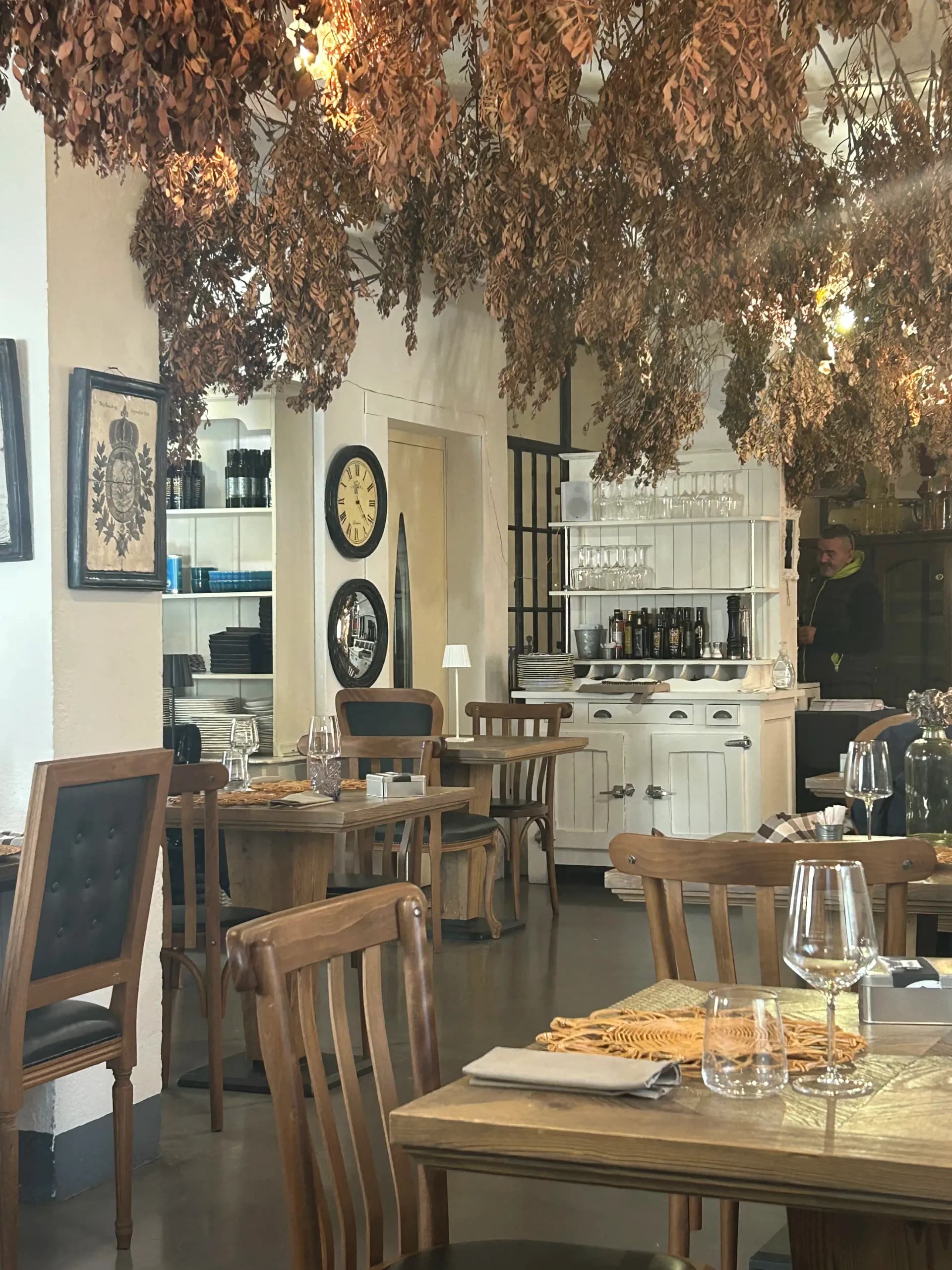
The museum fits naturally into a wider day in the city, and our Nuoro city guide pairs it with the MAN museum and Monte Ortobene. For lunch or dinner in town, try Montiblu. With another day, drive to the murals of Orgosolo or to Mamoiada, home of the Mamuthones masks. If you are arranging a longer trip around the centenary, you can also look at the options in our Rental12 ecosystem.
Sources: ISRE, Museo Deleddiano; SardegnaCultura; Wikipedia, Deledda Museum; NobelPrize.org; Open, 16 February 2026; SardegnaTurismo, Grazia Deledda a 100 anni dal Nobel; SardegnaTurismo, Percorsi deleddiani. Links checked 26 November 2026.